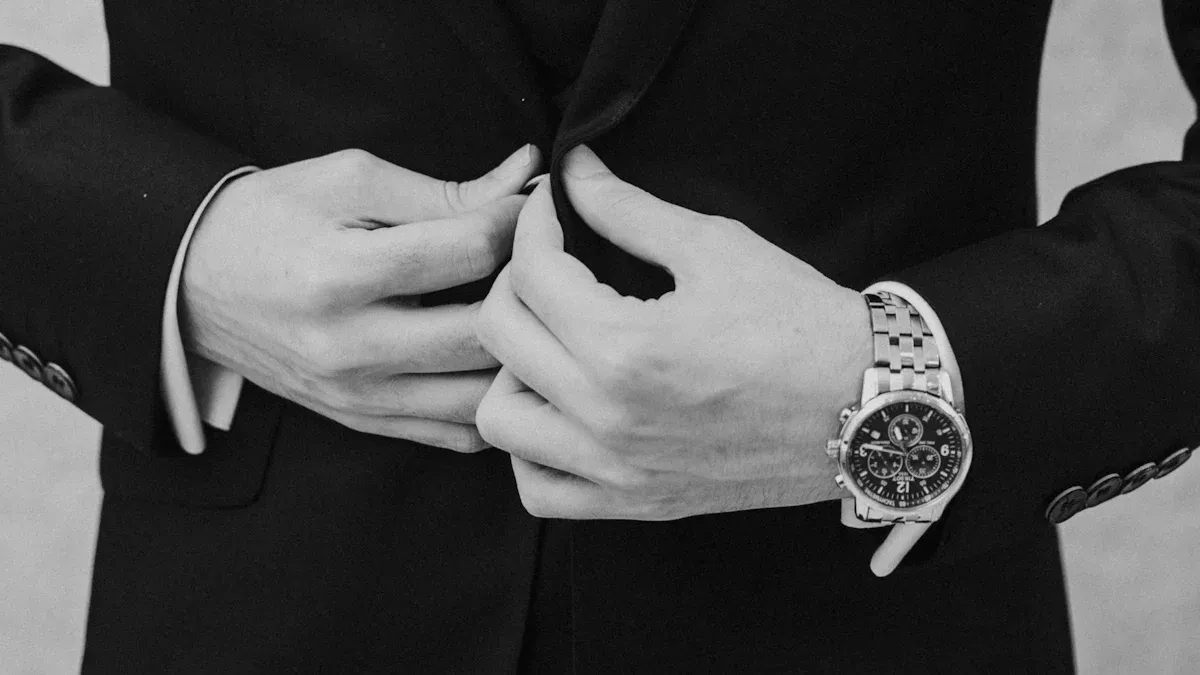
Understanding formal wear is essential for making a great impression at any event, and our Formal Wear Guide can help you navigate this important aspect of dressing. When you choose the right outfit, you show respect for the occasion and the people attending. Tuxedos and evening gowns play unique roles in this realm, as highlighted in our Formal Wear Guide. Tuxedos are linked to formal events, especially black-tie occasions, where they convey sophistication with features like satin lapels and bow ties. On the other hand, evening gowns are typically reserved for upscale events, aligning with the high standards expected in social settings. Knowing these differences, as outlined in our Formal Wear Guide, helps you navigate dress codes with confidence.
Key Takeaways
Choose your outfit based on the event’s formality to show respect and awareness.
Tuxedos and evening gowns are staples for black-tie events, ensuring you fit in with elegance.
Accessorize thoughtfully; the right accessories can enhance your formal look without overwhelming it.
Consider the wedding theme when selecting your attire to match the couple’s vision and style.
A well-fitted gown or tuxedo boosts confidence and leaves a lasting impression at any formal gathering.
Types of Formal Wear
Tuxedos
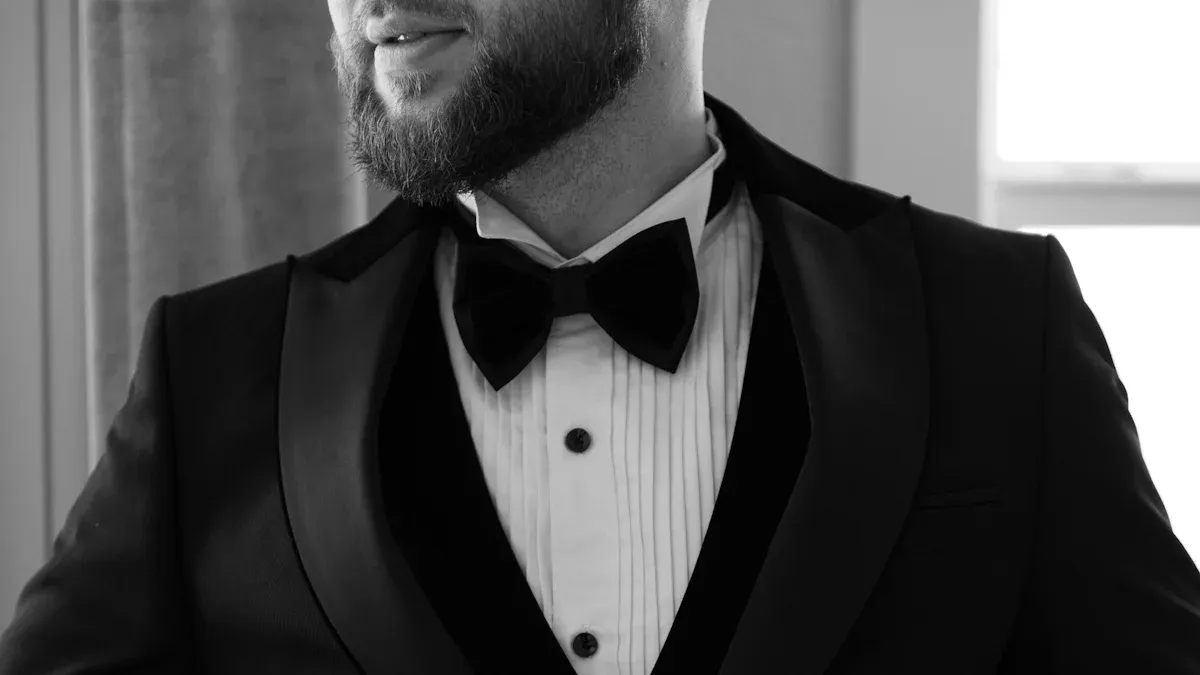
Tuxedos are a classic choice for formal events. They represent elegance and sophistication, making them a staple in black-tie attire. You might wonder where this iconic outfit comes from. The tuxedo evolved from the smoking jacket introduced by Edward VII in the 19th century. This marked a shift towards more relaxed formal wear. By the early 20th century, the tuxedo became known as “black tie” in Western dress codes.
Here are some key historical milestones in the tuxedo’s evolution:
1865 – The Victorian Era: Men began adopting less flamboyant styles, paving the way for the tuxedo.
1880 – American High Society: Wealthy gentlemen sought alternatives to formal tailcoats, leading to the creation of the tailless dress coat.
Today, a tuxedo for men typically features satin lapels, a bow tie, and tailored trousers. This attire is perfect for weddings, galas, and other upscale events.
Evening Gowns
Evening gowns are another essential component of formal wear. These floor-length gowns exude grace and style, making them ideal for formal occasions. When you choose an evening dress, consider the event’s theme and your personal style. A well-fitted gown can enhance your confidence and make a lasting impression.
Evening gowns come in various styles, from classic A-line silhouettes to more modern designs. You can opt for intricate beading, flowing fabrics, or bold colors to express your personality. Remember, the right gown not only complements your figure but also aligns with the event’s formality.
To help you understand the broader context of formal wear, here’s a quick look at the main categories:
Category | Description |
|---|---|
Formal wear | Also known as full dress, for the most formal occasions. |
Semi-formal wear | Known as half dress, less formal than full dress. |
Informal wear | Also referred to as undress, suitable for casual settings. |
Understanding these categories helps you navigate your wardrobe choices for any occasion.
Understanding the Black-Tie Dress Code
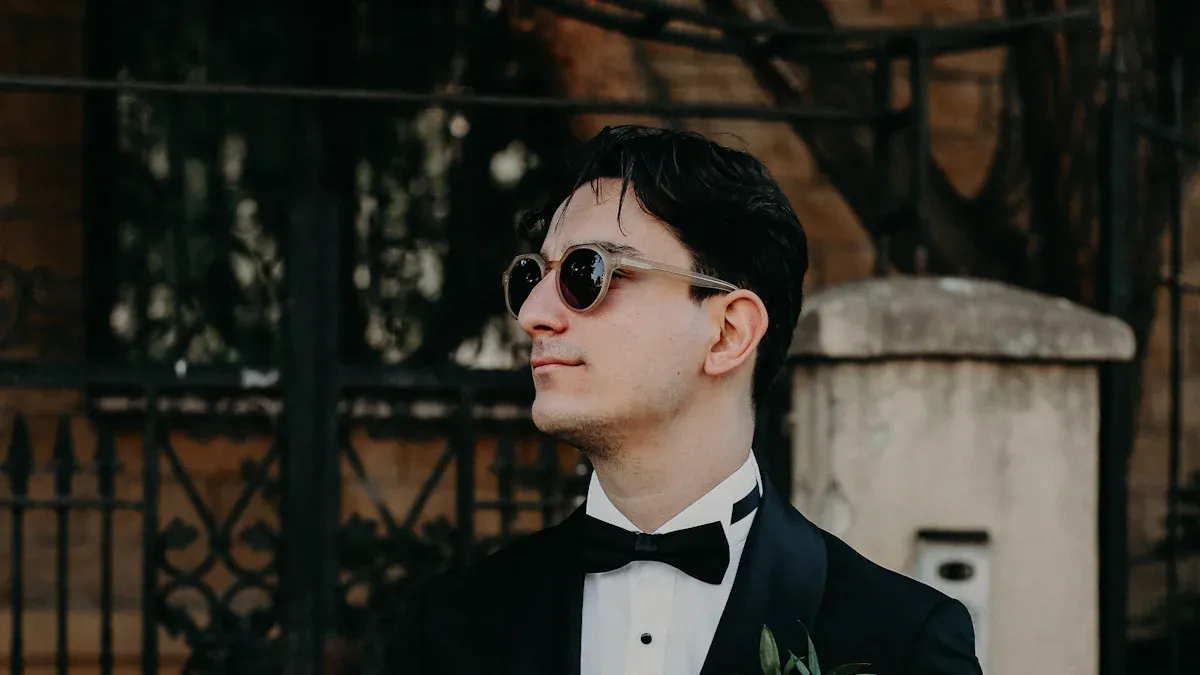
The black-tie dress code is a universal standard for formal events. It signifies elegance and sophistication, making it essential for occasions like galas, weddings, and other upscale gatherings. Understanding this dress code helps you navigate your wardrobe choices with confidence. Here’s what you need to know:
The black-tie dress code is recognized as a formal dress code for evening events.
Women typically wear floor-length gowns, while men don tuxedos.
Black-tie events are characterized by their formality and are reserved for significant occasions.
This dress code dates back to the Regency era of the 1800s, making it one of the oldest formal dress codes.
Black-Tie Attire for Men
When dressing for a black-tie event, men should adhere to specific guidelines to ensure they look their best. Here’s a breakdown of the essential components of black-tie attire for men:
Dinner Jacket: Choose a black wool or midnight blue jacket. You can opt for single or double-breasted styles with various lapel types.
Tuxedo Trousers: These should match the jacket and feature a single braid along the seams without cuffs.
Waist Covering: Wear either a black cummerbund or a low-cut evening waistcoat, depending on your jacket style.
Tuxedo Shirt: A white shirt with a turndown collar, pleated or piqué front, and French cuffs is a must.
Neckwear: A traditional black self-tie silk bow tie adds a classic touch.
Footwear: Opt for black patent or polished leather shoes, paired with over-the-calf black socks.
Accessories: Include studs, cufflinks, and suspenders. A handkerchief or boutonniere can add a personal touch.
Outerwear: A Chesterfield coat or another dark dressy coat is appropriate, but avoid raincoats.
Common mistakes men make when dressing for black-tie events include neglecting proper accessories, choosing the wrong shoes, and using generic dress shirts. Avoid pre-tied bow ties, as they can make your look seem less authentic.
Black-Tie Attire for Women
For women, the black-tie dress code offers a chance to showcase elegance and style. Here’s what to consider when selecting your black-tie wedding attire:
Evening Gown: Opt for a floor-length gown that complements your figure. Styles can range from classic A-line silhouettes to more modern designs.
Accessories: Pair embellished heels with a matching bag for a glamorous look. Simple yet elegant jewelry pieces enhance your attire without overwhelming it. Consider a standout necklace or classic studs for a delicate touch.
Makeup and Hair: Your makeup and hairstyle should align with the formality of the event. A polished look will elevate your overall appearance.
When comparing black-tie women’s attire to other formal dress codes, you’ll find that black-tie is the most formal. While cocktail dresses may suffice for semi-formal events, a black-tie event calls for something more sophisticated.
Aspect | Black-Tie Attire | Formal Attire |
|---|---|---|
Level of Formality | Most formal dress code | Slightly less formal than black-tie |
Typical Garments | Evening gown or women’s tuxedo | Cocktail dress or tailored separates |
Event Suitability | Reserved for upscale events | Suitable for events between formal and semi-formal |
Understanding the nuances of the black-tie dress code for women ensures you make the right choices for any occasion.
Essential Components of Formal Attire
Key Pieces for Tuxedos
When you think about tuxedos, several key pieces come to mind. Each component plays a vital role in creating a polished look for any black-tie event. Here’s a list of the essential elements you should consider:
Tuxedo Jacket: This is the centerpiece of your ensemble. Choose a classic black or midnight blue jacket with satin lapels for that timeless appeal.
Pants: Tuxedo trousers should match your jacket and feature a satin stripe along the side.
Shirt: A crisp white shirt with a pleated front adds sophistication. Opt for a turndown collar for a classic look.
Waistcoat or Cummerbund: These pieces add depth to your outfit. A cummerbund is a traditional choice, while a waistcoat can offer a modern twist.
Bow Tie: A self-tie bow tie is the way to go. It adds a touch of authenticity to your look.
Shoes: Black patent leather shoes are the standard. They complete your tuxedo with elegance.
Cufflinks: These small accessories elevate your shirt’s style. Choose a pair that complements your overall look.
Pocket Square: A pocket square adds a pop of color or pattern, enhancing your tuxedo’s visual appeal.
Boutonniere: This small flower pinned to your lapel adds a personal touch.
Suspenders: These can help keep your trousers in place while adding a stylish element.
Studs and Buttons: Replace standard shirt buttons with studs for a more formal appearance.
Dress Socks: Opt for black dress socks that match your shoes for a cohesive look.
Each of these components contributes to the overall elegance of your formal attire.
Tip: Pay attention to the fabric of your tuxedo. Different materials can affect the tuxedo’s luster and drape. For instance, wool offers a matte finish, while velvet provides a rich texture. Blends with silk can enhance the tuxedo’s elegance, making it suitable for various formal occasions.
Must-Have Features of Evening Gowns
When selecting an evening gown, you want to ensure it stands out for all the right reasons. Here are some must-have features to look for:
Feature | Description |
|---|---|
Fabric Composition | High-quality gowns often use natural fibers like silk and chiffon. These materials provide breathability and a luxurious drape. |
Construction Quality | Look for durable seams and concealed zippers. The internal structure should support the gown’s shape. |
Fit and Tailoring | Precision tailoring is crucial. A well-fitted gown enhances your silhouette and boosts confidence. |
Weight and Drape | Heavier fabrics usually indicate quality. Observe how the gown flows naturally as you move. |
Finishing Details | Hand-stitched hems and covered buttons reflect artisanal craftsmanship and attention to detail. |
Tailoring is essential for achieving the ideal fit. Standard sizes often don’t accommodate individual body shapes. Consider professional alterations to ensure your gown fits perfectly. A well-fitted dress can improve your posture and enhance your confidence, making you feel your best during special occasions.
Note: The choice of fabric also plays a significant role in the gown’s overall appearance. Fabrics like satin offer a luxurious sheen, while chiffon provides a lightweight feel perfect for layering.
By focusing on these essential components, you can confidently choose formal attire that not only meets the black-tie dress code but also reflects your personal style.
Choosing the Right Outfit for Weddings
Matching Attire to Wedding Themes
When you attend a wedding, matching your attire to the wedding theme is key. Here are some tips to help you choose the perfect outfit:
Rustic Weddings: Opt for dresses with clean lines and minimal embellishments. Natural fibers like cotton or linen work well. Stick to neutral colors such as white, cream, or soft beige to fit the vibe.
Beach Weddings: Choose light and airy fabrics that flow with the ocean breeze. A flowing gown in soft colors or a chic two-piece set can be perfect. Styles that allow for movement, like a maxi dress, are ideal. Don’t forget accessories like a flower crown or barefoot sandals to enhance the beachy feel.
Traditional Weddings: Look for dresses with floral embellishments or soft lace. Light, flowy fabrics create an enchanting look. Incorporate earthy tones or fresh flowers to connect with nature.
Personal Style Considerations
Your personal style should shine through your wedding attire while respecting the dress code. Here are some ways to incorporate your flair:
Accessories: Use statement pieces like scarves or jewelry that reflect your personality without being distracting. A unique clutch or bold earrings can elevate your look.
Hair and Makeup: Experiment with hairstyles or colors, but keep them neat and appropriate. A polished look complements your outfit and shows you put thought into your appearance.
Footwear Choices: Select shoes that offer comfort and style. Whether you prefer heels or chic flats, make sure they match the formality of the event.
When selecting your outfit, consider the following factors:
Venue: The more upscale the venue, the more formal your attire should be.
Time of Day: Evening events typically require dressier outfits compared to daytime events.
Season: Dressing appropriately for the season is crucial, especially for outdoor weddings.
By keeping these tips in mind, you can confidently choose your wedding attire, ensuring you look great while respecting the couple’s special day.
Choosing the right formal wear is crucial for making a great impression at any event. Remember, formal attire is reserved for upscale occasions like weddings and black-tie galas. Understanding dress codes helps you select appropriate outfits that reflect your personal style while respecting social expectations.
Here are some key takeaways:
Dress according to the event’s formality to show awareness and respect.
Classic styles are always safe, but don’t hesitate to add your flair.
For black-tie events, opt for tuxedos or floor-length gowns to fit in seamlessly.
By embracing these tips, you’ll feel confident and stylish at your next formal gathering!
FAQ
What is the difference between black-tie and formal wear?
Black-tie is a specific formal dress code that requires tuxedos for men and evening gowns for women. Formal wear can include a broader range of attire, such as suits or cocktail dresses.
Can I wear a colored tuxedo to a black-tie event?
Yes, you can wear a colored tuxedo, but stick to classic colors like navy or deep burgundy. Bright colors may not fit the traditional black-tie standard.
Are there any accessories I should avoid with black-tie attire?
Avoid overly casual accessories like sneakers or casual watches. Stick to elegant shoes and classic jewelry to maintain a polished look.
How do I choose the right evening gown for a black-tie event?
Select a floor-length gown that complements your body shape and fits the event’s formality. Fabrics like silk or satin work well for black-tie occasions.
Is it acceptable to wear a cocktail dress to a black-tie wedding?
Cocktail dresses are generally too casual for black-tie weddings. Opt for a formal gown to respect the dress code and the couple’s wishes.