Understanding different styles like business casual, formal wear, and smart-casual is essential for any man, and that’s where a Men’s Style Guide comes in handy. Each style serves a unique purpose and fits various occasions. For instance, business casual blends comfort with professionalism, while formal wear signifies elegance and sophistication. Smart-casual strikes a balance between the two, allowing you to express your personality while still looking sharp.
Dressing appropriately, as outlined in a Men’s Style Guide, can significantly impact your professional appearance and social interactions. Research shows that a polished appearance boosts confidence and influences how others perceive you. So, whether you’re heading to a meeting or a social event, knowing how to dress according to a Men’s Style Guide can make all the difference.
Key Takeaways
Understand the three main styles: business casual, formal wear, and smart-casual. Each serves a unique purpose and fits different occasions.
Business casual blends professionalism with comfort. Key items include collared shirts, tailored trousers, and polished footwear.
Formal wear signifies elegance. Essential components include tailored suits, dress shirts, and polished shoes for significant events.
Smart-casual allows personal expression while looking put-together. Mix tailored pieces with relaxed items for a versatile look.
Assess your wardrobe regularly. Identify pieces that fit each style and consider adding versatile items to enhance your confidence.
Business Casual
Key Elements
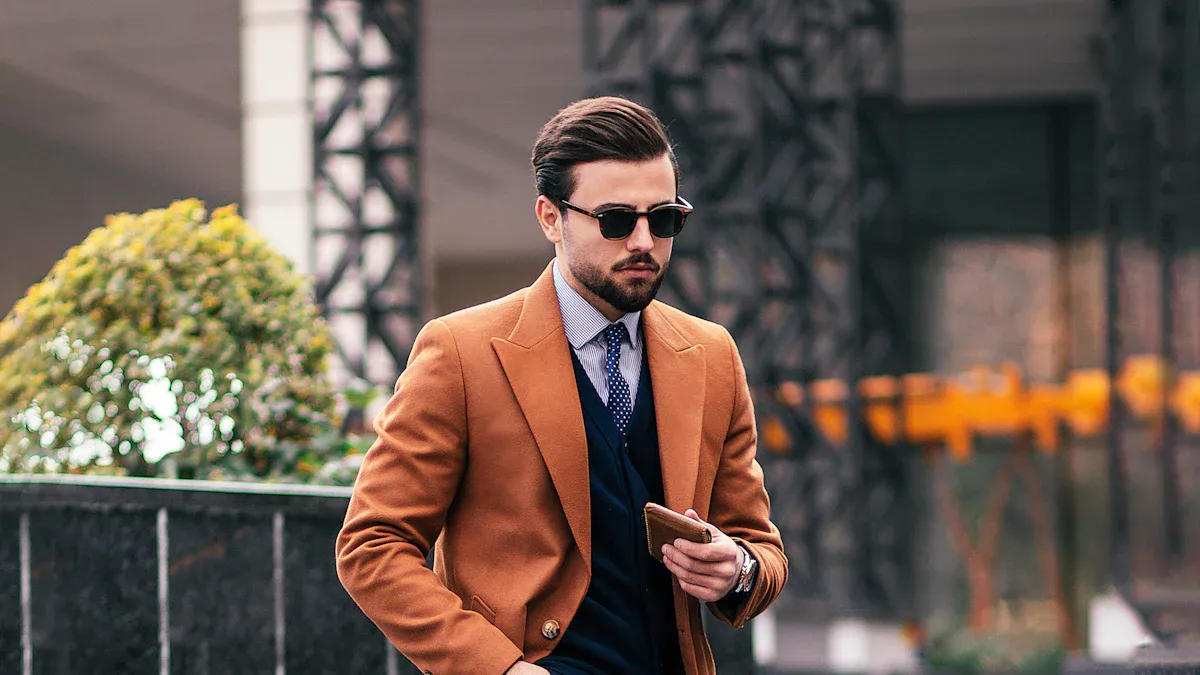
Business casual attire strikes a balance between professionalism and comfort. It allows you to look polished without the rigidity of formal wear. Here are some key elements that define this style:
Collared shirts: Opt for button-downs or polo shirts. They offer a neat appearance while remaining comfortable.
Trousers or chinos: Choose tailored slacks or chinos in neutral colors. Dark-wash jeans can also work in some environments.
Footwear: Closed-toe shoes like loafers or dress shoes are ideal. In more relaxed settings, clean sneakers can be acceptable.
Layering pieces: A blazer or cardigan can elevate your look, making it more versatile for different occasions.
The concept of business casual has evolved significantly over the years. Initially, it was a privilege reserved for ‘Casual Fridays.’ Now, many workplaces embrace this style daily, influenced heavily by the tech industry’s more relaxed dress codes. In creative sectors like advertising and design, you’ll find even more flexibility, allowing for personal expression through clothing choices.
Clothing Items
When assembling your business casual wardrobe, consider these essential clothing items:
Button-down shirts: Classic and versatile, available in various colors and patterns.
Polo shirts: Perfect for business casual settings, offering a step up from T-shirts.
Sweaters: V-neck, crew-neck, or cardigans, ideal for layering over shirts for added warmth and style.
Trousers: Tailored slacks or chinos in neutral colors like navy, grey, or tan.
Dark-wash jeans: Clean, dark wash jeans with no fraying can be appropriate in some workplaces.
Blazer or sport coat: Instantly elevates an outfit and is essential for business casual attire.
Footwear: Loafers, dress shoes, and white sneakers for various occasions.
Accessories should be minimal yet intentional. Focus on simplicity and elegance. Well-chosen bags, belts, and other accessories can enhance your business casual outfit without overwhelming it.
Suitable Occasions
You might wonder when to wear business casual attire. Here are some suitable occasions:
Workplace settings: Many offices now adopt a business casual dress code, especially in tech and creative industries.
Networking events: When meeting new contacts, a business casual look helps you appear approachable yet professional.
Casual meetings: If you’re meeting clients or colleagues in a less formal setting, business casual is often the perfect choice.
Social gatherings: Events like company picnics or after-work happy hours are great opportunities to showcase your business casual style.
Understanding the nuances of business casual attire can help you navigate various professional environments with confidence. As you build your wardrobe, remember that the key is to blend comfort with a polished appearance.
Industry | Dress Code Characteristics |
|---|---|
Technology | More casual clothing, allowing for relaxed styles. |
Finance | More formal attire, adhering to traditional standards. |
Creative | Incorporates more color and expression, reflecting creativity. |
By embracing the business casual look, you can express your personal style while maintaining a professional appearance.
Formal Wear
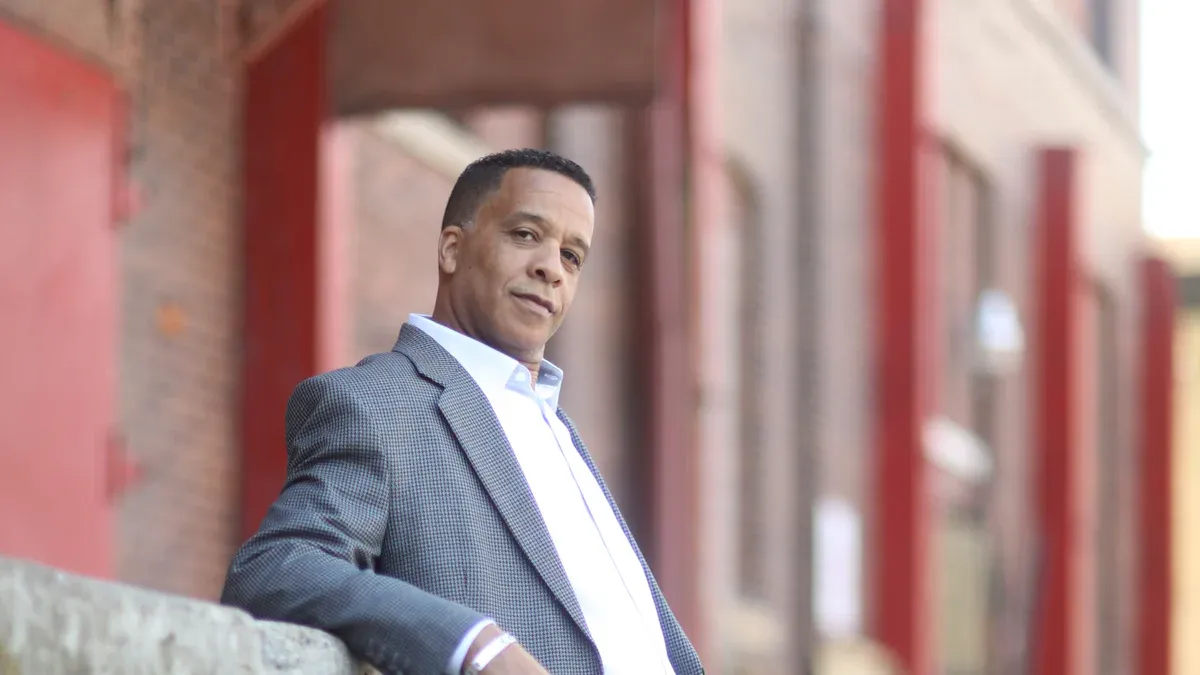
When you think of formal wear, picture elegance and sophistication. This style is all about dressing to impress, especially for significant events. Formal wear typically includes structured suits and tailored pieces that convey a sense of professionalism and respect for the occasion.
Essential Components
To nail the formal look, you need to focus on a few essential components. Here’s what you should include in your wardrobe:
Tailored suits in classic colors like navy, charcoal, and black.
Long-sleeved dress shirts, often in white or light blue.
Conservative ties that coordinate well with your suit and shirt.
Polished leather shoes, preferably in black or dark brown.
Minimal and understated accessories, such as a matching belt and a classic wristwatch.
Attention to grooming and fit, which can make or break your overall appearance.
These elements come together to create a polished look that’s perfect for formal business settings and special occasions alike.
Examples of Attire
Now, let’s dive into some popular examples of formal attire that you might consider for various events:
Attire Type | Description | Pros | Cons |
|---|---|---|---|
Traditional Black-Tie Tuxedo | Peak or shawl lapel jacket, single-button closure, matching trousers. | Universally accepted, timeless appeal. | Can appear conservative; requires precise fitting. |
White-Tie Attire | Tailcoat, white piqué wing-collar shirt, white bow tie, waistcoat. | Highest level of formality, conveys prestige. | Rarely required; expensive to acquire. |
Creative Black Tie | Dark-colored tuxedos, unique fabrics, or patterned shirts. | Encourages individuality. | Risk of overstepping dress code. |
Cultural/National Formal Wear | Examples include Indian sherwani, Japanese montsuki, or Scottish kilt. | Deeply meaningful, visually striking. | May require custom tailoring. |
Lounge Suit (Dark Suit) | Well-cut navy or charcoal suit with a tie. | More affordable, reusable for business. | Not acceptable for strict black-tie events. |
Formal wear is essential for various occasions, including weddings, galas, and black-tie gatherings. You’ll also find it required at religious ceremonies, engagement parties, and charity events. Each event may have its specific dress code, so it’s crucial to understand the differences. For example:
Black-Tie: Men wear a tuxedo with a black bow tie.
White-Tie: Men must wear a black tailcoat and white bow tie.
Semi-Formal: Men can wear a tailored suit or blazer with dress pants.
In 2025, trends in men’s formal wear lean towards neutral tones like browns, caramels, and beiges. These colors are versatile and suitable for both casual and formal settings. Lighter shades of tweed, particularly oatmeal and light browns, are gaining popularity, moving away from traditional dark options. This shift reflects a broader trend in men’s fashion, emphasizing a more relaxed yet sophisticated approach to formal attire.
By understanding these components and examples, you can confidently choose the right formal wear for any occasion, ensuring you always look your best.
Smart-Casual
Characteristics
Smart-casual attire blends polished and relaxed styles, allowing you to express your personality while still looking put-together. This style emphasizes tailoring, comfort, and versatility. Here are some defining characteristics of smart-casual attire:
Unconstructed suits
Blazers or sports jackets
Dress shirts or polo shirts
Tailored trousers or dark jeans
Polished footwear
Smart-casual is all about finding that sweet spot between formal and casual. You can mix and match items to create a look that feels uniquely yours.
Clothing Options
When it comes to smart-casual clothing options, you have plenty of choices. Here’s a breakdown of what you might consider adding to your wardrobe:
Shirts and Tops:
Collared tops like button-down shirts and oxford shirts.
Polo shirts for a more relaxed vibe.
Well-fitted sweaters or cardigans for colder days.
Trousers and Bottoms:
Chinos and tailored trousers for a polished look.
Slim-fit jeans in dark washes for a sophisticated appearance.
Footwear Choices:
Stylish loafers or derbies for versatility.
Clean, minimal sneakers for a casual touch.
Leather boots for a more rugged look.
Occasion/Setting | Outfit Suggestions |
|---|---|
Office | Tailored trousers or chinos with a neat shirt and a blazer. |
Dinner or Networking Event | Dress shirt with tailored trousers and polished shoes. |
Relaxed Smart Moments | Basic tee with smart trousers and a soft cardigan. |
Smart-casual attire works well for various occasions, from office settings to social gatherings. It gives you the freedom to look sharp without feeling overly formal. So, next time you’re unsure about what to wear, remember that smart-casual is a great go-to option!
Understanding the differences between business casual, formal wear, and smart-casual styles can transform your approach to dressing. Here’s a quick recap:
Business Casual: Balances professionalism with comfort.
Formal Wear: Represents a serious approach to attire for significant events.
Smart-Casual: Allows personal expression while remaining appropriate.
Take a moment to assess your work wardrobe. Identify what fits each category and consider adding versatile pieces. Don’t hesitate to experiment with different styles. You might discover new favorites that enhance your confidence and self-expression!