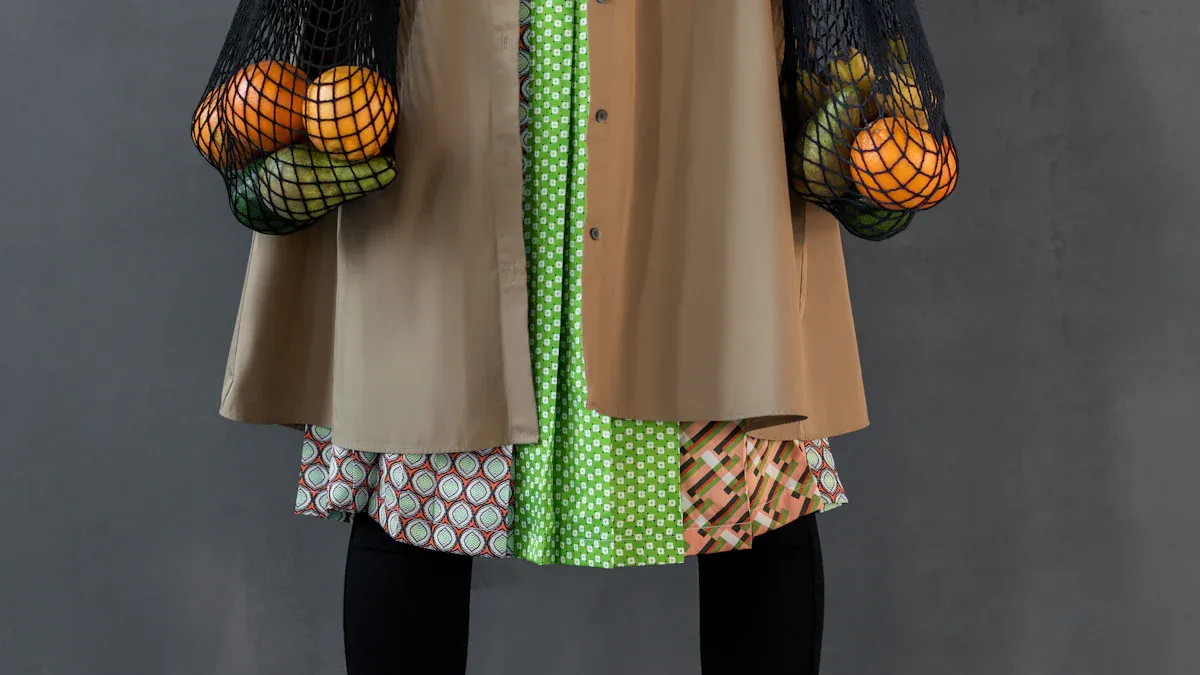
Sustainable fashion refers to clothing, accessories, and footwear designed with a focus on environmental and social responsibility, as outlined in our Sustainable Fashion Guide. This approach is crucial because it addresses the negative impact of the fashion industry on our planet. Ethical brands play a vital role by promoting fair labor practices and transparency in their production processes. Eco-friendly materials, such as organic cotton and recycled fibers, significantly reduce waste and pollution.
Recent trends show that 72% of consumers are willing to pay more for sustainable products. Additionally, Gen Z and Millennials are increasingly prioritizing sustainable clothing, making informed choices that benefit both people and the environment, as highlighted in the Sustainable Fashion Guide.
Key Takeaways
Sustainable fashion focuses on eco-friendly materials and ethical practices, helping to protect the environment and support fair labor.
Fast fashion harms the planet by contributing to pollution and waste. Choosing sustainable options can reduce your carbon footprint.
Support ethical brands that prioritize transparency, fair labor, and sustainable materials to make a positive impact.
Incorporate eco-friendly fabrics like organic cotton and recycled polyester into your wardrobe for a more sustainable lifestyle.
Embrace slow fashion by investing in quality pieces, repairing clothes, and participating in clothing swaps to extend garment life.
Sustainable Fashion Overview
What is Sustainable Fashion?
Sustainable fashion is a design philosophy that aims to minimize the environmental impact of clothing production and consumption. It focuses on using eco-friendly materials and processes while promoting ethical practices throughout the supply chain. This approach not only seeks to protect the planet by using materials that do not harm the Earth but also aims to benefit and protect the workers involved in the clothing production process.
Here are some key criteria that define sustainable fashion:
Criteria | Description |
|---|---|
Use of fewer toxic chemicals | Reducing harmful substances in production. |
Use of less land or water | Minimizing resource consumption in farming. |
Reduction of greenhouse gases | Lowering emissions during manufacturing. |
By making informed choices, you can support brands that prioritize sustainability and ethical practices.
The Impact of Fast Fashion
Fast fashion has a significant negative impact on our environment and society. The fashion industry contributes up to 10% of global carbon dioxide emissions, surpassing the combined emissions from international flights and shipping. Additionally, it is the second most water-intensive industry globally, requiring about 3,000 liters of water to produce a single cotton shirt. Toxic chemicals from dyes used in clothing production pollute waterways, with approximately 20% of global water waste attributed to this process.
Here are some of the major consequences of fast fashion:
The fashion industry is responsible for 8% of all carbon emissions and 20% of global wastewater.
Fast fashion increases energy consumption and carbon emissions throughout the product lifecycle, from raw material production to disposal.
Waste generated at every stage of garment manufacturing harms wildlife and degrades land, soil, and water.
Moreover, fast fashion affects labor conditions in manufacturing countries. Workers in sweatshops often endure long hours and receive pay that does not cover basic living expenses. For example, in Bangladesh, workers earn about 33 cents per hour, while in India, the average wage is barely 58 cents. Many workers face verbal and physical abuse from managers, and unsafe working conditions are common.
By understanding the impact of fast fashion, you can make better choices that support sustainable practices and contribute to a healthier planet.
Ethical Brands
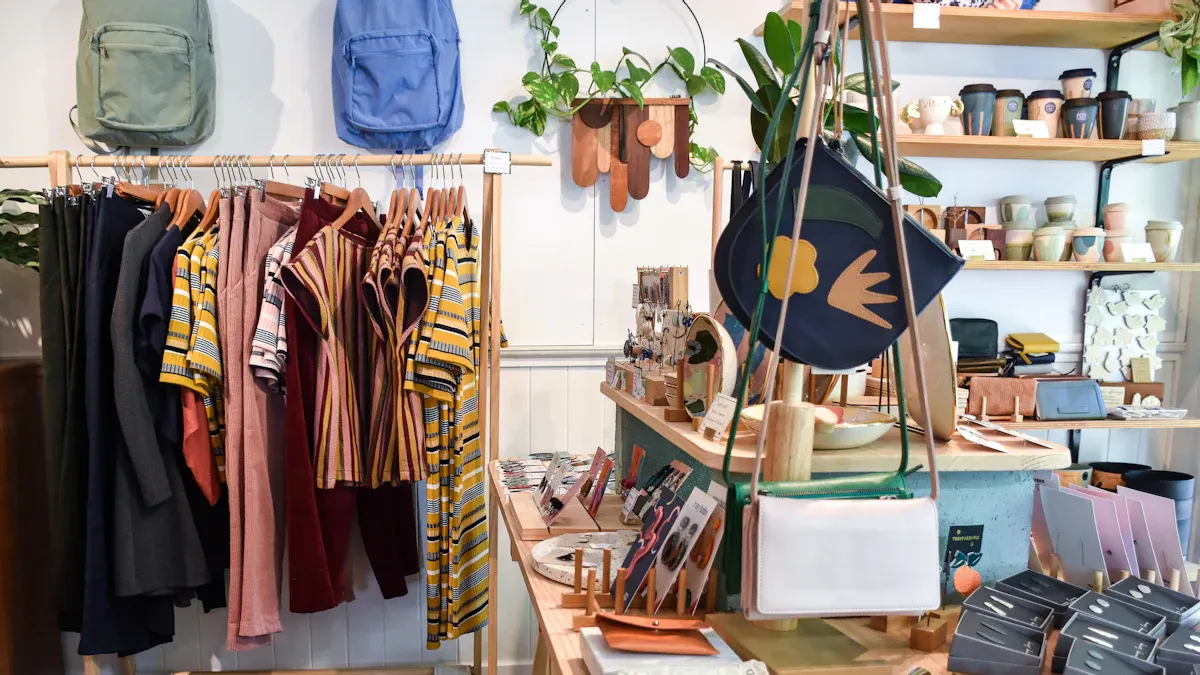
Characteristics of Ethical Brands
Ethical brands play a crucial role in sustainable fashion. They prioritize transparency and fair labor practices. Here are some key characteristics that define these brands:
Sustainable Materials: They use eco-friendly materials like bamboo, organic cotton, and recycled fibers.
Eco Labeling: Brands provide clear information on labels about their materials and production processes.
Reduce Water Usage: They strive to minimize water consumption during production.
Fair Labor Practices: Ethical brands ensure safe working conditions and fair wages for their workers.
Minimizing Waste: Many brands focus on upcycling and recycling clothing to reduce waste.
Animal Cruelty: They avoid using materials derived from animals, promoting vegan options.
Fostering Community: These brands create a community for those passionate about sustainability and style.
Examples of Ethical Brands
Several brands stand out for their commitment to ethical practices. Here are a few recognized globally for their sustainable efforts:
Brand | Commitment |
|---|---|
Seventh Generation | Focused on eco-friendly products, aiming for 100% of products and packaging to use biobased or recycled materials. |
A Good Company | Commits to radical openness about sustainability practices and creates sustainable everyday products. |
These ethical fashion brands demonstrate how businesses can operate responsibly while providing quality products. They often obtain certifications from recognized organizations like Fair Trade or B Corp, which further validates their commitment to ethical labor practices. By choosing to support these brands, you contribute to a more sustainable future.
Eco-Friendly Fabrics
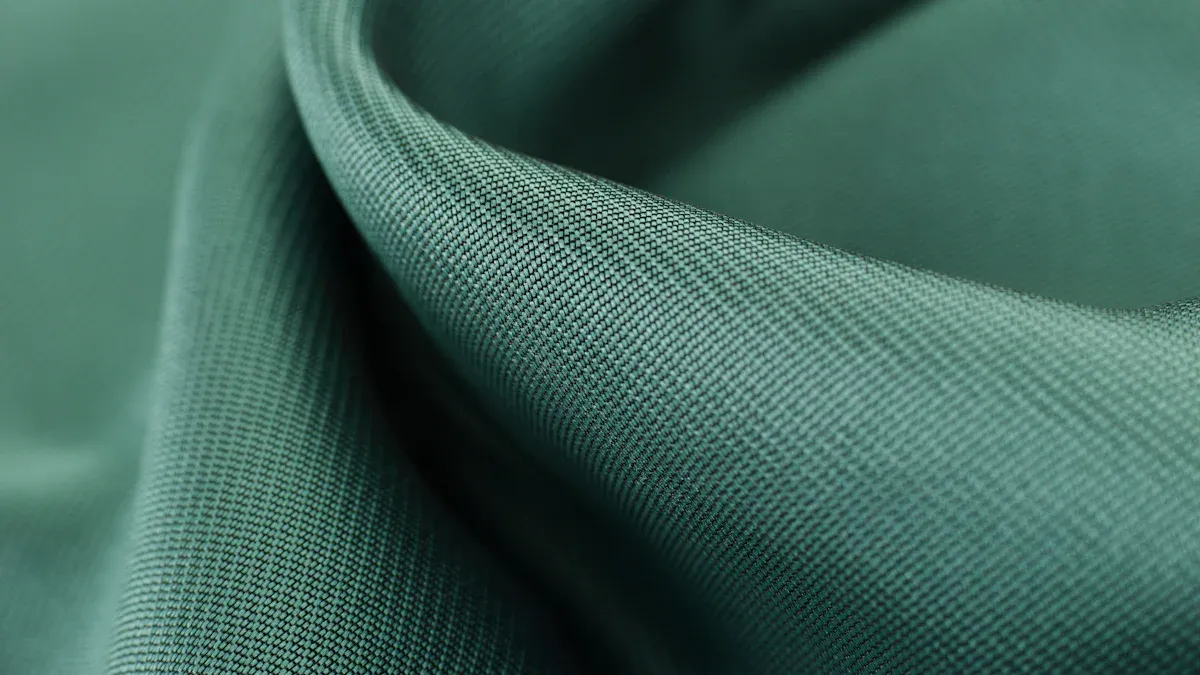
Types of Eco-Friendly Fabrics
When you choose eco-friendly fabrics, you support sustainable practices in the fashion industry. Here are some popular types of eco-friendly fabrics you might consider:
Organic Cotton: Grown without synthetic pesticides or fertilizers, organic cotton protects soil and water quality. It promotes biodiversity and uses significantly less water than conventional cotton.
Linen: Made from the flax plant, linen requires fewer resources to grow. It is biodegradable and has a lower environmental footprint.
TENCEL™ Lyocell: This fabric comes from sustainably sourced wood pulp. The production process is eco-friendly, using a closed-loop system that recycles water and solvents.
Recycled Polyester (RPET): Made from recycled plastic bottles, RPET helps reduce plastic waste. It uses less energy and water compared to virgin polyester.
Bamboo: Bamboo grows quickly and requires minimal resources. It is naturally antibacterial and biodegradable, making it a great choice for sustainable fashion.
Other eco-friendly fabrics include Piñatex, cork, and hemp. Each of these materials contributes to reducing waste and promoting sustainability in the fashion industry.
Benefits of Sustainable Materials
Using sustainable materials in your wardrobe offers numerous benefits. Here are some key advantages:
Environmental Protection: Eco-friendly fabrics help reduce pollution and waste. For example, organic cotton farming limits toxic chemicals, preserving soil health and water quality.
Resource Conservation: Sustainable materials often require less water and energy to produce. For instance, organic cotton uses up to 80% rain-fed water, while recycled polyester reduces energy consumption by 59%.
Waste Reduction: By choosing fabrics like RPET, you help divert plastic waste from landfills and oceans. Initiatives like Adidas recycling over 281 million plastic bottles showcase the positive impact of sustainable practices.
Durability and Performance: Many eco-friendly fabrics, such as linen and hemp, offer exceptional durability. They withstand wear and tear while maintaining their quality, making them a smart investment for your wardrobe.
Incorporating these environmentally sustainable fabrics into your clothing choices not only benefits the planet but also supports a healthier future for all.
Slow Fashion Principles
What is Slow Fashion?
Slow fashion emphasizes quality over quantity. It encourages you to invest in durable clothing that lasts longer. This approach contrasts sharply with fast fashion, which promotes rapid production and disposable clothing. Slow fashion focuses on ethical production methods and sustainable materials. By choosing slow fashion, you support a movement that values craftsmanship and environmental responsibility.
Here are some key principles of slow fashion:
Principle | Description |
|---|---|
Choose quality fabrics | Select garments made from durable and sustainable materials like organic cotton, hemp, or bamboo to build a wardrobe that lasts for years. |
Support ethical brands | Look for companies that embrace transparent supply chains, fair labor practices, and environmentally friendly processes when making purchasing decisions. |
Extend garment life | Repair, recycle, or buy second-hand clothing to reduce waste and keep textiles out of landfills. |
Tips for Embracing Slow Fashion
You can easily incorporate slow fashion principles into your daily life. Here are some practical tips:
Buy consciously: Before making a purchase, ask yourself if you truly need the item. Consider if it aligns with your personal style and values. Invest in quality, timeless pieces that can be mixed and matched.
Thrift and swap: Thrift stores, consignment shops, and clothing swaps are excellent sources for unique, pre-loved garments. They save money and promote a more circular economy.
Support ethical and sustainable brands: Look for brands that prioritize fair trade, use eco-friendly materials, and have transparent supply chains. By supporting these brands, you contribute to the growth of the slow fashion revolution.
Smart and long-lasting shopping: Adopt a thoughtful approach to fashion purchases by planning your wardrobe and resisting fleeting trends.
Engage in circular economies: Contribute to the circular economy through clothing donation, swapping, and upcycling. This helps close the product lifecycle and reduces textile waste.
Increasing product longevity is seen as a way to slow down resource loops and consequently reduce environmental impacts. By embracing slow fashion, you not only enhance your wardrobe but also contribute to a healthier planet.
Sustainable fashion is essential for protecting our planet and supporting ethical practices. You can make a difference by choosing brands that prioritize eco-friendly materials and fair labor practices. Remember, ethical fashion is clothing produced responsibly for people and the environment.
To embrace sustainable choices, consider these actions:
Support sustainable and ethical brands.
Avoid fast fashion by investing in quality pieces.
Care for your garments to extend their lifespan.
By making informed decisions, you contribute to reducing pollution and waste while promoting biodiversity. Together, we can create a more sustainable wardrobe and a healthier planet.