Choosing the right jewelry materials can greatly impact your style, durability, and value, which is why a Jewelry Materials Guide is essential. Each material brings unique characteristics that can enhance your necklaces and bracelets. Understanding these features helps you make informed decisions when selecting jewelry. Popular metals used in jewelry, such as gold, silver, platinum, and stainless steel, each have their own advantages and disadvantages. Knowing these details ensures you choose the best fit for your needs and preferences, as outlined in the Jewelry Materials Guide.
Key Takeaways
Gold is a beautiful and valuable choice for jewelry, but it can be soft and expensive. Consider lower karat options for durability.
Silver offers affordability and versatility, but it requires regular polishing to prevent tarnishing. Proper care extends its life.
Platinum is durable and hypoallergenic, making it ideal for sensitive skin. Its high cost reflects its rarity and quality.
Stainless steel is budget-friendly and low-maintenance, perfect for everyday wear. Its durability makes it suitable for active lifestyles.
When choosing jewelry, consider your personal style, budget, and lifestyle needs. Each metal has unique strengths and weaknesses.
Gold in Jewelry
Gold Properties
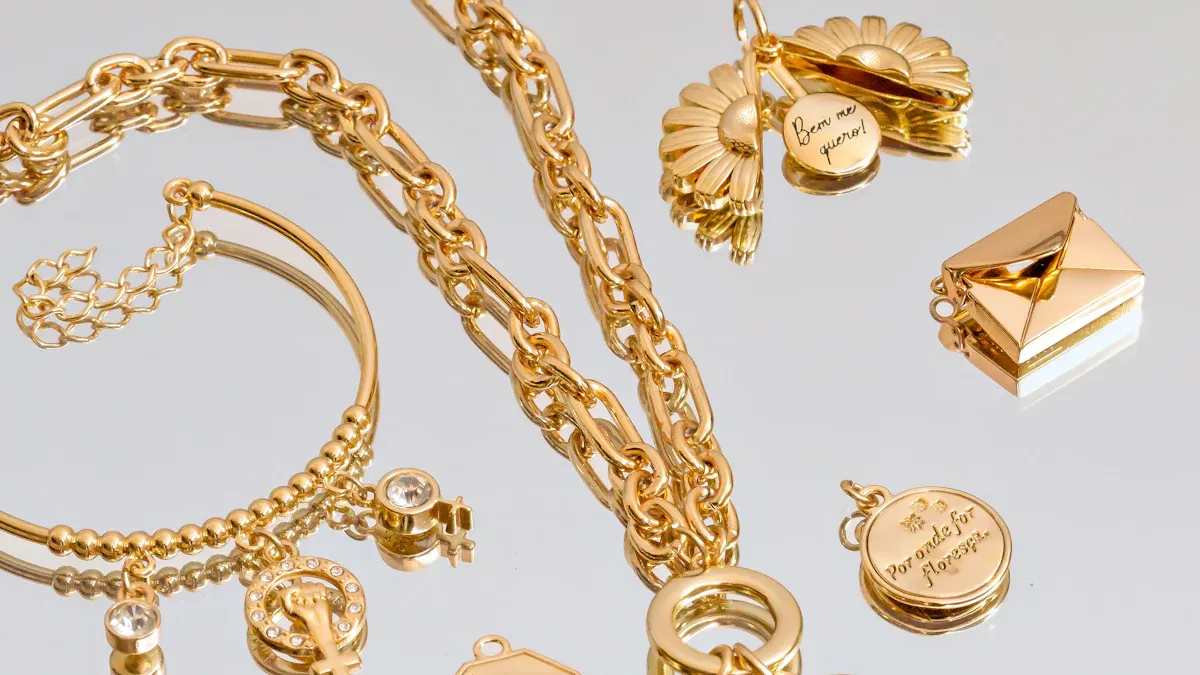
Gold is one of the most sought-after metals in jewelry making. Its unique properties make it a favorite among jewelers and consumers alike. Here are some key characteristics of gold:
Malleability: Gold can be easily shaped and molded. This property allows jewelers to create intricate designs and detailed patterns.
Inertness: Gold does not tarnish or corrode. This means your gold jewelry will maintain its beauty over time without requiring constant upkeep.
Rarity: Gold is a precious metal, making it valuable and desirable. Approximately 75% of all mined gold is used in jewelry, highlighting its primary application.
Historically, gold has held significant meaning across various cultures. In Ancient Egypt, it symbolized immortality and divine favor. Pharaohs were often buried with gold artifacts to ensure their safe passage to the afterlife. The Roman Empire viewed gold as a status symbol, with only certain classes allowed to wear gold rings. Similarly, Pre-Columbian civilizations like the Incas and Aztecs considered gold sacred, linking it to the sun and using it in religious ceremonies.
Gold Advantages
Gold offers several advantages that make it a top choice for jewelry:
Property | Advantage |
|---|---|
Malleability | Enables creation of intricate designs and secure gemstone settings, enhancing durability and aesthetics. |
Ductility | Allows for fine wire designs and easy repairs, contributing to longevity and structural integrity. |
Luster | Maintains a lasting shine, enhancing the visual appeal and perceived value of jewelry. |
Rarity | Increases desirability and value, making gold jewelry a symbol of wealth and distinction. |
Color | Offers aesthetic versatility and enhances the brilliance of gemstones, appealing to diverse tastes. |
Gold’s inherent luster is a key factor in its desirability. This quality not only enhances the visual appeal of the pieces but also amplifies the brilliance of any gemstones set within. Unlike other metals that may tarnish, gold retains its shine, simplifying maintenance and preserving aesthetic value over time.
Gold Disadvantages
Despite its many advantages, gold does have some drawbacks:
Type of Gold | Disadvantages |
|---|---|
Hollow Gold | Less durable, susceptible to dents and scratches, repair challenges, lower perceived value |
Solid Gold | Heavier, more expensive |
Higher karat gold, such as 24 karat gold, is softer and more prone to scratching. This makes it less suitable for everyday wear compared to lower karat options like 14 karat gold, which offers greater durability. While solid gold jewelry is a sound investment, it can be heavier and more costly.
Gold Uses
Gold is incredibly versatile and is used in various types of jewelry. Some popular items include:
Jewelry Item | Description |
|---|---|
N+A Shooting Star Ring Sapphire | A special-occasion ring featuring six sapphires on a 14k gold band, available in yellow, rose, or white gold. |
Gorjana 14k Gold Bespoke Signet Ring | A modern signet ring made of 14k solid gold, with an oval face that can be engraved. |
Oak and Luna Initial Lock Necklace | A delicate 14k solid gold necklace with a tiny padlock that can be personalized with engravings. |
Gold’s malleability allows artisans to create complex and detailed forms that are difficult to achieve with harder metals. This quality enables jewelers to draw gold into fine wires or hammer it into ultra-thin sheets, essential for crafting delicate filigree, ornate latticework, and detailed engravings that define high-end jewelry.
Silver Jewelry
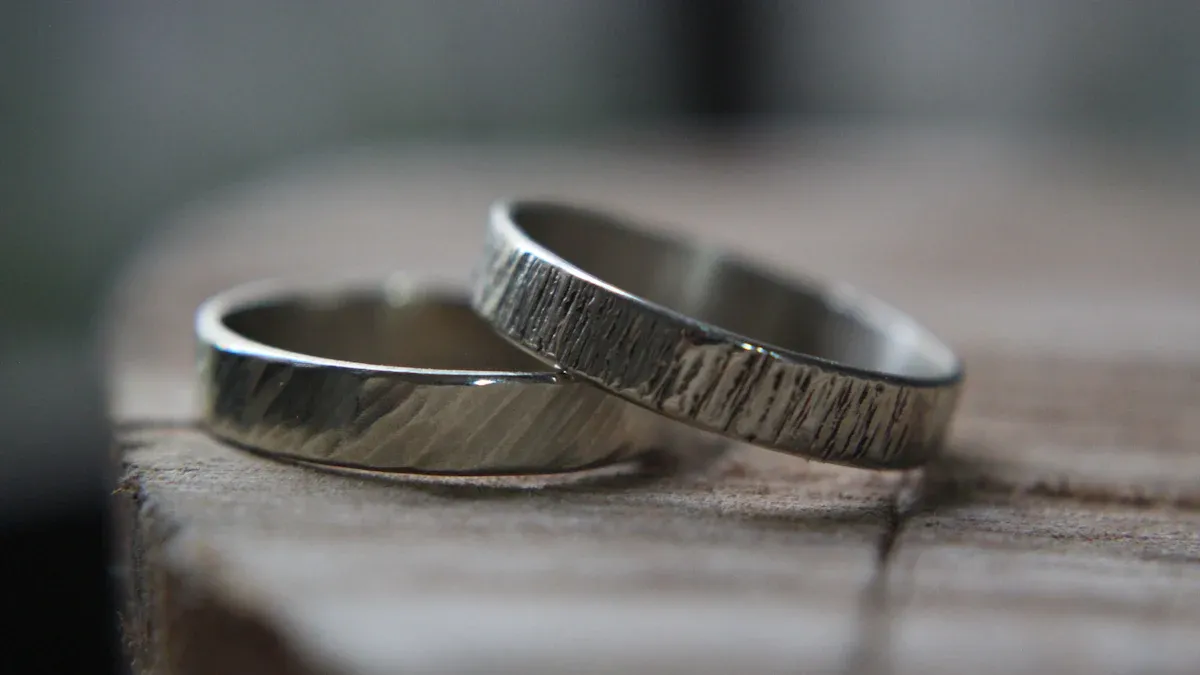
Silver Properties
Silver is a popular choice in jewelry due to its unique properties. Here are some key characteristics that make silver an excellent material for crafting jewelry:
Brilliant Shine: Silver has a high level of reflectivity, which allows it to beautifully catch and reflect light. This quality enhances its visual appeal, making silver jewelry a favored choice for various designs.
Malleability and Workability: Silver is relatively soft and can be easily shaped into intricate designs. Jewelers appreciate this property, as it allows them to create detailed engravings and complex textures.
Resistance to Oxidation: Silver is a relatively unreactive metal. It does not easily corrode, but it can tarnish when exposed to sulfur compounds, forming silver sulfide (Ag₂S). This requires regular maintenance to keep its shine.
Silver Advantages
Silver jewelry offers several advantages that make it a popular choice among consumers:
Affordability: Sterling silver is relatively affordable compared to other precious metals. This accessibility allows you to build a diverse jewelry collection without overspending.
Versatility: Silver jewelry complements a wide range of styles and outfits. Its ability to take on various finishes allows for creative designs that can match different wardrobe pieces.
Timeless Appeal: Silver has a classic look that never goes out of style. You can wear it for any occasion, from casual outings to formal events.
Silver Disadvantages
While silver jewelry has many benefits, it also comes with some drawbacks:
Tarnishing: Silver is prone to oxidation, which can lead to tarnishing. A black layer of silver oxide may form on the surface, requiring regular cleaning to maintain its luster.
Sensitivity to Moisture: Silver jewelry is sensitive to moisture. Exposure to water, especially when containing chlorine or salt, can accelerate tarnishing and dull the shine. Proper care, such as drying jewelry after moisture exposure, can help prolong its life.
Chemical Reactions: Silver can react with chemicals found in cosmetics, detergents, and perfumes. This can cause discoloration or corrosion, so it’s essential to remove silver jewelry before applying these products.
Silver Uses
Silver has a long history in jewelry making and is utilized in various forms, including:
Rings: Silver rings are popular for both casual and formal wear. Their malleability allows for intricate designs and personalized engravings.
Necklaces: Silver necklaces can range from simple chains to elaborate pendants. Their versatility makes them suitable for layering or wearing alone.
Bracelets: Silver bracelets come in many styles, from delicate bangles to chunky cuffs. They can easily complement other jewelry pieces.
Silver jewelry remains a timeless choice for those who appreciate its beauty and versatility. Whether you prefer classic designs or modern styles, silver offers something for everyone.
Platinum Jewelry
Platinum Properties
Platinum is a rare and premium metal, making it a top choice for fine jewelry. Here are some defining properties of platinum:
Rarity: Platinum is rarer than gold, with a concentration of only 5 parts per billion in the Earth’s crust. This scarcity contributes to its high value.
Durability: Platinum has unsurpassed holding power and durability. It resists scratches and wear, making it ideal for everyday jewelry.
Corrosion Resistance: Platinum does not tarnish, ensuring that your jewelry maintains its shine over time. This quality makes it a low-maintenance option.
Platinum Advantages
You will find several advantages when choosing platinum jewelry:
Hypoallergenic: Platinum is suitable for individuals with sensitive skin. It reduces the risk of allergic reactions, allowing you to wear it comfortably.
Timeless Investment: Platinum retains its original appearance, making it a valuable addition to your collection. Its strength allows for intricate designs without compromising integrity.
Weight and Feel: The density of platinum gives it a substantial weight, which many wearers associate with luxury. This weight enhances the feel of the jewelry, providing a constant reminder of its quality.
Platinum Disadvantages
While platinum has many benefits, it also has some drawbacks:
High Cost: Platinum is one of the most expensive metals for jewelry. Its rarity and complex refinement process contribute to its price.
Scratching: Although durable, platinum can develop scratches over time. Some people appreciate the natural patina that forms, while others may prefer a flawless finish.
Platinum Uses
Platinum is commonly used in various types of jewelry, including:
Engagement rings
Wedding bands
Earrings
Necklaces
Bracelets
Pendants
Platinum jewelry is a beautiful and lasting choice for any occasion. Its unique properties and timeless appeal make it a favorite among those who appreciate quality and elegance.
Stainless Steel in Jewelry
Stainless Steel Properties
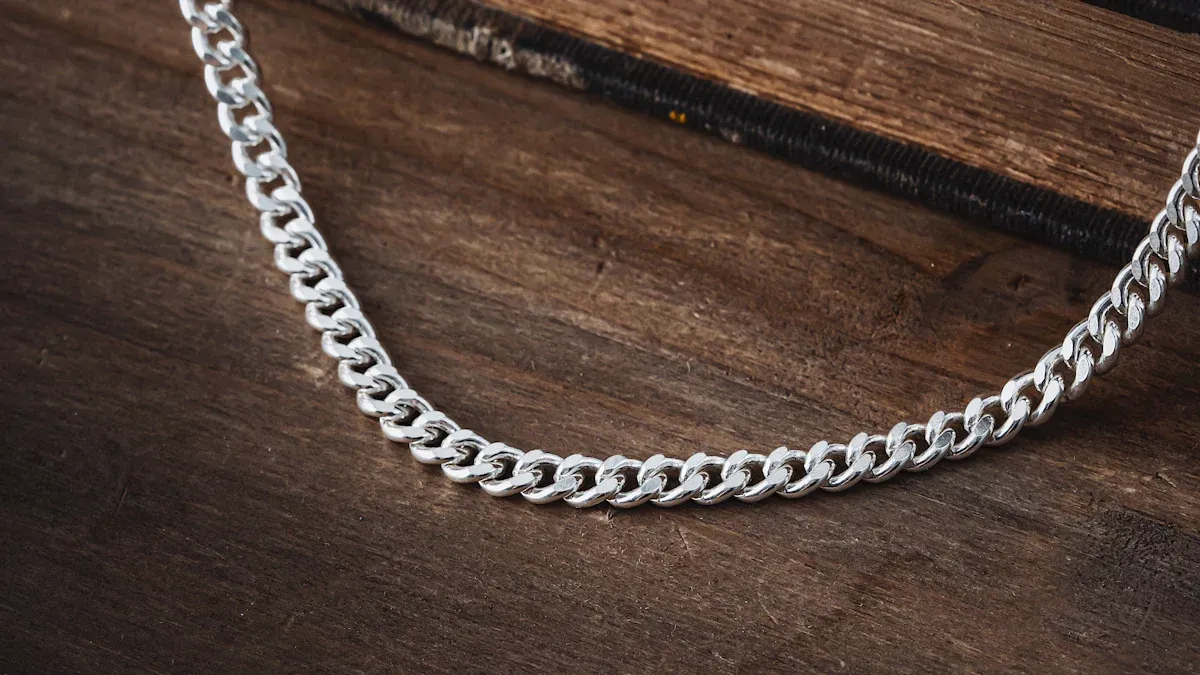
Stainless steel is a practical choice for jewelry due to its unique properties. Here are some key characteristics that make it suitable for jewelry manufacturing:
Property | Description |
|---|---|
Corrosion Resistance | Stainless steel is resistant to corrosion, especially when alloyed with chromium and molybdenum. |
Durability | The sheer strength of stainless steel contributes to its long-lasting nature in jewelry. |
Hypoallergenic Qualities | 316 stainless steel is hypoallergenic, making it suitable for those with sensitive skin. |
Aesthetic Appeal | The shine and finish of stainless steel make it visually appealing for fashion accessories. |
Stainless Steel Advantages
You will find several advantages when choosing stainless steel jewelry:
Affordability: Stainless steel jewelry is much more affordable than precious metals like gold and platinum. This allows you to experiment with different styles without financial strain.
Durability: This durable metal is resistant to scratches, dents, and corrosion. It is perfect for everyday wear, ensuring your jewelry maintains its shine and color over time.
Low Maintenance: Stainless steel requires minimal routine cleaning. A simple wipe with a soft cloth can keep it looking new.
Stainless Steel Disadvantages
While stainless steel has many benefits, it also has some drawbacks:
Limited Color Options: Unlike gold or silver, stainless steel typically comes in a cooler tone. This may not appeal to everyone.
Weight: Some people find stainless steel jewelry heavier than other metals. This can be uncomfortable for those who prefer lightweight pieces.
Stainless Steel Uses
Stainless steel jewelry is versatile and used in various forms, including:
Rings: Stainless steel rings are popular for their durability and modern look.
Necklaces: These can range from simple chains to intricate pendants, suitable for casual or formal occasions.
Bracelets: Stainless steel bracelets come in many styles, from sleek bangles to chunky cuffs.
Stainless steel jewelry offers a blend of practicality and style. Its durability and affordability make it an excellent choice for anyone looking to enhance their collection without breaking the bank.
Choosing the right jewelry metal involves understanding each material’s unique traits. Here’s a quick summary:
Gold: Offers beauty and value but can be expensive and soft.
Silver: Affordable and versatile but requires regular polishing to prevent tarnish.
Platinum: Durable and hypoallergenic, making it ideal for sensitive skin, but it comes at a higher cost.
Stainless Steel: Budget-friendly and low-maintenance, perfect for active lifestyles.
Consider your personal style, budget, and lifestyle when selecting the right jewelry metal. Each option has its strengths and weaknesses, so choose what fits you best!
Metal | Maintenance Needs |
|---|---|
Silver | Requires regular polishing to prevent tarnish |
Platinum | Needs minimal care to maintain luster |
Metal | Typical Cost Comparison |
|---|---|
Platinum | More expensive than silver and stainless steel |
Gold | Generally expensive compared to silver and stainless steel |
Metal | Lifestyle Suitability |
|---|---|
Platinum | Suitable for manual work due to hardness |
Stainless Steel | Good for rigorous activities to prevent damage |
Metal | Hypoallergenic Properties |
|---|---|
Platinum | Less likely to cause skin irritation |
Stainless Steel | Hypoallergenic, suitable for sensitive skin |
FAQ
What is the difference between gold and gold-plated jewelry?
Gold jewelry contains a specific percentage of gold, while gold-plated jewelry has a thin layer of gold over another metal. Gold-plated items are less expensive but may wear off over time.
How can I prevent silver jewelry from tarnishing?
To prevent tarnishing, store silver jewelry in a cool, dry place. Use anti-tarnish pouches or cloths. Regularly clean your pieces with a soft cloth to maintain their shine.
Is platinum worth the investment?
Yes, platinum is a rare and durable metal. Its hypoallergenic properties and timeless appeal make it a valuable investment for fine jewelry, especially for engagement rings and wedding bands.
Can stainless steel jewelry cause skin irritation?
Most stainless steel jewelry is hypoallergenic, especially 316 stainless steel. However, some individuals may still experience irritation due to allergies to nickel or other metals in the alloy.
How do I clean my stainless steel jewelry?
To clean stainless steel jewelry, use warm water and mild soap. Gently scrub with a soft cloth or toothbrush. Rinse thoroughly and dry with a soft towel to maintain its shine.