Choosing the right engagement ring is a big deal, and that’s why having an Engagement Ring Buying Guide can be incredibly helpful. This ring symbolizes love and commitment, so you want to make a choice that feels just right. Factors like the ring’s setting, diamond shape, and your budget can all play a role in this decision. Did you know that the average spending on engagement rings has gone up? In 2019, people spent about $7,400, but by 2022, that number jumped to $9,500! This trend shows that many folks are leaning towards higher-quality pieces. With so many options out there, an Engagement Ring Buying Guide will help you feel confident in your choice.
Key Takeaways
Understand different engagement ring settings like solitaire, halo, and vintage to find the style that suits you and your partner.
Explore various diamond shapes, such as round, princess, and emerald, to choose one that reflects your personal taste.
Set a realistic budget by evaluating your finances and discussing priorities with your partner to ensure a smooth buying process.
Focus on the cut of the diamond for maximum sparkle, and consider near-colorless stones for better value.
Engagement ring shopping should be a fun experience; communicate openly with your partner to make a choice that tells your love story.
Engagement Ring Settings
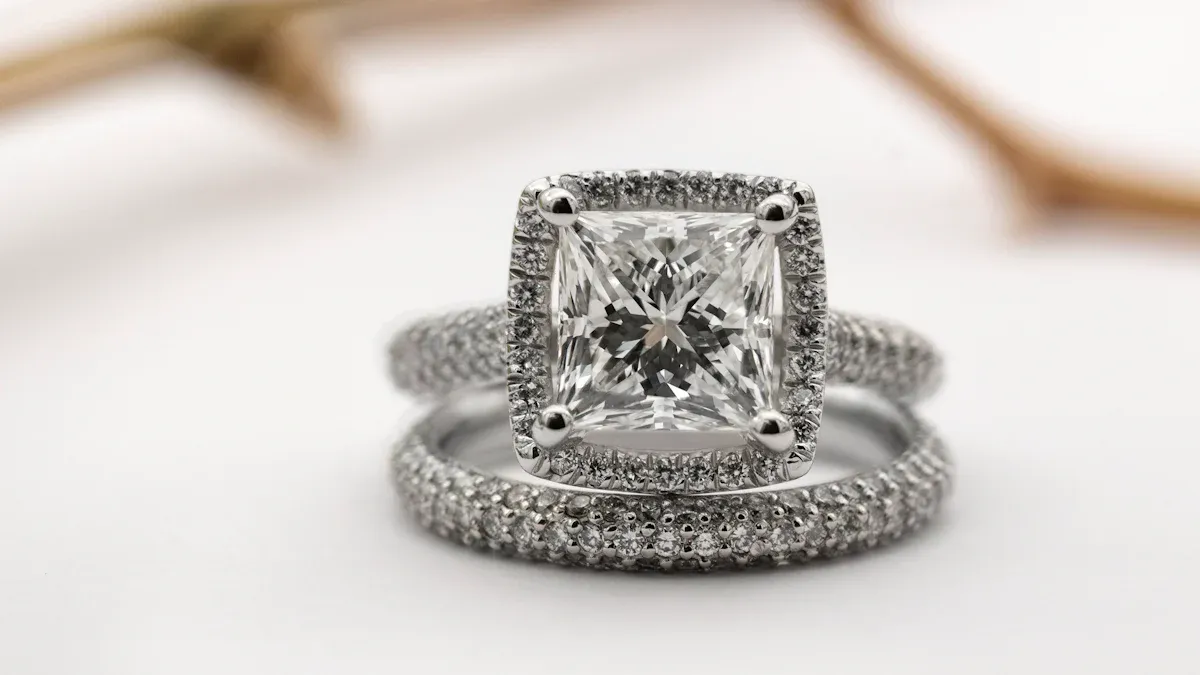
When it comes to engagement rings, the setting plays a crucial role in defining the ring’s overall look and feel. Each setting has its unique charm and can dramatically influence how the diamond or gemstone appears. Let’s explore some popular engagement ring settings that you might consider.
Solitaire
The solitaire setting is a classic choice that features a single diamond. This design emphasizes the beauty of the diamond itself. Here are some key characteristics of solitaire rings:
A solitaire ring contains only one stone, making it a timeless option.
The band is usually plain or minimally adorned, allowing the diamond to take center stage.
Prong settings are the most common type used, holding the diamond securely while maximizing light entry.
Did you know? The term ‘solitaire’ comes from the Latin word ‘solitarius,’ meaning ‘alone’ or ‘solitary.’ This setting truly highlights the diamond’s brilliance.
Advantages of Solitaire Settings | Disadvantages of Solitaire Settings |
|---|---|
Classic appeal | Less visual sparkle |
Maximum diamond focus | More exposed center stone |
Versatile styling | Can feel minimal for some |
Customization options | Visible wear over time |
Easy maintenance |
Halo
The halo setting surrounds the center diamond with smaller stones, creating a stunning visual effect. This design not only enhances the size of the center stone but also adds extra sparkle. Here are some popular shapes used in halo settings:
Round
Oval
Cushion
Pear
Emerald
Princess
Heart
Radiant
Marquise
The halo setting is perfect if you want a ring that stands out and catches the eye. It offers a beautiful blend of elegance and glamour.
Three-Stone
The three-stone setting symbolizes the past, present, and future of your relationship. This design features a larger center stone flanked by two smaller stones. Here’s what makes it special:
Symbolism | Meaning |
|---|---|
Past | Represents the history of the relationship |
Present | Symbolizes the current state of the relationship |
Future | Signifies the hopes and dreams for the future of the relationship |
Three-stone settings provide a balanced visual effect that elongates the finger. They offer a deeper narrative significance compared to the minimalist appeal of solitaires and the sparkle of halos.
Vintage
Vintage engagement rings draw inspiration from different eras, showcasing intricate designs and unique details. Here are some defining characteristics of vintage rings:
Vintage Ring Style | Key Design Elements |
|---|---|
Halo Ring | Features a circle of secondary stones surrounding the primary gemstone, popular since the 1700s. |
Tiffany Prong Setting | Simple 6-prong mounting that lifts a single diamond high above the finger, introduced in the late 19th century. |
Three-Stone Ring | Showcases three larger gemstones, typically with a larger center stone, associated with Georgian and Victorian eras. |
East-West Ring | Crafted to support a horizontal design, flipping the traditional vertical placement of the gemstone. |
Crown Mounting Ring | Features a crown-like design holding the center diamond, popular in Georgian and Victorian rings. |
Serpent Motif Ring | Displays a snake-like structure, popular during the Victorian era, often used as cocktail rings. |
Floral Ring | Incorporates floral and organic designs, heavily featured during the Georgian, Edwardian, and Art Nouveau eras. |
Vintage rings often carry a sense of history and romance, making them a meaningful choice for many couples.
Choosing the right setting for your engagement ring is essential. Each style offers something unique, so consider what resonates with you and your partner. Whether you prefer the classic elegance of a solitaire, the sparkle of a halo, the symbolism of a three-stone, or the charm of vintage designs, there’s a perfect setting out there for you.
Diamond Shapes in Engagement Rings
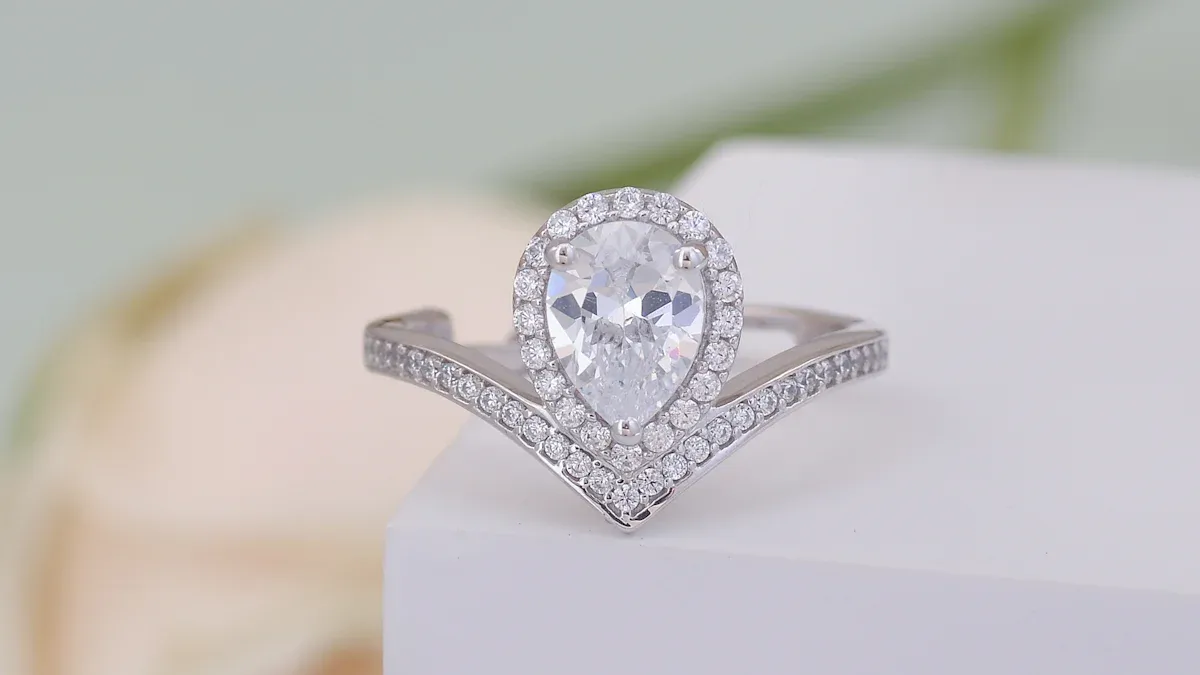
When it comes to choosing the perfect engagement ring, understanding diamond shapes is essential. Each shape offers a unique style and can influence how the ring looks on your finger. Let’s dive into some popular diamond shapes and what makes them special.
Round Cut
The round cut is the most popular choice for engagement rings, accounting for about 75% of all diamonds sold. Its circular shape maximizes brilliance and sparkle, thanks to its 58 facets. This cut is known for its exceptional optical performance, making it a top pick for many couples. If you want a classic look that never goes out of style, the round brilliant cut is your best bet.
Princess Cut
The princess cut has gained popularity since its introduction in the 1960s. This shape features a square or rectangular design with sharp corners, offering a modern and geometric aesthetic. With 57 to 76 facets, it provides exceptional brilliance and fire. Plus, princess cut diamonds are generally more affordable than round cuts, making them a smart choice for budget-conscious buyers.
Feature | Princess Cut | Other Cuts (e.g., Asscher, Cushion) |
|---|---|---|
Shape | Square or rectangular with sharp corners | Varies (e.g., rounded, step cut) |
Facets | 57 or 76 facets for brilliance | Varies (e.g., fewer facets) |
Aesthetic | Modern, geometric appearance | Softer, more traditional shapes |
Brilliance | Exceptional sparkle and fire | Varies, often less pronounced |
Oval Cut
The oval cut is a stunning choice that creates an illusion of longer, more slender fingers. This shape is particularly flattering for those with shorter or wider fingers. The elongated design leads the eye along the length of the finger, enhancing overall elegance. If you’re looking for a unique twist on the classic round cut, the oval shape is a fantastic option.
Emerald Cut
Emerald cut diamonds are known for their elegant, rectangular shape and large, open facets. This cut emphasizes clarity, making it crucial to choose a high-quality stone. The stepped design can expose minor flaws, so aim for a higher clarity grade to ensure an eye-clean look. Emerald cuts offer a sophisticated and timeless appeal, perfect for those who appreciate understated elegance.
Understanding these diamond shapes can help you find the perfect engagement ring that reflects your style and personality. Whether you lean towards the classic round brilliant, the modern princess cut, the elegant oval, or the sophisticated emerald cut, each shape has its charm.
Budgeting for Buying an Engagement Ring
Setting a budget for an engagement ring can feel overwhelming, but it doesn’t have to be. You want to find a ring that reflects your love without breaking the bank. Here are some tips to help you set a realistic budget.
Setting a Realistic Budget
Before you start shopping, take a moment to assess your financial situation. Here’s how to get started:
Evaluate your finances: Look at your income, savings, and any debts you may have. Understanding your financial landscape will help you determine what you can afford.
Be flexible: While some say you should spend two to three months’ salary, adapt this rule to fit your personal circumstances. What matters most is what feels right for you.
Identify priorities: Think about what features are most important to you. Is it the diamond’s size, the setting style, or perhaps the metal type? Knowing your priorities can help you make informed choices.
Discuss with your partner: Having an open conversation about the budget can align expectations and make the buying process smoother.
In 2025, the average amount spent on engagement rings in the U.S. is around $6,800, which is a 12% increase from the previous year. Another source suggests an average budget of $8,580. These figures can serve as a helpful benchmark as you set your own budget.
Factors Affecting Price
Several factors can significantly influence the cost of an engagement ring. Here’s a breakdown of what to consider:
Factor | Description |
|---|---|
Stone | The centerpiece is often the most expensive part of the ring. |
Setting | The style of the setting can add hundreds or thousands to the overall cost. |
Sizing | Resizing costs can vary; simple adjustments may be as low as $50. |
Sales Tax | Typically between 4% and 7%, which can increase the total price. |
Customization | Custom designs can help you stay within budget; they aren’t always high-cost. |
Alternative Stones | Consider options like rubies or sapphires, which can be less expensive than diamonds. |
Personal Style | The recipient’s style should guide your choice, impacting the overall cost. |
Trusted Partner | Choosing a reputable jeweler ensures quality and fair pricing. |
Prioritizing Features
When you’re on a budget, it’s essential to prioritize features that matter most. Here are some tips to help you make the best choice:
Focus on the cut of the diamond for maximum brilliance. A well-cut diamond will sparkle beautifully, even if it’s smaller.
Opt for near-colorless diamonds (grades G–H) for better value. They look white without the premium price of colorless stones.
Consider using gold instead of platinum for a more budget-friendly metal option. Gold offers a classic look at a lower cost.
Understanding the 4 Cs of diamonds—cut, color, clarity, and carat—can also help you make informed decisions. For example, the color of a diamond ranges from D (colorless) to Z (showing color). Grades G and H provide excellent value as they appear white without the higher price tag of colorless diamonds. When it comes to clarity, look for VS2 and SI1 grades, which are typically eye-clean and more affordable than flawless diamonds.
By keeping these factors in mind, you can find an engagement ring that fits your budget while still being beautiful and meaningful.
Choosing the perfect engagement ring is all about you and your partner’s unique style. Remember these key points:
Your ring should reflect your partner’s personal style.
Consider the proposal setting; it can influence the ring’s durability and style.
Communication is vital. Talk with your partner about preferences and options.
Engagement ring shopping should be a fun and personal experience. Explore different styles together, and let your love story shine through in your choice! 💍