Pearl jewelry captivates with its elegance and beauty, making it a central focus of our Pearl Jewelry Guide. Its timeless appeal has made it a favorite across cultures and generations. Pearls symbolize wealth, purity, and sophistication. In ancient China, they represented protection against fire and dragons, while in Hindu mythology, they embodied feminine energy. Understanding the different types of pearls and how to assess their quality, as outlined in our Pearl Jewelry Guide, enhances your appreciation of these gems. With global sales reaching $529.6 billion in 2024, the pearl jewelry market continues to grow. You can ensure your pearls last by following proper care practices highlighted in the Pearl Jewelry Guide.
Key Takeaways
Understand the difference between cultured and natural pearls. Cultured pearls are more common and affordable, while natural pearls are rare and highly valued.
Assess pearl quality by focusing on luster, surface quality, shape, size, and color. High-quality pearls have a sharp reflection and minimal blemishes.
Choose pearl jewelry styles that suit your personal taste and occasion. Consider necklace lengths, earring shapes, and bracelet designs for a perfect match.
Care for your pearls by cleaning them gently and storing them properly. Use a soft cloth and avoid harsh chemicals to maintain their beauty.
Regularly wear your pearls to keep them moisturized and vibrant. Remove them during strenuous activities to prevent damage.
Types of Pearls
Cultured Pearls
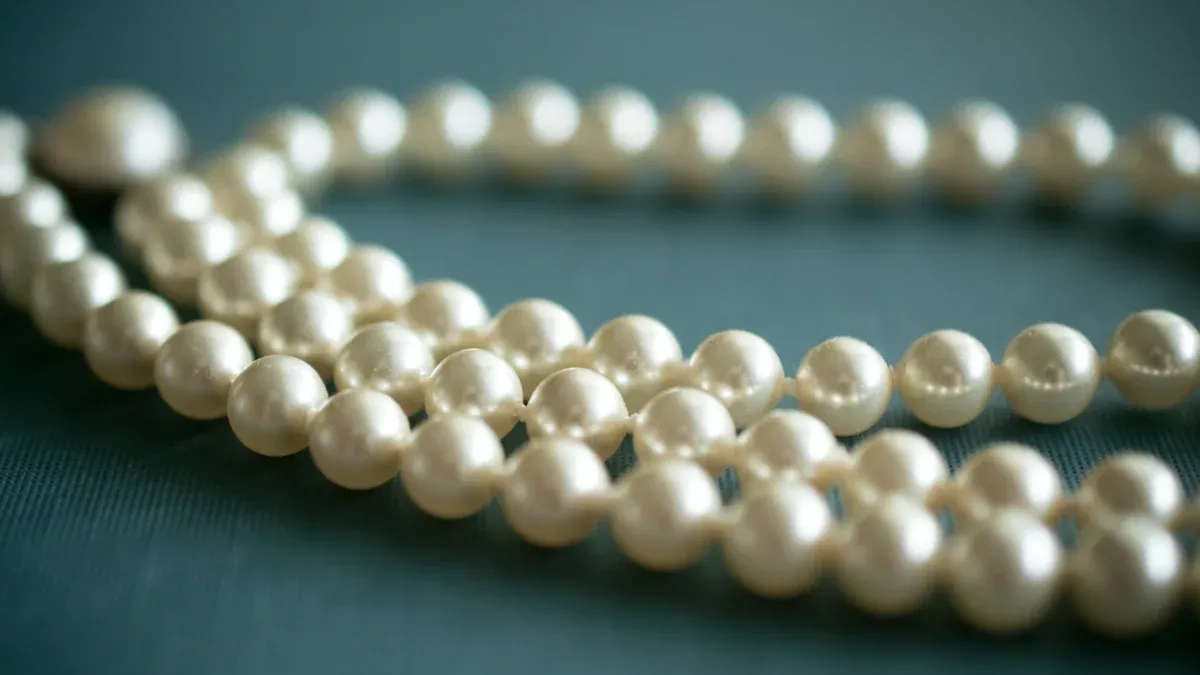
Cultured pearls are the result of human intervention in the natural pearl formation process. You can find these pearls in various types, including Akoya, South Sea, and Tahitian pearls. The cultivation process involves several steps:
Hatchery: Farmers select parent oysters to breed pearl-producing oysters.
Grafting: A bead nucleus and a piece of mantle tissue are inserted into the oyster.
Post-Operation: After grafting, oysters recover for about three months.
Cultivation Period: Over two to three years, oysters deposit layers of nacre around the nucleus.
Harvest: Farmers extract the pearls after four to five years of care.
Cultured pearls are more common than natural pearls. They are also generally more affordable, making them a popular choice for pearl jewelry. Prices for cultured pearls have increased significantly in recent years, influenced by demand and supply constraints.
Natural Pearls
Natural pearls form spontaneously without human intervention. They occur when an irritant enters an oyster, prompting it to produce nacre. However, natural pearls are exceedingly rare. In fact, less than 1 in 10,000 wild oysters produces a natural pearl. This rarity makes them highly sought after and often found in antique jewelry or auctions. Due to their scarcity, natural pearls can be up to a hundred times more expensive than cultured pearls.
Freshwater vs. Saltwater
When it comes to freshwater and saltwater pearls, there are key differences in their appearance, cultivation, and durability.
Feature | Freshwater Pearls | Saltwater Pearls |
|---|---|---|
Luster | Softer, more subtle luster | High, mirror-like luster |
Shape | Varied, often near-round | Usually perfectly round |
Color | Natural pastels (pink, lavender, peach) | Limited color range |
Durability | More durable, less likely to chip/peel | Thinner nacre, more fragile |
Freshwater pearls are cultivated in lakes and rivers, primarily in China. They can produce multiple pearls per mollusk, ranging from 6 to 120. In contrast, saltwater pearls are grown in oceans, specifically in protected bays and lagoons. They typically produce only one pearl in their lifetime.
The environmental impact of harvesting natural pearls has been significant. Historical evidence shows that destructive harvesting methods led to a decline in pearl production and increased extraction costs. This overexploitation caused a collapse of oyster populations, creating a cycle of environmental degradation.
Pearl Quality
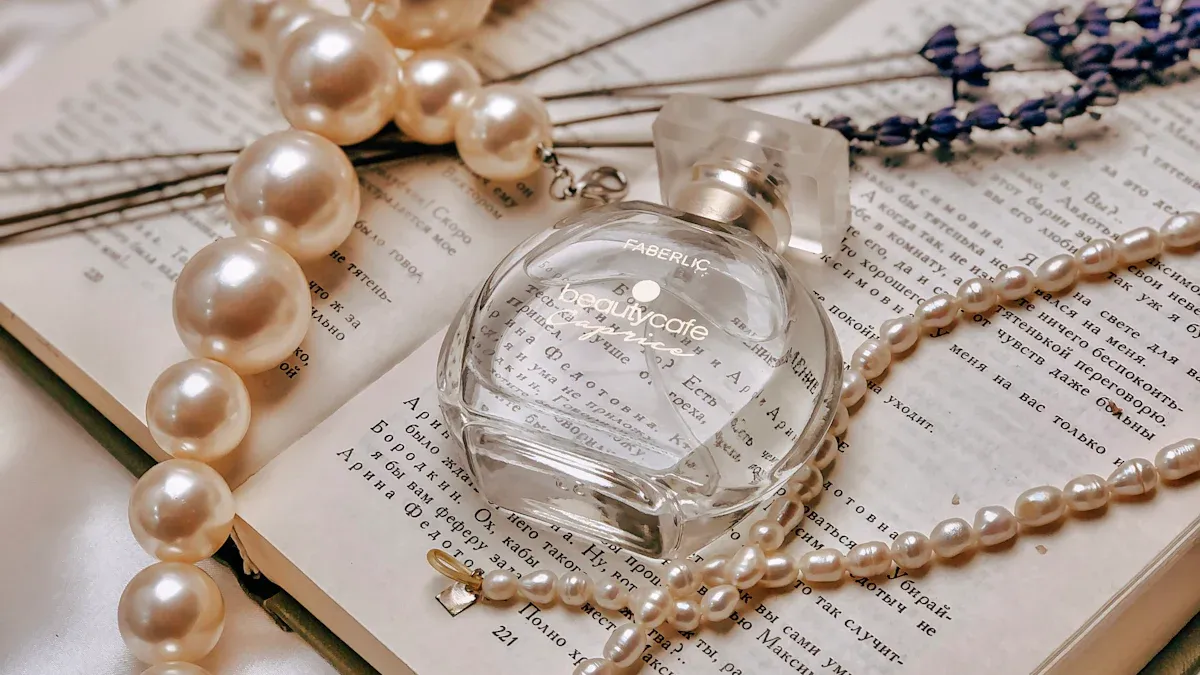
When you choose pearl jewelry, understanding pearl quality is essential. Several key factors determine the quality of pearls, including luster, surface quality, shape and size, and color. Each of these elements plays a significant role in the overall appeal and value of the pearls you select.
Luster
Luster is the most critical factor in assessing pearl quality. It reflects how light interacts with the pearl’s surface and the nacre layers beneath. High-quality pearls exhibit a sharp, mirror-like reflection, which enhances their beauty. The thickness of the nacre contributes to this luster. Thicker nacre layers allow light to travel through, creating a radiant inner glow. Pearls with high luster are more desirable and command higher prices in the market.
Remember, when evaluating pearls, prioritize those with the best luster. This quality often signifies healthy growth conditions and superior craftsmanship.
Surface Quality
Surface quality reveals the presence of blemishes that may affect the pearl’s beauty. Common surface imperfections include abrasions, bumps, chips, and scratches. These blemishes can significantly impact the pearl’s overall appearance and value.
Blemish Type | Description |
|---|---|
Clean | No blemishes or very tiny characteristics not visible without equipment. |
Lightly spotted | Minor imperfections visible to a trained grader. |
Moderately spotted | Visible blemishes, a couple of noticeable spots. |
Heavily spotted | Obvious surface imperfections. |
When selecting pearls, look for those with minimal surface blemishes. Clean pearls will enhance the elegance of your jewelry.
Shape and Size
The shape of a pearl affects its desirability. Round pearls are generally the most sought after, as they symbolize perfection. However, other shapes like teardrop and baroque can also be beautiful and unique.
Size plays a crucial role in market value. Larger pearls are rarer and more valuable. The value can increase by 20% to 30% for each additional millimeter in diameter. Pearls larger than 10 millimeters are particularly prized. When choosing pearl jewelry, consider both the shape and size to find pieces that resonate with your style.
Color
Pearls come in a stunning array of colors, influenced by the type of oyster and the nacre’s thickness. White pearls symbolize purity, while colored pearls can represent individuality and rarity. For example, pink pearls are cherished in Asian cultures as symbols of love, while black pearls are seen as symbols of wisdom in Polynesian cultures.
The color variations arise from the presence of certain metal ions and organic pigments. For instance, purple pearls often correlate with magnesium and manganese, while orange pearls have higher iron concentrations. Understanding these color dynamics can help you select pearls that align with your personal taste and cultural significance.
Selecting Pearl Jewelry
Choosing the right pearl jewelry can enhance your style and make a statement. Here are some popular styles and considerations for selecting pearl pieces.
Necklace Styles
When it comes to pearl necklaces, several styles stand out. Here are some popular options:
Layered pearl necklaces
Gold detailing
Baroque pearls
Selecting the right necklace length is also crucial. Different lengths suit various occasions. Check out the table below for guidance:
Necklace Length | Description | Suitability |
|---|---|---|
16-inch | Choker | Close to the neck, ideal for casual wear |
18-inch | Princess | Most popular, versatile for many outfits |
20-inch | Matinee | Suitable for business and semi-formal wear |
24-inch | Matinee | Adds elegance, good for formal occasions |
35-36 inch | Opera | Dramatic, suitable for evening wear |
51 inches and up | Rope | Long and dramatic, great for layering |
The 18-inch princess length is often referred to as the “modern classic.” It flatters various outfits, making it a versatile choice.
Earring Options
Pearl earrings come in many styles, each complementing different face shapes. Here are some popular options:
Triangle Face Shape: Pearl Stud Earrings, Drop Earrings with a Single Pearl, Pearl Hoop Earrings
Diamond Face Shape: Stud Earrings, Drop Earrings with a Rounded Base, Chandelier Earrings
Square Face Shape: Round Pearl Studs, Drop Earrings with Round Pearls, Oval Pearl Earrings
Round Face Shapes: Long Drop Pearl Earrings, Pearl Dangle Earrings, Angular Pearl Earrings
When choosing pearl earrings, consider your face shape to find the most flattering style.
Bracelet Choices
Pearl bracelets offer a variety of designs to suit different tastes. Here are some popular styles:
Classic Pearl Bracelets: Feature round or off-round pearls on silk thread.
Multi-Layer Designs: Statement pieces ideal for special occasions.
Leather Pearl Bracelets: Casual and chic, suitable for various outfits.
When selecting a pearl bracelet, pay attention to the clasp design. A secure clasp ensures your bracelet stays in place. Here’s a quick overview of clasp types:
Clasp Type | Security Impact | Wearability Impact |
|---|---|---|
Lobster Clasp | High security, easy to use | User-friendly, quick to fasten |
Box Clasp | Secure but may require dexterity | Streamlined appearance, less user-friendly |
Toggle Clasp | Decorative but can be less secure | Easy to use, adds style |
Choosing the perfect pearl jewelry involves considering styles, lengths, and personal preferences. With these tips, you can confidently select pieces that enhance your collection.
How to Care for Pearls
Caring for your pearls is essential to maintain their beauty and longevity. Here are some practical pearl care tips to help you keep your jewelry in top condition.
Cleaning Tips
To clean your pearls effectively, follow these steps:
Wipe down pearls with a dry polishing cloth after each wear. This removes oils and pollutants that can dull their shine.
Use a damp microfiber cloth to gently clean pearls. Avoid scrubbing, as this can scratch their surface.
For metal settings, use a cotton swab with jewelry cleaner or rubbing alcohol. Be careful not to let the cleaner touch the pearls.
Never submerge pearls in water. Doing so can cause damage to their nacre.
Avoid using harsh cleaning products like vinegar or bleach. These can erode the pearl’s surface and weaken its structure.
Storage Guidelines
Proper storage is crucial for preserving your pearls. Here are some effective storage practices:
Store pearls in a soft pouch made from natural fibers. This prevents scratches and keeps them safe from hard items.
Avoid airtight containers. Pearls need some moisture to maintain their luster. Storing them in a dry environment can lead to brittleness.
Keep pearls in a cool, dry place. Extreme temperatures and humidity can damage their quality.
Fasten clasps or pins before storage. This prevents them from rubbing against sharp objects.
Avoiding Damage
To protect your pearls from everyday wear and tear, consider these tips:
Remove pearl jewelry before engaging in strenuous activities. Sweat can dull their luster.
Avoid wearing pearls while using household cleaners or applying cosmetics. Chemicals can harm their surface.
Take off pearls before showering or swimming. Water exposure can weaken their structure.
Limit exposure to sunlight. UV rays can cause discoloration and loss of luster over time.
By following these pearl care guides, you can ensure your pearls remain beautiful for years to come.
Pearl jewelry holds timeless beauty and value. You can enjoy your pieces for years by following proper care instructions. With adequate care, your pearls can last a lifetime and even be passed down through generations.
Regular maintenance preserves the luster and beauty of pearls.
Proper care prevents damage from harmful substances.
Frequent wear helps retain moisture, preventing yellowing or dullness.
The better you care for your pearls, the longer they will maintain their original color and charm. Appreciate your pearl jewelry and treat it with the love it deserves.