

You want coverage that sits flat, blends cleanly, and holds up through a workday, a night out, or a long event without turning chalky or heavy. Tattoo cover products live in a tricky space, because the right shade match and texture matter just as much as raw opacity. This roundup keeps the focus on practical use, so you can choose a stick, cream, liquid, or palette that fits your skin, your pace, and how much layering you’re willing to do.
The Shortlist At A Glance

Dermablend Quick Fix Concealer Stick

Dermablend Quick Fix Concealer Stick


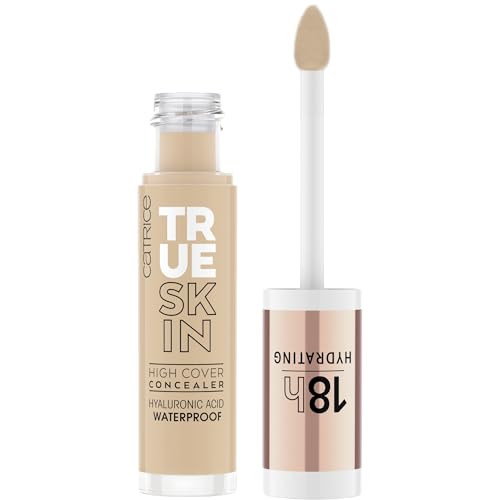
Catrice True Skin High Cover Concealer 032 Neutral Biscuit
Dermablend Cover Crème Full Coverage Foundation Makeup
Dermablend Cover Crème Full Coverage Foundation Makeup
Judith August Killer Cover Concealer Classic
MEICOLY 6 Shades High Coverage Concealer Tattoo Cover Palette
More Details On Our Top Picks
A stick format makes sense here, because tattoo cover often needs a tight, controlled pass before you blend the edges. Dermablend Quick Fix leans into that job with a simple shape that suits quick mirror checks, commute touch-ups, or a dressing room change.
The trade-off is that a stick can feel less forgiving than a cream, especially on larger areas that need more layering. For smaller ink spots or sharp edge work, that tighter control is exactly the point.
What We Like
- Stick format gives you precise placement.
- Easy to carry in a small pouch.
- Works well for spot coverage on visible ink.
- Hydration-forward wording suggests a less dry finish.
Points To Note
- Less convenient for broad coverage zones.
- Blending usually takes a little extra care around edges.
- Stick tips can wear down with repeated use.
Feature Card
Who It Suits Best
You get the most from this stick when you want a compact option for small tattoo spots, edge work, or fast top-ups between errands.
A Better Fit Elsewhere
MEICOLY 6 Shades High Coverage Concealer Tattoo Cover Palette suits you better when you want more mixing room and a tool set for covering larger or more uneven areas.
This second Quick Fix listing sits in the same lane as Item 1, so the real question is whether you want the format for routine carry rather than a larger setup. In most carry-on bags, a stick like this feels easy to store and easy to reach without fuss.
The honest read is that it suits small, repeated applications better than broad tattoo panels. That makes it sensible for name-cover work, wrist ink, or any spot you usually conceal in a hurry.
Highlights
- Compact shape fits travel kits neatly.
- Good for fast, narrow corrections.
- Pairs well with minimal tools.
Room For Improvement
- Not the easiest route for large coverage jobs.
- May ask for careful blending near hairline edges.
Core Details
Who Will Love This
You fit this pick best when you want something straightforward for spot coverage, especially in a bag or desk drawer.
Reach For A Different Pick When
Catrice True Skin High Cover Concealer 032 Neutral Biscuit makes more sense for you when you want a liquid texture with a matte finish and a more makeup-like spread.
The dark shade makes this one easier to place into deeper skin tones without the chalky mismatch that can ruin the look fast. At 0.13 fl oz, it’s a small-format option, so it suits a travel pouch, makeup drawer, or an overnight kit.
Compared with the Dermablend sticks, this feels more like a shade-specific helper than a broad all-purpose tool. That can be a strength for you, because a tighter shade match often matters more than having extra product on hand.
Best Bits
- Dark shade supports deeper tone matching.
- Small tube is easy to store.
- Good for targeted tattoo concealment.
Softer Spots
- Small size means less runway for repeated large-area use.
- Single shade focus narrows the fit.
At A Glance
Built With In Mind
You suit this pick best when you need a compact concealer for darker skin and modest coverage areas.
Another Choice May Suit
Judith August Killer Cover Concealer Classic fits you better when you want a broader coverage toolkit for tattoos, bruises, and age spots in one place.
Medium shade versions usually sit in a useful middle ground, and this one follows that pattern with a compact 0.13 fl oz format. It fits the person who wants a straightforward match for everyday makeup bags rather than a large palette.
Compared with Item 3, the key difference is skin-tone fit rather than format. That sounds small, but it’s often the detail that decides whether coverage looks intentional or simply obvious.
Strengths
- Medium shade broadens tone compatibility.
- Small package stores cleanly in tight spaces.
- Useful for routine spot coverage.
Small Caveats
- Best suited to limited-area concealment.
- Single-shade setup leaves less room for adjustment.
Details At A Glance
Right Fit For
You fit this pick best when your usual concern is a medium-tone match for small tattoo coverage or daily touch-ups.
Where A Sibling Pick Shines
Healing Concealer Dark is the better match when your skin tone runs deeper and you want the shade to do more of the blending work.
This liquid concealer moves you toward a more polished, makeup-like finish than the stick options above. The waterproof claim, matte finish, and lightweight feel make sense for long workdays, humid weather, or a night out where you want the coverage to sit quietly.
Its 032 Neutral Biscuit shade also matters because tattoo cover often fails for simple tone mismatch. Hyaluronic acid, a skin-care ingredient that helps hold moisture, adds a comfort angle that many heavier formulas skip, though you still may prefer a brush or sponge for cleaner placement.
Reasons To Buy
- Liquid texture spreads more evenly across larger zones.
- Matte finish helps coverage look less shiny.
- Waterproof label fits humid or active days.
- Neutral Biscuit shade can help with tone matching.
- Hyaluronic acid adds a more comfortable feel.
Areas To Watch
- Liquid formulas can need more blending skill than sticks.
- Matte coverage may emphasize dry spots on unprepped skin.
- Tube style can be less precise for tiny marks.
Spec Overview
Whose Shelf It Belongs On
You fit this pick best when you want a liquid concealer with a matte finish for longer outings and more blended tattoo coverage.
Skip It When
Dermablend Quick Fix Concealer Stick suits you better when you want faster, more pinpoint application with less blending effort.
This cream-based option is the most coverage-forward feel in the lineup so far, and that matters when tattoo color needs a denser veil. The foundation-plus-concealer blend also makes it useful for people who want a single product for dark circles, blemishes, and body coverage.
The mineral sunscreen SPF 30 adds another layer of utility, though you should still think of it as a makeup product first. Cream formulas can feel richer on the skin, so they suit cooler months or occasions where a fuller finish makes sense.
Upsides
- High coverage suits stronger color correction needs.
- Cream texture can feel more nourishing than drier formats.
- Useful across face and body-style coverage jobs.
- SPF 30 adds extra daytime function.
Worth Noting
- Richer texture may feel heavier on oily skin.
- Broader coverage usually asks for slower blending.
- SPF does not replace the rest of your routine.
Quick Facts
The Right Fit
You suit this pick best when you need heavier coverage and prefer a cream formula over a stick or liquid.
Swap It Out When
Catrice True Skin High Cover Concealer 032 Neutral Biscuit fits you better when you want a lighter liquid feel with a matte finish.
This Cover Crème listing mirrors Item 6 closely, so your choice comes down to the exact listing you prefer and how you want to shop the line. The appeal stays the same: a hydrating cream texture with a fuller coverage posture that suits body spots and face use alike.
The trade-off also stays the same, because richer cream formulas can ask for more patience during blending and setting. For long events, studio work, or days when you need a more substantial veil, that extra effort is often worth it.
Positives
- Rich cream texture helps build opaque coverage.
- Hydrating feel can be kinder on drier skin.
- Versatile for face and body concealment jobs.
Trade Offs
- Can feel heavy compared with lighter liquids.
- May take more time to smooth evenly.
- Duplicate-style listing makes close comparison important.
Feature Rundown
Made For
You fit this pick best when you want the same fuller-coverage Dermablend cream profile in another listing format.
A Better Fit Elsewhere
Judith August Killer Cover Concealer Classic suits you better when you want a product focused more directly on tattoos and color correction variety.
This is the most purpose-built option in the group, because the naming alone points straight at tattoos, bruises, age spots, and vitiligo coverage. That makes it easier to understand its job at a glance, especially for someone who wants a more specialized product rather than a general concealer.
Compared with the Dermablend cream picks, Judith August reads as more multi-problem focused in its intended use. The honest read is that that kind of specificity can save you time, though you may still need a shade match that lines up with your skin tone.
Bright Spots
- Purpose-driven coverage for several visible concerns.
- Classic format suits users who want a straightforward product page.
- Strong fit for tattoo concealment needs.
- Useful when you want one product for multiple coverage jobs.
Minor Gripes
- Specialized use can narrow the fit for casual makeup needs.
- You still need to work out the right shade match.
Feature Snapshot
Perfect Match For
You fit this pick best when you want a more specialized concealer for tattoo coverage and related discoloration concerns.
Look Elsewhere When
MEICOLY 6 Shades High Coverage Concealer Tattoo Cover Palette fits better when you want multiple shades and included sponges for more mixing control.
A palette changes the game here, because multiple shades let you correct, layer, and blend instead of hoping one tube does all the work. The included eight white makeup sponges give you a small but useful tool set, which matters when you want to work over a larger tattoo or fine-tune the color before heading out.
Compared with the single-shade Healing Concealer options, this palette gives you more room to match different skin zones or mix down a custom tone. It does ask for a little more patience, but for body coverage that needs flexibility, that trade-off makes sense.
Standout Traits
- Six-shade setup supports mixing and adjustment.
- Included sponges reduce the need for extra tools.
- Palette format helps with larger or uneven coverage areas.
- Good choice for tattoo cover work that needs flexibility.
Honest Caveats
- Palette use takes more time than a stick.
- More pieces mean a little more cleanup and storage.
- Some users will prefer the speed of a single-format concealer.
Feature Card
Who Should Grab It
You fit this pick best when you want a palette that gives you more shade control and a more hands-on coverage process.
Consider Something Else When
Dermablend Quick Fix Concealer Stick suits you better when you want the fastest route to spot coverage with less setup.
How To Choose The Right concealers to cover tattoos
Match The Format To The Job
Sticks work well for sharp placement and small marks, while liquids spread more easily over wider areas. Creams sit in the middle with richer coverage and a denser finish, and palettes add mixing control that helps when one shade alone misses the mark.
That format choice matters more than a lot of shoppers expect. A wrist tattoo under a shirt cuff needs a different tool than shoulder ink that takes several layers to blend.
Shade Accuracy Comes First
A close tone match usually matters more than a dramatic coverage claim. Too light looks chalky, too warm can read orange, and too dark can call attention to the covered area.
Neutral shades help many people, but deeper skin tones or complex undertones often benefit from multiple shade options. That’s where palettes and shade-specific products pull ahead of single-tone tubes.
Think About Wear And Finish
Matte formulas often sit more quietly under clothing, camera flash, or evening light. Hydrating and creamier textures can feel better on drier skin, though they may need slower setting and more careful blending.
Waterproof wording, long-wear claims, and SPF can add useful context, yet they do not replace the basics of shade fit and texture. You still want a formula that works with your skin and your schedule.
Tools And Cleanup Matter Too
Some setups need only fingers or a sponge, while others work better with brushes, blending sponges, or setting powder from your own kit. More pieces can help with precision, but they also mean more cleaning and more things to carry.
For frequent use, compact packaging is a real advantage. For occasional events, a palette or richer cream can be worth the extra setup because you get more control where it counts.
Things Worth Knowing First
Mistakes Worth Dodging
Many people start with coverage level alone and ignore shade matching. That usually leads to a patch that looks obvious instead of discreet.
Another common miss is choosing a formula that’s too dry for the skin under it. Dryness can make blending harder and can leave edges looking harsh.
What The Higher Tier Buys
More expensive options often pay for shade depth, richer textures, or more flexible application formats. Palettes, specialty concealers, and fuller-coverage creams tend to give you more control in exchange for a slower routine.
That upgrade makes sense for large tattoos, mixed skin tones, or anyone covering visible areas often. A simple stick can still be enough for quick touch-ups, so the extra spend only helps when the added control gets used.
Frequently Asked Questions
Can you cover a tattoo with a regular concealer?
You can cover smaller ink spots with the right high-coverage formula. Large or dark tattoos usually need stronger opacity and more careful layering.
What format works best for tattoo coverage?
Sticks work well for precision, creams for denser coverage, and liquids for smoother spreading. Palettes help when you need mixing room.
Why does shade matching matter so much?
A close shade match helps the coverage sit naturally against your skin. A poor match can draw more attention than the tattoo itself.
Do matte formulas always work better?
Matte formulas often look smoother under makeup and light. Dry skin may prefer a creamier texture for comfort and easier blending.
Is a palette worth it for casual use?
A palette helps most when you need flexibility, multiple shades, or larger-area coverage. For quick touch-ups, a single stick is usually simpler.
Closing Thoughts
You get the best result by matching the formula to the size of the tattoo, your skin tone, and how much time you want to spend blending. Sticks stay simple, creams go heavier, liquids feel more polished, and palettes give you the most room to adjust. That’s the real choice here, not just coverage on paper. Pick the form that fits your routine, and the rest gets much easier.
