

Shedding more strands than usual in the shower drain or on your pillowcase is frustrating, and the shelf of oils promising fixes doesn’t make choosing any easier. The right formula depends heavily on your root cause: breakage from heat damage behaves differently than shedding tied to a dry, undernourished scalp. This roundup sorts eight well-regarded options by what they actually do, from silicone-free repair serums to traditional multi-herb blends. Match the pick to your hair type and routine, and you’ll give your strands a fair shot at holding on.
A Quick View Of The Lineup

Pantene Miracle Rescue Regenerative Hair Oil, 2 Fl Oz
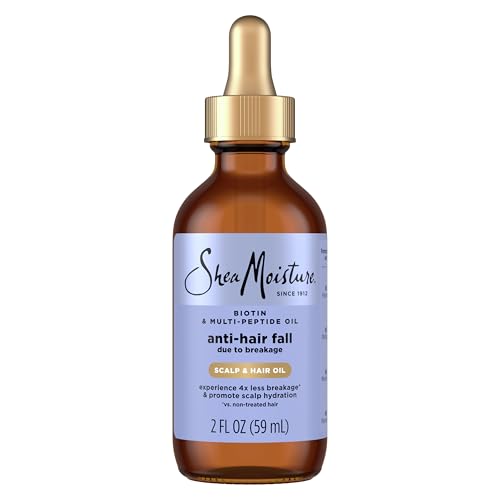
Shea Moisture Anti-Hair Fall Scalp & Hair Oil with Biotin, 2oz

AYURVEDASHREE Hair Oil, 200 ml with Amla & Bhringraj

Zenolio Labs Batana Oil for Hair Growth, Pure & Unrefined

BUR BUR Growing Season Hair Growth And Repair Oil

Cliganic Rosemary Oil for Hair & Scalp, 2 Fl Oz

Botanic Hearth Pumpkin Rosemary Oil, 6.7 Fl Oz

BLOOM TRESSENCE Rosemary Hair Oil, 100ml
Meet The Standout Selections
Flat irons, bleach, and sun take a quiet toll that shows up months later as snapping ends. Pantene built this treatment around a silicone-free approach, which means nothing coats the strand to fake smoothness. The vitamin-rich oil instead works into the fiber itself, aiming at damage you can see and the weaker spots you can’t.
In practice, that makes it a smart pre-wash soak for anyone whose hair feels gummy when wet. Because there’s no silicone film, fine hair types often report less of that weighed-down residue some repair oils leave behind after two or three uses.
Useful Touches
- Silicone-free base avoids heavy buildup on fine or low-porosity hair
- Vitamin-rich formula targets breakage from within rather than masking it
- Leaves strands soft and glossy without a greasy film
- Small 2 oz bottle travels easily in a gym or carry-on bag
Things To Consider
- The compact size means frequent users will repurchase sooner than with larger bottles
- Deep-repair focus suits damaged lengths more than oily scalps
Key Specs
Who It Suits Best
You, if bleached, heat-styled, or otherwise overworked lengths are where most of your shedding comes from.
Where A Sibling Pick Shines
Scalp-driven shedding calls for the Shea Moisture Anti-Hair Fall Scalp & Hair Oil, whose biotin and peptide blend works at the root instead.
Healthy hair starts at the follicle, and this SheaMoisture oil treats the scalp as the main event rather than an afterthought. Biotin, a B vitamin associated with keratin production, pairs with multi-peptides in a lightweight elixir designed for near-daily use. Where the Pantene pick above repairs the strand, this one hydrates the ground the strand grows from.
For anyone noticing extra fallout during dry winter months or after a stressful stretch, a few drops massaged in before bed fits neatly into an existing wind-down routine. The 2 oz format also keeps a bathroom shelf uncluttered.
Real-World Strengths
- Biotin plus multi-peptide blend targets shedding linked to breakage
- Light enough for regular application without washing out immediately
- Hydrates a tight, dry scalp that contributes to snap-off strands
- Works on both scalp and lengths in one step
Worth Noting
- Consistent use over weeks is what owners commonly report seeing results from, not overnight change
- Very fine hair may prefer applying only at night before shampooing
Made For
Anyone building a simple, repeatable scalp-care habit who wants one bottle doing double duty on roots and ends.
Skip It When
Your main issue is fried mid-lengths and ends; the Pantene Miracle Rescue oil handles structural damage more directly.
Ayurvedic hair care has centuries of history behind it, and this 200 ml bottle leans fully into the tradition. Eleven botanicals show up here, led by amla (Indian gooseberry) and bhringraj, both long used to reinforce roots, alongside brahmi, methi, shikakai, henna, neem, and aromatic oils like clove and eucalyptus. No synthetic fillers appear on the roster.
The generous volume suits weekly champi-style scalp massages, the warm-oil ritual many households swear by. Expect a distinctly herbal scent; fans consider it part of the experience, though it won’t suit everyone.
Features That Help
- High-potency amla and bhringraj nourish follicles to support fuller-looking growth over time
- Eleven-herb blend restores shine without synthetic additives
- Large 200 ml supply covers months of weekly treatments
- Neem and clove bring traditional scalp-soothing ingredients along
- Suited to pre-wash massage routines across hair types
Small Caveats
- The herbal aroma lingers until you shampoo, which some households love and others don’t
- Oily texture typically needs a proper double cleanse to fully remove
- Herbal blends can stain light pillowcases, so old towels help
Feature Rundown
The Right Fit
You, if you already enjoy or want to start a heritage-style oiling ritual and value ingredient tradition over quick cosmetics.
Swap It Out When
Scent-sensitive shoppers will likely prefer the neutral Cliganic Rosemary Oil, which skips the heavy herbal perfume entirely.
Batana oil, pressed from the American palm tree and long valued in Central American hair traditions, has surged in popularity recently. Zenolio Labs keeps this version raw and unrefined, so nothing gets stripped out in processing. One ingredient, one job: feed a thirsty scalp and soften dry, dull lengths.
That single-note simplicity cuts both ways. You get a clean label and flexibility to mix it into masks or DIY blends, but you lose the targeted actives, biotin here, peptides there, that blended formulas build in. Minimalists tend to love exactly that trade.
Useful Highlights
- Pure, unrefined processing retains the oil’s natural nutrient content
- Deeply conditions dry strands, restoring softness and visible thickness
- Single ingredient means easy patch-testing and predictable behavior
- Plays well in DIY mixes with castor or rosemary oils
Honest Caveats
- Raw natural oils can vary slightly in color and scent batch to batch, which owners of unrefined products commonly note
- Rich texture may be too heavy for fine, straight hair used sparingly at the roots
Built With In Mind
Ingredient minimalists and curly or coarser textures wanting a straightforward, multipurpose conditioning oil.
Another Choice May Suit
Anyone wanting layered actives in one bottle will get more from the BLOOM TRESSENCE twenty-four-botanical rosemary blend.
Not every anti-fall oil needs to smell like a garden apothecary. Bur Bur takes a cleaner, more modern angle, pairing burdock and nettle oils with vitamin C in a formula aimed at smoothing the cuticle, the outermost layer of each strand. A flat cuticle reflects light evenly, which is why smoother hair reads as shinier and tangles less.
Compared with the rustic Ayurvedic option earlier in this list, this one skews lighter and more cosmetic in feel. It suits people who want growth support but refuse to walk around smelling like clove until wash day.
Notable Gains
- Burdock and nettle botanicals support stronger, less breakage-prone strands
- Vitamin C adds antioxidant support for the scalp environment
- Cuticle smoothing improves manageability and shine day to day
- Formulated for all hair types, so mixed-texture households share one bottle
- Naturally derived ingredient list appeals to clean-routine shoppers
Points To Note
- Growth-support claims rest on botanical tradition more than clinical dosing, so patience is reasonable
- Those wanting a thick pre-wash treatment oil may find this too light
Whose Shelf It Belongs On
Anyone with frizz-prone or medium-textured hair chasing gloss and gentler handling as much as reduced fallout.
Reach For A Different Pick When
Deep structural repair is the priority; the Pantene Miracle Rescue oil goes further on damaged fiber.
Rosemary has become the headline ingredient of the moment for good reason, and Cliganic builds its serum around it thoughtfully. Rather than a harsh essential oil alone, this blends rosemary with jojoba, a wax ester remarkably close to skin’s own sebum, plus biotin and supporting oils like argan, castor, peppermint, sweet almond, and coconut. The result is pre-diluted and ready to apply straight to the scalp.
The brand’s positioning matters too: dermatologically tested, non-GMO, paraben- and sulfate-free, vegan, and formulated with sensitive skin in mind. Reactive scalps rarely get this much consideration at this tier.
What Stands Out
- Pre-blended with jojoba, so no dilution guesswork before application
- Biotin infusion supports strand strength alongside scalp care
- Vegan, non-GMO, and free of parabens and sulfates
- Smooths frizz and softens split-end prone lengths while treating the scalp
- Formulated specifically for sensitive skin
A Few Limitations
- Peppermint brings a tingling sensation some scalps find strong at first
- The 2 oz bottle runs down quickly with twice-daily scalp application
Quick Facts
Who Will Love This
Anyone with a sensitive or reactive scalp who still wants the rosemary trend done properly and gently.
Consider Something Else When
Heavy daily users burning through small bottles should look at the Botanic Hearth pumpkin rosemary option and its much larger pour.
Most scalp oils arrive in dainty 2 oz bottles; Botanic Hearth ships three times that. The formula combines rosemary oil with pumpkin seed oil, a pairing that has drawn real interest for supporting follicle strength, suspended in a coconut oil base. Six-plus ounces means scalp massages several times a week stop feeling like rationing medicine.
The honest trade is precision. A big open bottle invites over-pouring, and coconut-based carriers can feel heavy on fine hair if applied generously. Disciplined hands get excellent mileage here.
Standout Benefits
- Pumpkin seed plus rosemary targets thinning areas and follicle strength
- Large 6.7 oz supply supports months of consistent use
- Coconut oil base doubles as a deep conditioner for dry lengths
- Works for men and women managing early thinning
Practical Considerations
- Rich carrier oil can weigh down fine hair unless applied lightly and washed out
- Wide-mouth pouring benefits from a dropper or careful hand
- Coconut oil solidifies in cool bathrooms, which owners commonly mention
At A Glance
Right Fit For
Consistent users with medium-to-thick hair who apply oil several times weekly and want supply that keeps up.
Look Elsewhere When
Fine-haired readers needing a featherweight leave-in will find the Cliganic jojoba-based serum far less burdensome.
Twenty-four botanical oils in one 100 ml bottle is the boldest ingredient statement in this lineup. Rosemary leads, backed by castor and black seed oil for root strength, then argan and jojoba for slip, with amla carrying the same traditional credibility the Ayurvedashree bottle brought earlier. The intent is a do-everything scalp treatment for thinning hair.
Blends this ambitious live or die on balance, and feedback suggests most heads tolerate it well. Still, with two dozen plant extracts, patch-testing behind the ear first is just sensible, particularly for allergy-prone skin.
Where It Excels
- Twenty-four botanical oils cover scalp, root, and strand needs in one product
- Rosemary, castor, and black seed oil target breakage at the root
- Amla and argan bring proven conditioning and shine support
- Designed to improve visible thickness and density with steady use
- 100 ml size balances value against freshness
What To Weigh
- Long ingredient lists raise the odds of a sensitivity for reactive skin, so patch-test first
- Layered botanicals mean a noticeable natural scent until rinsed
The Numbers That Matter
Perfect Match For
Anyone facing diffuse thinning who wants maximum botanical coverage and doesn’t mind a longer ingredient list.
Not Your Match When
Minimalist-label shoppers will feel more comfortable with the single-ingredient Zenolio Labs batana oil instead.
Choosing Between These Oils Without Guesswork
Match The Formula To Your Fallout Pattern
Breakage along the lengths calls for repair-oriented oils rich in vitamins and fatty acids, while shedding at the scalp responds better to root-targeting botanicals like rosemary, pumpkin seed, and bhringraj. Run a finger through your hair after brushing: short broken pieces signal strand damage, whereas full strands with white bulbs point toward the root side. Getting this one observation right narrows the field faster than any marketing claim.
Weigh Texture Against Your Hair Type
Fine, straight hair tends to go limp under heavy carriers such as coconut or raw batana, so jojoba- and almond-based serums sit better. Thicker, coarser, or textured hair generally drinks up richer oils and holds styles longer because of them. Application timing matters too; pre-wash treatments forgive heavier formulas since shampoo removes the excess anyway.
Look Past The Hero Ingredient
Rosemay headlines sell bottles, but the carrier oils and supporting actives determine how the product actually performs on your head. Check whether the blend arrives pre-diluted and ready to use, since essential oils applied neat can irritate. A shorter, clearer ingredient list also makes patch-testing and troubleshooting far simpler over months of use.
Commit To A Realistic Routine
The most effective oil is the one you’ll actually apply consistently, two to four times weekly for at least a couple of months. A large bottle supports that habit better than a tiny one you guard jealously. Choose the format that fits your existing wash schedule rather than rebuilding your week around a product.
Key Considerations Across These Picks
Traps First Timers Fall Into
The classic misstep is buying on hype alone and expecting visible change in a week. Hair grows slowly, so judge any oil over eight to twelve weeks of steady use. Another common error is skipping the patch test, especially with multi-botanical blends like the BLOOM TRESSENCE formula, where one unfamiliar extract can undo weeks of progress. Over-application hurts too: more oil never equals faster results, and greasy buildup just forces harsher washing that stresses strands further.
What Separates Premium From Basic
Higher-tier bottles spend their budget on breadth and quality of actives: multiple carrier oils chosen for absorption, standardized botanical extracts, and thoughtful dilution so nothing stings. Budget options aren’t bad, they’re narrower, doing one job with one hero ingredient. Paying up earns sense when your situation is layered, thinning plus dryness plus frizz, since one complex blend can replace three singles. Single-issue concerns rarely justify the premium.
Frequently Asked Questions
How long before I notice fewer strands falling?
Give any oil eight to twelve weeks of consistent use before judging results. Hair cycles are slow, and shedding patterns shift gradually.
Should hair oil go on wet or dry hair?
Dry hair absorbs oil most predictably, especially for pre-wash scalp treatments. Damp application works for leave-in conditioning on mid-lengths and ends.
Can I leave hair oil in overnight?
Overnight application is common and generally fine with a towel over your pillow. Wash thoroughly the next morning to avoid buildup.
Do these oils work on all hair types?
Most formulas here suit all textures, though weight matters. Fine hair does best with lighter jojoba-based options, while coarse hair tolerates richer carriers.
Is rosemary oil safe for a sensitive scalp?
Pre-diluted blends like Cliganic’s are formulated for sensitive skin, but individual reactions vary. Patch-test behind the ear for 24 hours before full use.
Closing Thoughts
Fallout has many causes, and an oil is one lever among several, best paired with gentle handling and realistic expectations. Start by identifying whether your problem lives at the root or along the strand, then pick accordingly: Pantene for damaged lengths, SheaMoisture for daily scalp care, AYURVEDASHREE for tradition, Botanic Hearth for value. Whichever bottle you choose, consistency will matter more than the label ever will.
