

Thinning hair sends most people straight to the supplement aisle, yet the scalp itself often gets ignored. A well-chosen oil massaged into the roots a few nights a week keeps the skin there supple, reduces breakage from dryness, and gives your strands a fighting chance. The catch is that the shelf is crowded: single-ingredient carrier oils, rosemary-heavy blends, and biotin serums all promise similar things at very different price points. This list sorts eight options by what they actually do best, from budget-friendly bulk bottles to targeted scalp treatments, so you can match one to your routine instead of guessing.
A Snapshot Of The Selections

Handcraft Blends USDA Organic Sunflower Oil, Cold-Pressed 16 Fl Oz
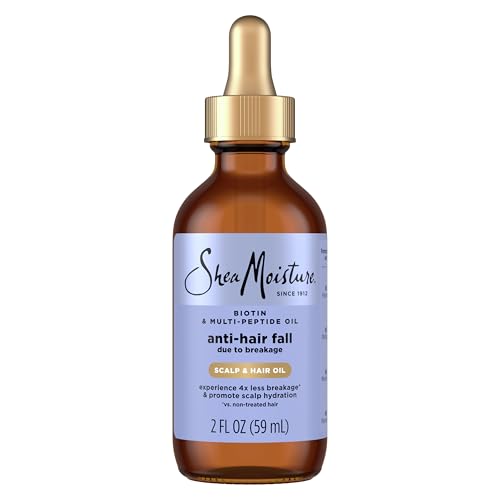
Shea Moisture Anti-Hair Fall Scalp & Hair Oil with Biotin 2oz

Batana & Rosemary Hair Oil, 2 Fl Oz Scalp Treatment

Handcraft Blends Cold-Pressed Organic Pumpkin Seed Oil, 4 Fl Oz

Plant Guru Top 10 Carrier Oil Variety Set 2 oz

BUR BUR Growing Season Hair Growth And Repair Oil

Plantovika Rosemary Oil for Hair Growth with Jojoba, Castor & Argan (2 Fl Oz)

Cliganic Rosemary Oil for Hair & Scalp with Biotin & Jojoba, 2 Fl Oz
Meet The Standout Selections
Sunflower seed oil is the quiet workhorse of the carrier oil world: light in texture, quick to absorb, and mild enough for sensitive scalps. This bottle arrives cold-pressed and hexane-free, meaning no chemical solvents were used to squeeze the oil out of the seeds.
At 16 fluid ounces it dwarfs the two-ounce treatment bottles elsewhere on this list, which makes it the sensible base for anyone diluting rosemary or peppermint essential oils before applying them to the scalp. You can also work a small amount through mid-lengths as a pre-wash conditioner.
The Value In It
- Cold-pressed extraction preserves fatty acids and vitamin E that heat processing strips away
- Lightweight feel absorbs without leaving hair greasy overnight
- USDA organic certification means no additives or fillers in the bottle
- Large volume stretches across months of weekly scalp massages
- Doubles as body and massage oil, so nothing sits unused
Small Caveats
- No dropper or pump included, so you’ll want a small funnel or transfer bottle for clean application
- As a plain carrier oil, it won’t address shedding on its own the way formulated blends do
Key Product Details
Made For
DIY blenders who mix their own essential oil scalp treatments and go through carrier oil quickly.
A Better Fit Elsewhere
Shoppers wanting a ready-made anti-shedding formula should reach for the Shea Moisture Anti-Hair Fall Scalp & Hair Oil instead of building a blend from scratch.
Where the Handcraft sunflower oil gives you raw material, this two-ounce bottle hands you a finished formula. SheaMoisture builds it around biotin, multi-peptides, and what the brand calls ScalpBoost technology, aimed squarely at hair fall caused by breakage rather than anything deeper.
In practice that makes it an easy daily habit: a few drops massaged into the roots morning or night, no measuring or mixing required. People dealing with postpartum shedding or heat-styled breakage tend to be the natural audience here, since hydration at the root is where this product puts its effort.
Notable Gains
- Biotin plus peptide blend targets strand weakness at the source
- Compact 2 oz size travels easily in a gym or toiletry bag
- Formulated for everyday application without heavy buildup
- Hydrates the scalp continuously rather than only on wash day
Points To Note
- Two ounces runs out fast under daily use, so frequent reordering is part of the deal
- Some owners report the nozzle dispenses more than needed until you get the hang of it
The Right Fit
Anyone managing visible shedding who wants a low-effort, apply-and-go scalp oil rather than a DIY project.
Swap It Out When
If your main concern is a flaky, irritated scalp rather than breakage, the Batana & Rosemary Hair Oil’s repair-focused blend may serve you better.
Batana oil comes from the nuts of the American palm Elaeis oleifera and has built a reputation in natural hair circles for intensive repair. Handcraft Blends pairs unrefined batana with rosemary, jojoba, castor, sunflower, peppermint, and biotin in one two-ounce bottle, which is essentially the DIY route compressed into a finished product.
Compared with the single-ingredient sunflower oil at number one, this is the shortcut version: seven actives already balanced, ready to massage in. Dry, itchy scalps and split ends are the stated targets, and the ingredient spread supports both moisture and circulation.
Where It Excels
- Unrefined batana retains its naturally occurring nutrients
- Rosemary and peppermint create a gentle warming sensation during scalp massage
- Castor and jojoba add slip, making detangling easier on wash days
- Suits women and men across most hair textures
- Biotin rounds out the strand-strengthening angle
Worth Bearing In Mind
- Peppermint content means a tingling feel some scalps find too strong at first
- Multi-oil formulas need thorough shampooing to avoid residue buildup over weeks
Feature Snapshot
Who Will Love This
People with dry, tight-scalp discomfort and brittle ends who want one bottle covering several problems at once.
Reach For A Different Pick When
Those preferring a lighter, serum-style finish will likely favor the Cliganic Rosemary Oil further down this list.
Pumpkin seed oil has become a talking point in scalp care conversations because of its dense fatty acid profile along with vitamins A and E. Handcraft Blends presses theirs cold, skips hexane entirely, and bottles it in dark glass, which helps delicate oils resist light degradation between uses.
The four-ounce glass bottle sits sensibly between the 16-ounce sunflower jug and the two-ounce treatments: enough volume for months of twice-weekly scalp sessions without committing to a gallon. Expect a richer, nuttier texture than sunflower, so a little goes further and rinsing matters more.
What Stands Out
- Vitamins A and E nourish the scalp environment directly
- Glass packaging protects the oil from UV breakdown better than plastic
- Undiluted formula works neat or as an essential oil carrier
- Serves hair, skin, and nail routines from one bottle
Things To Weigh Up
- Heavier texture than sunflower or grapeseed, so fine hair can look flat if over-applied
- Cold-pressed seed oils can turn rancid faster once opened; cool, dark storage extends shelf life
Core Details
Who Should Grab It
Scalp-focused users following an Ayurvedic-inspired routine who value nutrient density over lightweight styling feel.
Consider Something Else When
Fine-haired readers wanting zero weight on the strands will find the Handcraft sunflower oil far more forgiving.
Choosing a single carrier oil blind is how most people end up with three half-used bottles they dislike. Plant Guru sidesteps that with ten two-ounce bottles: sweet almond, apricot kernel, argan, avocado, castor, fractionated coconut, grapeseed, jojoba, olive, and sunflower.
That lineup covers every texture category, from featherlight grapeseed to thick castor, letting you learn how your scalp and hair respond before buying larger sizes. Each batch is food grade and checked for purity, and most carry the faintly sweet, nutty aroma typical of minimally processed seed oils. For newcomers building a first routine, it’s the lowest-risk entry point here.
Real Benefits
- Ten distinct textures let you match oil weight to hair type through trial
- Batch purity checks back the 100% pure labeling with actual verification
- Castor and jojoba alone justify the set for scalp-blend mixing
- Small bottles stay fresh since each opens briefly
Softer Spots
- Ten open bottles demand organized storage; a basket or tray keeps caps and drips contained
- None are certified organic, unlike the Handcraft singles on this list
- Two ounces of any favorite disappears quickly once you settle on it
Who It Suits Best
First-timers and aromatherapy hobbyists who’d rather experiment cheaply than commit to one large bottle upfront.
Another Choice May Suit
Once you’ve identified castor or pumpkin seed as your staple, upgrading to the dedicated Handcraft Blends bottles saves money long-term.
BUR BUR takes a more polished approach than the apothecary-style bottles around it. Growing Season leans on burdock root and nettle oil, two traditional botanicals long associated with scalp health, plus vitamin C for antioxidant support. The brand positions it for visibly fuller-looking, shinier hair across all hair types.
Its cuticle-smoothing claim is the practical differentiator: this reads less like a treatment you wash out and more like a leave-in that improves manageability day to day. Compared with the Batana & Rosemary blend’s tingle-heavy formula, expect a gentler, more cosmetic experience here.
Where It Delivers
- Burdock and nettle bring traditional herbal credibility to the formula
- Vitamin C adds antioxidant protection against environmental stress
- Smooths the hair cuticle for easier styling and added shine
- Works across all hair types without texture-specific limits
Less Ideal Details
- Herbal scent profile won’t suit anyone sensitive to botanical aromas
- Leave-in use on fine hair may require a lighter hand than the label suggests
Whose Shelf It Belongs On
Style-conscious users who want scalp care and visible shine improvement from a single refined product.
Look Elsewhere When
Maximum ingredient density for the dollar matters more than polish, and the Plantovika rosemary blend delivers six actives at a friendlier entry point.
Rosemary has become the headline ingredient in scalp care, and Plantovika builds its whole identity around it. Six oils make up the blend: rosemary leads, backed by jojoba, castor, argan, peppermint, and lavender. Peppermint supports scalp circulation while lavender softens the overall sensory experience.
The brand states each two-ounce bottle yields roughly sixty applications, which pencils out to about two months of daily use. That positions it well against the Shea Moisture oil for anyone committed to a consistent nightly massage ritual, though the mint-and-lavender scent is more pronounced than SheaMoisture’s cleaner profile.
The Good Stuff
- Six-oil roster balances stimulation, moisture, and strand softness
- Roughly 60 applications per bottle stretch across weeks of daily use
- Lavender tempers the peppermint bite into something pleasant
- Argan adds frizz control so ends benefit alongside roots
Honest Caveats
- Stronger fragrance than neutral carriers; sensitive noses may prefer unscented bases
- Daily application means washing pillowcases more often to manage residue
Quick Facts
Best Suited To
Routine-driven users who want rosemary at the center of a nightly scalp massage and don’t mind a botanical scent.
Not Your Match When
Fragrance-free purists mixing their own essential oils should stick with the neutral Handcraft sunflower base instead.
Cliganic closes the list with the most credential-forward formula here: dermatologically tested, non-GMO, vegan, cruelty-free, and free of parabens and sulfates. Sensitive-skin suitability is explicitly part of the pitch, which few competitors state outright.
Inside the two-ounce bottle sits a biotin-infused blend of organic botanicals including rosemary, argan, castor, peppermint, sweet almond, coconut, and jojoba. Unlike the heavier Batana blend, this one behaves closer to a finishing serum, smoothing frizz and split ends while still feeding the scalp. You may find it the easiest pick to layer into an existing styling routine without changing much else.
Reasons It Performs
- Dermatologically tested formula suits reactive and sensitive scalps
- Vegan, non-GMO, paraben-free credentials remove common irritant worries
- Serum-like finish smooths frizz and split ends between washes
- Organic botanical base spans seven oils including biotin support
Details To Watch
- Multi-certification formulas typically cost more per ounce than plain carrier oils
- Coconut content may feel heavy on very fine hair types
The Right Fit
Sensitive-scalp users with frizz-prone, chemically stressed hair who want verified-clean ingredients in a ready-to-use serum.
Where A Sibling Pick Shines
Budget-first shoppers after maximum volume will get far more mileage from the 16-ounce Handcraft sunflower oil.
What Matters Most Before Choosing Carrier Oils for Hair Loss
Match The Texture To Your Hair Type
Oil weight determines everything downstream. Fine hair drowns under castor or avocado, while coarse, curly textures soak them up happily. Grapeseed, sunflower, and fractionated coconut sit at the light end; castor and avocado anchor the heavy end. Start lighter than you think you need.
Carrier Versus Formulated Blend
A carrier oil, put simply, is the neutral base that dilutes potent essential oils and carries them safely onto skin. Plain carriers give you control and volume; formulated blends add biotin, peptides, or botanical extracts at a higher per-ounce cost but zero prep time. Your patience level decides which camp fits.
Processing And Packaging Signals
Cold-pressed extraction avoids the hexane solvents some producers use, keeping fatty acids and vitamins intact. Dark glass bottles shield delicate oils from light rancidity better than clear plastic. These details separate oils that last from ones that turn within weeks of opening.
Consistency Beats Intensity
Scalp routines reward repetition, not heroics. Two or three short massages weekly outperform occasional marathon sessions. Pick a product whose application method you’ll actually sustain, whether that’s a dropper bottle at bedtime or a quick morning drop-and-go.
Key Considerations Across These Picks
Traps First Timers Fall Into
The classic error is applying undiluted essential oils straight to the scalp, which commonly causes irritation; always blend them into a carrier first. Another misstep is judging results in a week. Strand cycles run on months, so give any oil eight to twelve weeks of steady use. Skipping patch tests behind the ear is the third avoidable stumble.
The Upgrade Payoff
Higher-tier blends earn their premium through verified credentials like dermatological testing, organic certification, and multi-oil formulations that would otherwise require five separate purchases. That convenience and vetting matter most for sensitive skin or anyone unwilling to mix their own blends. Plain-carrier loyalists rarely miss the extras.
Frequently Asked Questions
How long before I see changes from scalp oils?
Hair grows slowly, so realistic timelines run eight to twelve weeks of consistent use. Most early benefits show up as reduced breakage and better scalp comfort rather than new growth.
Can carrier oils be used alone on the scalp?
Yes, oils like sunflower, jojoba, and pumpkin seed work safely undiluted. Essential oils such as rosemary or peppermint always need a carrier to buffer their potency.
Do these oils replace medical treatment for thinning hair?
No oil treats underlying conditions, and persistent or sudden loss deserves a dermatologist visit. Oils support scalp health and reduce breakage alongside whatever care a professional recommends.
How often should I apply a scalp oil?Two to four sessions weekly suits most people, with daily application reserved for lightweight serums. Heavy oils used nightly risk buildup that needs clarifying shampoo to remove.
Which oil is best for oily scalps?
Lightweight options like grapeseed and sunflower absorb quickly without adding grease. Apply mainly to the scalp itself and keep quantities small, around a teaspoon per session.
Bottom Line
Your best match depends on how involved you want the routine to be. DIY-minded users get outstanding value from the Handcraft sunflower and pumpkin seed bottles, while beginners should start with the Plant Guru variety set. Anyone wanting a finished, apply-and-forget formula will find the Shea Moisture, Cliganic, and Plantovika blends ready to slot into tonight’s routine. Whichever direction you lean, consistency will matter more than the label on the bottle.
