

Sensitive skin doesn’t forgive much. A cream that stings, smells strongly, or leaves a film can undo weeks of progress, and anyone who’s dealt with reactive cheeks knows how expensive trial-and-error gets. This roundup narrows the field to eight hydrating formulas built around barrier-friendly ingredients like ceramides, glycerin, and hyaluronic acid, most of them fragrance-free. Whether your skin flares up in winter or you just want a dependable daily moisturizer that won’t fight back, there’s a fit here for every routine and budget.
A Snapshot Of The Selections
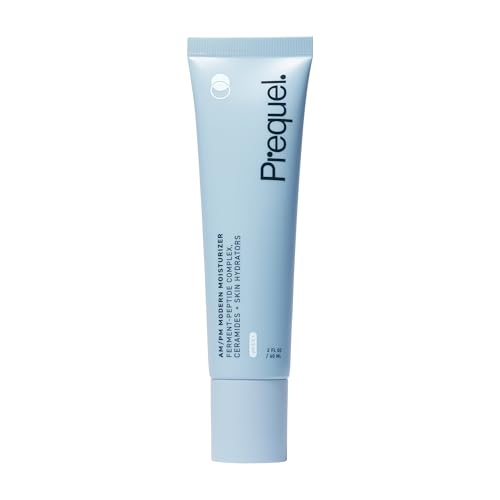
Prequel Skin Peptide Face Moisturizer with Ceramides

Olay Complete+ Hydrating Lotion Fragrance-Free 10.1 FL OZ

Vanicream Daily Facial Moisturizer 3 Fl Oz

Cetaphil Deep Hydration Face Cream 1.7oz

La Roche-Posay Toleriane Double Repair Face Moisturizer

Honest Beauty Hydrogel Cream Fragrance-Free 1.7 fl oz

SimplyVital Retinol Collagen Face Moisturizer 1.7 oz

CeraVe Moisturizing Cream for Dry Skin 19oz
Inside Each Recommended Option
Prequel built this cream around a ferment-peptide blend, a pairing designed to support the microbiome, which is the community of microorganisms living on your skin’s surface. Add glycerin, polyglycerides, and ceramides, and you get a formula aimed squarely at moisture retention rather than quick cosmetic fixes.
In practice, that ingredient stack suits mornings when tightness lingers after cleansing or evenings when your barrier feels worn down from actives. Owners commonly describe a softening effect within a couple of weeks of steady use, though individual timelines obviously differ.
What Makes Sense
- Ceramides replenish lipids your barrier loses to harsh weather and over-washing.
- Glycerin pulls water into the upper layers of skin, easing that post-cleanse tight feeling.
- The ferment-peptide complex supports resilience, useful alongside retinol or exfoliating acids.
- Peptides contribute to a smoother, firmer look over consistent use.
- Sits comfortably under sunscreen and makeup according to widely reported user experience.
Things To Consider
- It’s a newer name than Cetaphil or Vanicream, so long-term track records are thinner.
- Richer textures like this can feel heavy in humid summer climates for oilier skin types.
Who It Suits Best
Dryness-prone skin that needs genuine barrier repair rather than a light daily top-up will get the most out of it.
A Better Fit Elsewhere
Anyone wanting a proven minimalist option may prefer the Vanicream Daily Facial Moisturizer instead.
Where Prequel leans clinical, Olay goes practical. This 3-in-1 lotion hydrates, nourishes, and supports the moisture barrier using vitamin B3 (niacinamide, an ingredient known for calming visible redness), vitamin E, and ceramides. The bottle holds 10.1 fluid ounces, several times the volume of a standard facial cream jar.
That size changes ownership math. Families sharing a bathroom shelf, or anyone applying moisturizer to face, neck, and hands twice daily, won’t run dry in a month. The pump-style dispensing keeps things hygienic too, since fingers never dip into a jar.
Real Benefits
- Niacinamide helps even tone while supporting a calmer-looking complexion.
- Absorbs quickly enough for rushed morning routines before sunscreen.
- Formulated to deliver around-the-clock hydration between applications.
- Fragrance-free base lowers irritation odds for delicate skin.
Points To Note
- Lotion texture offers less occlusive richness than a true cream in deep winter.
- The large bottle takes up more counter or cabinet room than compact jars.
Quick Facts
Made For
Shoppers who want a dependable, no-fuss daily lotion in bulk will find this hard to argue with.
Consider Something Else When
Very dry winter skin often does better with the thicker CeraVe Moisturizing Cream later in this list.
Vanicream has built its reputation on subtraction. The brand strips formulas down to essentials, which is why dermatologists so often point reactive-skin patients here. This daily moisturizer pairs hyaluronic acid, a humectant that binds water to skin, with five ceramides, and it’s formulated to be non-comedogenic, meaning it shouldn’t clog pores.
The texture lands somewhere between rich and airy, so it hydrates without the greasy slip heavier creams leave behind. For eczema-prone or easily triggered complexions, that restraint matters more than any fancy active could.
Key Advantages
- Five ceramides rebuild the lipid layer compromised skin struggles to maintain alone.
- Hyaluronic acid adds lightweight hydration that layers well under other products.
- Non-comedogenic formulation suits acne-prone faces that fear heavy creams.
- The short, deliberate ingredient list minimizes potential triggers.
- Three ounces is travel-friendly and lasts a reasonable stretch at typical doses.
Small Caveats
- Minimalist means minimal extras, so don’t expect brightening or firming claims here.
At A Glance
Right Fit For
First-timers building a gentle routine, and anyone whose skin reacts to nearly everything else, belong here.
Reach For A Different Pick When
Those chasing anti-aging results alongside hydration should look at the SimplyVital retinol cream instead.
Cetaphil’s Deep Hydration line centers on what the brand calls its HydroSensitive complex, a blend intended to deepen hydration while calming sensitivity. The manufacturer positions it for up to 48 hours of moisture per application, a longer window than the Olay lotion’s 24-hour figure earlier in this list.
The 1.7-ounce tube keeps the entry cost low, which makes it a sensible first experiment for cautious spenders. Texture runs lightweight and non-greasy, leaving skin soft right away rather than sitting on the surface overnight.
Useful Touches
- The soothing complex targets sensitivity directly, not just dryness.
- Extended hydration window suits people who dislike reapplying midday.
- Immediate soft finish makes it pleasant under makeup or nothing at all.
Less Ideal Details
- The small tube runs out faster than the Olay or CeraVe options if used generously.
- Some owners report preferring a richer feel during harsh heating-season months.
- Tube packaging requires squeezing near the end, unlike pump bottles.
Whose Shelf It Belongs On
Cost-conscious shoppers testing whether their skin tolerates a new routine will appreciate the low commitment here.
Where Another Pick Suits Better
Severely dehydrated skin needing heavyweight repair fits the La Roche-Posay Toleriane Double Repair better.
The name says it plainly: double action. La Roche-Posay formulates this moisturizer to restore the skin’s protective barrier quickly while delivering long-lasting moisture rated at 48 hours, covering both face and neck. A prebiotic component works to rebalance the skin’s natural microbial environment, which tends to suffer when barriers break down.
Compared with the Cetaphil tube above, this one brings more repair ambition per application, and it shows in how often it gets recommended for post-retinol recovery or weather-beaten skin. For many routines, it functions as both daily driver and rescue product.
Why It Works Well
- Barrier restoration is positioned to begin within about an hour of application.
- 48-hour moisture claim reduces the frequency of reapplication for busy schedules.
- Prebiotic action supports the skin’s own ecosystem rather than overriding it.
- Covers face and neck in one step, simplifying evening routines.
- Rebalances comfort levels after actives like retinol or acids.
- Widely reported to absorb without heaviness despite the rich repair profile.
Potential Sticking Points
- Typically priced above drugstore staples like Cetaphil, so budget shoppers may hesitate.
- The tub opening exposes product to air and fingers over time.
Feature Snapshot
Built With In Mind
People whose barrier regularly takes damage from actives, climate, or over-washing will value the dual approach most.
Not Your Match When
Oilier complexions wanting a weightless finish may find the Honest Beauty Hydrogel Cream more agreeable.
Not every sensitive-skin shopper wants a heavy cream. Honest Beauty answers with a hydrogel, a water-based gel-cream hybrid that refreshes and cools on contact, leaving a dewy finish rather than a matte veil. Inside are two molecular weights of hyaluronic acid for layered hydration, plus jojoba and squalane, both emollients that mimic skin’s own oils to seal moisture in.
Vegan formulation and morning-evening flexibility round out the appeal. In muggy weather, when the Prequel cream might feel like a blanket, this is the option that disappears into skin.
A Favorable Mix
- Cooling gel texture feels genuinely refreshing on warm or flushed skin.
- Dual-weight hyaluronic acid hydrates surface and deeper layers alike.
- Squalane and jojoba lock moisture in without greasiness.
Where It May Fall Short
- Drier skin types may need a richer occlusive layered on top in winter.
- Gel formats can evaporate faster, so some owners reapply more often than with creams.
Who Will Love This
Combination-to-oily sensitive skin, especially in humid climates or hot offices, is the sweet spot.
Skip It When
Deeply parched, flaking skin belongs with the CeraVe Moisturizing Cream instead.
This is the list’s one moisturizer with actives doing double duty. SimplyVital combines retinol, the vitamin A derivative prized for smoothing fine lines, with collagen-supporting ingredients and hyaluronic acid, all in a 1.7-ounce jar meant for face and neck alike. The pitch is hydration first, firming second, which keeps it gentler than dedicated retinol treatments.
Retinol increases sun sensitivity, so nightly use paired with morning SPF is the widely recommended pattern. Beginners should start slow, perhaps two nights weekly, until tolerance builds.
Noteworthy Benefits
- Retinol supports visibly smoother texture over sustained use.
- Collagen-oriented formula targets flexibility and a firmer look on face and neck.
- Hyaluronic acid buffers the drying tendency retinol is known for.
- One jar replaces a separate night cream for streamlined shelves.
Details To Watch
- Retinol demands sun protection discipline, a real commitment for some routines.
- Highly reactive skin may need to build tolerance gradually before nightly use.
- Jar packaging means washing hands before each dip for hygiene.
Key Specs
Best Suited To
Adults noticing early firmness loss who want anti-aging benefits without abandoning sensitive-skin caution.
Swap It Out When
Anyone whose skin rejects retinol entirely should fall back to the Prequel peptide cream.
CeraVe closes the list with sheer practicality. This 19-ounce tub is labeled for face and body, powered by hyaluronic acid, three essential ceramides, and MVE technology, a delivery system that releases moisturizing ingredients gradually over 24 hours. Low ceramide levels are closely tied to dry, itchy, flaky skin, which explains why this formula shows up in so many dermatologist conversations.
The velvety texture absorbs without the sticky residue cheaper tubs sometimes leave. One purchase covers hands, elbows, legs, and face, making the per-use economics hard to beat against every smaller jar above.
Practical Pluses
- MVE slow-release design stretches hydration across a full day.
- Ceramides address the lipid deficit behind chronically dry patches.
- Hyaluronic acid draws in water without heaviness or shine.
- Face-and-body labeling turns one tub into a whole-household staple.
- The jumbo size survives months of generous twice-daily application.
Trade Offs To Consider
- An open tub invites contamination, so a clean spatula or freshly washed hands matter.
- The 19-ounce footprint dominates small bathroom cabinets and travel bags.
Core Details
The Right Fit
Households battling dryness everywhere, not just on the face, get maximum mileage from this tub.
Another Choice May Suit
Desk-dwellers wanting something discreet and portable will find the Honest Beauty Hydrogel Cream easier to live with.
What To Weigh Before Choosing Your Cream
Ingredient Priorities Come First
Ceramides rebuild the lipid barrier, glycerin and hyaluronic acid pull water in, and niacinamide calms visible redness. A cream containing at least two of these gives sensitive skin a fighting chance. Skip anything listing fragrance high on the label, since scent compounds rank among the most common triggers for reactive complexions.
Texture Should Match Climate And Skin Type
Gel-hybrids like the Honest Beauty option suit humid regions and oilier skin, while richer creams such as CeraVe or Prequel earn their keep in cold, dry winters. Combination skin often does best rotating a lighter day cream with a heavier night option. Matching texture to season prevents both greasiness and midday tightness.
Packaging Affects Longevity And Hygiene
Pump bottles protect formulas from air and dirty fingers, jars demand clean hands or a spatula, and tubes squeeze cleanly to the last gram. Large formats lower cost per ounce but take up shelf space. Decide which trade-off fits your bathroom reality before committing to a size.
Patch Testing Protects Your Progress
Apply a small amount along the jawline for several days before full-face use. This simple habit catches reactions early and spares you weeks of recovery. Even fragrance-free formulas can disagree with individual skin, so patience pays.
Key Considerations Across These Picks
Wrong Turns To Avoid
Chasing multi-tasking formulas loaded with actives is the classic misstep, since sensitive skin usually improves with fewer variables, not more. Another trap is judging a cream after two days; barrier repair typically needs two to four weeks of consistent use. Skipping the ingredient list because the marketing sounds gentle costs people dearly.
What Separates Premium From Basic
Higher-tier products tend to concentrate on delivery systems and specialized complexes, like MVE technology or prebiotic blends, rather than exotic ingredients alone. That engineering translates to longer wear times and better absorption, which matters most for people applying moisturizer once daily. Frequent reappliers can often achieve similar results with simpler, larger-format basics.
Frequently Asked Questions
How long before I see results from a new face cream?
Most barrier-supporting creams show measurable improvement in skin comfort within two to four weeks. Deeper concerns like persistent flaking can take six to eight weeks of steady use.
Can I use a body moisturizer on my face?
Yes, provided the formula is non-comedogenic and fragrance-free, as the CeraVe cream in this list is designed to be. Facial skin is thinner, so patch test first.
Is fragrance-free really necessary for sensitive skin?
Fragrance ranks among the most frequent irritants in skincare, so avoiding it removes a major risk factor. Many people tolerate trace amounts fine, but eliminating them simplifies troubleshooting.
Should hydrating creams go on before or after serum?
Moisturizer always follows water-based serums, sealing their actives underneath. Applying it first blocks absorption and wastes the serum.
Do I need different creams for morning and night?
Not necessarily, though lighter textures suit daytime under sunscreen and richer ones support overnight repair. A single well-chosen cream works for most routines.
Closing Thoughts
The honest read is that eight solid options exist here, and none of them requires gambling your skin barrier to try. Start with the profile that matches your climate, texture preference, and budget, patch test along the jawline, and give whichever cream you choose a fair month. Your skin will tell you soon enough which shelf it earns.
