

Dark spots rarely fade on their own, and layering brightening serums over dead skin buildup only gets you so far. A well-chosen peel speeds things along by lifting that dull surface layer so tone-correcting ingredients can actually reach fresh skin. The catch is that peels span a huge range, from a gentle gommage gel you can use weekly to a 50% glycolic kit meant for experienced hands. This shortlist covers both ends of that spectrum, plus the sensible middle ground, so you can match strength to your skin’s tolerance rather than guessing.
How The Shortlist Stacks Up

Dr.G Brightening Peeling Gel 4.23 fl oz

Dermalure Jessner Solution Acid Peel 14% 30ml
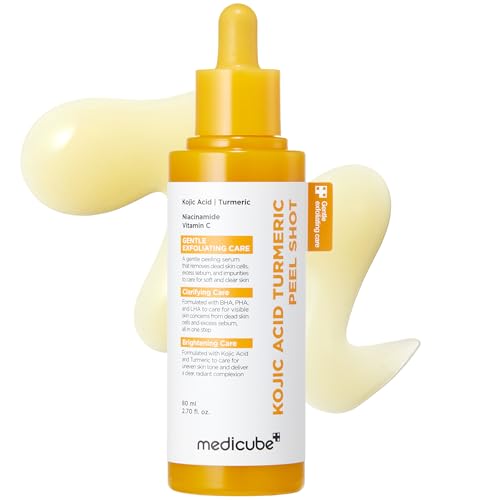
medicube Peel Shot with Kojic Acid Turmeric
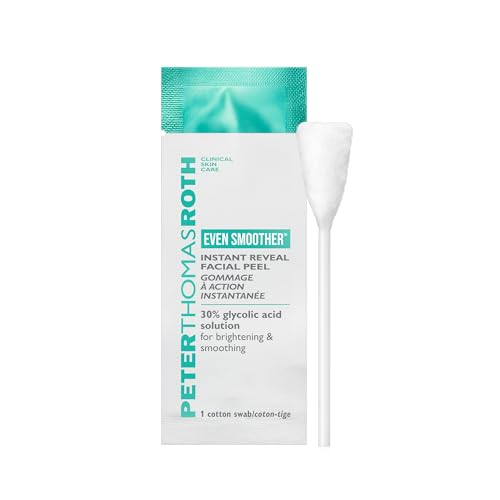
Peter Thomas Roth Even Smoother Instant Reveal Facial Peel
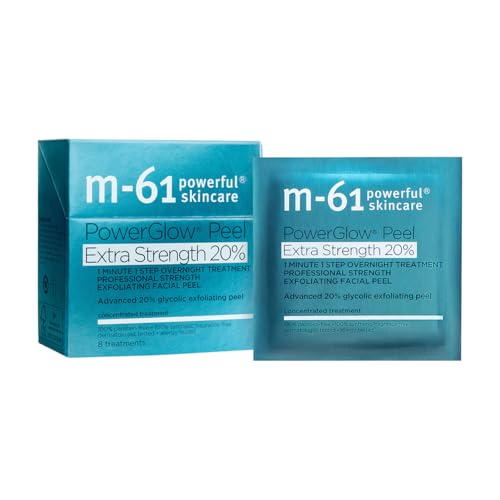
M-61 PowerGlow Peel Extra Strength 20%

Dermalure Salicylic Acid Peel 30% 1oz

MedPeel Glycolic Acid 50% Essential Peel Kit
Meet The Standout Selections
Korean skincare fans will recognize this format immediately: an aqua gommage, meaning a water-based gel that rolls away dead surface cells through friction rather than strong acids. You massage it onto damp skin, watch the residue ball up with lifted debris, then rinse. There’s no acid sting, which makes it a natural first step before anything stronger.
The brightening angle comes from pairing that physical sweep with lightweight moisture, so dullness fades without the tight, stripped feeling some scrubs leave behind. For most people easing into hyperpigmentation care, this is the training-wheels option.
Good Reasons To Consider
- No chemical burn risk, since exfoliation comes from the gommage action itself
- Low-irritation formula suits sensitive or reactive skin better than acid peels
- Leaves skin smooth enough that makeup applies evenly right after rinsing
- Generous 4.23 fl oz bottle lasts months at twice-weekly use
Honest Caveats
- Results on deep dark spots are modest compared with true acid peels like the M-61 PowerGlow
- The rolling residue can look alarming until you get used to it
Who Will Love This
Sensitive-skinned beginners who want visible smoothing without downtime or sting.
Another Choice May Suit
Anyone chasing faster pigment fade should step up to the Dermalure Jessner Solution Acid Peel 14%, built for deeper exfoliation.
A Jessner peel combines several acids into one solution, and this 14% version at pH 1.9 works by dissolving superficial skin layers to lift blackheads, soften shallow wrinkling, and lighten uneven pigment. Unlike the single-acid salicylic option later in this list, the blended approach targets texture, tone, and congestion at once. That’s why estheticians have relied on Jessner formulas for decades.
It suits normal-to-oily, damaged, or dull complexions best, and owners commonly report gradual clarity gains across a series of sessions. The honest trade-off shows up for deeper skin tones: Fitzpatrick types 4 through 6 carry a higher risk of post-inflammatory hyperpigmentation from resorcinol exposure, so caution and patch testing matter here.
The Case For It
- Multi-target formula addresses pigment, scarring, and blackheads in one pass
- Supports collagen and elastin production over repeated treatments
- Reported benefits extend to seborrheic dermatitis and eczema flare appearance
- Small 30ml bottle stretches across multiple sessions
Points To Note
- Darker skin tones face elevated PIH risk from resorcinol, so patch testing is essential
- Expect visible flaking during recovery days
- Liquid format demands careful, controlled application
At A Glance
Built With In Mind
Oily, sun-damaged, or uneven complexions comfortable with a multi-day recovery window.
Skip It When
Fitzpatrick 4-6 skin may tolerate the gentler medicube Peel Shot far better.
Where the Dr.G gel relies purely on mechanical exfoliation, medicube folds two well-known brighteners into the mix: kojic acid, a fungus-derived compound that interferes with excess melanin production, and turmeric, long used in South Asian routines for dullness. The result is a rub-off peel that removes buildup while actively working on tone, not just texture.
You’ll feel it fit naturally into a routine built around spot care, visible pores, and excess oil. One simple step replaces what would otherwise take a scrub plus a separate brightening treatment, and that convenience is exactly why it earns a permanent shelf spot in many bathrooms.
Practical Pluses
- Kojic acid and turmeric target discoloration while dead cells lift away
- Single-step routine saves time on busy mornings
- Addresses rough texture, enlarged-looking pores, and oiliness together
- Pairs cleanly with existing spot treatments without heavy layering
Small Caveats
- Physical rub-off action means results depend on technique, so light pressure wins
- Turmeric can leave a faint temporary tint on very fair skin until rinsed thoroughly
Right Fit For
Anyone with troubled, congested skin who wants daily-driver brightening between stronger peel sessions.
Where Another Pick Shines
Deeper pigment concerns respond faster to the M-61 PowerGlow Peel’s 20% glycolic concentration.
This one trades bottles and brushes for individually wrapped swabs pre-loaded with glycolic acid, an alpha-hydroxy acid derived from sugar cane that dissolves the glue holding dead cells together. Snap the swab, swipe, done. For frequent travelers or anyone whose bathroom counter is already crowded, the mess-free format solves a problem liquid peels create.
After use, skin typically looks glowy and less congested, and the swab design also makes dosing consistent, which matters when you’re spacing sessions around other actives. Compared with the Dermalure liquids, there’s far less room for error in how much product lands where.
The Practical Payoff
- Individually wrapped swabs keep application clean and travel-ready
- Glycolic acid delivers genuine brightening, not just surface polish
- Pre-measured dose removes guesswork between sessions
- No dripping into eyes or down the neck mid-treatment
Things To Weigh Up
- Swabs generate packaging waste over time
- Per-session cost runs higher than a liquid bottle like the Dermalure Salicylic Peel
Quick Facts
Who Should Grab It
Travelers and minimalists who want clinical-style brightening without bottles or brushes.
Swap It Out When
Budget-focused shoppers doing weekly treatments will find the MedPeel Glycolic Acid 50% Kit more economical per session.
Twenty percent glycolic acid puts these pads squarely in professional-strength territory, and the brand positions them as an intensive overnight resurfacing step. One pad, one minute, and the formula handles exfoliating, clarifying, and firming simultaneously. Stubborn dark spots are precisely the kind of damage this concentration exists to address.
Beyond pigment, the pads are credited with refining pore appearance and softening fine lines, which makes them a multi-concern workhorse rather than a one-trick product. The flip side: at this strength, you’ll want established tolerance first, and many users start with lower-percentage pads before graduating up.
Everyday Wins
- 20% glycolic concentration rivals in-office peel strength
- Visible improvement reported in tone, pores, and fine lines together
- One-minute application fits even the busiest evening routine
- Pads control dosing better than pourable liquids
- Overnight resurfacing means no daytime disruption
Less Ideal Details
- Too aggressive for sensitive or unseasoned skin; build tolerance gradually
- Requires diligent sunscreen use afterward, as freshly exfoliated skin burns easily
Feature Rundown
The Right Fit
Experienced peel users targeting persistent hyperpigmentation who’ve already tolerated 10-15% acids comfortably.
Reach For A Different Pick When
Newcomers should begin with the Dr.G Brightening Peeling Gel before attempting this strength.
Salicylic acid is oil-soluble, which means it travels into pores instead of sitting on the surface, and that’s the whole argument for choosing this 30% peel over its Jessner sibling earlier in the list. Breakouts and post-acne marks feed each other, so clearing congestion while fading discoloration addresses both ends of the cycle.
The maker positions it for acne, hyperpigmentation, and premature aging, with cumulative gains expected across weekly sessions rather than overnight transformation. Owners commonly report steadier results when they resist the urge to increase frequency, letting skin fully recover between applications.
Real-World Strengths
- Oil-soluble action unclogs pores from within, not just the surface
- Evens tone and minimizes discoloration across all skin types
- Targets environmental and sun damage alongside breakouts
- Weekly cadence builds compounding improvements over time
- Compact 1 oz bottle stores easily and lasts through many sessions
Factors To Consider
- Patience required: meaningful change arrives across weeks of consistent use
- Liquid application calls for steady hands and careful timing
Core Details
Whose Shelf It Belongs On
Oily and combination skin dealing with active breakouts layered over lingering dark marks.
Consider Something Else When
Dry or mature skin focused mainly on wrinkles gets more from the MedPeel Glycolic Acid 50% Kit’s hydration-friendly profile.
Fifty percent glycolic acid is serious business, and MedPeel treats it that way by bundling the peel with prep solution and neutralizer so the full three-step process happens safely at home. Unlike the M-61 pads’ quick swipe, this is a deliberate monthly ritual, spaced four to six weeks apart with normal exfoliation paused for two weeks afterward.
The payoff justifies the discipline for many users: softened fine lines, faded discoloration, refined pores, and supported collagen production. Two thoughtful touches stand out, starting with the gel texture that stays put instead of dripping toward your eyes, and ending with the explicit patch-test protocol asking you to trial behind the ear three days ahead.
What Makes Sense
- Complete kit includes prep and neutralizer, removing guesswork
- Gel consistency clings where applied rather than running
- Little to no downtime for most users beyond mild flaking
- Targets wrinkles, large pores, and uneven tone in one session
Details To Watch
- Experienced users only; beginners risk irritation at this concentration
- Three-day patch test adds planning time before first use
- Monthly-only schedule means slower overall progress than weekly formats
The Numbers That Matter
Who It Suits Best
Seasoned home-peel veterans comfortable with timing, neutralizing, and strict post-care routines.
A Better Fit Elsewhere
Intermediate users wanting frequent sessions will prefer the Dermalure Salicylic Acid Peel 30% and its weekly cadence.
What Matters Most Before Choosing Chemical Peels for Hyperpigmentation
Match Strength To Your Skin’s History
Start honest: has your skin handled acids before, and how did it react? Someone who tolerates 10% glycolic serums daily can consider 20% pads, while reactive skin belongs with gommage gels or kojic-based rub-offs first. Jumping straight to 30% or 50% solutions is the fastest route to irritation, and irritation itself can deepen pigmentation.
Know Your Acid Types
Glycolic acid, derived from sugar cane, excels at surface brightening and texture. Salicylic acid, being oil-soluble, digs into pores and suits breakout-prone skin. Blended formulas like Jessner solutions hit multiple concerns at once. Matching the acid to your dominant issue beats buying on concentration alone.
Respect Fitzpatrick Realities
Deeper skin tones, particularly types 4 through 6, carry elevated risk of post-inflammatory hyperpigmentation from aggressive peels. Gentler, pigment-safe options and patch testing aren’t optional extras here; they’re the difference between fading spots and creating new ones.
Plan The Full Routine
A peel is one piece. Diligent daily sunscreen protects your investment, and spacing sessions correctly lets skin rebuild. Weekly formats reward consistency; monthly professional-strength kits reward patience and preparation.
Key Considerations Across These Picks
Traps First Timers Fall Into
The most common error is buying maximum strength first, assuming stronger equals faster. In practice, irritated skin often responds by producing more pigment, undoing progress. Skipping the patch test is the second classic mistake, especially with resorcinol-containing blends. Start low, space sessions generously, and photograph your baseline so gradual changes are actually visible to you.
What Separates Premium From Basic
Higher-tier kits bundle prep and neutralizer steps, which protect you from the two riskiest moments of any peel. Complete systems like the MedPeel set cost more upfront but remove improvisation, and that structure is exactly what less experienced users are paying for. Pads and swabs charge a convenience premium too, trading cost for consistent dosing and zero mess.
Frequently Asked Questions
How long do chemical peels take to fade hyperpigmentation?
Superficial peels used consistently typically show measurable tone improvement within four to eight weeks. Deeper discoloration usually needs a longer series, sometimes several months of scheduled sessions.
Can darker skin tones safely use chemical peels?
Yes, with caution and the right formulation. Fitzpatrick 4-6 skin should favor gentler acids and always patch test, since aggressive peels risk triggering new pigmentation.
How often should you apply a home peel?
Weekly cadence suits most mild-to-moderate peels, while 50% professional kits need four to six weeks between uses. Always follow the manufacturer’s stated interval rather than accelerating.
Do chemical peels hurt?
Mild tingling or warmth is normal, especially with glycolic and salicylic solutions. Sharp burning signals you should neutralize and rinse immediately.
Should you wear sunscreen after a peel?
Absolutely, every single day. Freshly exfoliated skin is far more vulnerable to UV damage, and sun exposure can darken the very spots you’re trying to fade.
Closing Remarks
There’s no single correct entry point here, only the right match for your skin’s tolerance and your patience level. Sensitive beginners should start with the Dr.G gel or the medicube Peel Shot, while seasoned users chasing stubborn marks have real options in the M-61 pads and the MedPeel kit. Whichever direction you lean, patch test first, protect your skin from the sun afterward, and give any peel a fair run before judging the results.
