

Pastel shades look effortless in photos and tricky in real life. Bleach level, porosity, and your washing habits all decide whether a soft lavender or baby pink shows up at all. This roundup sorts eight options by commitment level, from permanent metallic tints to gentle semi-permanent creams, so you can match the dye to how often you actually want to redo your color.
A Side-By-Side Look
A Side-By-Side Look
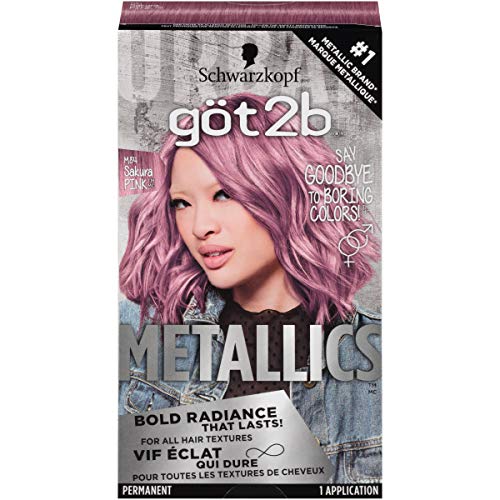
Got2b Metallics M84 Sakura Pink

IROIRO Pastel Lavender Semi-Permanent Dye

IROIRO Bubble Gum Pink Semi-Permanent Dye

Lime Crime Unicorn Hair Tint Bunny
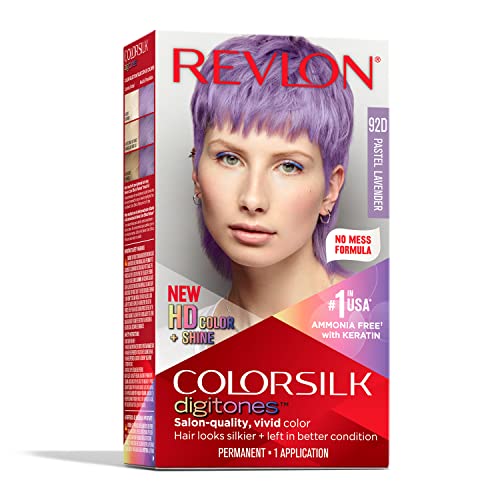
Revlon ColorSilk Digitones 92D Pastel Lavender

Adore Sweet Mint Semi-Permanent Color

Garnier Olia 7.20 Dark Rose Quartz

IROIRO Neon Blue Semi-Permanent Dye
Inside Each Recommended Option
This is the most committed option here: a permanent dye rather than a rinse-out tint. The formula leans on a metallic-shine booster, which gives the sakura pink a cool, shimmering finish instead of a flat candy color, and Got2b builds in an anti-fading effect to help the tone hold between touch-ups.
Everything arrives in one kit: color cream, developer lotion in an applicator bottle, after-treatment conditioner, gloves, and instructions. Anyone who has juggled separate bowls and brushes will appreciate the single-box setup. Longer-than-shoulder hair usually needs two boxes, which is worth budgeting for before you start.
Useful Strengths
- Metallic-shine booster creates dimensional, shimmering pink rather than a flat wash.
- Anti-fading formulation helps the color survive repeated shampooing.
- All-in-one kit means no hunting for gloves, developer, or an applicator bottle.
- Included after-treatment helps soften hair right after processing.
Things To Consider
- Permanent means commitment: fading happens slowly, so plan for grown-out roots.
- Hair past shoulder length typically requires two boxes per application.
The Details
Who Should Grab It
Anyone ready to live in pink for weeks at a time and comfortable with root regrowth.
A Better Fit Elsewhere
For a lower-commitment pink, the IROIRO Bubble Gum Pink semi-permanent below washes out far faster.
Unlike the Got2b kit above, this lavender is a deposit-only semi-permanent: it stains the outer layer of the hair shaft rather than opening it up, so there is no developer and no structural change. That makes it a natural first step for anyone nervous about permanence. The 210 Pastel Lavender shade sits softly on pre-lightened hair.
The brand positions this line around gentler chemistry: a vegan, cruelty-free cream made mostly of naturally derived ingredients, with pure coconut oil worked in for hydration. In practice, that profile suits dry or previously bleached hair, which describes nearly everyone chasing pastels.
Practical Advantages
- Coconut oil infusion adds moisture while the color deposits, useful on bleached strands.
- Vegan and cruelty-free formulation appeals to ingredient-conscious shoppers.
- Cream texture spreads evenly and is less messy than liquid dyes during DIY sessions.
- Washes out gradually, letting you test lavender without a long sentence.
Small Caveats
- Pastel shades need very light blonde hair; on darker bases the result can be barely visible.
- Semi-permanent pigment fades with every wash, so expect frequent reapplication to keep the tone fresh.
Key Specs
Who It Suits Best
Experimenters with lightened hair who want a soft lavender they can reverse within a few weeks.
Swap It Out When
Anyone wanting a deeper, cooler statement should reach for the IROIRO Neon Blue further down instead.
Same family as the lavender above, different personality. Shade 200 runs brighter and sweeter, closer to true bubble gum than the muted rose tones some pinks drift toward. Because it shares the iroiro cream base, everything said about nourishing coconut oil and a vegan formula applies here too.
Where it earns its place in a pastel lineup is versatility: applied full-strength on platinum hair it reads vivid, while diluting it with white conditioner produces a genuine pastel pink. That mixability is why home colorists tend to keep a jar like this around even after the initial dye job grows out.
What Helps Most
- Dilutes cleanly with conditioner for custom pastel intensity.
- Cream base conditions as it colors, a real benefit on bleached hair.
- Vegan, cruelty-free recipe suits ingredient-aware routines.
Points To Note
- Pink pigments commonly stain pillowcases and shower grout during the first week, so old towels are wise.
- Needs a pale blonde canvas; results on darker hair will disappoint.
Made For
Home colorists who want adjustable pink intensity and enjoy tweaking their own formulas.
Where Another Pick Suits Better
For the faintest possible blush tint rather than buildable pink, Lime Crime’s Bunny tint is the lighter touch.
Bunny sits at the shy end of the pink range: a light wash of pastel baby pink designed to add a cool kick rather than transform your whole head. Lime Crime markets the Unicorn Tints as damage-free and DIY-friendly, meaning no developer, no ammonia, and nothing lifting your natural pigment.
The honest caveat is written into the product itself: tints like this are not recommended for dark hair. On a level-nine or ten blonde, though, the result is the kind of subtle flush that reads professional. Compared with the iroiro pink above, this is a whisper where that one is a conversation, and the trade-off is deliberate.
Notable Gains
- Damage-free deposit keeps fragile bleached hair from taking another hit.
- Subtle baby-pink payoff works for offices where bold color is risky.
- Simple at-home application with no mixing or developer steps.
Honest Caveats
- Not formulated for dark hair, so brunettes will see almost nothing.
- A faint wash fades quickly; frequent top-ups are part of ownership here.
Right Fit For
Platinum blondes testing whether pink suits them before committing to anything stronger.
Consider Something Else When
Deeper, longer-lasting pink calls for the IROIRO Bubble Gum Pink jar instead of this whisper-light tint.
Revlon brings drugstore familiarity to a shade family that used to live only in specialty shops. The Digitones line uses what the brand calls HD color technology, essentially high-definition pigments meant to deliver vivid tone, and folds keratin into the mix so hair leaves the process in better shape than it entered.
Two practical details stand out. The formula omits added ammonia, which cuts down the sharp chemical smell that makes bathroom dye sessions unpleasant. And the no-mess, no-drip consistency matters more than it sounds: thick cream stays on your head instead of running down your neck mid-application, which anyone who has stained a collar will confirm.
The Value In It
- Ammonia-free formula keeps the application smell mild.
- Keratin infusion supports hair condition through the coloring process.
- No-drip texture simplifies root-to-tip coverage for solo application.
Less Ideal Details
- As a permanent dye, lavender means living with regrowth lines until recoloring.
- Availability has been inconsistent at some retailers, worth checking stock before planning your session.
Feature Snapshot
Who Will Love This
First-timers wanting an affordable permanent lavender without specialty-store prices or complexity.
Another Choice May Suit
Gray coverage alongside pastel tone points toward Garnier Olia’s Dark Rose Quartz instead.
Mint is the wildcard in any pastel collection. Adore’s shade 194 delivers a high-pigment green with a genuinely cool finish, and because it is semi-permanent it layers over faded blue or teal without the muddy result a permanent dye would give. Creative colorists often use it as a mixer too, cooling down warmer shades drop by drop.
The brand claims roughly four weeks of wear, about twenty shampoos, which lands in the typical range for this category. Formulated without harsh chemicals, it is a reasonable pick for scalps that react badly to stronger products, though patch-testing remains sensible with any dye.
Points In Its Favor
- High-pigment formula covers evenly and holds tone for around twenty washes.
- Works as both a standalone mint and a cooling mixer for other shades.
- Formulated without harsh chemicals, kinder to sensitive scalps.
Trade Offs
- Green pigments are notorious for lingering traces; expect several clarifying washes when moving on.
- True pastel mint still demands a very light base underneath.
At A Glance
Built With In Mind
Creative colorists experimenting with cool-toned palettes and custom mixed shades.
Reach For A Different Pick When
Classic pink or lavender goals fit the IROIRO jars better than this green-leaning shade.
Olia takes a different route to color: an ammonia-free permanent formula powered largely by oils, which the brand credits with shinier results across hair textures. The 7.20 Dark Rose Quartz shade is the grown-up entry in this list, a dusty rose that flatters gray coverage rather than hiding from it.
That dual role defines its appeal. Full gray coverage lasting up to six weeks makes it practical for busy schedules, while the rose undertone keeps the result interesting instead of flat brown. The two-count packaging also suits thicker or longer hair that would otherwise need a second single box, similar to the Got2b situation earlier.
Positive Takeaways
- Oil-powered, ammonia-free formula supports shine and strength during processing.
- Full gray coverage holds for roughly six weeks between applications.
- Two-box count handles long or thick hair in one purchase.
- Vegan and cruelty-free positioning matches modern ingredient expectations.
What To Weigh
- Rose quartz reads muted and sophisticated, not candy pastel; bright-color seekers may find it tame.
- Permanent coverage still means visible root regrowth over time.
Feature Breakdown
The Right Fit
Adults blending noticeable gray with a soft rose tone in one low-fuss routine.
Not Your Match When
Playful candy-pink ambitions belong with the Got2b Sakura Pink kit, not this muted rose.
Neon Blue closes the list as the accent player. On its own it is a saturated electric blue, yet diluted with conditioner it becomes the pastel sky-blue that pairs beautifully with the lavender and pink iroiro shades already covered. One jar, three or four possible outcomes depending on how boldly you apply it.
The shared cream base carries the same benefits as its siblings: vegan, cruelty-free, built around coconut oil for hydration on compromised hair. Blues also tend to be among the more forgiving fantasy shades on slightly less-than-platinum bases, though paler hair still yields the truest tone.
Where It Helps
- Dilutes into a soft pastel blue for coordinated multi-shade looks.
- Coconut oil base hydrates while color deposits.
- Vegan, cruelty-free cream spreads cleanly during application.
Details To Watch
- Blue pigments cling stubbornly; fading back to blonde can take multiple clarifying sessions.
- Full neon saturation needs heavily lightened hair to read correctly.
Whose Shelf It Belongs On
Multi-tone colorists building coordinated pastel palettes who want one jar to serve several shades.
Skip It When
Warm pink and lavender plans make the IROIRO Pastel Lavender jar the smarter single purchase.
What Matters Most Before Choosing Pastel Hair Dyes
Start With Your Base Color
Every pastel outcome begins with how light your hair already is. Deposit-only semi-permanents such as the iroiro and Lime Crime options need pale blonde to show their true tone, while permanent kits like Got2b and Revlon lift and deposit together. Matching the dye type to your current shade prevents most disappointment before it starts.
Commitment Level Counts
Permanent color grows out and needs root touch-ups; semi-permanent fades gracefully but demands reapplication every couple of weeks. Daily washers fade semi-permanent pigments faster, so consider how much upkeep fits your actual routine rather than your ideal one.
Formula Extras That Earn Their Keep
Conditioning ingredients matter disproportionately in this category because pastel chasers usually start with bleached, thirsty hair. Coconut oil, keratin, and ammonia-free formulations all reduce additional stress. Patch-test regardless, since sensitivity varies person to person.
Plan The Exit Strategy
Think two shades ahead. Pinks and blues leave lingering traces, and knowing your removal path saves frustration later.
Key Considerations Across These Picks
Traps First Timers Fall Into
The classic error is applying a pastel tint to hair that is not light enough, then concluding the product failed. Another common slip is skipping the strand test, which costs nothing and reveals how your specific porosity takes the pigment. Buying one box for waist-length hair is a third avoidable mistake.
What Separates Premium From Basic
Pricier jars tend to justify themselves through conditioning ingredients, cleaner pigment chemistry, and predictable fade curves. The upgrade pays off most for frequently recolored hair, where cumulative damage is the real cost. Occasional experimenters do fine with budget-friendly kits.
Frequently Asked Questions
Do pastel hair dyes work on dark hair?
Mostly no. True pastels require a very light base, so dark hair needs bleaching first or a permanent kit that lifts while coloring.
How long does semi-permanent pastel color last?
Typically two to four weeks depending on wash frequency. Cooler water and fewer shampoos stretch the lifespan noticeably.
Can I mix pastel dyes to create custom shades?
Yes, and it is standard practice among home colorists. Diluting with white conditioner lightens intensity, and combining jars creates new hues.
Will pastel dye damage my hair?
Semi-permanent deposits cause minimal harm since they contain no developer. Permanent kits process more aggressively, so conditioning ingredients matter there.
How do I remove pastel color faster?
Frequent washing with clarifying shampoo accelerates fading. Warm water helps too, though it trades longevity for speed.
Closing Remarks
Pick based on your starting shade and your patience for upkeep, not the prettiest swatch photo. Lightened hair opens every door on this list, while darker bases point you toward the permanent kits. Whichever direction you lean, a strand test tonight beats a surprise tomorrow.
