

A good clear glaze does one job well: it adds gloss without shifting your color. Whether you want salon-style shine at home or a transparent finish for fired pottery, the wrong choice leaves you dull, sticky, or tinted when you wanted neutral. This roundup covers eight options across both worlds, from four-minute bond masks to gallon jugs for the ceramics studio, so you can match the product to what’s actually on your shelf or in your kiln.
The Main Contenders

Sax True Flow Gloss Glaze Natural Clear 1 Pint

glaze Glaziplex Bond Repair Hair Treatment 4oz
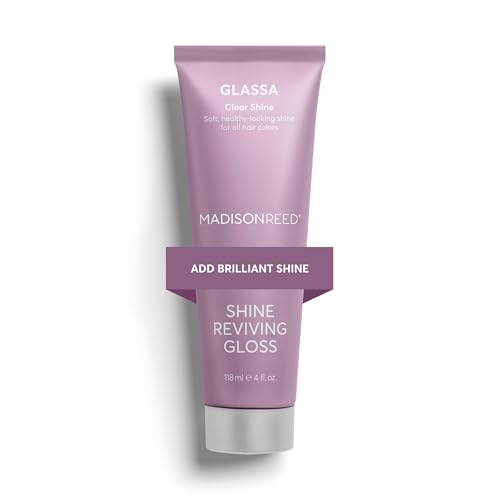
Madison Reed Color Reviving Gloss Glassa Clear 4oz

Glaze Supergloss Conditioning Gloss Caramel Lights 6.4 fl oz

Wella Professionals Color Fresh Mask Gloss Treatment

glaze Supergloss Sheer Glow Clear Hair Gloss Mini 1.7 oz

Clairol Professional Jazzing Semi-Permanent Hair Color

Sax True Flow Gloss Glaze Natural Clear Gallon
Inside Each Recommended Option
A pint of transparent glaze goes further than you’d expect in a home studio, roughly a dozen mugs depending on your dipping technique. Sax built this one for education settings, which shows in its non-toxic formulation and ASTM D-4236 conformance. That means fewer worries around shared workspaces.
The finish is a true gloss rather than a satin compromise, and it stays dinnerware safe once fired to cone 06 through cone 05. For most hobbyists firing in a basic electric kiln, that range lands comfortably inside normal bisque-and-glaze schedules.
Key Advantages
- Non-toxic formula suits classrooms, community studios, and households with curious kids nearby.
- Glossy transparent finish lets underglaze decoration show through cleanly instead of muting it.
- Dinnerware safe after firing to cone 06-05, so finished pieces handle real daily use.
- ASTM D-4236 conformance simplifies supply lists for schools and art programs.
Things To Consider
- Like any dipped glaze, settling at the bottom of the bucket happens; stir thoroughly before each session and reseal the lid tightly afterward.
- A single pint runs out quickly for larger vessel work, which pushes frequent firers toward the gallon version later in this list.
At A Glance
Who Will Love This
Beginning potters and art teachers who need a dependable, safety-conscious clear glaze in modest quantities.
Another Choice May Suit
High-volume studios should look at the Sax True Flow Gallon instead, since per-session cost drops sharply at bulk size.
Bond builders changed how people recover over-processed hair, and this one compresses the whole ritual into a four-minute shower window. The brand claims its bonding system addresses four damage categories at once: heat, color, chemical processing, and mechanical styling stress. In practical terms, that’s flat iron users, box-dye regulars, and anyone who brushes wet hair aggressively.
It works as a deep conditioning mask rather than a leave-in, so you apply it mid-shower, let it sit, then rinse. Results tend to show up as smoothness and softness first, with shine following once the cuticle lies flatter.
Benefits That Matter
- Four-minute processing fits into an ordinary shower, no extra appointment or overnight cap required.
- Targets all four common damage types, useful for hair with more than one stress source.
- Deep conditioning base leaves strands touchably soft rather than coated or stiff.
Honest Caveats
- Bond treatments deliver their strongest effect in the first uses; many owners report diminishing returns unless they space applications a week or more apart.
- The 4oz bottle empties fast on thick, long hair, where a single generous application can take a quarter of the container.
Best Suited To
Anyone with heat-styled or chemically treated hair who wants visible repair on a tight schedule.
Where A Sibling Pick Shines
Shoppers chasing pure gloss with no repair agenda will get more satisfaction from the Madison Reed Glassa Clear gloss reviewed next.
This is the closest thing to a salon glossing service you can run in your own bathroom. Glassa Clear deposits no pigment at all, which makes it the safest entry point for anyone nervous about toning accidents. Madison Reed positions it as the same semi-permanent formula its colorists use across dozens of branded color bars, and the semi-permanent category means results fade gradually rather than growing out with a hard line.
No mixing is involved either, a genuine convenience compared to two-part salon systems. You apply, process, rinse, done.
Features That Help
- Zero pigment deposit means zero risk of shifting blonde, silver, or fashion shades the wrong direction.
- Doubles as a deep conditioning treatment, so hair exits softer than it went in.
- Single-component formula skips the measuring and mixing that trip up first-timers.
- Works across every hair type and existing color, from platinum to jet black.
Points To Note
- Semi-permanent shine fades with washing, so most users reapply every few weeks to keep the mirror effect going.
- Processing takes longer than a rinse-out mask; block out the time rather than squeezing it into a rushed morning.
Product Snapshot
Made For
Color-treated or natural hair owners who want salon-level gloss without touching their tone.
Skip It When
Severely damaged hair needs structural repair first, a job better handled by the Glaziplex bond treatment above.
Where the Madison Reed gloss stays strictly neutral, this Supergloss leans warm. Caramel Lights is aimed squarely at medium to dark brown hair carrying highlights or balayage, refreshing those sun-kissed pieces between salon visits. The brand’s KINDColor Technology pairs the glossing action with Vitamin E enrichment, and the formula carries vegan and cruelty-free positioning.
The standout physical detail is the dispensing pump. Anyone who has wrestled a slippery gloss tube over a wet sink will appreciate why that matters.
A Few Highlights
- Dispensing pump controls portion size and keeps product off your hands and counter.
- Warm caramel tone refreshes balayage and highlights so they read fresh rather than brassy-drab.
- Hydrating base with Vitamin E supports softness alongside the shine boost.
- Generous 6.4 fl oz volume stretches across many applications before repurchase.
Small Caveats
- The tinted formula is a poor match for cool-toned blondes or silver hair, where warm deposition can muddy the shade.
- Tinted glosses demand gloves and prompt sink cleanup; dried residue on porcelain takes scrubbing, based on commonly reported user experience.
Quick Facts
The Right Fit
Brunettes with balayage or highlights who want to stretch time between salon toning appointments.
Reach For A Different Pick When
Cool blondes and gray-haired users should choose the Madison Reed Glassa Clear instead, since a neutral gloss cannot alter their tone by accident.
Wella sits behind salon chairs worldwide, and this Color Fresh Mask brings that professional lineage to a tub format. It functions as a temporary color-refreshing gloss, meaning the deposited tone washes out over several shampoos instead of committing you for weeks. The formula leans on avocado oil among its care ingredients and omits silicones along with animal-derived components.
In practice, this reads like a hybrid: part mask, part refresher. Hair comes out feeling conditioned and looking revived in one step, which explains its popularity with people who color regularly and hate multi-step maintenance.
Good Reasons To Consider
- Temporary deposition gives you a low-commitment way to experiment or bridge salon appointments.
- Avocado-oil-enriched care base leaves hair soft and manageable, not just shiny.
- Silicone-free and animal-ingredient-free formulation appeals to ingredient-conscious routines.
- Professional brand pedigree means shade behavior tends to be predictable.
Less Ideal Details
- Because the effect is temporary, skipping a week shows; consistent use is the price of consistent shine.
- Wella suggests pairing it with its Invigo Brilliance shampoo and conditioner for best color retention, which quietly expands your routine and spending.
Who Should Grab It
Frequent color refreshers who want salon-brand predictability in an at-home masking format.
Consider Something Else When
Budget-minded shoppers doing occasional refreshes may prefer the Clairol Jazzing option covered shortly, which trades some refinement for flexibility.
This is the same Supergloss concept as the Caramel Lights version earlier in the list, stripped back to a fully transparent formula and shrunk to travel size. At 1.7 oz it clears carry-on liquid limits easily, which matters more than most spec sheets admit. Hotel water, pool chlorine, and sun all flatten hair shine, and a palm-sized gloss fixes that from a toiletry bag.
The lightweight, hydrating formula suits all hair colors since there’s nothing to deposit. It also doubles as a trial size for anyone curious about the brand before committing to the bigger bottle.
What Pays Off
- Carry-on compliant sizing survives airport security without decanting.
- Fully clear formula works identically on blonde, brunette, red, and silver hair.
- Lightweight hydration adds slip and shine without weighing fine hair down.
- Low-cost entry point for sampling the Supergloss line first.
Worth Bearing In Mind
- 1.7 oz disappears quickly with weekly use on shoulder-length or longer hair; treat it as a companion, not your main supply.
- Per-ounce cost runs higher than the full-size bottles, a trade-off inherent to minis across this category.
Feature Card
Whose Shelf It Belongs On
Regular travelers and gym-goers who refuse to let vacation hair go dull.
Swap It Out When
Home users applying gloss weekly will burn through this fast; the full-size Glaze Supergloss Caramel Lights or Madison Reed Glassa serves better as a primary bottle.
Jazzing has quietly survived decades in salons for one reason: versatility. Its translucent shades can behave two ways depending on heat. Applied at room temperature to towel-dried hair, it acts as a temporary color that rinses out. Sit under a dryer during the five-to-ten-minute processing window and it locks in as semi-permanent.
That dual mode is genuinely rare. It also earns its keep on textured hair, since the formula is designed for colored, permed, and relaxed strands alike, and stylists have long applied it immediately after relaxer services.
Notable Gains
- Heat-or-no-heat flexibility lets you choose commitment level per application.
- Translucent shades layer subtle tone over existing color rather than covering it.
- Formulated for permed and relaxed hair, a category many glosses overlook entirely.
- Simple section-by-section bottle application requires no bowl or brush setup.
Points To Keep In Mind
- You’ll need a hooded dryer or heated processing setup to unlock the longer-lasting semi-permanent mode.
- Being a color product rather than a pure clear gloss, shade selection drives the outcome; check the specific shade listing carefully before ordering.
Right Fit For
People with relaxed, permed, or textured hair who want stylist-trusted tone refreshes at home.
Look Elsewhere When
Anyone wanting strictly untinted shine should stick with the Madison Reed Glassa Clear, which deposits nothing at all.
Same glaze as our opening pick, eight times the volume. For school art departments, community studios, and production potters running regular kiln loads, buying clear glaze by the gallon changes the economics entirely. The formula matches the pint version: non-toxic, glossy, transparent, and safe for dinnerware once fired between cone 06 and cone 05.
Storage becomes the main consideration at this scale. A gallon jug wants a cool, sealed spot away from freezing temperatures, and thorough stirring before every dipping session keeps the suspension even.
What Works In Its Favor
- Bulk volume slashes per-piece cost for high-output studios and classrooms.
- Identical non-toxic, ASTM D-4236-conforming formula as the trusted pint version.
- Transparent gloss finish showcases hand painting and underglaze work beautifully.
- Dinnerware-safe firing range covers everyday functional ware.
Details To Watch
- Large volumes settle over months in storage; a sturdy stir stick and patience are part of ownership here.
- Overkill for casual hobbyists, whose annual usage might not justify the upfront spend versus the pint.
Core Details
Built With In Mind
Art educators, studio managers, and potters glazing functional ware week after week.
Not Your Match When
Weekend hobbyists still finding their footing should start with the Sax True Flow pint and graduate to this gallon once output justifies it.
What Matters Most Before Choosing clear hair glazes
Match The Product To Your Actual Goal
Clear glazes split into three camps: pure shine boosters, repairing bond treatments, and tinted refreshers. Decide which problem you’re solving before comparing bottles. Someone fighting frizz from bleach damage needs a different tool than someone protecting fresh balayage. Buying the wrong category wastes both money and a month of washing cycles.
Know Your Base Color First
Fully transparent formulas suit every shade, including silver and platinum, because they deposit nothing. Warm-toned glosses flatter brunettes but can muddy cool complexions of hair. Check the shade description closely; words like “sheer glow” signal neutrality, while named tones such as caramel indicate actual pigment.
Consider Commitment Level And Routine Fit
Semi-permanent glosses fade gracefully over weeks, temporary ones vanish in a few shampoos, and bond repairs build cumulative benefit with spaced use. Your washing frequency determines how often you’ll reapply. Busy schedules favor quick-processing formats like four-minute masks over hour-long salon-style sessions.
For Ceramics Shoppers, Verify Firing Range
Pottery glazes must match your kiln’s capability. Cone 06-05 covers most low-fire electric kilns and keeps finished pieces food-safe for tableware. Non-toxic labeling and ASTM D-4236 conformance matter enormously in classrooms and homes with children, so treat those attributes as requirements rather than bonuses.
Key Considerations Across These Picks
Traps First Timers Fall Into
The classic error is grabbing a tinted gloss expecting neutral shine, then discovering warm pigment on platinum hair. Read the shade name every time. A second trap is ignoring processing time; a four-minute mask and an hour-long gloss treatment serve very different mornings. Ceramics newcomers often buy pints for projects that clearly call for gallons, tripling their cost per piece.
The Case For Spending Up
Higher-tier glosses justify their cost through professional shade consistency, gentler care ingredients like avocado oil or Vitamin E, and smarter packaging such as dispensing pumps. Salon-derived brands tend to behave predictably across hair types, which reduces wasted applications. When you color your hair regularly, that reliability compounds into real savings over a year.
Frequently Asked Questions
Will a clear gloss change my hair color?
No, a truly clear formula deposits no pigment and leaves your existing shade untouched. Only tinted versions shift tone, so always confirm the label says clear or sheer before applying.
How long does a semi-permanent hair gloss last?
Most fade gradually over roughly three to six weeks depending on washing frequency. Hot water and clarifying shampoos speed the fade considerably.
Can I use a hair gloss on damaged hair?
Gloss adds shine to damaged hair but doesn’t rebuild broken bonds. Pair a bond-repair treatment with your gloss routine for both structure and surface shine.
Is the Sax ceramic glaze safe for dishes I eat from?
Yes, once fired to cone 06 through cone 05 the finished surface is rated dinnerware safe. Follow the stated firing range exactly for that result.
Do I need special tools to apply these products?
Hair glosses need only gloves and a timer, though Jazzing’s semi-permanent mode benefits from a hooded dryer. Ceramic glazes require tongs or dipping tongs and adequate ventilation in your workspace.
Closing Remarks
Your best match depends on the job in front of you. Pure shine seekers get the cleanest result from the Madison Reed Glassa Clear, damaged hair responds better to the Glaziplex bond mask, and brunettes with highlights will love the Caramel Lights Supergloss. Studio potters can’t go wrong with Sax in either size. Start with the smallest bottle that fits your routine, learn how your hair or kiln behaves, and scale up from there.
