

Dark spots rarely fade on their own, and scrubbing harder usually just leaves skin angry instead of brighter. A well-chosen peel does the quiet work instead, loosening the dull surface layer so tone looks more even week after week. This list covers seven options that span gentle gommage gels, vitamin C peel-offs, and stronger acid blends, so sensitive skin and stubborn pigmentation both get a fair shot at shelf space.
An Overview Of The Picks

Dr.G Brightening Peeling Gel (4.23 fl oz)

medicube Body Peel Shot with Kojic Acid and Turmeric

SpaScriptions Vitamin C Radiance Boosting Face Mask

YAFUSIPE Vitamin C Peel Off Face Mask

Ebanel 30% AHA + 2% BHA Chemical Peel Gel
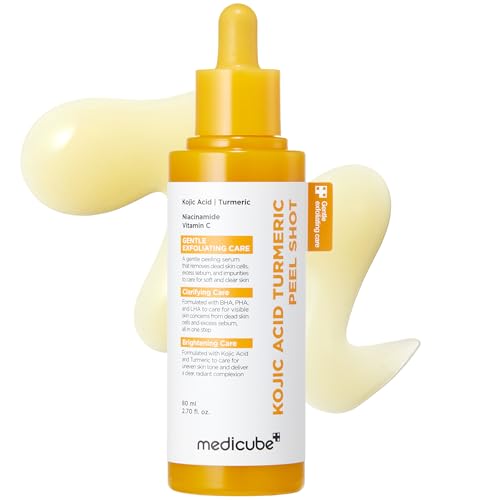
medicube Peel Shot with Kojic Acid Turmeric

Elastalift Glycolic Acid Facial Peel Serum (1.75 Fl Oz)
A Closer Look At Each Pick
Korean aqua gommage formulas work differently from acid peels: you massage the gel onto damp skin, and it rolls up dead cells into soft clumps you rinse away. That physical-but-gentle approach suits anyone whose skin stings from glycolic products but still wants a brighter, smoother surface.
The 4.23 fl oz tube lasts months at one or two weekly sessions, which matters for a maintenance-style product. Compared with the stronger Ebanel gel later in this list, this is the option you reach for between treatments rather than instead of them.
Everyday Advantages
- Low-irritation formula means most people can slot it into an evening routine without redness the next morning
- Rolling action gives visible feedback, so you can see exactly what came off rather than guessing
- Adds lightweight moisture while it exfoliates, sparing dry patches that scrubs usually aggravate
- Generous tube size keeps the cost per session reasonable over a full season of use
Things To Consider
- Owners commonly report the clumping effect feels odd the first few tries, and rubbing too hard can leave temporary pinkness
At A Glance
Who It Suits Best
Anyone with dullness and uneven texture whose skin reacts badly to acids will find this the safest entry point here.
Where A Sibling Pick Shines
Shoppers chasing faster pigment results should look at the Elastalift glycolic serum, which works deeper than any gommage can.
Most brightening products stop at the jawline, which is a problem when darkened areas show up on upper arms, knees, or elbows. medicube built this version specifically for the body, pairing kojic acid, an ingredient that targets the appearance of excess pigment, with turmeric for tone-refining support.
You rub it on rough or bumpy-looking areas, let it lift away buildup, and rinse. In a shower routine it takes under two minutes, and unlike the face-focused Dr.G gel above, there’s no delicate skin around the eyes to worry about.
What Makes Sense
- Two-in-one design removes dead buildup while delivering brightening actives, cutting a step from body care
- Kojic acid plus turmeric targets the look of darkened patches on arms, legs, and other friction-prone zones
- Rub-on format covers large areas quickly, something spot serums handle poorly
Worth Noting
- Body skin needs consistent weekly use before tone changes become noticeable, so patience is part of the deal
- The scent carries turmeric notes some users may find earthy compared with fragrance-free alternatives
Right Fit For
People dealing with rough, uneven-looking body skin from shaving friction or sun exposure will get the most from this pick.
Another Choice May Suit
For facial dark spots specifically, the SpaScriptions vitamin C mask below offers a gentler, more targeted treatment.
Peel-off masks are the training wheels of exfoliation: spread, wait, peel, done. SpaScriptions leans on vitamin C, a well-known brightening antioxidant, then rounds the formula out with cucumber extract for hydration, aloe vera for calming, and chamomile to settle reactive skin.
The tea tree scent gives it a spa-like finish, and the whole ritual fits neatly into a Sunday evening wind-down. Next to the YAFUSIPE mask coming up, this one trades aggressive pore-clearing for a softer, comfort-first experience.
Why It Works Well
- Vitamin C supports a brighter look while the peel-off action lifts dull surface cells in one step
- Cucumber and aloe vera add hydration, so skin doesn’t feel tight once the mask comes off
- Chamomile makes this a realistic choice for people whose cheeks flush easily with stronger acids
- No mixing or timing precision needed, which removes the intimidation factor from peel routines
- Refreshing tea tree scent turns a chore into something closer to self-care
Trade Offs
- Peel-off removal tugs at fine facial hair, and some owners note it pulls less evenly around the hairline
- Results skew toward glow rather than fading established dark spots, so expectations matter
Quick Facts
Who Will Love This
Skincare newcomers who want a gentle first peel, especially those with normal-to-dry skin, are the natural match.
Reach For A Different Pick When
Oily, congestion-prone skin gets better mileage from the YAFUSIPE orange peel-off mask with its deeper cleansing focus.
This orange-toned peel-off goes after two jobs at once: lifting dead surface cells and clearing out congestion around the nose and chin. The 3.4 fl oz bottle stretches further than most single-purpose masks, and the brand positions it for face, neck, and even arms.
Where the SpaScriptions mask above soothes, this one purifies. You’ll feel it firm as it dries, and the peel removes visible debris along with the dull layer, which is why it tends to earn repeat use in oily-skin routines.
Where It Excels
- Dual-action formula pairs vitamin C brightness with deep-cleansing removal of blackheads and buildup
- Works across multiple zones, face, neck, and arms, from a single 3.4 fl oz bottle
- Fast drying time means a full session fits inside a TV episode
Minor Gripes
- The firming pull during drying can feel intense on dry or mature skin, so a patch test is wise
- Peel-off masks demand clean, product-free skin first; residue left behind weakens the grip
- Some owners report needing two coats for even coverage across larger areas like the neck
Feature Snapshot
Best Suited To
Combination and oily skin types fighting both dullness and clogged pores will find the best value here.
Skip It When
Very dry or sensitive skin should lean toward the chamomile-rich SpaScriptions mask instead of this firmer peel.
Thirty percent alpha hydroxy acid puts this firmly in professional-adjacent territory. AHA dissolves the glue holding dead cells together on the surface, while BHA, salicylic acid in this case, travels into pores to clear oil and debris. Add glycolic, lactic, and mandelic acids and you have a five-acid stack aimed at post-acne marks, uneven tone, and fine lines.
This is the strongest option on the list, and it behaves like it. Short contact times, strict sunscreen habits afterward, and spacing sessions weeks apart aren’t optional extras; they’re how the formula is meant to be used.
Strengths Worth Knowing
- Five-acid combination addresses scarring, discoloration, and texture in a way gentle gommages simply cannot
- Antioxidant and brightening ingredients layered in help soften the look of lingering dark spots over repeated cycles
- Gel format spreads evenly and rinses cleanly, avoiding the drip mess of liquid peels
- Smoother makeup application follows within days, since foundation stops catching on rough patches
Points To Note
- Expect visible flaking and tightness for several days afterward; downtime is real with this strength
- Sun sensitivity rises sharply after use, so daily SPF becomes non-negotiable
Key Specs
Whose Shelf It Belongs On
Experienced users who’ve already tolerated milder acids and want serious progress on old marks will appreciate the firepower.
Swap It Out When
Acid beginners should start with the Dr.G peeling gel and graduate here only after their skin shows tolerance.
This is the face-side sibling of the body version reviewed earlier, tuned for skin dealing with visible pores, excess oil, and leftover marks from breakouts. The rub-on format means no waiting for a sheet mask or timing a rinse; you massage, lift, and move on.
It slots naturally after spot treatments, which is a niche most peels ignore. Anyone juggling an acne-care routine can add this without disrupting what’s already working, though the same patience rule applies: tone refinement shows up over weeks, not nights.
What Works In Its Favor
- Kojic acid and turmeric team up to refresh the look of dull, uneven patches while exfoliating
- Designed to follow spot care, making it one of the few peels that fits breakout-recovery routines
- Targets visible pores and oiliness, giving combination skin a two-for-one payoff
Small Caveats
- Active blemishes need to heal before application; rubbing over broken skin commonly causes stinging
The Right Fit
Adults managing occasional breakouts along with early dark marks will find this the most routine-friendly option listed.
Not Your Match When
Dry, flake-prone skin without oil concerns will likely prefer the hydrating Dr.G gel over this oil-targeting shot.
Serum-format peels trade drama for consistency. Instead of a dramatic peel-off moment, you apply a thin layer, let the four-acid blend, glycolic, salicylic, lactic, and phytic, do its resurfacing work, and follow your normal routine. The 1.75 fl oz bottle concentrates the actives, which is why it earns its premium framing.
Against the Ebanel gel, this one runs gentler per session but rewards steady use: smaller-looking pores, softened lines, and gradually more even tone. Chemical exfoliation reaches deeper than any scrub, and this formula leans fully into that advantage.
The Case For It
- Four complementary acids cover surface and pore-level concerns in a single application
- Targets age spots, hyperpigmentation appearance, and acne scar visibility without physical abrasion
- Serum delivery layers cleanly under moisturizer, unlike rinse-off peels that demand their own time slot
Honest Caveats
- Glycolic acid can sting on compromised barriers, so retinoid users should alternate nights rather than stack
- Smaller bottle size means frequent repurchasing for daily users
Perfect Match For
Thirty-something and older shoppers focused on aging signs alongside sun-related discoloration will value this most.
Consider Something Else When
Body-area darkening calls for the medicube Body Peel Shot, which is formulated for tougher skin below the neck.
What Matters Most Before Choosing Face Peels
Match Strength To Skin Tolerance
Acid percentage tells you how aggressive a session will be. A 30% AHA gel demands downtime and diligent sun protection, while gommage and peel-off formats ask almost nothing of your calendar. Start low, watch how your skin responds over two weeks, then escalate only if results stall.
Know Your Active Ingredients
Kojic acid and vitamin C work on the appearance of uneven pigment, while AHAs such as glycolic and lactic resurface texture. BHA reaches into pores, which matters for oily or congested skin. One hero active is fine for maintenance; stacked formulas suit stubborn, established discoloration.
Factor In Format And Frequency
Rub-on shots fit busy mornings, peel-off masks suit weekend rituals, and serums layer into nightly routines. Honest scheduling beats ambitious plans: a product used twice monthly delivers far less than a gentler one used weekly.
Plan Around Sun Exposure
Any exfoliation raises photosensitivity for a day or two. Outdoor workers and summer athletes should favor gentler formats or shift strong peels to cooler months, paired with daily sunscreen regardless.
Key Considerations Across These Picks
Pitfalls Shoppers Hit
Stacking multiple exfoliants in one week is the classic error, and it usually ends in irritation rather than faster results. Skipping patch tests ranks second, particularly with high-percentage acids. Read the directions before checkout too, because contact-time requirements vary widely between gels and serums.
What The Upgrade Pays For
Higher-concentration formulas justify their cost through depth of action and fewer sessions needed. Five-acid stacks and kojic-based blends cost more to formulate than simple peel-off bases. Steady users recoup that premium through visible progress on marks that gentler products only slowly soften.
Frequently Asked Questions
How often should a face peel be used?
Gentle gommage and peel-off formats typically tolerate once or twice weekly. Strong chemical peels generally call for spacing of two to four weeks between sessions.
Can peels really fade dark spots?
Consistent exfoliation speeds cell turnover, which gradually softens the look of surface-level discoloration. Deep pigmentation often needs stronger acids or professional treatment to change noticeably.
Should sunscreen be worn after peeling?
Yes, freshly exfoliated skin is more vulnerable to sun exposure. Daily broad-spectrum SPF protects the results and prevents new spotting.
What’s the difference between AHA and BHA?
AHAs dissolve dead cells on the skin’s surface, improving texture and tone. BHA, usually salicylic acid, penetrates pores and suits oily or congested skin better.
Can sensitive skin use these products?
Gommage gels and chamomile-containing peel-off masks are the friendliest starting points. Patch testing behind the ear or on the inner arm helps flag reactions before a full-face application.
Bottom Line
Your skin type should drive the decision more than any ranking. Sensitive complexions start with the Dr.G gel, oily skin gets double duty from the YAFUSIPE mask, and experienced users chasing real pigment change have the Ebanel and Elastalift acids waiting. Whatever you choose, patch test first, go slow, and let sunscreen protect every bit of progress you make.
