

Monolids hide lash bands, swallow curl, and turn most strip lashes into a frustrating morning ritual. The right pair changes that: shorter bases, thinner bands, and curls designed to peek over a flat lid line instead of disappearing under it. This list covers strips, half lashes, and clusters so you can match your eye shape, skill level, and daily routine with something that actually stays put.
The Leading Options At A Glance
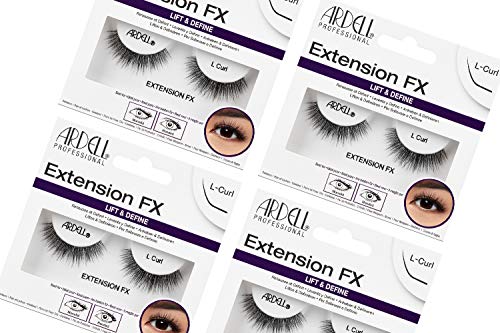
Ardell Lash Extension FX L Curl Lashes 4 Pack

LASGOOS Daily Cross Strip Lashes 5 Pairs

Onlyall Short Wispy Clear Band Lashes H21
Onlyall Wispy Clear Band Lashes H11

Spider Breeze Wispy D-Curl Lash Clusters

Vanssymunlin Short Wispy Clusters 10-14mm
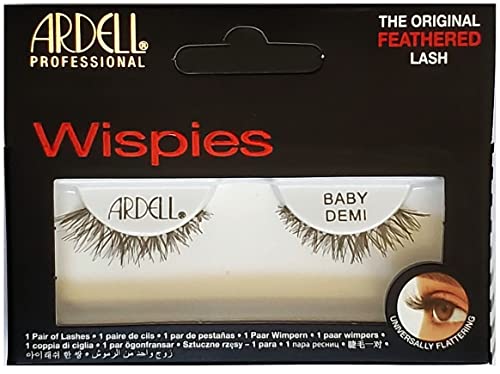
Ardell Baby Demi Wispies 4 Pairs Black

Easeful Corner Half Lashes Half-01
More On The Choices That Made The List
An L curl bends sharply at the base before lifting upward, which is exactly what a monolid needs. Standard J or C curls sit flush against a low lid crease and vanish; this sharper angle pushes fibers above the lid line where they stay visible. Ardell built its Extension FX range around specific eye shapes, and this style targets hooded and monolid eyes directly.
In daily use, that geometry means less taping, less lid-lifting technique, and no crimping your natural lashes into submission first. Four pairs per pack also makes rotation easy, since strip lashes last longer when you let them rest between wears.
The Helpful Details
- The sharp L-shaped base angle keeps fibers visible above a flat lid instead of hiding underneath it.
- A defined-but-natural finish works for both bare-skin days and full glam without switching styles.
- Reusable construction stretches one pack across many applications when stored carefully.
- Four pairs mean a clean backup is always ready mid-week.
Things To Consider
- The pronounced curl reads slightly more styled than a soft wisp, so minimalists may prefer a subtler option.
- Sharp-banded styles commonly benefit from trimming to fit smaller eye widths before first wear.
Who It Suits Best
Anyone with monolid or hooded eyes who wants visible lift from a strip lash without learning cluster placement.
Another Choice May Suit
Shoppers wanting an even lighter, barely-there feel should look at the Onlyall H21 below, whose short 12mm fibers suit very low lid space.
Five pairs at mixed 7-to-14mm lengths give you room to experiment, and that flexibility matters more on monolids than anywhere else. A cross-knit pattern adds texture without heavy volume, so the strip doesn’t collapse against a flat lid the way dense styles do. The thin black band helps here too: less band showing means fewer touch-ups through the day.
This set leans playful. The manga-inspired styling works well for cosplay, weddings, and weekends, though the softer pairs hold up fine at a desk job. First-timers get genuine value because ruining a practice pair costs almost nothing emotionally.
Everyday Wins
- Synthetic fibers feel soft against the lid rather than scratchy, which matters during long wear.
- The length range lets you trim down toward a monolid-friendly 10-11mm without wasting a whole pair.
- A cross pattern mimics mascara-separated lashes better than uniform-length strips.
- Five pairs make trial-and-error cheap for anyone still learning application.
Minor Gripes
- The longest 14mm fibers can brush brow bone on flatter lid shapes, so expect some trimming.
- Budget synthetic strands tend to lose curl memory faster than premium fibers with repeated cleaning.
Feature Snapshot
Made For
Beginners and cosplay fans who want affordable variety while figuring out what length their lids can carry.
Where A Sibling Pick Shines
Anyone prioritizing an invisible band over variety will prefer the Onlyall H21, whose clear band disappears completely against bare skin.
Three-quarter lashes stop short of the inner corner, and that single design choice solves a stubborn monolid problem: inner-corner bands are the first thing to lift when a lid folds over them. Onlyall caps these at 12mm, short enough that the tips won’t disappear into the lid fold or poke the brow bone.
Compared with the LASGOOS set above, this pick trades variety for precision. One length, one look, done well. The wispy spacing keeps it believable at conversational distance, which is the whole point of a natural-style lash.
Good Reasons To Consider
- The ultra-thin band sits nearly weightless, reducing that heavy-lidded feeling common with fuller strips.
- A clear band vanishes against skin, so no eyeliner is required just to camouflage the base.
- Superfine fibers keep the strip comfortable across a full workday.
- Sturdy enough to hold its shape through removal and re-storage.
Small Caveats
- At 12mm there’s little drama on offer, so evening glam looks may need a second, bolder pair.
- Clear bands can yellow slightly over months of reuse if glue residue isn’t cleaned off promptly.
Quick Facts
Right Fit For
Office workers and students who want believable enhancement that survives eight hours without fuss.
Swap It Out When
Anyone chasing a spiky, editorial effect should reach for the Spider Breeze clusters later in this list instead.
The H11 is the H21’s fuller sibling: same featherweight build and clear band, but a full-length strip with more body through the middle. That extra density gives slightly more presence than the H21 while staying firmly in natural territory. On a monolid, the difference shows up at the outer third, where the wisps catch light and read as lifted rather than hidden.
Comfort is the headline claim, and the superfine fiber construction supports it. You may find the full band requires a steadier hand than the three-quarter styles, since there’s more surface area to seat correctly.
Points In Its Favor
- Featherweight fibers reduce end-of-day fatigue compared with denser volume strips.
- The band holds its curve, so the strip keeps its shape between wears.
- Clear base blends into bare lids, skipping the liner-matching step entirely.
- Wispy layering reads as naturally full lashes rather than an obvious add-on.
Where It May Fall Short
- Full-strip application demands more placement accuracy than the corner-only Easeful pick.
- Those wanting noticeable drama will find this too restrained for nights out.
Who Will Love This
Commuters and long-shift workers who forget they’re wearing lashes by lunchtime and like it that way.
Look Elsewhere When
Shoppers needing maximum staying power along the outer corner should compare the Easeful Half-01, whose flat band design targets edge lift specifically.
D curl is the steepest standard curl angle, curving hard upward from the root, and paired with airy separated spikes it produces the viral spider-lash effect. On a monolid that aggressive angle earns its keep: fibers stay above the lid fold even without curling your natural lashes first.
Clusters differ from strips in that you place each segment individually along the lash line. That takes longer, but the payoff is custom control over where volume lands. Content creators love this look on camera because the separated spikes photograph crisply instead of merging into a dark smear.
Everyday Advantages
- The steep D-curl keeps spikes visible over flat lids without pre-curling.
- Airy, separated placement creates dimension that dense strips can’t fake.
- Individual clusters let you concentrate length at the outer corner for a cat-eye drift.
- The 3D finish photographs well, a real advantage for video and photos.
Honest Caveats
- Cluster application takes noticeably longer than pressing on a strip, especially at first.
- Removal requires gentle oil-based dissolving to protect natural lashes, adding cleanup time.
Core Details
Whose Shelf It Belongs On
Makeup enthusiasts and content creators comfortable with a ten-minute application who want a camera-ready result.
Skip It When
Rushed mornings call for the Ardell Baby Demi Wispies instead, since a strip goes on in seconds.
Most cluster kits pad themselves out with dramatic 16mm-plus segments that monolid wearers never touch. This kit skips the filler and sticks to 10, 12, and 14mm, the three lengths that mimic real lash growth. Nothing in the tray goes unused, which quietly improves the value of every tray.
Against the Spider Breeze clusters, this set is the calmer sibling: same DIY format, far more conservative effect. The wispy texture keeps results realistic enough for weekday wear, not just events.
Features That Help
- Three practical lengths cover inner, middle, and outer zones without waste.
- Shorter segments reduce the chance of tips folding under a low lid crease.
- Mixing lengths across the lash line produces a graduated, grown-this-way look.
- The clean natural finish suits school runs and desk days equally.
Points To Note
- Placement still takes practice, so budget a few low-stakes sessions before an event.
- Glue isn’t part of the conversation here, meaning adhesive quality depends entirely on what you already own.
Details At A Glance
Who Should Grab It
First-time cluster users who want a forgiving length range and zero pressure to master dramatic placement.
Consider Something Else When
Camera-facing occasions call for the Spider Breeze D-curl clusters, whose steeper spikes carry better on video.
Baby Demi Wispies have been a drugstore staple for years, and the reason survives contact with any lid shape: graduated fibers that start short, peak mid-lash, and taper out again. That bell curve flatters monolids because the fullest point sits where a flat lid has the most room to show it off.
They’re lighter than the original Demi Wispies, which helps on lids that bear down on heavy strips. Four pairs per pack keeps a fresh set rotating through your routine, assuming you store them back in the tray after each wear.
Strengths Worth Knowing
- Graduated wispy fibers create lift at the midpoint, flattering flat lid lines.
- Lightweight build avoids the droopy feeling heavier demi styles cause.
- Natural enough for bare-face days, layered enough for liner looks.
- Reusable pairs stretch the pack across weeks of regular wear.
Trade Offs
- The black band shows on bare lids, so a thin liner line helps it blend.
- Longtime fans of the style sometimes wish the pack included a bolder variant for evenings.
The Key Facts
Built With In Mind
Anyone who wants a dependable everyday strip they can apply half-asleep and trust until bedtime.
Reach For A Different Pick When
Very shallow lid space calls for the Ardell L Curl at the top of this list, whose sharper angle was engineered specifically for hooded and monolid eyes.
Half lashes concentrate everything at the outer corner, and the Half-01 does it with two details worth flagging. Its ultra-thin flat band spreads contact across a wider patch of lid, resisting the edge lift that plagues rounded bands on monolids. And the matte fiber finish kills that shiny plastic glint cheaper synthetics give off under daylight.
The overall shape drifts toward a soft cat eye: understated at the inner half, gently swept at the tail. Compared with the Onlyall H21, this pick trades center-lid fullness for corner definition, a different problem solved well.
Bright Spots
- The flat band’s wider contact area resists corner lifting through humid days.
- Matte fibers mimic real hair texture instead of catching glare.
- Corner-only placement lifts the outer eye without crowding the lid fold.
- Clear band disappears against bare skin for a makeup-optional look.
What To Weigh
- Center-lid sparse spots remain untouched, so naturally sparse middles may want a cluster fill.
- The cat-eye sweep reads asymmetric on rounder eye shapes unless blended with liner.
Essential Details
Perfect Match For
Minimalist wearers who want a subtle outer-corner lift that survives a full day without re-gluing.
Not Your Match When
Full, even volume across the whole lash line points back to the Onlyall H11 earlier in this list.
What Matters Most Before Choosing lashes for monolids
Band Thickness Comes First
On a monolid, the band is the part most likely to disappear, lift, or press uncomfortably into the lid fold. Ultra-thin and clear bands solve the visibility problem, while flat bands improve adhesion across a wider surface. Start there before obsessing over fiber length.
Length Beats Drama
Anything past 14mm tends to fold under a low crease or graze the brow bone. Staying in the 10-14mm window keeps fibers visible and comfortable. Shorter isn’t boring; it’s functional.
Curl Angle Does the Heavy Lifting
L and D curls bend sharply at the root, pushing fibers above the lid line where softer C and J curls would hide. Steeper angles matter more on monolids than on deep-set eyes, sometimes replacing the need to curl natural lashes at all.
Format Shapes Your Routine
Strips take seconds; clusters take minutes but offer custom placement. Half lashes split the difference. Honest self-assessment about morning time constraints prevents expensive drawer clutter.
Key Considerations Across These Picks
Traps First Timers Fall Into
The most common mistake is buying dramatic lengths first and wondering why nothing shows up. Another frequent slip: skipping trim-to-fit, then blaming the lash for poking the inner corner. Test one pair before committing to multi-packs.
What The Higher Tier Buys
Premium pricing generally reflects finer fibers, matte finishes, and band engineering that resists lifting. Those upgrades pay off most for daily wearers; occasional users rarely notice the difference.
Frequently Asked Questions
Do strip lashes work on monolids?
Yes, provided the curl is steep and the band is thin. Styles built for hooded eyes transfer best to monolids.
Are clear bands really better than black?
For bare-lid wear, clearly yes, since they need no liner to blend. With eyeliner in the routine, either works.
How long do reusable lashes last?
With gentle removal and proper storage, quality strips commonly survive 10 to 15 wears. Clusters vary more with adhesive habits.
Should I curl my natural lashes underneath?
Usually unnecessary with L or D curl styles. Softer curls benefit from a quick pre-curl for alignment.
Can half lashes replace full strips?
They serve different goals. Half lashes lift the outer corner; full strips add evenness across the entire line. Many people own both.
Bottom Line
Monolids reward precision over drama: thin bands, short-to-medium lengths, and curls engineered to rise above the fold. The Ardell L Curl remains the strongest starting point for most readers, while cluster kits suit anyone willing to trade speed for customization. Match the format to your actual mornings, and these picks will earn their shelf space.
