

Thick, coarse strands don’t play by the same rules as fine or medium hair. Every wash day feels like a negotiation with frizz, every air-dry brings a halo, and half the products on drugstore shelves just sit on top of the cuticle without sinking in. The right routine hinges on weight, slip, and heat defense, and not every bottle labeled “moisturizing” actually delivers on dense curls or waves. This roundup pulls together five treatments built to penetrate coarse texture, soften the shaft, and hold shape through humidity.
A Quick View Of The Lineup
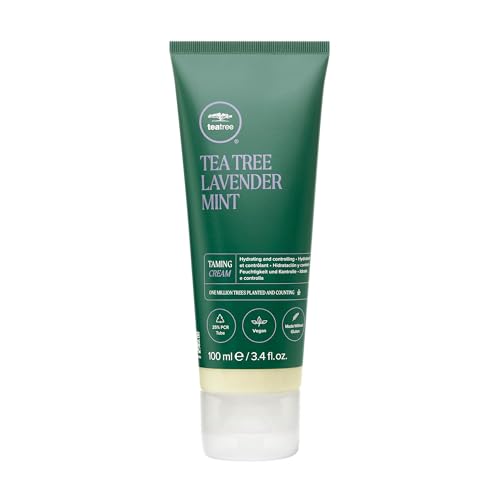
Tea Tree Lavender Mint Taming Cream 3.4 fl. oz.

OUAI Thick Hair Mask 8 Fl Oz
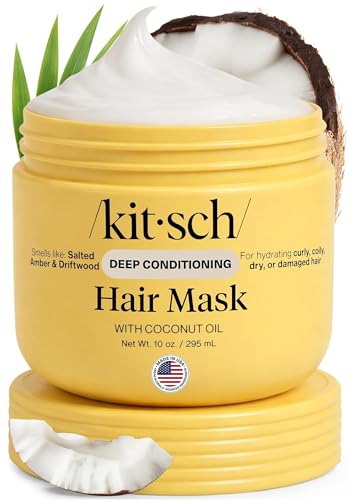
Kitsch Coconut Oil Hair Mask 10 oz
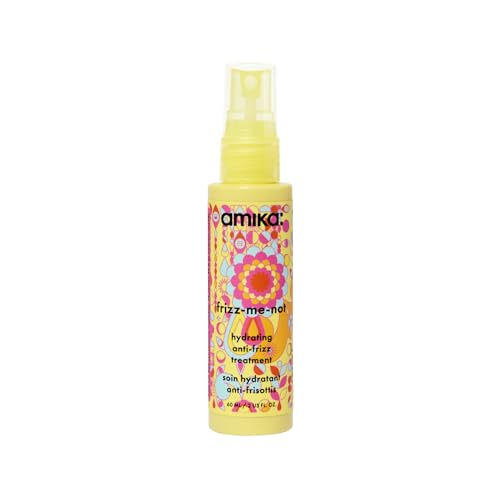
amika Frizz-Me-Not Hydrating Treatment Spray

UNOVE Frizz-Calming Sleek Leave-In Conditioner 5.07 fl oz
More On The Choices That Made The List
A traditional styler, this rich cream is built for the kind of density that drinks water and still wants more. The formula leans on monoi, pequi, and jojoba oils, three plant-based emollients (ingredients that soften and seal the hair cuticle) that coat each strand rather than soak in fast, which matters when the cuticle layer of coarse hair is naturally raised and rough. Most mornings, a nickel-sized amount warms between the palms and distributes through towel-dried hair without dragging or pulling.
Compared with the deeper masks later in this list, the taming cream is more of a daily shaper than a weekly treatment. The lavender-mint scent lingers softly without veering perfumey, and the hold stays flexible through a full workday. Anyone whose wash routine already includes a hydrating mask will probably want this as the finishing step, not the primary moisturizer.
Reasons It Performs
- Plant-oil blend (monoi, pequi, jojoba) smooths raised cuticles on coarse strands without leaving a waxy film.
- Works as a one-and-done styler for shoulder-length and shorter cuts, so the routine stays simple on rushed mornings.
- Lavender-mint profile reads more spa than salon, a small plus for anyone sensitive to heavy fragrance.
- Defines curl clumps without crunchy cast, leaving waves and spirals touchable once dry.
Trade Offs
- The 3.4 fl. oz. tube runs out faster for anyone with waist-length hair, since dense strands soak up more product per pass.
- It is a styling cream, not a deep conditioner, so very damaged hair will still need a weekly mask underneath it.
Who It Suits Best
Anyone with coarse, curly, or wavy shoulder-length hair who wants a single jar to handle definition and softness on a normal wash day.
Swap It Out When
Heavily heat-damaged or color-treated hair will benefit more from the OUAI Thick Hair Mask, which is engineered as a deeper repair step.
Where the Tea Tree cream polishes the surface, this mask goes underneath. The jar holds 8 fl. oz. of thick, balm-like conditioner designed to be left on for several minutes, then rinsed, leaving coarse hair noticeably softer and more elastic (meaning the strand stretches slightly before snapping, a sign of healthy moisture). For anyone with chemically treated or heat-stressed strands, the formulation aims at split ends and future breakage, two complaints that show up fast in dense textures.
Unlike the Kitsch coconut mask reviewed next, which is more of an everyday moisturizer, OUAI leans into a treatment-level repair. Using it once a week in place of regular conditioner is a realistic starting point, and the slip during application is generous, which means less snagging on tangled curls. For finer hair, this density can feel heavy, but on thick strands it absorbs cleanly.
Why It Works Well
- Targets split ends and breakage, which show up earlier in coarse hair because the shaft is naturally more porous.
- 8 fl. oz. jar lasts through roughly two months of weekly treatments on medium-thick hair.
- Rich slip during application reduces mechanical damage from combing through tangles.
Honest Caveats
- The thicker consistency can weigh down fine to medium hair if used as a daily conditioner.
- It is a rinse-out mask, not a leave-in, so anyone wanting all-day moisture will still need a separate product layered on top.
Feature Snapshot
Right Fit For
Shower regulars with damaged or color-treated thick hair who want one weekly treatment instead of layering multiple products every wash.
A Better Fit Elsewhere
Anyone looking for a leave-on styler with heat defense should reach for the UNOVE Frizz-Calming Leave-In Conditioner instead.
Coconut oil has a long history with coarse hair, and the Kitsch mask leans into that without complicating the formula. The 10 oz. jar is generous, enough for several months of twice-weekly treatments on long, thick hair, which puts it in a comfortable spot for shoppers watching their budget. The texture is creamy rather than balmy, so it spreads quickly through dense strands without requiring a long melt time in the shower.
Compared with the OUAI mask, this one feels more like a daily moisture boost and less like a corrective treatment. For someone whose main complaint is dryness rather than breakage, that balance works well. The trade-off shows up in slip, which is decent but not as silky as the OUAI, so detangling takes a little more patience.
Strengths Worth Knowing
- 10 oz. size covers long, dense hair across multiple weekly uses before running low.
- Coconut oil base penetrates the hair shaft more readily than many lightweight oils, which is useful for high-porosity coarse hair.
- Straightforward ingredient list suits anyone who prefers a no-frills approach to masking.
Points To Keep In Mind
- Less slip than the OUAI Thick Hair Mask, so detangling takes more finger work on tightly coiled textures.
- Coconut oil can feel heavy on low-porosity hair (strands that resist absorbing moisture), where it sits on the surface rather than sinking in.
Made For
Thirsty, high-porosity thick hair in need of consistent moisture without the salon-tier pricing.
Look Elsewhere When
Anyone targeting split-end repair specifically should pick the OUAI Thick Hair Mask, which is positioned more as a corrective treatment.
Spray formats change the rhythm of a routine, and this one is built for daily reapplication. The milky mist distributes evenly through damp hair before blow-drying, and it doubles as a heat protectant rated for flat iron and curling wand temperatures. Coarse hair tends to hold heat longer than fine hair, so the thermal buffer is a meaningful feature, not a marketing line. The formula is designed for texture types 2a through 4c, which covers most of the curl spectrum you’ll meet in a thick-coarse category.
Where the Tea Tree cream shapes and the masks repair, this spray is the daily maintainer. The trade-off is that it doesn’t replace deep conditioning, so it works best as a complement rather than a stand-alone solution. Anyone diffusing or heat-styling more than twice a week will likely use it up faster than expected.
Features That Help
- Heat protection up to 450°F shields coarse strands during blowouts and iron work without leaving grit.
- Milky spray texture absorbs fast, so there’s no waiting around before picking up the dryer.
- Suits a wide curl range (2a–4c), useful for households where more than one texture shares the bottle.
Worth Noting
- It is a styling treatment, not a deep conditioner, so it needs to be paired with a mask for full repair benefits.
- Daily sprayers will run through the bottle faster than weekly mask users, which matters for cost-per-use.
Technical Highlights
Best Suited To
Heat stylers with medium to thick coarse hair who want a daily protective step that doesn’t slow down the routine.
Not Your Match When
Air-dryers looking for a leave-in that does the heavy lifting on its own should try the UNOVE Frizz-Calming Leave-In Conditioner, which has longer-lasting humidity defense.
A leave-in pulls double duty as both conditioner and shield, and the UNOVE formula is engineered for humidity resistance, the environmental factor that turns thick strands into a fuzz ball by mid-afternoon. The 5.07 fl. oz. bottle slips into a gym bag or carry-on without tipping the scale, which makes it easy to reapply on the road. Heat protection up to 455°F covers most styling tools, and the static-resistance claim matters in dry winter air when coarse hair tends to flyaway.
Compared with the amika spray, this is a leave-in, so it stays in the hair rather than rinsing out, which means the smoothing effect compounds through the day. The trade-off is the bottle size: 5.07 fl. oz. won’t last as long as the 10 oz. Kitsch mask, so daily users will repurchase more often. For travel days and gym resets, though, the smaller footprint is a genuine plus.
Positive Points
- Humidity-resistant finish helps coarse hair hold its shape through long commutes and outdoor errands.
- Heat protection up to 455°F covers flat ironing, curling, and blow-drying in one product.
- Compact bottle fits easily in a dopp kit or carry-on, useful for travel-heavy routines.
- Static-resistant formula helps during dry-weather months when coarse strands tend to frizz at the crown.
Possible Compromises
- Smaller bottle means more frequent repurchasing for anyone applying it daily on long, dense hair.
- Leave-in weight can build up over consecutive days without a clarifying wash, especially in low-porosity hair.
Spec Overview
Who Should Grab It
Commuters and travelers with thick, coarse hair who need humidity control and heat defense in one carry-on-friendly bottle.
Reach For A Different Pick When
Anyone focused on weekly repair rather than daily defense will get more from the Kitsch Coconut Oil Hair Mask as a foundational moisture step.
What Actually Matters When Picking Hair Products For Thick Coarse Hair
Ingredient Weight And Slip
Thick strands absorb heavier formulas faster than fine hair does, so emollient-rich products (creams and oils that soften and seal the cuticle) tend to outperform water-thin serums. Look for plant oils like coconut, jojoba, or argan listed near the top of the ingredient panel. Slip is the second filter: a product that lets your fingers glide through tangles reduces breakage, which is critical when every knot pulled apart means a snapped strand. The Tea Tree Taming Cream and the OUAI mask both score well here, but the Kitsch mask relies more on patience during detangling.
Porosity Changes Everything
Porosity is how easily your hair absorbs and holds moisture. Coarse hair tends to be high-porosity, meaning the cuticle layer is raised and lets moisture in, but also lets it escape. The Kitsch coconut mask and the UNOVE leave-in are both well-suited to high-porosity strands, while the OUAI mask works across the spectrum. Low-porosity thick hair (less common, but real) may find coconut oil sitting on the surface, so lighter spray formats like the amika treatment may be a better fit.
Heat Defense For Styling Routines
Any routine that involves a flat iron, curling wand, or hot blow-dry needs a thermal buffer. Both the amika spray (450°F) and the UNOVE leave-in (455°F) cover the typical tool range. Without protection, the cuticle roughs up, which translates directly into more frizz the next day. The mask and cream in this list don’t claim heat protection, so they belong on wash day, not in pre-heat prep.
Routine Fit And Frequency
Daily stylers will burn through a 5 oz. leave-in faster than a 10 oz. mask, so cost-per-use shifts based on how often the product touches your hair. A weekly mask user gets two to three months from the Kitsch jar, while a daily sprayer may finish the amika bottle in four to six weeks. Match the format to your real schedule, not the marketing pitch.
Key Considerations Across These Picks
Pitfalls Shoppers Hit
A common trap is buying a “moisturizing” product based on the front label, then realizing the formula is too light for dense strands. Coarse hair often needs oils and butters near the top of the ingredient list, not just water and fragrance. Another mistake is layering too many leave-ins at once, which creates buildup and weighs curls down. Start with one new product at a time so you can tell what actually changed.
Where The Extra Money Goes
Premium masks like the OUAI tend to spend their budget on conditioning agents that penetrate the shaft rather than coat it, which is why a small amount goes further and results last longer. Mid-tier options like Kitsch use proven ingredients (coconut oil) at accessible sizes, which works well for shoppers who don’t need salon-grade slip. The spray and leave-in formats invest in lighter textures and heat-stable polymers, so the price reflects the engineering rather than the ingredient rarity. Pick the format that matches your real wash routine, and the value lines up naturally.
Frequently Asked Questions
How Often Should Thick Coarse Hair Be Deep Conditioned?
Once a week is a solid starting point, with an extra treatment after color services or heat-heavy weeks. The OUAI and Kitsch masks both fit a weekly schedule.
Can One Product Handle Both Moisture And Heat Protection?
The UNOVE leave-in and amika spray both combine conditioning and thermal defense, so they work as a single pre-heat step. The Tea Tree cream and the masks are wash-day products, not heat prep.
Is Coconut Oil Safe For All Thick Hair Types?
It depends on porosity. High-porosity coarse hair tends to absorb coconut oil well, while low-porosity strands may find it sitting on the surface. The Kitsch mask is a good trial if you’re unsure.
What’s The Difference Between A Mask And A Leave-In Conditioner?
A mask is rinsed out after several minutes, delivering concentrated repair. A leave-in stays on the hair, providing ongoing moisture and protection through the day. The OUAI is a mask, the UNOVE is a leave-in.
Do These Products Work On Color-Treated Hair?
Yes, but always check the individual product for color-safe labeling. Masks like OUAI are commonly used on color-treated strands, while heavier oils may affect fresh color on some hair types.
The Takeaway
Thick, coarse hair rewards consistency more than novelty, and the right product depends on where it sits in your routine. A weekly mask, a daily leave-in, and a styling cream each solve a different problem, and the picks above cover all three slots. Match the format to your wash schedule, your porosity, and your heat habits, and the routine tends to fall into place.
