

Finding a sunscreen that disappears into melanin-rich skin without leaving an ashy veil is a real daily frustration. Many formulas are designed with lighter complexions in mind, which is why a category of products built specifically for deeper tones has grown. This guide walks you through five options that aim to protect, hydrate, and let your natural undertone show through cleanly.
A Side-By-Side Look

Black Girl Sunscreen Kids SPF 50 Lotion
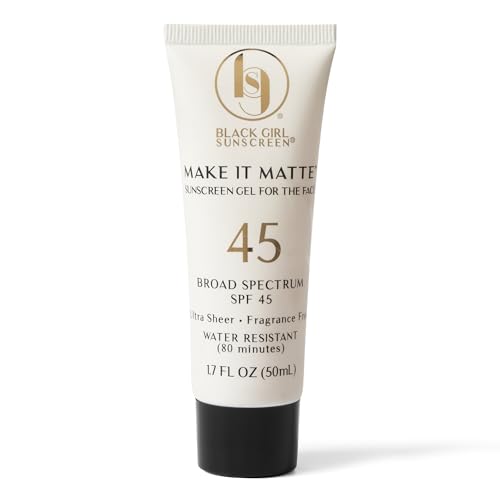
Black Girl Sunscreen Make It Matte SPF 45 Gel

Black Girl Sunscreen Make It Matte SPF 45 (2 Pack)

La Roche-Posay Anthelios Tinted Mineral SPF

CeraVe Tinted Mineral SPF 30 Moisturizer Deep
Taking A Closer Look At The Options
For parents tired of streaky white streaks on their child’s face after swim practice, the BGS Kids SPF 50 targets a familiar pain point. It’s positioned as a daily broad-spectrum option for face and body, which keeps the morning routine simple when everyone needs protection before the school run.
The brand was developed with deeper complexions in mind, so the formula is meant to dry down without the chalky finish that mineral sunscreens often leave behind. For families with mixed undertones, that shared bottle across siblings is genuinely useful.
Why It Works Well
- Broad-spectrum SPF 50 covers both UVB and UVA rays in one step.
- Designed to dry clear across a wide range of skin tones, removing the white-cast worry.
- Face-and-body versatility cuts down on two separate products cluttering the bathroom shelf.
- Daily-wear formulation makes it practical for school days, not just beach trips.
Things To Consider
- Lotion format requires a few extra seconds of rubbing in compared to a spray or stick.
- Reapplication every two hours still applies, which means carrying the bottle along for long park days.
Built With In Mind
Parents of active kids with melanin-rich skin who want one bottle that handles playground, pool, and weekend hikes without ashy residue.
Skip It When
Adults seeking a dedicated facial sunscreen with a matte or tinted finish will get more from the Black Girl Sunscreen Make It Matte SPF 45 Gel further down the list.
Humid mornings before a commute or a long desk day under fluorescent lights can turn a creamy sunscreen into a slick mess. The Make It Matte gel is built for that exact scenario, a lightweight facial formula that finishes without the shine most drugstore SPFs leave behind.
Where the BGS Kids lotion focuses on full-body coverage for the family, this one zeroes in on the face, sitting well under foundation or on its own. The brand again centers its work on deeper complexions, so the dry-down aims to read sheer rather than chalky.
What Works In Its Favor
- Gel texture absorbs quickly, which speeds up rushed morning routines.
- Matte finish plays well under foundation, primer, and concealer.
- SPF 45 hits a useful middle ground for daily urban exposure, not just vacation days.
- Sheer dry-down on deeper tones removes the ashy residue concern many users have learned to expect.
Worth Noting
- At 1.7 fl oz, the bottle goes faster than you might think with daily facial use across seasons.
- Matte finish may feel slightly tight on already-dry skin in winter without a moisturizer underneath.
- Reapplication over makeup can disturb foundation without a setting spray on hand.
The Right Fit
Combination to oily skin types who wear or skip makeup but want broad-spectrum protection without the midday shine.
Not Your Match When
Anyone needing a sheer tint for color correction or a richer cream for dry skin should consider the CeraVe Tinted Mineral SPF 30 instead.
Run through a 1.7-oz facial sunscreen in six to eight weeks and the cost-per-bottle starts to sting. The twin-pack version of the Make It Matte gel is positioned for that exact reality, two of the same 1.7-oz bottles in one purchase.
It carries the same matte, no-cast formulation as the single bottle above, just doubled up. One stays at home, one lives in the gym bag or travel pouch, depending on your real-life schedule.
Everyday Perks
- Two-bottle format means a backup is always within reach, which helps consistency.
- Identical formulation to the single bottle, so there’s no learning curve if you already use the original.
- Useful for households where more than one person borrows the same sunscreen.
Trade Offs
- Two bottles take up more shelf space than a single tube, something to plan for in tight bathrooms.
- Storage in a hot car can shorten the lifespan of any gel sunscreen, so keep one indoors.
Quick Facts
Who It Suits Best
Daily SPF users who already trust the Make It Matte formula and want a backup on hand without reordering constantly.
A Better Fit Elsewhere
First-time buyers should start with the single Black Girl Sunscreen Make It Matte SPF 45 Gel bottle to test the finish before committing to the twin pack.
Reactive skin that flares at the hint of chemical filters sends many shoppers straight to mineral formulas. The Anthelios tinted mineral fluid from La Roche-Posay lands in that lane, and adds five flexible shades to widen the undertone match across deeper tones.
Where the BGS options lean chemical and lightweight, this one uses 100% mineral filters with iron oxides for tint. Cell-Ox Shield technology handles the broad-spectrum UVA and UVB protection, and the antioxidant support is a quiet bonus for city dwellers dealing with daily pollution exposure.
Noteworthy Benefits
- Mineral filter base suits sensitive and reactive skin that struggles with chemical SPFs.
- Five-shade range gives a real chance at undertone match rather than a one-shade-fits-all approach.
- Iron oxides in the tint help soften the white cast that mineral sunscreens are known for.
- Light fluid texture spreads evenly without heavy caking, useful for no-makeup days.
Points To Note
- Tinted mineral formulas can settle into fine lines if applied too thickly, so a thin layer is the way.
- Shade selection still benefits from a swatch test in person when possible.
- Reapplication over a full face of makeup requires a sponge or fingertips and a bit of patience.
Best Suited To
Anyone with sensitive or reactive skin who wants a mineral base plus a soft tint that works on a wider range of deeper complexions.
Swap It Out When
Those wanting a lighter, chemical-feel gel and a clear (non-tinted) finish should reach for the Black Girl Sunscreen Make It Matte SPF 45 Gel instead.
Dry skin that feels stripped by midday after a sunscreen application is a real complaint, especially during colder months. The CeraVe tinted mineral SPF 30 frames itself as a moisturizer first and a sunscreen second, which puts hydration back into the picture.
Where the La Roche-Posay option stretches across five shades, this one is specifically the Deep variant, built for richer complexions. The mineral filter base keeps it friendly to sensitive skin, and the included ceramides support the skin barrier over time.
Bright Spots
- 100% mineral filter base suits sensitive skin that reacts to chemical actives.
- Built-in moisturizer reduces the number of steps in a morning routine.
- Tinted finish softens the white veil that plain mineral SPFs can leave behind.
- Ceramides support the skin barrier with regular use, which is rare in a daily sunscreen.
- SPF 30 covers typical indoor and outdoor daily exposure for most people.
Less Ideal Details
- SPF 30 runs lower than the other options here, so extended beach or pool time may call for a stronger dedicated sunscreen.
- Deep shade is a single undertone match, not a range, so swatching when possible is wise.
- Mineral formulas can feel slightly thicker than gels, especially in humid climates.
Who Should Grab It
People with dry or barrier-prone skin who want a tinted mineral SPF that hydrates and protects in one step.
Look Elsewhere When
Those wanting a higher SPF rating or a clear, non-tinted finish will be better served by the Black Girl Sunscreen Make It Matte SPF 45 Gel above.
What To Look For In A Sunscreen Built For Deeper Skin
Mineral vs. chemical filters are the first real fork. Mineral sunscreens sit on top of the skin and reflect UV rays, while chemical filters absorb them and convert the energy to heat. Mineral formulas tend to be gentler on sensitive or reactive skin but can leave a white cast without iron oxides or tint added. Chemical formulas usually feel lighter and dry transparent, which is a major plus on deeper complexions, though some people find certain chemical actives irritating.
The white cast question deserves more than a passing glance. A formula that uses iron oxides in its tint or pairs a sheer base with well-milled pigments tends to read as truly transparent once rubbed in. Test a small amount along the jawline in natural light before committing, since bathroom lighting can hide the ashy veil that shows up in sunlight.
SPF level and reapplication rhythm go hand in hand. SPF 30 covers typical daily exposure for most routines, while SPF 45 or SPF 50 makes sense for beach days, outdoor sports, or anyone who burns easily. No sunscreen, however, stays effective without reapplication every two hours, so a formula you actually like enough to reapply matters more than the number on the bottle.
Finish and skin type should match. Oily and combination skin often prefers a matte gel that controls shine under makeup. Dry or mature skin usually benefits from a moisturizing base with ceramides or hyaluronic acid. Sensitive skin typically does best with mineral filters, though plenty of chemical formulas work for sensitive users too. Matching the finish to your skin type and your real-life day is what separates a sunscreen that gets used from one that sits in a drawer.
Key Considerations Across These Picks
Where Shoppers Go Wrong
A common mistake is choosing the highest SPF without checking the finish. A sunscreen that sits in a medicine cabinet because it looks ashy in sunlight is worse than a lower-SPF product you actually wear every day. Patch-test along the jawline in natural light before buying a full size, and pay attention to how the formula wears four hours in rather than only at the moment of application. Another slip is skipping the face and relying solely on body sunscreen, which can clog pores or feel too heavy on facial skin.
The Upgrade Payoff
Higher-priced formulas in this category tend to invest in shade range, iron-oxide tinting systems, and added skin-barrier ingredients like ceramides. The La Roche-Posay Anthelios, for example, stretches across five shades and pairs mineral filters with antioxidants, which is a different value proposition than a basic chemical SPF. For daily drivers with sensitive or reactive skin, that upgrade can mean fewer midday reapplications issues and better long-term comfort. For occasional beach use, a budget-friendly gel may serve you just as well.
Frequently Asked Questions
Do chemical sunscreens work on deeper skin tones?
Yes, chemical filters often feel lighter and dry transparent, which is a real benefit on melanin-rich skin. The white cast issue is more commonly tied to mineral formulas without iron oxides or tinting.
What SPF is right for everyday wear?
SPF 30 covers most daily indoor and outdoor exposure for the average routine. If you spend long hours outside, commute on foot, or have a history of burning easily, SPF 45 or higher gives extra headroom.
How often should sunscreen be reapplied?
Every two hours is the standard guidance, and sooner after swimming, sweating, or toweling off. A formula you enjoy wearing makes that rhythm easier to maintain.
Can tinted sunscreen replace foundation?
For light coverage days, yes. The CeraVe and La Roche-Posay tinted options can even out tone and add a soft glow. Full-coverage looks still call for a separate foundation on top.
Is mineral sunscreen better for sensitive skin?
Often, yes, since mineral filters sit on the surface rather than absorbing into the skin. That said, individual reactions vary, so patch-testing remains important regardless of filter type.
Final Verdict
The right pick depends on your day, your skin type, and how you like to wear protection. The BGS Kids lotion is the practical family option, the Make It Matte gel is the everyday facial favorite, the twin pack is the bulk-savvy choice, the La Roche-Posay mineral fluid serves reactive skin with a flexible shade range, and the CeraVe tinted moisturizer is the dry-skin answer. Match the finish to your routine, commit to reapplication, and the rest tends to fall into place.
