

Japanese and Korean skincare routines have reshaped how many people think about a basic face wash. The right cleanser does more than lift grime; it sets the stage for every serum and moisturizer that follows, and the wrong one can quietly undermine the rest of your routine. Choosing among foams, oils, and clay formulas gets confusing fast, especially when labels mix Japanese, Korean, and Western marketing language.
This roundup sorts through five cleansers that show up again and again on skincare shelves, from a pharmacy staple in Tokyo to a K-beauty capsule foam. Each pick suits a different skin moment, so a quick scan of the table below should point you toward the formula that fits your routine.
The Leading Options At A Glance
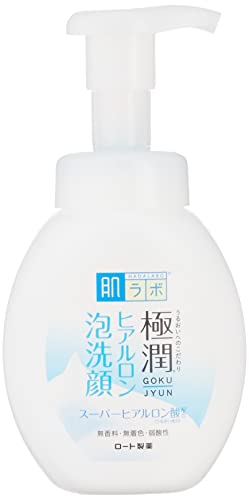
Hada Labo Rohto Gokujyn Hyaluronic Acid Cleansing Foam

medicube PDRN Pink Glutathione Capsule Foam Cleanser

Kwailnara Cleansing Story White Clay Foam

Senka Perfect Whip A Facial Cleanser 120g 2-pack

SEKKISEI Treatment Cleansing Oil 10.1 oz
The Strengths Of Each Pick
Hada Labo’s foaming cleanser has earned its place in bathrooms from Osaka to Ohio, and the appeal is straightforward: a self-foaming pump that delivers a soft, dense lather the moment you press down. Hyaluronic acid, a moisture-binding ingredient that holds many times its weight in water, sits at the heart of the formula, which keeps skin from feeling stripped after rinsing. The 160ml bottle lasts comfortably through several weeks of twice-daily use, and the lightweight texture makes it easy to work across the face without tugging.
Compared with the clay-based Kwailnara later in this list, this one skips any absorbent minerals and goes straight for hydration. Travelers and office workers who wash their face in a dry, climate-controlled environment tend to appreciate that softness most.
Everyday Wins
- Self-foaming pump saves time during a rushed morning routine.
- Hyaluronic acid helps skin feel comfortable, not tight, post-rinse.
- Made in Japan, consistent with the brand’s long pharmacy-shelf history.
- Compact 160ml footprint fits neatly on a small sink ledge.
Honest Caveats
- The pump mechanism can clog if the nozzle isn’t wiped clean occasionally.
- Lacks any clay or acid, so oily skin may still feel slick in the T-zone.
Key Specs
Who Will Love This
Anyone with normal-to-dry skin who wants a fuss-free, hydrating daily cleanse and already follows a simple routine.
Consider Something Else When
You deal with visible oiliness and clogged pores, in which case the Kwailnara white clay foam offers a more absorbent option.
Medicube takes the standard foam cleanser and layers in capsule technology, where tiny spheres carry active ingredients (the components meant to treat the skin) until they break against your face. PDRN, short for polydeoxyribonucleotide and sourced from salmon DNA, sits alongside glutathione, an antioxidant often discussed for brightening, and collagen, a structural protein linked to skin firmness. The pink-tinted foam feels cushiony on the skin and rinses clean, leaving a soft finish rather than a squeaky one.
Where Hada Labo focuses on hydration alone, this pick tries to multitask by addressing dullness while it cleanses. Skincare enthusiasts who already use actives like vitamin C or retinol tend to gravitate toward this kind of built-in brightening step.
What Makes Sense
- Capsule delivery aims actives at the skin’s surface during the wash step.
- Glutathione and PDRN pair for a brighter-looking finish over time.
- Foam texture avoids the dryness some brightening cleansers leave behind.
Points To Keep In Mind
- Active ingredients sit on skin briefly, so benefits are modest compared with a leave-on serum.
- Fragrance and added color may bother those with reactive skin.
Built With In Mind
People building a multi-step routine who want their morning cleanse to quietly support brightness without adding another product.
Reach For A Different Pick When
Your main goal is removing sunscreen and makeup at the end of the day, where the SEKKISEI Treatment Cleansing Oil does the heavy lifting more efficiently.
Kwailnara’s white clay foam brings Korean botanical tradition into a tube. White clay, a fine mineral powder known for drawing out surface oil, does the deep-cleaning work, while a blend of plant extracts softens the experience. You squeeze out a cream, lather it between damp palms, and watch it turn into a cloud of foam that rinses away without leaving a chalky film. The botanical leaning makes it feel like a spa product even at its modest price point.
Compared with Senka’s whipped-lather approach, this one trades volume for absorbency, so the post-wash skin reads matte rather than dewy. Hot, humid climates and oily complexions tend to benefit most from that finish.
Why It Works Well
- White clay helps pull excess sebum from the T-zone.
- Botanical extracts keep the formula gentle enough for daily use.
- Tube format avoids the air exposure that can dry out jarred cleansers.
Trade Offs
- Clay’s absorbency can feel tight on already-dry cheeks during winter.
- Lather is thinner than the dense foam of Senka or Hada Labo.
Right Fit For
Oily and combination skin types, especially during humid summer months when shine builds faster than usual.
Skip It When
You lean toward a hydrated, plumped post-cleanse feel, in which case the Hada Labo hyaluronic foam is a more comfortable match.
Senka Perfect Whip has become shorthand for a soft, meringue-like lather that turns a small amount of cream into a generous foam. The 2023 formulation keeps that signature texture, and the two-pack listing stretches a familiar staple into a longer stretch of daily use. A little goes a long way, so a 120g tube often outlasts a comparable pump bottle, and the dense cushion of foam makes a second cleanse feel indulgent rather than repetitive.
Where the medicube foam leans on actives and the Kwailnara leans on clay, Senka focuses purely on the physical experience of washing. People who wash their face multiple times a day, or who use it as the second step in a double cleanse, often find this format the most efficient.
A Few Highlights
- Iconic whipped texture cushions the skin during massage.
- Two-pack format reduces the need to reorder often.
- Concentrated formula means a small dab produces plenty of lather.
- Works as a follow-up to an oil or balm cleanse.
- Plays well with most moisturizer and serum routines that follow.
Some Limits To Know
- No targeted actives, so it doesn’t double as a treatment step.
- Scented formula may not suit those who avoid fragrance in skincare.
- Tube design can leave product near the cap if not squeezed from the base.
Perfect Match For
Anyone practicing double cleansing, where an oil or micellar step is followed by a water-based foam, and who values lather over treatment extras.
Look Elsewhere When
You’d rather fold brightening or firming ingredients into the cleanse itself, in which case the medicube capsule foam fits that brief more directly.
SEKKISEI’s treatment oil sits in a different lane from the foams above, and that’s the point. An oil cleanser works on dry skin first, dissolving sunscreen, foundation, and the day’s sebum before water ever touches your face. Job’s tears extract, a botanical long used in East Asian skincare, anchors the formula, and the lightweight texture emulsifies (turns milky when it meets water) quickly under warm water. The 10.1 oz bottle tends to last several months even with nightly use.
While Hada Labo and Senka build their appeal around lather, this one earns its place by removing what the others cannot. Pairing it with a gentle foam for a second cleanse gives you the full double-cleansing method that defines many Japanese and Korean routines.
Key Advantages
- Dissolves waterproof makeup and stubborn sunscreen efficiently.
- Emulsifies cleanly so it rinses without a greasy residue.
- Job’s tears extract adds a calming, traditional botanical note.
- Large 10.1 oz size suits a shared bathroom or long-term user.
Worth Noting
- Essential-oil-derived fragrance may be noticeable during application.
- Not a stand-alone daily cleanser; a water-based step usually follows.
Whose Shelf It Belongs On
Makeup wearers and anyone who layers sunscreen daily, and who wants a comfortable first step before a foam or gel follows.
A Better Fit Elsewhere
You prefer an all-in-one morning cleanse with no oil step, where the Senka Perfect Whip covers that single-step scenario.
What To Weigh Before Picking A Cleanser
Cleanser choice is more about your skin’s current state than about brand loyalty. Foams suit normal-to-oily skin that handles surfactants (the cleansing agents that lift oil and grime) well, while oils work best as a first step when makeup or sunscreen needs dissolving. Clay formulas earn their slot when excess sebum and post-summer congestion are the main concerns, and hyaluronic-acid-driven foams make sense for skin that tends toward tightness or flaking.
A double cleanse, an oil step followed by a water-based one, makes the most sense for evenings that include makeup or SPF. Mornings often do fine with a single foam. Sensitive skin usually benefits from shorter ingredient lists and a quick patch test behind the ear before committing to a full face.
Matching Texture To Skin Type
Foam, clay, and oil each interact with skin differently. A whipped foam spreads evenly but can over-cleanse dry patches. Clay absorbs surface oil and may leave combination skin balanced. Oil binds to other oils, which is why it handles makeup so well, but it can feel heavy on skin that already runs slick.
The Role Of Active Ingredients
Brighteners like glutathione or niacinamide work best in leave-on products, so cleansers that include them offer a gentle nudge rather than a major effect. Hyaluronic acid and ceramides (fatty molecules that help the skin hold moisture) play more nicely in a wash because they help the skin hold water during the brief contact time.
Practical Ownership Notes
Pump foams can clog if the nozzle isn’t wiped, clay tubes should be kept dry at the cap, and oil cleansers benefit from a quick shake before use if the formula separates over time. None of these are dealbreakers, but small habits keep the product performing across its full lifespan.
Smart Notes Before You Buy
Common Shopping Slip Ups
Reaching for a clarifying cleanser when your skin is already dry is the fastest way to trigger flaking, and skipping a patch test on a new active-rich formula can turn a small experiment into a red, irritated week. The honest read is to match the formula to your skin’s behavior this month, not the skin you had last summer.
Where The Extra Money Goes
Higher-tier cleansers usually spend their budget on texture and added actives rather than on cleaning power alone. A richer foam or a stable encapsulation system, the technology that keeps active ingredients intact until use, often explains the gap. The upgrade pays off when those extras align with a specific skin goal, like brightening or barrier support, rather than when you simply want a basic daily wash.
