

Switching from bottled conditioner to a solid bar changes your shower routine in small, satisfying ways. The plastic footprint drops, the shelf space opens up, and a single bar tends to outlast two or three bottles of liquid. The trade-off shows up when a bar is poorly formulated: waxy residue, tangles on rinse-out, or a pH (a measure of how acidic or alkaline a formula sits) that leaves fine hair flat. This roundup sorts through five solid options across different hair needs, textures, and price expectations, so you can pick one that fits your hair rather than fighting it.
A Side-By-Side Look

MARS MADE Castor Oil Conditioner Bar

Kitsch Castor Oil Conditioner Bar

Kitsch Argan Oil Conditioner Bar
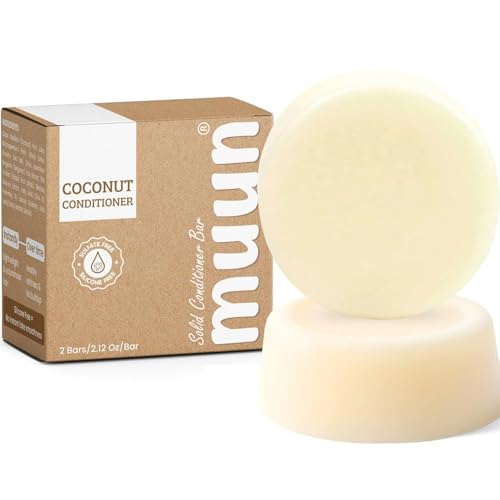
Muun Coconut Conditioner Bar Pack 2

HiBAR Moisturize Conditioner Bar
Inside Each Recommended Option
The MARS MADE bar earns its spot at the top by being one of the few solid conditioners built around castor oil, a heavyweight emollient (a rich, skin-softening fat) that coats strands and locks in moisture from root to tip. At 3.5 oz it is the largest bar in this lineup, which translates to roughly 60 to 80 washes depending on hair length and how directly you glide the bar over strands. It positions itself as a universal fit, so households with mixed hair types can share a single bar without playing chemist.
Compared to the Kitsch argan bar further down, this one leans richer, which matters for coarse or curly textures that drink heavier conditioning. Daily commuters who wash every morning should still get a full month of use from a single bar, making the per-wash cost genuinely reasonable. The format is a true solid soap, so storage is simple: a draining dish away from direct shower spray keeps it from turning to mush.
Practical Advantages
- Castor oil base delivers heavier conditioning for coarse, curly, or chemically treated hair
- Larger 3.5 oz size stretches further per bar than the 2.7 oz competitors
- Positioned for all hair types, so one bar covers a whole household
- Solid format means no plastic bottle in the recycling bin
- Compact puck shape travels well in gym bags or carry-on luggage
Trade Offs To Consider
- Richer formula can weigh down very fine, straight hair if over-applied
- Solid bars need a dry storage dish between uses to avoid softening quickly
- Castor oil scent is mild but noticeable to anyone sensitive to earthy fragrances
Key Specs
Who It Suits Best
Households with mixed hair types and anyone with thick, curly, or chemically treated strands who wants one bar to share or rotate through.
Look Elsewhere When
Fine, easily weighed-down hair may sit happier with the Kitsch Argan Oil Conditioner Bar, which uses a lighter oil base.
The Kitsch Castor Oil Conditioner Bar targets a specific kind of hair stress: strands that have been bleached, heat-styled, or left to air-dry in chlorinated water for too long. Where the MARS MADE bar aims for everyday smoothness, this one leans into a thicker castor oil base designed to lubricate the hair shaft (the visible length of each strand, from root to tip) and reduce breakage at the ends. At 2.7 oz it is more compact, but the bar is dense, so a little goes a long way on towel-dried hair.
You get the most out of this bar by gliding it directly over mid-lengths and ends rather than scrubbing it across the scalp. Co-washers (people who skip shampoo and cleanse with conditioner alone) tend to favor this format because the formula leaves enough slip to detangle without stripping. If your hair reacts to heavy silicones (silicone-based smoothing agents that coat strands), the castor oil base is a worthwhile alternative to test.
The Upside
- Castor oil formula targets split ends and breakage on over-processed hair
- Compact 2.7 oz size fits in a standard soap dish or travel tin
- Works well as a co-wash for curly and textured hair routines
- Solid format eliminates pump bottles that clog with product residue
Points To Keep In Mind
- Smaller bar means more frequent repurchasing than the 3.5 oz MARS MADE option
- Heavy conditioning may feel greasy on day-two roots for fine-haired users
- Needs to dry fully between uses or it softens faster than harder bars
Made For
Curly, textured, or color-treated hair that needs richer slip and breakage support during detangling.
Swap It Out When
Fine or oily hair will likely prefer the Kitsch Argan Oil Conditioner Bar, which uses a lighter, smoothing oil instead.
Where the castor oil bar works through sheer weight, the Kitsch Argan Oil Conditioner Bar takes the opposite approach: argan oil, a lighter conditioning agent prized for shine and slip without residue. This is the bar to reach for when your hair is fine to medium, prone to frizz in humidity, and you hate the slightly coated feeling some solid bars leave behind. Made in the USA, the 2.7 oz puck lasts roughly as long as its castor sibling, with a similar glide-and-rinse technique.
You get the cleanest results by working the bar between wet palms, then distributing the lather through mid-lengths. Flyaways in shoulder-length hair tend to settle within minutes of rinse-out, and the lighter formula means you can use it daily without that second-day limp feeling common to heavier bars. For anyone in a humid climate, the smoothing effect here is the headline feature.
The Case For It
- Argan oil base adds shine and slip without weighing fine hair down
- Specifically targets frizz and flyaways in humid conditions
- Manufactured in the USA, which matters to shoppers who track origin
- Works well as a daily conditioner rather than a weekly treatment
Honest Caveats
- Lightweight feel may not satisfy very coarse or tightly coiled hair that needs richer slip
- Same 2.7 oz size as the Kitsch castor bar, so the per-bar lifespan is comparable
Right Fit For
Fine to medium hair that frizzes in humidity and needs daily conditioning without the heavy feel of castor-based bars.
Consider Something Else When
Tightly coiled or severely dry hair will likely want the MARS MADE Castor Oil Conditioner Bar for its heavier conditioning profile.
The Muun two-pack changes the math on solid conditioner ownership. You get two bars in the bundle, which means you can keep one in the shower and one in a gym bag, or rotate them while one fully dries between uses. Coconut oil drives the formula here, paired with shea butter and almond oil, giving the bar a richer slip than the argan option but a lighter feel than the castor bars. The “damaged or oily hair” framing on the label is broad, and in practice the formula works for medium hair that swings between dry ends and oily roots.
The two-pack also reduces the risk of trying a new format. Solid bars have a learning curve, and the first puck often disappears faster while you figure out how much pressure to apply. A backup bar means you can experiment without anxiety. Storing extras in a cool, dry linen closet keeps the second puck from absorbing bathroom humidity before you even open it.
Standout Benefits
- Two-bar bundle lowers the per-bar cost and gives you a backup
- Coconut and shea butter base offers medium-weight conditioning
- Useful for rotation, since one bar can dry fully while the other is in use
- Works across hair types from medium to thick without flattening finer textures
Worth Noting
- Coconut oil can feel slightly waxy on very fine, straight hair in humid weather
- The two-pack size may be more than a single-person household needs at once
Best Suited To
Multi-person bathrooms or anyone new to solid conditioners who wants a backup bar while learning application technique.
Reach For A Different Pick When
Single users with fine hair may find the Kitsch Argan Oil Conditioner Bar a better fit, since it skips coconut’s heavier slip entirely.
The HiBAR Moisturize Conditioner Bar narrows its focus to one job: putting moisture into dry, frizz-prone strands. The formula skips the oil-heavy approach of the castor and coconut options in favor of a targeted hydration profile, which is helpful if your hair is medium-textured and reacts to richer bars with that coated, slightly limp finish. Sold as a single bar, it is the most straightforward entry point for someone dipping into solid conditioner for the first time.
Compared to the argan bar from Kitsch, this one feels slightly more conditioning on first rinse, which makes it a reasonable bridge product for hair that is too dry for argan alone but not coarse enough to justify castor. You may find the single-bar size disappears faster in shared bathrooms, since everyone reaches for it, but the smaller footprint also means it dries quickly between uses. For dry climates or winter months, this bar’s hydration focus earns its place at the end of the list.
A Favorable Mix
- Moisture-focused formula targets dry and frizz-prone hair without heavy oils
- Single-bar size is approachable for first-time solid conditioner shoppers
- Compact shape fits in smaller soap dishes common in apartment showers
- Hydration profile works year-round in dry climates or heated indoor spaces
Smaller Limitations
- Single bar means no backup while one dries, so you may need to buy two for rotation
- Hydration focus may not satisfy very coarse or chemically treated hair that needs richer slip
Who Should Grab It
Anyone with dry, frizz-prone medium hair who wants a straightforward, no-fuss moisture bar for daily use.
Where Another Pick Suits Better
Severely damaged or color-treated hair may need the richer castor profile of the Kitsch Castor Oil Conditioner Bar.
What To Weigh Before Choosing A Solid Conditioner
Start with your hair’s actual behavior, not the marketing label. Dry, coarse, or curly hair tends to drink heavier oils like castor and coconut, while fine or easily flattened hair usually prefers lighter bases like argan. Look at the bar’s primary oil first, then consider the weight of the rest of the formula.
The size of the bar matters more than people expect. A 3.5 oz puck like the MARS MADE option genuinely outlasts the 2.7 oz alternatives, and the per-wash cost drops accordingly. Smaller bars can still make sense for travel or rotation, but for everyday shower use, larger pucks tend to deliver better value.
Storage is the silent variable in solid conditioner ownership. Bars that sit in pooled water dissolve fast, no matter how good the formula is. A draining dish, a magnetic holder, or any setup that lets the bar dry between uses extends its lifespan significantly. In humid bathrooms, this single habit can double a bar’s usable life.
Finally, give any new bar at least two weeks before judging. Hair adjusts to a new conditioning routine, and the first few washes can feel different from the steady-state result. If after that window the bar still feels wrong, it probably is, and another oil base is the logical next experiment.
A Few Real-World Buying Angles
Common Shopping Slip Ups
The most frequent misstep is picking a bar by scent alone. A tropical coconut or warm castor fragrance is pleasant, but the oil base underneath the scent does the actual work. Shoppers also tend to under-estimate how often they need to rotate bars, and they buy a single 2.7 oz puck, then feel frustrated when it disappears in three weeks. The two-pack options exist for a reason. Lastly, assuming any solid bar works in hard water (water with high mineral content) can lead to residue buildup, so pairing a clarifying shampoo with a rich conditioner bar often solves more problems than switching bars.
Where The Extra Money Goes
Higher-tier bars in this category usually invest in two places: the oil base quality and the pH balance. Cheaper bars can sit at a pH that roughs up the hair cuticle (the outermost protective layer of each strand), leading to tangles and dullness. Better-formulated bars keep pH closer to the hair’s natural range, which is why they rinse cleaner and leave less waxy feel. That formulation work is what the extra cost typically covers, and it is worth paying up for it if your hair has been color-treated or chemically processed.
Frequently Asked Questions
How long does a hair conditioner bar typically last?
Most 2.7 to 3.5 oz bars last 40 to 80 washes depending on hair length, application pressure, and how well the bar dries between uses. Storing it on a draining dish away from direct water extends the lifespan noticeably.
Can you use a conditioner bar on color-treated hair?
Yes, most solid conditioner bars are safe for color-treated hair, though richer castor and coconut formulas tend to perform better on processed strands. Lightweight argan bars work for daily use between deeper treatments.
Do conditioner bars work as well as liquid conditioner?
For most hair types, a well-formulated bar delivers comparable smoothness and detangling. The main difference is application technique: bars reward a glide-and-rinse approach rather than the squeeze-and-pour habit of bottled formulas.
How should you store a conditioner bar in the shower?
Keep it on a draining soap dish or magnetic holder between uses so air circulates around the base. Standing water softens any solid bar quickly, regardless of formulation quality.
Are conditioner bars suitable for oily hair?
Lighter formulas based on argan oil or targeted hydration work better for oily hair than richer castor or coconut options. Applying the bar only to mid-lengths and ends, rather than the scalp, also helps manage oil between washes.
Wrap Up
The right hair conditioner bar comes down to matching the oil base to your hair’s actual behavior, not the label on the front. Castor and coconut formulas carry dry, coarse, or textured hair, while argan and hydration-focused bars keep fine or easily flattened hair light. Pick the bar that fits your texture, give it a couple of weeks, and let the rinse-out feel be the final judge.
