

Your skin deserves a serum that earns its spot on the shelf, not just a pretty bottle. The right face oil serum can replace a drawer full of half-used products, delivering hydration, brightness, and a smoother feel in a single step. The trick is matching the formula to your skin type and daily routine, not chasing whatever’s trending on social media.
A Snapshot Of The Selections

The Organic Skin Co. Gua Sha Oil for Face Care 30mL

Ember Cloud Vitamin C Serum for Face 1 Oz

La Roche-Posay 12% Vitamin C Face Serum

Bad Dog Black Seed, Rosehip & Castor Oil Serum 1 Fl Oz
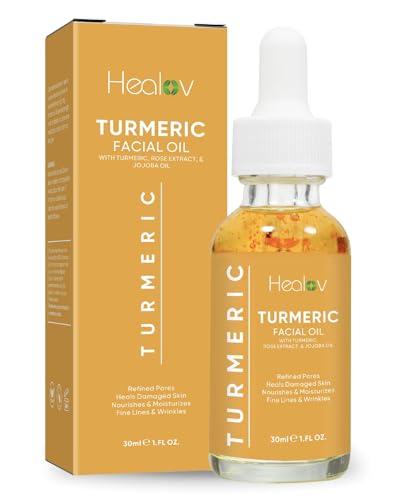
Healov Turmeric Oil for Face & Body
The Strengths Of Each Pick
A multi-purpose facial oil designed to glide under a gua sha tool, this 30mL bottle from The Organic Skin Co. leans into botanical ingredients like jojoba, calendula, sunflower, and turmeric oils. The CO2 extraction method preserves more of the plant’s active compounds than standard cold-pressing, which matters if you’re investing in a routine beyond just basic moisturizing.
You’ll get a subtle honeysuckle scent rather than an overpowering fragrance, and the lightweight texture absorbs quickly enough for morning use under sunscreen. It’s a solid match for anyone already practicing gua sha or curious about adding a sculpting massage to their evening wind-down.
Practical Pluses
- Slip-friendly texture works well for gua sha scraping motions, reducing tugging on the skin
- Jojoba mimics your skin’s natural sebum, so it hydrates without sitting greasy on most face shapes
- Turmeric and calendula bring a gentle brightening angle for uneven tone and post-blemish marks
- Light enough to layer under makeup or sunscreen, which simplifies a morning routine
- Suitable across dry, oily, and mature skin types based on the ingredient list
Things To Consider
- The yellow tint from turmeric can transfer onto light-colored pillowcases if you skip rinsing in the morning
- Bottles occasionally arrive with packaging variations, which can feel inconsistent if you’re reordering
- Stronger herbal scent may not suit those sensitive to fragrance in skincare
Key Product Details
Who It Suits Best
Anyone already using a gua sha stone or roller and wanting a purpose-built companion oil rather than a generic moisturizer.
Consider Something Else When
Healov Turmeric Oil for Face & Body makes more sense for shoppers who want pure turmeric concentrate without the jojoba or calendula blend.
The Ember Cloud formula stacks three skin-care heavyweights: vitamin C, stem cells, and hyaluronic acid, a moisture-binding molecule that can hold many times its weight in water. The result is a serum aimed at people chasing brightness and a more even skin tone without layering four separate products.
The 1 oz size fits a morning routine comfortably, and the water-based consistency sits well under moisturizer and SPF. It’s a practical match for first-time serum users who want a single bottle to handle dullness and dehydration at once.
Good Reasons To Consider
- Combines brightening (vitamin C) and plumping hydration (hyaluronic acid) in a single step
- Stem cell extract adds a regenerative angle that’s rare in budget serums
- Lightweight feel makes it layerable under sunscreen without pilling
Points To Keep In Mind
- Vitamin C serums oxidize over time, so finishing the bottle within a few months matters for potency
- Stem cell claims vary widely in the industry, so expect a general brightening effect rather than dramatic resurfacing
Best Suited To
Beginners building a simple morning routine who want one serum to tackle dullness and dryness together.
Look Elsewhere When
La Roche-Posay 12% Vitamin C Face Serum suits oily and combination shoppers who need salicylic acid alongside their brightening dose.
La Roche-Posay’s 12% vitamin C serum comes in two formula options, giving you room to pick based on whether salicylic acid or hyaluronic acid fits your skin’s needs. Salicylic acid is a beta-hydroxy acid that exfoliates inside the pore, while hyaluronic acid draws moisture into the surface. The 12% concentration of vitamin C (ascorbic acid) lands in the effective range without the irritation risk that higher percentages can bring.
This one’s built for people who want a clinical-leaning routine. Compared to the Ember Cloud serum above, the difference is texture: La Roche-Posay often feels silkier, but it can take longer to absorb if you over-apply.
Everyday Wins
- Two formula variants let you target oil control or hydration without buying separate products
- 12% vitamin C sits in the sweet spot for daily brightening without overwhelming sensitive skin
- Hyaluronic acid variant adds plumping alongside the antioxidant dose
Some Limits To Know
- You may find the salicylic acid version drying if your skin already runs tight or flaky
- Stronger clinical positioning often means a steeper learning curve for pairing with other actives like retinol
Feature Card
Made For
Oily, combination, and acne-prone skin types who want a brightening serum that also helps with pore appearance.
Skip It When
The Organic Skin Co. Gua Sha Oil for Face Care suits dry or mature shoppers who prefer oils over water-based serums.
Three ingredients, nothing else: black seed oil, rosehip oil, and castor oil, all cold-pressed and blended in small batches. The short ingredient list is the entire point here, aimed at shoppers tired of reading 20-item labels and wanting a face oil serum they can actually pronounce.
The 1 fl oz glass bottle lasts a while since you only need a few drops per use. Rosehip brings vitamin A precursors, black seed offers antioxidant support, and castor oil locks moisture in. For minimalists, this trio covers a lot of ground.
What Makes Sense
- Three-ingredient formula reduces the chance of reactions for sensitive shoppers
- Cold-pressing preserves nutrients that heat-extraction methods can strip away
- Works as both a facial oil and a targeted treatment for dry patches around the nose or brows
Worth Bearing In Mind
- Heavier oils like castor can feel occlusive on humid days or for very oily skin types
- Small-batch production means availability can fluctuate, so stocking up helps
Right Fit For
Minimalist skincare shoppers who want a short ingredient list and a bottle that pulls double duty on face and body.
A Better Fit Elsewhere
Ember Cloud Vitamin C Serum suits anyone wanting a water-based brightening serum rather than an oil-based moisturizer.
Healov’s offering is a single-ingredient turmeric oil, which is unusual in a category full of blends. The format works as a targeted treatment for dark spots, post-acne marks, and uneven tone rather than a full-face moisturizer. Turmeric contains curcumin, a compound often studied for its antioxidant properties.
You can mix a drop or two into your existing face oil serum, or apply it directly to problem areas. It’s a flexible add-on rather than a replacement for a daily hydrator.
What Earns Its Place
- Pure turmeric oil means no fillers diluting the active compound
- Doubles as a face and body treatment, useful for marks on the chest or shoulders
- Mixes easily into other oils, so you can customize your existing routine
Practical Considerations
- Turmeric stains, so applying before white clothing or light towels requires caution
- Single-ingredient format means it lacks the hydrating base oils in the other picks on this list
Who Should Grab It
Anyone dealing with stubborn dark spots or post-blemish marks who wants a targeted oil to layer into their current routine.
Another Choice May Suit
Bad Dog Black Seed, Rosehip & Castor Oil Serum fits shoppers wanting a daily-use oil with multiple hydrating ingredients rather than a spot treatment.
Matching Face Oil Serums To Your Skin Goals
Picking the right serum starts with your skin type and what you actually want the product to do. Dry and mature skin usually benefits from richer oil blends, with jojoba, rosehip, and argan offering the kind of fatty acid profile that mimics your skin’s natural moisture barrier. Oily and acne-prone skin often does better with lighter water-based serums, or oil blends where black seed and tea tree lead the ingredient list.
Vitamin C serums work best in the morning, since antioxidants pair well with sunscreen for daytime protection. Facial oils and richer serums tend to shine at night, when your skin’s repair cycle kicks in. If you’re new to actives, start with a lower concentration (around 10% vitamin C) and work up to avoid irritation.
Consider your climate too. Humid environments can make heavier oils feel suffocating, while dry winter air might call for an extra occlusive layer. Sensitive skin should patch-test any new serum along the jawline for 48 hours before applying it to your full face.
Reading The Ingredient List
The first three to five ingredients on any serum label make up the bulk of the formula. Water, aloe vera juice, or a carrier oil like jojoba usually sits at the top, followed by the active compounds you actually paid for. If vitamin C or hyaluronic acid appears near the bottom of a long list, the concentration may be too low to matter.
Packaging And Shelf Life
Vitamin C oxidizes when exposed to light and air, so dark glass bottles with droppers or pumps preserve potency longer than clear plastic. Most oil-based serums last 6 to 12 months after opening, though you’ll want to check the product page for any specific guidance. Store your serums away from steamy bathrooms if you can, since heat speeds up degradation.
Layering Order Matters
Apply serums after cleansing and toning, but before your moisturizer. Water-based serums go on first, followed by oil-based formulas to seal everything in. Waiting 30 to 60 seconds between layers helps each product absorb instead of pilling on the surface.
Key Considerations Across These Picks
Pitfalls Shoppers Hit
Going straight for the highest concentration of vitamin C often backfires, since 20% formulas can sting and trigger redness in anyone with a compromised barrier. The other common misstep is buying a serum without checking how it fits into your existing routine, since layering two strong actives at once can leave your skin peeling and reactive. Match the product to your skin type first, then worry about strength.
What The Higher Tier Buys
Premium face oil serums often justify the cost through extraction method, packaging, and ingredient sourcing. Cold-pressed and CO2-extracted oils retain more of the plant’s beneficial compounds than heat-processed alternatives, and dark glass or airless pumps protect sensitive actives from oxidation. The upgrade is worth it for anyone using a serum daily and expecting visible results within a few months.
Frequently Asked Questions
How Often Should You Use A Face Oil Serum?
Most face oil serums work well once or twice daily, depending on the formula. Water-based vitamin C serums typically go on in the morning, while richer oil blends suit evening routines. Start with every other day if you have sensitive skin, then build up.
Can You Mix Different Face Oil Serums Together?
Yes, layering two compatible serums is fine, though water-based formulas should go on before oil-based ones. Avoid combining multiple strong actives (like vitamin C and retinol) in the same routine to prevent irritation. A quick patch test helps confirm your skin tolerates the mix.
What’s The Difference Between A Serum And A Face Oil?
Serums tend to be water-based with smaller molecules that penetrate deeper, while face oils sit on the surface to lock in moisture and reinforce the barrier. Many products blur the line, calling themselves “oil serums” when they blend both formats for a hybrid texture.
How Long Before You See Results From A Face Oil Serum?
Hydration improvements often show up within a week, while brightening and tone-evening from vitamin C can take four to six weeks of consistent use. Deeper changes like fine-line softening generally need two to three months of daily application.
Is It Safe To Use Face Oil Serums Around The Eyes?
Most face oil serums are safe for the orbital bone, but avoid applying them directly to the lash line or waterline. The skin there is thinner and more reactive, so a dedicated eye cream is usually a better fit for that area.
Bottom Line
The right face oil serum depends on what your skin actually needs, not what looks sleek on the shelf. Match the formula to your skin type, build a routine you can stick with, and give it a few months before judging results. Your future self will thank you for the patience.
