

Dark spots, melasma patches, and post-acne marks don’t respond to wishful thinking. They respond to ingredients that interrupt melanin production, and the right formula depends on your skin type, sensitivity threshold, and how aggressive you want to be. This roundup covers five lightening face creams that take different routes to a more even tone: multi-acid brighteners, K-beauty classics, argan-oil-rich body-and-face options, collagen-focused night creams, and customizable capsule-gel hybrids. Each one has a clear reason to exist, and each comes with a trade-off worth knowing before you commit.
A Snapshot Of The Selections

TOUCH Radiance Cream with Niacinamide & Kojic Acid – 2 oz
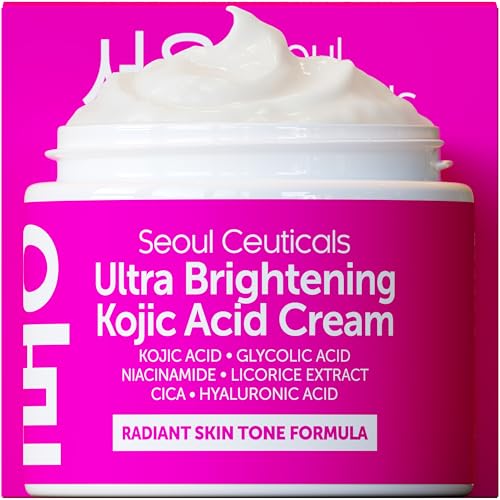
SeoulCeuticals Korean Kojic Acid Cream – 2 oz

OMIC Lighten-Up Anti-Aging Brightening Cream 4.4 fl oz

Lighten-Up Collagen Cream for Face – 1 fl oz

medicube Capsule Cream with Kojic Acid & Turmeric
The Details Behind The Selections
Most brightening creams pick one lane, either niacinamide or kojic acid, and call it a day. TOUCH goes wider, blending four actives into a single 2 oz jar: niacinamide (a B-vitamin derivative that helps fade discoloration), kojic acid (a byproduct of rice fermentation that blocks melanin production), azelaic acid (a dicarboxylic acid that calms redness and gently exfoliates), and tranexamic acid (an amino acid derivative gaining traction for tackling melasma).
That stack makes the formula feel like a more aggressive choice than SeoulCeuticals or OMIC, and the trade-off shows up in tolerance. If your skin leans reactive, patch-testing along the jawline for a few nights is a sensible move before applying it to the full face. Used daily on resilient skin, the cream targets tone, texture, and post-inflammatory marks all at once.
Positive Takeaways
- Four active brighteners working in different ways, so stubborn patches often respond where single-ingredient creams stall
- Niacinamide adds a soothing, barrier-supporting layer that the stronger acids don’t always provide
- Lightweight enough to layer under serum, sunscreen, or makeup without pilling
- Compact 2 oz jar travels well in a carry-on or gym bag for consistent use
- Targets both surface dullness and deeper pigmentation, addressing uneven tone from multiple angles
Things To Consider
- Four actives at once can overwhelm sensitive or rosacea-prone complexions, especially in the first two weeks
- Daily SPF 30+ is essentially non-negotiable when using this category of formula, since brighter skin is also more photosensitive
Right Fit For
Experienced skincare users with resilient, non-reactive skin who want one jar to address stubborn uneven tone, post-acne marks, and dullness in a single step.
Reach For A Different Pick When
Reactive or sensitive complexions tend to do better with the gentler single-ingredient approach in SeoulCeuticals Korean Kojic Acid Cream.
Where TOUCH goes wide, SeoulCeuticals stays narrow. This Korean-inspired formula centers on kojic acid as the headline ingredient, with a 2 oz jar sized for daily facial use. The approach appeals to anyone who wants to fade visible sun spots, post-acne marks, or general discoloration without committing to the four-acid intensity of a multi-active product.
It’s a more focused play than what you’ll find in OMIC Lighten-Up’s body-friendly formula or TOUCH’s complex blend, and that focus has practical value. You know exactly which ingredient is doing the work, which makes it easier to track results and easier to swap out if your skin protests.
Everyday Perks
- Single-ingredient focus makes it easier to identify the cause of any skin reaction
- Targets visible sun damage and post-acne marks, the two most common discoloration complaints
- Compact 2 oz size fits easily on a crowded vanity or bathroom shelf
- Pairs cleanly with a separate hydrating serum for a layered routine
Worth Noting
- Kojic acid alone may not budge deeper melasma or hormonal pigmentation that responds better to a multi-acid approach like TOUCH Radiance
- Some users find the cream’s texture slightly richer than expected for daytime layering under sunscreen
Who It Suits Best
People with mild to moderate dark spots who prefer a single-ingredient formula and want clear visibility into what’s working on their skin.
Look Elsewhere When
Multi-zone discoloration across the face, neck, and chest often responds better to the larger 4.4 fl oz OMIC Lighten-Up Anti-Aging Brightening Cream, which covers more ground per application.
The other picks in this roundup come in 1 to 2 oz jars sized for facial use. OMIC ships 4.4 fl oz in a single container, which changes who the product makes sense for. The formula leans on argan oil and shea butter, two emollient (skin-softening) ingredients that give the cream a richer, more conditioning feel than the lighter brighteners above.
For dry skin, hands, neck, or larger patches of discoloration on the body, that texture is a feature, not a flaw. For oily or acne-prone faces in humid climates, it can feel like more than the skin wants to absorb. The honest read is that this is a face-and-body hybrid, and the smartest shoppers use it where the size and richness actually pay off.
Real Benefits
- 4.4 fl oz container covers face, neck, chest, hands, or arms without constant repurchasing
- Argan oil and shea butter provide real conditioning alongside the brightening work, ideal for dry or mature skin
- One product for multiple zones simplifies routines and reduces shelf clutter
Honest Caveats
- Richer texture can feel heavy on oily or combination skin, especially in warm or humid weather
- Larger format means a longer commitment to one product, so patch-testing matters before working through the full bottle
Key Specs
Made For
Anyone with dry or mature skin who wants to treat larger zones (neck, chest, hands) alongside the face without buying two separate products.
Skip It When
Oily or acne-prone skin types typically prefer the lighter, faster-absorbing texture of TOUCH Radiance Cream, which won’t sit as heavily on the surface.
The smallest jar in this roundup at 1 fl oz, Lighten-Up’s Collagen Cream takes a different angle than the others. Rather than competing on the number of brightening acids, it pairs hydration with collagen and hyaluronic acid (a moisture-binding molecule that holds up to 1000 times its weight in water) for an overnight recovery play. The intended use case is the neck and face together, which makes sense for anyone noticing fine lines alongside uneven tone.
At this size, it’s also the most commitment-light option in the roundup. You can run through a jar in a few weeks and decide whether the collagen-and-hydration angle is worth restocking, or whether you want to graduate to a more acid-forward formula like TOUCH or SeoulCeuticals.
What Stands Out
- Hyaluronic acid delivers serious overnight hydration, helping plump fine lines while brightening work happens
- Compact 1 fl oz jar is ideal for travel or for testing a collagen-focused approach without a big investment
- Doubles as a neck cream, useful since the neck is often where tone mismatches and crepiness show up first
Points To Note
- Smaller jar runs out faster than the other picks in this roundup, especially when used on face and neck
- Less focused on aggressive brightening, so deeper pigmentation may need a dedicated acid product layered alongside it
Best Suited To
Mature shoppers focused on fine lines, neck crepiness, and hydration who want a gentler brightening effect as part of a nighttime routine.
Where Another Pick Suits Better
Shoppers targeting stubborn dark spots on the face alone will see faster, more focused results from SeoulCeuticals Korean Kojic Acid Cream’s spot-driven formula.
The newest idea in this roundup. medicube ships a cream that includes separate capsules you blend into a gel base at the moment of use, which means the active ingredients stay fresh until they hit your skin. Turmeric joins kojic acid in the formula, adding a botanical brightening and calming layer that’s less common in the other picks.
The mixing step is the real differentiator. Some shoppers will love the ritual; others will find it an extra step they’d rather skip. For sensitive skin, the customizable texture is genuinely useful: blend less for a lighter feel, more for richer coverage.
A Few Highlights
- Mix-on-demand format keeps active ingredients fresher than pre-blended creams that sit in a jar for months
- Turmeric adds a calming element that pairs well with kojic acid, useful for skin that reddens easily
- Adjustable texture suits both oily and dry skin types depending on how much you blend in
Soft Spots
- Mixing step adds time to a routine that the other four picks don’t require
- Turmeric’s natural yellow tint can transfer onto pillows or collars if not fully absorbed before bed
Who Will Love This
Routine tinkerers, K-beauty fans, and anyone with reactive skin who wants control over the final texture and ingredient freshness.
Consider Something Else When
Shoppers who want a quick, no-fuss jar routine will find the multi-acid TOUCH Radiance Cream easier to slot into a busy morning.
What Matters Most Before Choosing a Brightening Cream
Active Ingredient Profile
The single biggest decision is which brightening pathway matches your concern. Niacinamide and kojic acid are reliable entry points for most skin types. Tranexamic acid and azelaic acid are stronger options that target melasma and post-inflammatory marks, while multi-acid blends (like TOUCH’s stack) address several pathways at once but demand more from your skin’s tolerance. Match the ingredient intensity to your skin’s resilience, not just the marketing claim.
Texture And Skin Type Fit
A rich cream loaded with argan oil and shea butter can be a gift for dry, mature skin and a burden for oily or acne-prone complexions. Lighter gel-cream textures absorb faster and layer under sunscreen and makeup more easily. The honest trade-off is that richer creams often condition better; lighter ones often wear better under other products. Your climate, season, and base routine should drive the choice.
Zone Of Application
Face-only formulas come in compact 1 to 2 oz jars. Face-and-body options like OMIC’s 4.4 fl oz container cover larger areas without constant repurchasing, but they bring richer textures. Neck and chest, which often show pigmentation and crepiness first, are worth factoring in even when the marketing focuses on the face.
What To Weigh Across These Picks
Mistakes Worth Dodging
Skipping daily sunscreen is the most common slip-up with any brightening routine. Active ingredients that fade dark spots also make skin more photosensitive, and one sunny afternoon can undo weeks of progress. Patch-testing new acids along the jawline for a few nights prevents full-face reactions. Layering too many brightening products at once also backfires, since skin can’t always tell the difference between ingredients working together and ingredients competing for absorption.
Where The Extra Money Goes
Higher-tier options in the brightening category typically invest in clinical concentrations, multi-acid stacks, or delivery systems that keep actives stable. The upgrade pays off when you have stubborn discoloration that single-ingredient creams haven’t shifted, or when you want one product that addresses tone, texture, and hydration together. For mild, occasional spots, a focused single-ingredient formula delivers most of the value at a lower commitment.
Frequently Asked Questions
How long does it take to see results from lightening face creams?
Most brightening formulas need 6 to 12 weeks of consistent daily use before visible changes appear. Skin cell turnover (the cycle by which your skin sheds old cells and generates new ones) takes roughly 28 days, and pigmentation sits in deeper layers that surface gradually. Switching products before that window is a common reason people conclude a cream “doesn’t work.”
Can lightening creams be used with retinol or vitamin C?
Yes, but layering order matters. Apply the thinnest, most active serum first (typically vitamin C in the morning, retinol at night), then layer your brightening cream over it. Avoid combining multiple strong acids in the same routine, since the cumulative irritation can outpace the benefits.
Are these creams safe for sensitive skin?
Some are gentler than others. The medicube Capsule Cream’s customizable mixing and the OMIC Lighten-Up’s conditioning base tend to be better tolerated by reactive skin. Multi-acid formulas like TOUCH Radiance can work for sensitive types but require a slower introduction, often starting at every-other-night use.
Do lightening face creams thin the skin over time?
When formulated properly, brightening creams do not thin the skin. Some ingredients, like azelaic acid and niacinamide, actually support the skin barrier. Exfoliating acids in high concentrations can temporarily reduce surface thickness, which is why daily SPF is essential during any brightening routine.
Should I use lightening creams in the morning or at night?
Either works, but night use reduces sun exposure on freshly treated skin. Some shoppers prefer morning application under sunscreen for steady delivery, while others reserve brightening creams for their evening routine alongside other treatment products.
Wrap Up
The smartest pick is the one that matches your skin’s tolerance, the size of the area you want to treat, and the specific kind of discoloration you’re trying to fade. Multi-acid formulas handle stubborn, multi-cause unevenness; focused single-ingredient creams address visible spots without overwhelming reactive skin; larger containers cover body and face in one product; collagen-focused night creams support mature skin alongside tone work; and capsule-gel formats keep ingredients fresh for routine tinkerers. Match the formula to the problem, stay consistent, and wear sunscreen daily.
