

Your skin does a lot of work over nine months, and the belly takes the brunt. Stretching, itching, and tightness tend to show up by the second trimester, and finding a lotion that feels good to apply, absorbs cleanly, and uses ingredients you’d actually want on your body makes those nightly routines a small moment of relief. The right product turns a chore into a pause.
This roundup looks at five options across different textures and price points, so you can match a formula to your skin type, your scent tolerance, and how often you plan to apply.
The Main Contenders
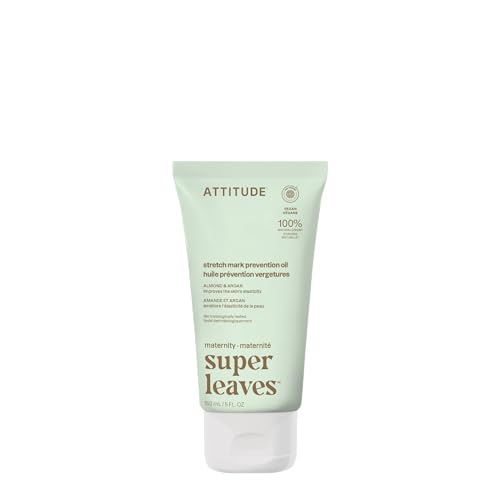
ATTITUDE Pregnancy Stretch Mark Prevention Oil, EWG Verified, Argan Oil, 5 Fl Oz

ATTITUDE Pregnancy Nourishing Body Lotion, EWG Verified, Argan Oil, 16 Fl Oz

Burt’s Bees Mama Belly Butter, Shea & Vitamin E, 6.5 Oz (Pack of 3)

Mustela Maternity Stretch Marks Cream & Belly Oil Set, Fragrance-Free

Summer Fridays Babymoon Belly Balm, Calendula + Vitamin E, 5 Fl Oz
A Closer Look At Each Pick
The ATTITUDE oil leans into a minimalist ingredient list, and for anyone scanning labels during pregnancy, that matters. EWG verification (a third-party review that checks products against the Environmental Working Group’s health and transparency database) is a useful signal that the formula has been cross-checked against published safety standards rather than simply marketed as clean.
The 5 fl oz bottle dispenses a thin argan-based oil that absorbs faster than thicker balms, so it works well under clothing. If you apply in the morning and want to skip the sticky feel under a fitted dress, this texture handles that better than richer options later in the list.
Useful Highlights
- EWG verification adds a layer of independent review beyond marketing claims
- Argan-based oil spreads evenly across larger belly areas without dragging the skin
- Lightweight feel suits daytime use under fitted clothing
- Plant and mineral-derived formulation avoids the more debated synthetic preservatives
Worth Bearing In Mind
- The 5 fl oz size runs out faster for twice-daily applications over a full pregnancy
- Oil texture can transfer onto sheets and clothing until it fully absorbs
Who It Suits Best
Anyone who wants a fast-absorbing, low-fuss oil for morning applications and prefers a verified-clean ingredient profile over a richer balm feel.
Where Another Pick Suits Better
For heavier overnight moisture, the Summer Fridays Babymoon Belly Balm delivers a thicker finish that holds up through the night.
The lotion format from the same brand trades the oil’s slip for a more traditional, pump-friendly texture. At 16 fl oz, the bottle covers a full pregnancy’s worth of twice-daily use without forcing a mid-trimester repurchase, and the argan base still gives it more slip than a basic mineral-oil lotion.
Compared to the stretch mark oil in the first pick, this version is better suited for shoulders, hips, and thighs where you want coverage without thinking about staining your sheets. For most people, that wider use case is what makes a lotion the daily workhorse over an oil.
What Makes Sense
- Larger 16 fl oz size reduces how often you need to reorder
- Argan-infused formula keeps the spread smooth on a growing bump
- Vegan and plant-derived composition aligns with clean-beauty preferences
Trade-Offs
- Less targeted for stretch mark prevention than a dedicated oil or balm
- Lotion format takes a few extra seconds to rub in compared to a fast-absorbing oil
Made For
Anyone applying lotion from neck to knees each night and wanting one container that handles the whole routine without running out mid-trimester.
Reach For A Different Pick When
The Burt’s Bees Mama Belly Butter makes more sense for shoppers who want a richer butter texture and a multi-jar supply from the start.
Burt’s Bees leans into a butters-forward formula, blending cocoa, shea, and jojoba into a thick, slow-melting cream. The pack-of-three format gives you a generous supply to stash in a bathroom, a bedside drawer, and a work bag without splitting one tub three ways. For anyone applying twice daily, that backup is practical rather than excessive.
The brand keeps the formula fragrance-free and skips phthalates, parabens, petrolatum, and SLS (sodium lauryl sulfate, a foaming agent that can irritate sensitive skin). That omission list matters in the third trimester when your nose is sharper and skin tends to react to anything with a strong scent.
The Helpful Details
- Shea, cocoa, and jojoba blend gives a richer, occlusive layer than thinner lotions
- Fragrance-free formula suits sensitive skin and scent-averse routines
- Three-jar pack stretches across a full pregnancy without reordering
- Works for both prenatal belly massage and postnatal scar appearance care
Soft Spots
- Butters take longer to absorb and may feel heavy in warm weather
- 6.5 oz jar format isn’t as travel-friendly as a pump bottle
Best Suited To
Anyone who wants a thicker butter, no added fragrance, and enough supply to keep applying from the second trimester through the postpartum window.
Skip It When
The ATTITUDE Pregnancy Stretch Mark Prevention Oil is the better call for warm climates or anyone who dislikes the heavier post-application feel of a butter.
Mustela packages a cream and an oil together, which lets you layer rather than choose one texture. The oil goes on first for slip, the cream seals it in, and the result holds up better through the night than either product used alone. That pairing approach separates this set from the single-format picks earlier in the list.
For shoppers building a more structured routine around twice-daily massage, the two-step format removes the guesswork. EWG verification and a fragrance-free profile are both stated, so this is a reasonable choice for anyone navigating scent triggers or ingredient caution during pregnancy.
The Case For It
- Cream-plus-oil layering locks in moisture longer than a single product
- Fragrance-free across both products keeps the routine consistent
- Two-piece set avoids having to match textures from different brands
Potential Drawbacks
- Owning two containers takes up more shelf and counter space
- Two-step application adds a minute or two to nightly routines
Who Should Grab It
Anyone who already plans to apply product in the evening and wants a structured cream-then-oil layering method without buying from two different brands.
Look Elsewhere When
The ATTITUDE Pregnancy Nourishing Body Lotion is simpler for shoppers who prefer a single-bottle routine over a two-step layering method.
The Summer Fridays balm is the thickest option in the roundup, and that density is the point. Calendula and vitamin E (both recognized for soothing dry, irritated skin) anchor a formula designed to address the itching and tightness that often peak in the third trimester. The texture melts on contact, so a little goes further than you might expect from a balm.
Compared to the lighter ATTITUDE oil, this one sits on the skin longer and feels more like a treatment than a daily lotion. It works best as a nighttime step, when you can let it absorb without worrying about clothing transfer, and it complements rather than replaces a lighter daytime product.
What It Does Well
- Calendula and vitamin E target the dryness and itching common in later trimesters
- Sunflower seed and avocado oils add omega fatty acids that support the skin barrier
- Balms tend to be more economical per application than thin lotions
Where It May Fall Short
- Balm texture is heavier than what most people want for daytime under clothing
- 5 fl oz jar runs out faster with daily use across a full belly and hips
Right Fit For
Anyone dealing with persistent dryness or itch in the third trimester who wants a richer evening treatment rather than a quick-absorbing daytime lotion.
Swap It Out When
The Burt’s Bees Mama Belly Butter is a better fit for shoppers who want a similarly rich texture with a multi-jar supply already built in.
What Matters Most Before Choosing Lotions for Pregnant Bellies
Texture shapes how often you’ll actually apply. Oils absorb fast and disappear under clothing, butters take longer to sink in and feel more like a treatment, and lotions sit in the middle. Pick the format that matches when you’ll use it most: oil or light lotion for mornings, butter or balm for evenings.
Ingredient transparency matters more than marketing language. Independent verification through programs like EWG Verified offers a useful second signal beyond brand claims, especially for anyone avoiding debated preservatives, synthetic fragrance, or common irritants like SLS.
Scent tolerance changes by trimester. Fragrance-free formulas are a safer bet as your sense of smell sharpens, and they tend to cause fewer reactions on skin that may already be more reactive than usual.
Coverage area drives container size. A 5 fl oz bottle is fine for belly-only use, but if you plan to apply across hips, thighs, and chest too, a 16 fl oz bottle or a multi-pack prevents mid-trimester reorders.
Smart Habits For Picking A Pregnancy Belly Lotion
Where The Extra Money Goes
Premium belly lotions tend to invest in third-party verification, smaller-batch ingredient sourcing, and richer oil blends rather than fancier packaging. That translates into more transparent labeling and formulas built around fewer, more recognizable ingredients.
The upgrade makes sense for anyone with sensitive skin, a history of reactions, or strong preferences around what they want to avoid. For shoppers without those concerns, a clean drugstore option covers the same job without the markup.
Traps First Timers Fall Into
Buying a heavily scented lotion in the first trimester often backfires once smell sensitivity kicks in. Going fragrance-free from the start removes that risk.
Stretch mark creams and oils are not interchangeable with regular body lotion. They’re built around heavier emollients (ingredients that soften and smooth the skin by sealing in moisture) and gentler preservatives, which is why they’re worth the swap once your bump starts growing.
Key Considerations Across These Picks
Mistakes Worth Dodging
Choosing a rich butter for warm-weather wear leads to a heavy, sticky feel under summer clothing. Match texture to climate and time of day: lighter formats for daytime, richer ones for nighttime.
Buying the smallest size because it seems cheaper per ounce often backfires. A 5 fl oz jar used twice daily across a full pregnancy runs out well before delivery, so larger bottles or multi-packs usually save money in the long run.
When Paying More Pays Off
Higher-priced picks in this category tend to invest in independent safety verification and traceable ingredient sourcing. For anyone with reactive skin or strong preferences around what they want to avoid, that extra scrutiny is worth the markup.
If your skin tolerates standard formulas and you have no specific sensitivities, a clean, fragrance-free option at a lower price handles the same routine without the premium.
Frequently Asked Questions
When should you start using lotions for pregnant bellies?
Most dermatologists suggest starting in the second trimester, when skin begins stretching more rapidly. Beginning earlier won’t hurt, but the benefit shows up where the stretching is most active.
How often should you apply belly lotion during pregnancy?
Twice daily is the typical routine, once after showering in the morning and once before bed. The exact frequency depends on how dry your skin feels and how heavy the product is.
Can lotions for pregnant bellies prevent stretch marks?
Stretch marks depend heavily on genetics, and no topical product can guarantee prevention. Keeping skin well moisturized reduces dryness and itching and may improve the appearance of marks that do form.
Are fragrance-free pregnancy lotions necessary?
They aren’t required, but they help. Fragrance is a common irritation trigger, and scent sensitivity often increases during pregnancy, so going fragrance-free is the lower-risk choice.
Is oil or butter better for a pregnant belly?
Oils absorb faster and feel lighter, while butters create a richer barrier that lasts longer. Many routines combine both: oil for daytime ease, butter or balm for overnight treatment.
Wrap Up
The right lotion is the one you’ll use consistently, and that depends on texture, scent tolerance, and how your skin reacts through each trimester. Start with the format that fits your routine, narrow by ingredient preferences, and let your skin’s response guide the switch if a product isn’t working. Pick the one that matches your daily habit, and your skin will thank you for the consistency.
