

Damaged hair has a way of announcing itself before you open your mouth: a rough halo at the crown, a tangle that won’t budge, color that fades after two washes. The right mask can change the feel of your hair in a single ten-minute session, and the wrong one leaves you back at square one. This shortlist covers five masks built for different repair jobs, from budget-friendly sachets to a salon-grade bond-rebuilder. Each one solves a specific problem, so the goal here is matching your hair to its strengths rather than picking a single crowd-pleaser.
The Picks In Brief

Karseell Collagen Hair Treatment 0.34 fl oz (24 Packs)
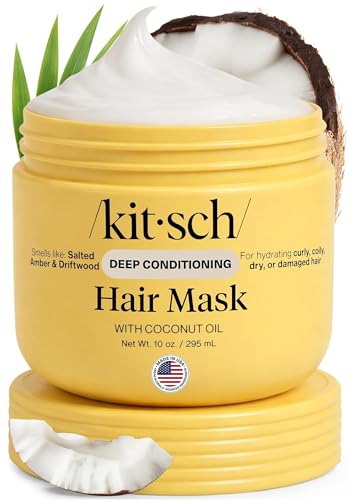
Kitsch Moisturizing Coconut Oil Hair Mask 10 oz

KÉRASTASE Première Anti-Breakage Repairing Mask
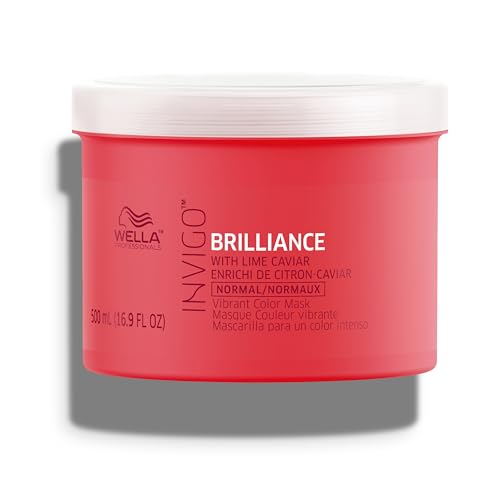
Wella Professionals Invigo Brilliance Hair Mask 5.07 oz

ArtNaturals Deep Repair Hair Mask with Silk Bonnet 8 oz
More On The Choices That Made The List
Trying a new mask is easier when the commitment is measured in teaspoons rather than ounces, and that is the angle Karseell leans into with a 24-pack of single-use sachets. Each 0.34 fl oz pouch holds a collagen and argan oil blend aimed at split ends, elasticity loss, and brittle lengths, so it works as a low-risk way to see how your hair responds to a richer treatment.
Because the formula is gentle enough for color-treated, curly, straight, and wavy textures alike, it covers most households with a single product. Gym bags, carry-ons, and weekend trips all get easier when a treatment lives in a sealed packet instead of a bulky tub, and the per-use dosing means you stop guessing how much to scoop out.
Strong Points
- 24 single-serve sachets keep portions consistent and cut down on product waste.
- Collagen and argan oil pairing targets both elasticity and surface softness in one step.
- Packets travel easily in carry-ons, gym bags, and small bathrooms with limited shelf space.
- Compatible with color-treated, curly, straight, and wavy textures for shared use.
- Lower upfront commitment than a full jar, useful for first-time mask users.
Worth Noting
- Single-use packaging creates more waste than a refillable jar over time.
- The lightweight hydration may not be enough for very coarse or severely damaged lengths.
- Per-unit cost runs higher than a bulk mask once the 24 packets run out.
Whose Vanity It Belongs On
Travelers, gym-goers, and anyone curious about treatment masks without committing to a full-size jar will get the most mileage from this format.
Where A Sibling Pick Shines
For longer-lasting value on a regular weekly routine, the Kitsch Moisturizing Coconut Oil Hair Mask offers a 10 oz jar that drops the per-use cost noticeably.
Where the Karseell sachets keep the format simple, the Kitsch jar leans into volume. A 10 oz tub of coconut oil deep conditioner makes sense for anyone running a weekly mask habit across medium or long hair, since the scoop-and-apply routine outlasts packet refills by months.
The formula centers on coconut oil, a familiar emollient that softens the cuticle and adds slip for easier detangling after shampoo. In most showers, a quarter-sized scoop spreads through shoulder-length hair, so a single jar covers plenty of sessions before the lid ever needs replacing.
Practical Advantages
- 10 oz jar supplies many weekly treatments without constant reordering.
- Coconut oil base softens the cuticle and helps detangling after the shower.
- Works as a deep conditioning step in an existing wash-day routine.
- Per-use cost stays low compared to single-serve alternatives.
Trade Offs
- Lacks targeted bond repair for severely over-processed hair.
- Richer texture may weigh down very fine strands if over-applied.
- Jar packaging requires a dry hand or scoop to keep the formula clean between uses.
Quick Facts
Right Fit For
People with dry or coarse strands who want a budget-friendly weekly mask that doubles as a deep conditioner.
Skip It When
Brittle hair that snaps during brushing may need the bond-level repair that the KÉRASTASE Première Anti-Breakage Repairing Mask is built to deliver.
The KÉRASTASE Première is the most technical mask on this list, and it shows in the ingredient logic. A dual-action formula targets calcium buildup and works to reconnect broken keratin links, the same internal scaffolding that bleach and heat damage fray over time.
Peptides and glycine take the lead, supporting strand strength while smoothing the cuticle for a sleeker finish. For anyone whose hair snaps during brushing or feels gummy when wet, the mask functions less like a quick conditioner and more like a repair session you run once a week.
A Strong Showing
- Dual-action formula addresses both calcium buildup and broken keratin bonds.
- Peptide and glycine pairing focuses on internal strength rather than surface softening alone.
- Designed to reduce visible split ends and improve shine in a smooth finish.
- Useful for hair weakened by bleach, heat, or hard water exposure.
Honest Caveats
- Priced higher per jar than most drugstore masks.
- Best results require consistent use over several weeks rather than a single treatment.
Made For
Anyone with chemically treated, bleached, or visibly weakened strands who wants a mask that works on the internal structure, not just the surface.
Look Elsewhere When
If your main concern is keeping fresh color from fading, the Wella Professionals Invigo Brilliance Hair Mask is purpose-built for vibrancy and may suit that goal better.
Color fades for two reasons: the cuticle roughs up and pigment washes out faster, and the surface loses the reflective smoothness that makes dye look rich in the first place. The Wella Invigo Brilliance mask addresses both, built specifically for colored fine to normal hair that needs vibrancy support rather than heavy repair.
The formula leans on lime caviar, a botanical source of antioxidants and vitamins, paired with Wella’s Color Brilliance-Blend. Copper-encapsulating molecules help hold dye in place between salon visits, so the mask functions as a maintenance step between color appointments.
What Helps Most
- Color Brilliance-Blend with copper-encapsulating molecules helps maintain vibrancy between salon visits.
- Lime caviar brings antioxidant and vitamin support to color-treated strands.
- Targets fine to normal hair without weighing it down the way richer masks can.
- Improves surface smoothness for a more reflective, polished finish.
Points To Keep In Mind
- Not designed for coarse or very dry hair that needs deeper conditioning.
- 5.07 oz jar runs out faster than larger formats on long or thick hair.
Feature Snapshot
Best Suited To
Color-treated shoppers with fine to normal hair who want vibrancy support between dye sessions.
Not Your Match When
Thick or very dry hair often needs the richer conditioning that the Kitsch Moisturizing Coconut Oil Hair Mask delivers more readily.
The last item on this list reframes the question of what a hair mask can do, pairing an 8 oz argan oil treatment with a satin sleep bonnet in one bundle. Apply the mask in the evening, twist your hair up, and the bonnet keeps product on your strands instead of on your pillowcase.
The satin layer reduces friction while you sleep, which matters for anyone whose ends rough up overnight or whose curls lose definition by morning. Compared with a stand-alone mask, the duo turns a wash-day step into a longer overnight treatment without much extra effort.
Positive Takeaways
- Bundle includes both a mask and a satin sleep bonnet for an overnight routine.
- Argan oil base targets dryness and surface roughness in a single step.
- Silk-style bonnet reduces friction that can rough up the cuticle overnight.
- Helpful for anyone whose hair tangles, frizzes, or loses shape during sleep.
Some Limits To Know
- Bonnet sizing may run small for very thick or long hair.
- Overnight treatments can leave residue on pillowcases, so plan a wash-day buffer.
Who Will Love This
Anyone who wants to combine a deep treatment with overnight protection, especially people dealing with frizz, split ends, or morning tangles.
Consider Something Else When
Travelers who prefer single-serve packets will find the Karseell Collagen Hair Treatment 24-pack far easier to pack than a jar and bonnet combo.
What Matters Most Before Choosing hair treatment masks
Match The Mask To The Real Problem
Start by naming the actual issue. Dry, frizzy hair usually responds to emollient-rich masks built around oils like coconut or argan. Brittle hair that snaps when you brush it needs bond-rebuilding ingredients such as peptides. Color-treated hair benefits from formulas that lock in pigment rather than strip it. A mask that targets a different problem will leave you underwhelmed no matter how well-reviewed it is.
Read The Format Before You Commit
Format shapes how a mask fits into your routine. Single-serve sachets travel well but cost more per ounce, while jars offer better value for weekly use. Larger formats suit long or thick hair, and smaller formats match short, fine, or infrequent use. Storage and travel habits matter more than most shoppers expect.
Watch Ingredient Lists, Not Just Buzzwords
“Repair” and “hydrating” mean different things on different jars. Oils and butters condition the surface, while peptides and amino acids work on the internal structure. Hard water and heat damage create very different problems, so the ingredient list should reflect the specific cause of your hair’s rough feel.
Build A Routine You Can Actually Repeat
The best mask is the one you use on schedule. A ten-minute weekly treatment beats a luxurious formula you only reach for once a month, so weigh effort and frequency before settling on a tub.
Key Considerations Across These Picks
Where Shoppers Go Wrong
Most mask purchases fail because the product targets the wrong layer of the hair. A surface-conditioning formula cannot fix internal breakage, and a bond-rebuilder will not add the slip that tangled, dry lengths actually need. Patch-test new formulas and give them a few weeks before deciding they do not work, since instant shine can mask deeper issues.
When Paying More Pays Off
Higher-tier masks justify the cost when they include bond-repair actives, color-locking complexes, or salon-grade emollients that cheaper formulas skip. For bleach survivors, hard water households, or anyone who colors frequently, that extra spend often replaces several other products in the routine, so the upgrade pays for itself in consolidation.
Frequently Asked Questions
How often should hair treatment masks be used?
Most masks work well once a week on normal hair, while very dry or chemically treated strands can tolerate two sessions. Leaving the mask on longer than the label recommends rarely improves results and can weigh hair down.
Should masks replace regular conditioner?
Masks work as a deeper step layered over your standard conditioner rather than a replacement. Use conditioner on most wash days and reserve the mask for scheduled repair or hydration sessions.
Can masks repair split ends?
Masks can smooth the appearance of split ends and prevent new ones, but no topical product can fuse a split end back together. Trimming remains the only true fix for existing splits.
Are masks safe for color-treated hair?
Many masks are designed specifically for color, but formulas with harsh surfactants or strong proteins can lift dye. Look for color-care labeling and rinse with cool water to help the cuticle close.
Do I need a bonnet with a mask?
A sleep bonnet helps when masks are left on overnight, since it keeps product on the hair and reduces friction. For short weekly treatments rinsed out in the shower, a bonnet adds no real benefit.
The Takeaway
The right hair treatment mask depends on what your hair is actually doing right now: breaking, drying out, fading, or frizzing overnight. Match the formula to the problem, pick a format that fits your routine, and give any new product a few weeks before deciding. The five options above cover most of those jobs, so the honest read is to start with the one closest to your real concern and adjust from there.
