

Combination skin throws a curveball at every makeup routine. Your T-zone slicks up by midmorning while your cheeks stay tight, and most primers pick a lane and stick to it. The picks below were chosen because they handle both halves of that equation, blurring pores where you need it and letting skin breathe where you don’t. Each one earned its spot by doing something specific well, whether that’s gripping foundation, controlling oil, or layering nicely under sunscreen. This list covers budget-friendly drugstore staples, a treatment-leaning serum primer, and a Korean base prep worth knowing about. Start with the table below, then dig into the detailed breakdowns.
The Choices Worth Comparing

Maybelline Baby Skin Instant Pore Eraser Primer 0.67 oz
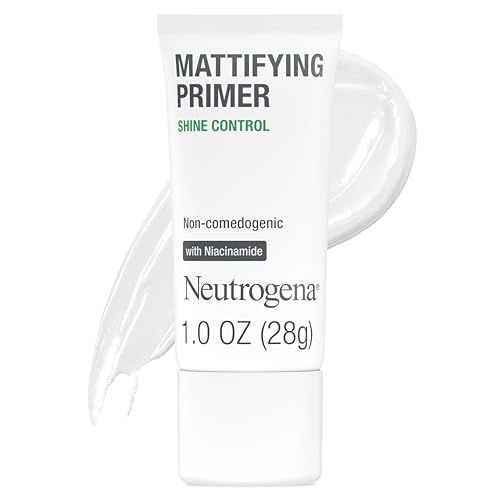
Neutrogena Mattifying Primer with Shine Control 1 oz

bareMinerals Prime Time Original Foundation Primer 24HR Wear

YUNJAC Skin Perfecting Base Prep Korean Primer 0.84oz
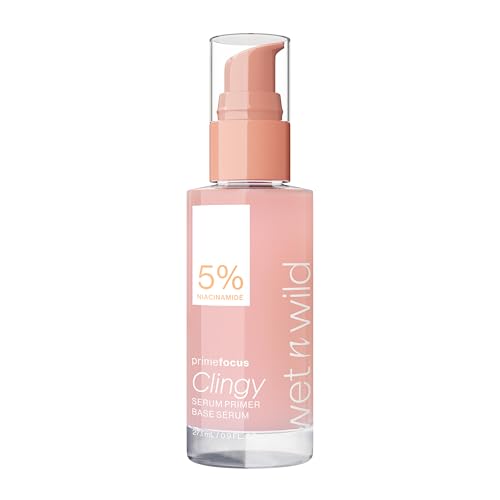
wet n wild Prime Focus Clingy Serum Primer Niacinamide & Glycerin
A Deeper Look At The Lineup
The Maybelline Baby Skin Instant Pore Eraser has been on vanities long enough to earn its place, and for combination skin it remains a low-risk starting point. The gel-cream texture sinks in fast and leaves a soft-focus blur across the nose, chin, and inner cheeks where pores tend to shout. Because it’s a silicone-forward formula, you get that smooth canvas foundation glides over, but the trade-off shows up in how it feels on the drier parts of the face by hour five.
If you’re heading into a workday where you need your base to look even in photos and you don’t want to overthink the step, this fits the brief. The 0.67 oz tube also travels well, so tossing it into a gym bag is easy.
Strong Points
- Blurs visible pores within seconds, which is genuinely useful for the T-zone.
- Lightweight gel feel that doesn’t weigh down bare skin or layered SPF.
- Works as a base under both light BB cream and fuller coverage foundation.
- Tiny tube fits anywhere and lasts through a long workweek with daily use.
Honest Caveats
- Won’t control midday oil on its own; a setting step matters for shine-prone skin.
- The silicone base can feel slick on patches that already tend to be oily.
- Dry cheeks may want a separate hydrating step underneath, since the formula does little for moisture.
Quick Facts
Who It Suits Best
Anyone with combination skin who wants a budget-friendly, no-fuss blurring step before foundation and prefers a featherlight texture.
Consider Something Else When
The wet n wild Prime Focus Clingy Serum Primer is a smarter call if your dry zones outnumber your oily ones and you need real hydration in the base.
Neutrogena’s Mattifying Primer leans into the side of combination skin most primers ignore: the upper T-zone that turns reflective before lunch. The 1 oz tube dispenses a thin, water-light layer that visually smooths while quietly absorbing oil as the day progresses. Compared to the Maybelline Baby Skin above, this one trades a fraction of the soft-focus blur for noticeably more matte control.
It’s a steady, no-drama choice for office days, video calls, or anyone who can’t blot between meetings. You can also wear it solo on weekends when foundation feels like too much.
Notable Upsides
- Built to manage oil across the forehead, nose, and chin where shine shows up first.
- Soft matte finish that plays well with natural-skin or satin foundation formulas.
- Light enough to layer under SPF without pilling.
Worth Noting
- Drier patches may need a hydrating serum underneath, since the formula prioritizes oil control over moisture.
- Not the most pore-blurring primer on the list; if visible texture is the main concern, the Maybelline Baby Skin handles that better.
Best Suited To
Combination skin where shine control through long days matters more than pore-blurring drama.
Look Elsewhere When
The bareMinerals Prime Time Original Foundation Primer is a better match if you want extended wear time on top of shine control and a more cushioned feel.
The bareMinerals Prime Time Original has a quiet reputation for keeping foundation looking freshly applied deep into the afternoon. The formula is vegan and oil-free, which immediately removes one worry for anyone with combination skin who’s been burned by heavy silicones. It also extends makeup wear while smoothing texture and minimizing the look of pores, so it earns its spot as a versatile middle-ground option.
What sets it apart from the Neutrogena and Maybelline entries above is the balance: enough oil control for a humid commute, enough slip to keep foundation from clinging to dry patches, and a soft enough finish to wear under tinted moisturizer when full coverage feels like overkill.
Good Reasons To Consider
- Vegan, oil-free formula, which is a meaningful note for acne-prone or sensitive zones.
- Blurs texture and pores while prepping the skin for extended foundation wear.
- Works well as a base for long workdays, dinners out, or any event that runs past hour eight.
- Sits comfortably under both powder and liquid foundation textures.
Trade Offs
- Less hydrating than a serum-style primer, so drier areas still benefit from moisturizer first.
- The finish leans soft-matte, which may not suit anyone who wants a glowy base.
Who Will Love This
Combination skin shoppers who want a clean, oil-free primer that holds makeup for long days without the heavy silicone feel.
Skip It When
The wet n wild Prime Focus Clingy Serum Primer is a better match if a treatment-infused, dewy base matches your daily routine more than a wear-extending matte.
YUNJAC’s Skin Perfecting Base Prep takes a different route than the picks above. Rather than relying on silicone to blur, it uses a fermented botanical blend to create a silicone-free grip layer that foundation clings to. The 0.84 oz tube dispenses a thin, slightly tacky layer that disappears into the skin but still holds makeup in place across long days. The texture feels almost like a lightweight lotion, which is a refreshing shift for anyone whose pores react badly to heavier primers.
For combination skin, the value shows up where foundation usually migrates: along the jaw, around the nose, and at the inner corners. The hydrating element keeps dry zones comfortable, while the grip layer reduces the mid-afternoon slide on the T-zone.
What Helps Most
- Silicone-free formula is friendlier on sensitive or reactive patches.
- Strong grip keeps foundation in place without that heavy sealed feeling.
- Hydrating elements support dry zones that normally flake under matte primers.
- Fermented botanicals add a light treatment angle beyond the typical primer job.
Points To Keep In Mind
- The tacky finish takes a minute to set, so a quick wait before foundation helps.
- Less pore-blurring impact than the Maybelline Baby Skin if visible texture is the priority.
- The grip layer can feel unusual if you’re used to traditional silicone primers.
Built With In Mind
Combination skin shoppers who want foundation to last longer without silicones and who appreciate a hydrating, treatment-leaning base.
Another Choice May Suit
The Maybelline Baby Skin Instant Pore Eraser Primer is a more direct match if visible pore-blurring is the main goal and silicone isn’t a concern.
The wet n wild Prime Focus Clingy Serum Primer takes the serum route, which is something the rest of this list doesn’t. Built around 5% niacinamide (a form of vitamin B3 often used to support an even-looking tone) and 8% glycerin (a humectant that draws moisture into the skin), the formula pulls double duty as both base prep and light treatment. The dewy finish and serum texture are noticeably different from the silicone-driven Maybelline and the matte-leaning Neutrogena above.
For combination skin where the dry zones feel like the real problem and the oily zones are manageable, this is the entry that finally addresses that gap. It grips foundation well while keeping skin plump through long days.
Everyday Advantages
- Treatment-forward formula with niacinamide and glycerin at meaningful concentrations.
- Hydrating base that suits dry zones without leaving the T-zone greasy in most cases.
- Dewy, skin-like finish that pairs naturally with luminous foundation formulas.
- Budget-friendly price for a serum-style primer with active ingredients.
A Few Limitations
- The dewy finish can read as too radiant on very oily skin without setting powder.
- Niacinamide may not agree with everyone, so a patch test is worth it for sensitive types.
Feature Snapshot
The Right Fit
Combination skin shoppers who want skincare benefits baked into the priming step and who prefer a dewy, hydrated finish over matte.
Where A Sibling Pick Shines
The Neutrogena Mattifying Primer is a better match if shine control across a long day outranks hydration in your daily routine.
What To Weigh Before Choosing Primer Combination Skins
Combination skin rewards primers that work in zones, not across the board. The first thing worth weighing is the finish profile, since matte and dewy primers pull the look in opposite directions. A matte-leaning primer suits someone whose T-zone is the louder problem, while a dewy or serum formula suits someone whose dry patches are the daily frustration.
Next comes texture. Silicone-based formulas blur quickly and feel slick, but they can sit heavy on oily zones or feel drying on cheeks. Water-based, serum, or botanical-forward options feel lighter and often include hydrating elements, but they tend to blur less and require a moment to set. Match the texture to how your skin behaves across the day, not just at the start of it.
Active ingredients matter more than most shoppers realize. Niacinamide, glycerin, and similar hydrating or balancing ingredients can turn a primer into a small treatment step. That matters if your routine is already streamlined or if you prefer to layer fewer products.
Finally, think about how foundation sits on top. Gripping primers hold base makeup longer, blurring primers smooth texture, and serum primers feed skin while the base is on. A routine that needs a long-wear anchor for work days looks different from a routine that just wants a soft-focus weekend face.
Key Considerations Across These Picks
Where Shoppers Go Wrong
The most common slip is treating the whole face like one skin type. Priming only the T-zone, or skipping primer on the dry areas, tends to deliver a better outcome than applying a single formula across everything. Another frequent mistake is skipping moisturizer before primer, since primers add finish and grip, not hydration. Building the wrong order means foundation has nothing comfortable to sit on.
The Case For Spending Up
Higher-tier primers in this category usually bring more nuanced ingredient lists, longer wear claims, or treatment-grade actives like the niacinamide and glycerin in the wet n wild entry. The upgrade makes sense when the current primer isn’t addressing a specific concern, such as oil, dryness, or fading foundation. For a basic pore-blurring step on a tight budget, a drugstore primer handles the job, but a formula with active skincare ingredients is the step where spending more actually changes the result.
Frequently Asked Questions
How do primers work for combination skin?
Primers create a thin layer between skincare and foundation that smooths texture, grips makeup, or adjusts finish. For combination skin, the right primer addresses different zones, such as oil control on the forehead and hydration on the cheeks.
Should you use different primers on different parts of the face?
Yes, layering or zoning is common with combination skin. A mattifying primer on the T-zone and a hydrating primer on drier areas tends to outperform a single all-over formula, especially during weather changes.
Are silicone-free primers good for combination skin?
Silicone-free formulas work well when pores react to heavy silicones or when the routine leans toward skincare-first layering. They grip makeup through different mechanisms, often using tacky or film-forming ingredients instead of slip.
Can a primer replace moisturizer?
No. Primer adds finish and grip, not lasting hydration. Skincare steps, including moisturizer, still belong underneath. A serum-style primer can support hydration but shouldn’t be the only source.
How long does primer typically keep makeup in place?
Most primers extend foundation wear by several hours compared to bare skin. Long-wear formulas like the bareMinerals Prime Time Original are designed for full-day use, while lighter formulas may need a touch-up or setting step in humid conditions.
Bottom Line
The right primer for combination skin is the one that matches your louder concern, whether that’s oil, dryness, fading foundation, or visible pores. The picks above cover the four main routes, from budget-friendly pore blurring to treatment-leaning serum priming, so matching your routine to a formula gets easier. Start with the finish and texture you actually want to wear, and the right pick usually follows.
