

Frizz has a way of showing up at the worst moments, the second humidity creeps in or your color starts to fade. A good hair mask earns its place by softening rough cuticles, sealing in moisture, and cutting down on the puff that ruins a good hair day. The masks below cover a range of textures, hair types, and price comfort zones, so you can match a formula to what your strands actually need. Think of this list as a starting point for smoother weeks ahead, not a one-size-fits-all prescription.
A Side-By-Side Look

OUAI Thick Hair Mask Deep Conditioning (8 Fl Oz)
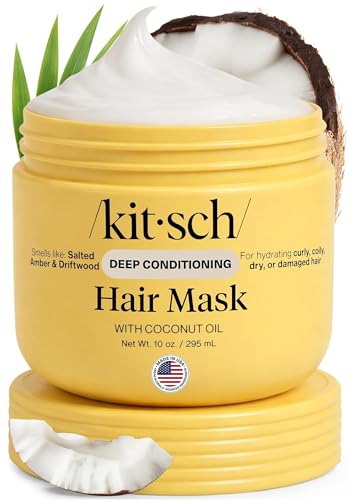
Kitsch Moisturizing Coconut Oil Hair Mask (10 oz)

Hairitage Hydrating Argan Oil Hair Mask

California Naturals Deep Repair Hair Mask (12 fl oz)

Redken Frizz Dismiss Hair Mask
More Details On Our Top Picks
The OUAI Thick Hair Mask earns the top slot because it targets the exact problem most frizz sufferers name first: strands that drink up product but still feel rough. Formulated for thick, coarse, and curly textures, this 8 fl oz jar leans into deep conditioning rather than lightweight coating. People dealing with split ends, color damage, or general dryness tend to notice the difference within a single use, and that’s a strong opening signal.
It works well as a once-a-week reset on wash day. Apply after shampoo, leave on for several minutes, and rinse. The mask plays nicely with other OUAI staples if you already own the brand, but it also stands alone as a one-off repair treatment. Anyone with fine hair should use a light hand, since richer masks can weigh down thinner textures.
Good Reasons To Consider
- Deep conditioning that targets the rough, dry ends most frizz starts at
- Works across straight, wavy, curly, and coiled patterns without special prep
- Single-use results tend to show up fast, handy before events or photo days
- Built to help resist future damage, not just gloss over current breakage
- Compact 8 fl oz jar fits in a standard shower caddy without hogging space
Things To Consider
- Fine or low-density hair may find the richness heavy if applied from roots down
- Owners commonly report the jar runs out quickly with weekly use across long hair
Key Specs
Who Will Love This
Anyone with thick, coarse, or curly strands who needs a once-weekly deep treatment to soften rough cuticles and tame puff.
Look Elsewhere When
Thin or low-density hair may prefer the lighter coconut formula in the Kitsch mask, which hydrates without the same weight.
The Kitsch Coconut Oil Hair Mask comes in at a friendly size (10 oz) and centers on a single hero ingredient: coconut oil. For anyone tired of guessing which silicone or protein is doing the heavy lifting, this streamlined approach reads clearly on the label. It works as a deep conditioner for dry strands and slots into a routine without rewriting it.
Compared to the richer OUAI pick above, this formula feels lighter, which makes it a better match for medium-density hair and daily-style damage. The trade-off shows up in long-term repair depth: a single jar handles surface softness well, but very coarse or chemically treated hair may want something heavier on rotation.
Bright Spots
- Coconut oil delivers deep moisture to the mid-lengths and ends where frizz shows up first
- Generous 10 oz size stretches further for households with multiple users
- Simple ingredient list makes it easy to layer with other styling products
Worth Noting
- Coconut oil can feel heavy on fine or oily-prone scalps if over-applied near the roots
- Severely damaged hair may want to rotate in a richer mask like the OUAI for weekly repair
- Scent lingers, so sensitive noses should sample before committing to a full jar
Built With In Mind
Anyone managing everyday dryness, sun damage, or salt-water exposure who wants a straightforward hydrating mask without a premium price.
Reach For A Different Pick When
Very thick or chemically treated hair may benefit more from the California Naturals Deep Repair mask, which layers multiple butters and oils for stronger rebuilding.
The Hairitage Hydrating Argan Oil Mask is built for curl patterns and color-treated strands, two groups that often overlap. The formula leans on argan oil, shea butter, aloe, and soy protein to handle dryness and dullness at the same time. If your wash day ends with strands that look puffy in the mirror by lunchtime, this is the kind of blend that targets that exact frustration.
You may find the soy protein content does some structural work that pure oil masks skip. That extra reinforcement helps curls hold their shape after drying. For colored hair, the moisture base helps prevent the brittleness that color processing tends to leave behind, especially in the first six weeks after a fresh dye.
Noteworthy Benefits
- Argan oil and shea butter combo softens cuticle and boosts visible shine
- Soy protein supports curl structure, helping patterns hold their shape longer
- Aloe adds a soothing layer for scalps that get itchy between wash days
- Plays well with color-treated hair, reducing the stripped feel after dyeing
Trade Offs
- Protein content can build up over time on low-porosity hair, requiring occasional clarifying
- Multiple active ingredients mean patch-testing helps if your scalp runs sensitive
Feature Snapshot
Perfect Match For
Curly and color-treated hair that needs moisture plus a touch of protein to keep patterns defined and color looking fresh.
Swap It Out When
Low-porosity hair that struggles with protein buildup may prefer the lighter Kitsch coconut mask for routine hydration without the structural layer.
The California Naturals Deep Repair Mask checks the boxes that shoppers who read labels actually care about: vegan, sulfate-free, paraben-free, and color-safe. The formula pairs shea butter, argan oil, and castor oil, which together address dryness, elasticity, and strand strength. For anyone balancing frizz control with a clean routine, this 12 fl oz tub offers room to use it generously without rationing.
The fresh rose garden scent is a real selling point for people who dislike the coconut or salon-chemical smells common in other masks. The richer blend of three oils gives it more rebuilding power than the single-ingredient Kitsch option, but it stays lighter than the OUAI mask, so it lands in the middle of the pack for weight.
Practical Pluses
- Three-oil blend (shea, argan, castor) tackles dryness, elasticity, and strength in one step
- Suitable for color-treated hair, so it fits into a post-salon recovery routine
- Vegan, sulfate-free, and paraben-free formulation appeals to clean-beauty routines
- Larger 12 fl oz size supports weekly use on long or thick hair without running out fast
Honest Caveats
- Cleaner formulations sometimes need an extra minute of contact time to fully absorb
- Owners commonly report the floral scent lingers longer than fragrance-free shoppers might prefer
Best Suited To
Clean-beauty shoppers who want a multi-oil repair mask that respects color-treated strands and skips sulfates and parabens.
Not Your Match When
Anyone needing the strongest single-use repair punch may find the OUAI Thick Hair Mask more targeted for very coarse textures.
The Redken Frizz Dismiss Mask is the salon-trained option on this list, designed to handle the kind of humidity-driven puff that ruins a smooth blowout within hours. Its smoothing complex pairs with fair-traded babassu oil, a less common ingredient that brings slip without the weight of heavier butters. The result is a mask that softens and shields rather than just coating the hair.
Compared to the California Naturals tub above, this formula feels more targeted, less general-purpose. It is built around a specific job: keeping strands sleek through damp weather and long workdays. If your hair is medium-thick and prone to halo frizz the moment you step outside, this is the kind of formula that earned its salon reputation.
A Favorable Mix
- Smoothing complex targets humidity-related frizz rather than just dryness
- Babassu oil adds slip and shine without leaving strands limp or flat
- Enhances manageability, which shortens blow-dry time for many users
- Works as a mid-week refresh for color-treated hair between deeper treatments
Possible Compromises
- Smaller jar size means it runs out faster with frequent use
- Professional pricing puts it above most drugstore options on this list
Right Fit For
Anyone living in humid climates or dealing with persistent halo frizz who wants salon-style smoothing without a salon appointment.
Consider Something Else When
Budget-focused shoppers who mainly need basic hydration may get more value from the Kitsch coconut mask, which covers daily dryness at a lower cost.
Picking The Right Mask For Your Strands
The right anti frizz hair mask comes down to your texture, your damage level, and the kind of weather you actually live in. A mask that works for thick coils in dry winter air can feel useless on fine, color-treated strands in a humid coastal city. Match the formula to the problem, not the marketing.
Start with your hair’s actual condition. Dry hair needs humectants and oils like coconut or argan to draw in moisture. Frizzy hair often needs smoothing agents like babassu or silicone alternatives to seal the cuticle. Damaged hair benefits from protein support, but only occasionally, since overdoing protein leaves low-porosity strands stiff. Color-treated hair needs sulfate-free, color-safe formulas to keep fresh dye intact.
Think about routine, too. A weekly deep treatment is enough for most hair types. Over-masking can leave strands limp or coated. For thick or long hair, larger jars (12 fl oz and up) stretch further. If you travel, a smaller 8 fl oz jar is easier to pack. Layering matters: a hydrating mask one week and a protein-focused mask the next tends to outperform a single product used daily.
Clean ingredients and scent preferences are personal but real. Vegan and sulfate-free options like the California Naturals tub work well for sensitive scalps. Floral or coconut scents are common, so sample sizes or travel jars help if fragrance is a dealbreaker. The honest read is that no single mask does everything, but rotating two formulas (one for moisture, one for smoothing) covers most frizz causes without overcomplicating wash day.
Reading The Label Before You Buy
Look past the front-of-jar claims and scan the ingredient list for humectants, butters, proteins, and any sulfates or drying alcohols. The order tells you concentration: the first five ingredients make up the bulk of the formula. If argan oil or shea butter sits at the top, the product leans moisturizing. If a silicone (like dimethicone) appears early, the focus is smoothing and sealing.
Match the format to your schedule. Rinse-out masks work for most routines and are easiest to swap in weekly. Leave-in treatments suit busy mornings or thick hair that drinks product. Jar sizes range from 8 to 12 fl oz in this category, and thicker hair goes through product faster than fine hair, so the larger sizes save money over time if you use masks regularly.
Key Considerations Across These Picks
Where Shoppers Go Wrong
The most common slip-up is choosing a mask based on scent or jar design rather than hair type. A rich, butter-heavy formula feels luxurious in the store but can weigh down fine strands within a week. The flip side also matters: picking a lightweight hydrating mask for very coarse, damaged hair often leaves you wondering why nothing changes. Match the formula’s weight to your texture, and patch-test new ingredients if your scalp runs sensitive.
Another trap is over-masking. Using a deep conditioner three times a week sounds like extra care, but it can leave strands coated, limp, and harder to style. Once a week is plenty for most hair, and adding a clarifying shampoo every few weeks prevents buildup from products that linger past their welcome.
When Paying More Pays Off
Higher-tier masks often cost more because they include salon-grade smoothing agents, multi-oil blends, or fair-traded ingredients like babassu. The upgrade makes sense when humidity is the main culprit, since basic hydrating masks rarely block moisture-driven frizz. Color-treated or chemically processed hair also benefits from premium formulations, because cheaper masks can strip or fade fresh color faster.
The honest read is that mid-range options handle everyday dryness well, and premium formulas earn their cost when you need targeted results. If your strands are healthy and just seasonally dry, the value picks cover you. If frizz persists despite weekly conditioning, the upgrade usually pays for itself in saved styling time.
Frequently Asked Questions
How often should I use an anti frizz hair mask?
Once a week is enough for most hair types, while very dry or chemically treated strands may benefit from twice-weekly use. Overdoing it can leave fine hair limp or coated.
Can I leave a hair mask on overnight?
Some masks work as leave-ins, but rinse-out formulas like these perform best within five to fifteen minutes. Leaving a rinse-out mask on too long can leave residue that dulls shine.
Are these masks safe for color-treated hair?
The California Naturals, Hairitage, and Redken options are all color-safe. The OUAI and Kitsch masks are gentle enough for most color-treated hair, though you should always check the individual label for any specific warnings.
Will a hair mask help with humidity frizz?
Smoothing-focused masks like the Redken Frizz Dismiss target humidity-related puff, while hydrating masks like Kitsch handle dryness-driven frizz. Match the mask type to your specific trigger for the best results.
Do I need to use shampoo after a mask?
Rinse the mask out with water only after the recommended contact time. Most masks work best on freshly shampooed strands, so plan to shampoo first, then condition with the mask as the final step before rinsing.
Final Verdict
The right anti frizz hair mask depends on what your hair actually does in real life, not just what the jar promises. The OUAI mask delivers deep repair for thick textures, the Kitsch jar covers everyday hydration on a budget, the Hairitage formula handles curls and color, the California Naturals tub serves clean-beauty routines, and the Redken option tackles humidity-driven puff. Pick the formula that matches your texture, your climate, and your routine, and your wash day gets a little easier from there.
