

Hard water rings, mineral haze, and bathroom grime don’t care how nice the tile looked last spring. The right product dissolves those deposits before they etch into porcelain or fog up glass for good. This roundup covers cream cleansers, pumice sticks, ceramic glass polishes, and gel formulas built for cars, tubs, sinks, and windows. The picks span quick household touch-ups and detailer-grade treatments, so it should suit anyone battling chalky buildup in kitchens, bathrooms, and vehicle cabins alike.
An Overview Of The Picks

Zud Cream Cleanser, Bleach-Free (2-Pack)

Betco Stix Toilet Bowl Cleaner (12/Carton)

PUMIE HDW Scouring Stick (6-Pack)

Bar Keepers Friend Powder Cleanser (12 oz x 2)
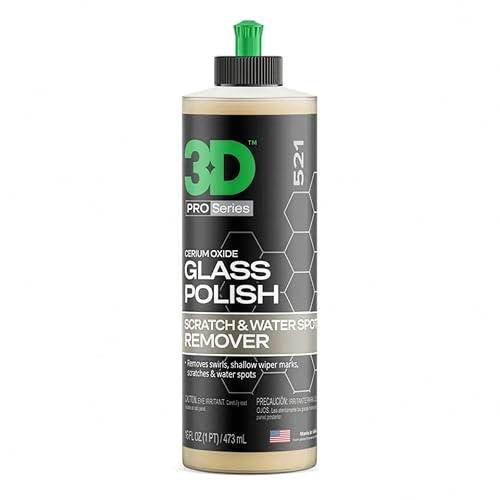
3D Glass Polish, Cerium-Oxide (16 oz)

3D SiO2 Ceramic Glass Cleaner (16 oz)

3D Eraser Gel Water Spot Remover (16 oz)

Chemical Guys Heavy Duty Water Spot Remover (2-Pack)
Meet The Standout Selections
Zud’s bleach-free cream cleanser has long been a quiet workhorse under bathroom sinks, and the two-pack keeps one ready at home and one in the garage or rental unit. The thick cream texture clings to vertical tile, giving the active ingredients time to soften rust streaks and mineral discoloration before the rag hits the surface.
For households sensitive to bleach fumes or anyone restoring older porcelain where harsh chemicals risk dulling the glaze, the gentler profile matters. Compared with the acid-heavy Betco Stix in pick 2, Zud trades raw power for everyday versatility across counters, tubs, and sinks.
The Practical Payoff
- Clinging cream texture helps lift rust and mineral discoloration without aggressive scrubbing.
- Bleach-free chemistry is friendlier for colored grout and older porcelain finishes.
- Works on countertops, tubs, sinks, and even refrigerator doors, so one bottle covers most rooms.
- The two-pack format keeps a backup ready for the next stain emergency.
Points To Keep In Mind
- The cream needs a little dwell time, so quick wipe-and-go sessions won’t unlock its full potential.
- You may find that deeply etched toilet bowl rings need a follow-up pumice stick for full removal.
Key Attributes
Right Fit For
Households with porcelain tubs, tile counters, and renters who want a single dependable bathroom cleaner without bleach fumes.
Consider Something Else When
Anyone facing a thick toilet bowl ring in a hard-water region will get faster results from the PUMIE HDW Scouring Stick in pick 3.
Betco Stix is the kind of cleaner you find in the back room of restaurants, schools, and apartment maintenance closets. The phosphoric acid base, 20% concentration, is what makes it chew through rust, mineral deposits, and soap scum in a single pass where gentler formulas stall.
The cherry-almond scent softens an otherwise industrial-strength product, which helps when restrooms share ventilation with occupied rooms. For a home user, the 12-bottle carton is overkill, but for property managers, the bulk format spreads the cost across dozens of cleanings.
Useful Touches
- 20% phosphoric acid concentration handles rust, lime, and soap scum without pre-treatment.
- The 32 oz bottle ships as a 12-bottle carton for properties running multiple restrooms.
- Cherry-almond scent softens the chemical edge during routine cleaning.
Honest Caveats
- Phosphoric acid is not safe for marble, natural stone, or unsealed grout, so the use list narrows quickly.
- Twelve bottles feels like a stockpile for a single household, so this only makes sense for shared or commercial spaces.
Built With In Mind
Maintenance teams, landlords, and small business owners who rotate through multiple restroom cleanings each week.
Look Elsewhere When
Households with stone counters or natural tile will find a safer everyday match in the Bar Keepers Friend powder from pick 4.
Pumice is a soft volcanic stone that gently abrades mineral deposits without harming glazed porcelain, and the PUMIE stick puts that trick in a toilet-bowl-friendly handle. When a chemical cleaner just polishes the surface of a ring without lifting it, the pumice physically erases the crust in a few swipes.
The six-pack format suits households that cycle through sticks for toilets, tubs, pool tile, and outdoor grills, all surfaces where calcium and rust like to congregate. Where Zud in pick 1 softens discoloration, PUMIE removes it through friction.
Well-Handled Touches
- Pumice abrasive erases hard water rings and rust without harsh chemical fumes.
- Works on toilets, tubs, sinks, pool tile, and grills for a multi-room cleaning tool.
- The six-pack spreads the cost across multiple uses and surfaces.
Worth Noting
- Direct scrubbing means more elbow grease than a spray-and-wait product, so it’s not the laziest approach.
- The sticks gradually wear down and create pumice dust, which rinses away but adds a quick cleanup step.
Feature Snapshot
Whose Shelf It Belongs On
Homeowners with hard water wells or older toilets where mineral rings return within days of cleaning.
Reach For A Different Pick When
Anyone wanting a hands-off chemical soak for car paint and glass will get better results from the 3D Eraser Gel in pick 7.
Bar Keepers Friend is the powder that earned its reputation restoring burnt stainless steel pans and dingy porcelain sinks long before “all-purpose” became a marketing buzzword. The oxalic acid base (a mild organic acid found in rhubarb and spinach) brightens metal and ceramic without bleach, which keeps the powder septic-safe and gentle on finished surfaces.
You sprinkle it on a wet surface, let it fizz for a moment, then scrub. That simple ritual makes it approachable for first-time users who might feel intimidated by a liquid acid cleaner. Compared with the Betco Stix in pick 2, BKF trades industrial concentration for a far friendlier household profile.
Useful Highlights
- Oxalic acid powder cuts through burnt pans, rust spots, and soap scum in one step.
- Safe for stainless steel, porcelain, ceramic tile, and aluminum when used as directed.
- Septic-safe formula with no bleach, so it suits older plumbing systems.
- The two-can pack keeps a backup in the laundry room or garage.
Points To Note
- The powder form takes a little getting used to compared with spray-and-wipe products.
- Not recommended for natural stone, so marble and travertine owners should keep it away from those surfaces.
Who It Suits Best
Home cooks and DIY detailers who want one powder that handles the kitchen, the bathroom, and even outdoor grills with equal skill.
Where Another Pick Suits Better
Rough pumice scrubbing for thick toilet rings will go faster with the PUMIE stick in pick 3.
Cerium oxide is the same fine abrasive compound the glass industry uses to polish lenses and telescope mirrors, so a 16 oz bottle of it aimed at car windshields is a serious tool. Wiper marks, swirl haze, and even light scratches that have etched into the glass respond to a careful polish cycle.
Glass polish is not a daily cleaner; it is a restoration step that returns clarity before a sealant goes on. Pair it with the 3D SiO2 Ceramic Glass Cleaner in pick 6 and the windshield gains both restored clarity and ongoing water repellency.
Why It Works Well
- Cerium-oxide abrasive restores optical clarity on etched and hazy windshields.
- Targets wiper marks, fine swirls, and water spot staining in a single polish pass.
- 16 oz bottle covers multiple restoration sessions on family vehicles.
Room For Improvement
- Restoration polishing requires a rotary or dual-action polisher for best results, which adds setup time.
- Deep scratches may need professional windshield repair rather than any consumer polish.
Spec Overview
Best Suited To
Car owners facing cloudy, etched glass who want to restore visibility before a road trip or safety inspection.
Skip It When
Anyone wanting a quick spray-and-wipe water repellent will find a simpler fit in the 3D SiO2 Ceramic Glass Cleaner from pick 6.
The GLW Series glass cleaner borrows silicon dioxide (SiO2), the same ceramic compound used in premium car coatings, and packs it into a spray-on wipe-off format. Cleaning and sealing happen in the same step, so a quick detail session leaves glass slick enough to bead rain on the highway.
It’s safe for tinted and non-tinted windows and mirrors, which simplifies a routine that usually requires separate products. The hydrophobic barrier keeps the next water spot from bonding, which is the underlying reason spots keep showing up in the first place.
Positive Points
- SiO2 polymers leave a hydrophobic barrier that helps rain bead and slide off.
- Safe on tinted windows, mirrors, and standard auto glass without separate products.
- Spray-and-wipe application fits a typical weekend wash routine.
Things To Consider
- The hydrophobic effect builds with repeated applications rather than appearing after a single spray.
Perfect Match For
Daily drivers and weekend road-trippers who want clearer wet-weather visibility without a separate ceramic coating service.
Swap It Out When
Older windshields with etched wiper marks will need the deeper restoration in the 3D Glass Polish from pick 5 first.
The 3D Eraser Gel is built for the exact moment a sprinkler hits the car in the sun and leaves a chalky halo on the door before the owner can blink. The acidic gel clings to the spot rather than running down the panel, which gives the active chemistry time to dissolve calcium and magnesium residue that bonded to clear coat.
It works on paint, glass, chrome, plastic, and polished metal, so a single bottle covers an entire detail kit. Owners commonly report that the gel format keeps the working area controlled, avoiding the streaks and chalking that loose spray products leave behind.
A Favorable Mix
- Thick gel clings to vertical panels, giving acids more dwell time to dissolve minerals.
- Safe across paint, glass, chrome, plastic, and polished metal for whole-vehicle detailing.
- Removes bonded calcium and magnesium that ordinary washing leaves behind.
Some Limits To Know
- Acidic chemistry means gloves and shade are wise, and full-sun application is not recommended.
- Stubborn etching that has physically scarred the clear coat may need follow-up polishing with the 3D Glass Polish from pick 5.
Key Product Details
Made For
Car enthusiasts and detailers who treat water spots as soon as they appear rather than waiting for the next full wash.
Not Your Match When
Shower-door glass and bathroom tile will find a more household-friendly option in the Bar Keepers Friend powder from pick 4.
Chemical Guys has spent years building a detailing community around products that read like a workshop shelf, and the Heavy Duty Water Spot Remover Gel fits that mold. The gel is balanced for paint, glass, chrome, aluminum, and stainless steel, so it doubles as a touch-up spot treatment and a broader exterior detailer.
The two-pack format is the quiet advantage here. Keep one bottle in the garage and the other in a travel kit, and a sudden sprinkler accident never derails a weekend wash. Compared with the 3D Eraser Gel in pick 7, this option tilts toward detailers who want a recognizable brand in a multi-bottle value pack.
Everyday Perks
- Gel format targets bonded mineral spots on paint, glass, chrome, and metal.
- Two-bottle pack covers multi-vehicle households or a long detail project.
- Familiar Chemical Guys ecosystem that pairs with the brand’s other wash and coating products.
Less Ideal Details
- You may find that the gel needs agitation with a microfiber or foam applicator for the best results on older spots.
- Acidic chemistry calls for gloves and shaded conditions, just like other gel removers in this category.
Who Should Grab It
Two-car households and weekend detailers who want a familiar brand in a value-friendly multi-pack.
A Better Fit Elsewhere
Single-bottle shoppers who just want one dependable gel for a daily driver will get equal results from the 3D Eraser Gel in pick 7.
What Matters Most Before Choosing water stain removers
The first fork in the road is chemistry. Acid-based formulas (oxalic acid in Bar Keepers Friend, phosphoric acid in Betco Stix, the acidic gel in the 3D Eraser and Chemical Guys products) dissolve mineral bonds quickly but demand respect for surfaces like marble, natural stone, and unsealed grout. Cream and powder cleansers sit on the gentler end and trade raw power for safer everyday use.
Surface type matters just as much as the stain. A toilet bowl ring under the waterline behaves differently than sprinkler spots on a hood, and etched windshield wiper marks need a different tool than bathroom tile haze. Match the formula to both the deposit (rust, calcium, soap scum) and the substrate (porcelain, paint, glass, chrome).
Format shapes the routine. Powders and creams need dwell time and a little scrubbing. Gels cling to vertical panels for hands-off soaking. Pumice sticks use friction rather than chemistry, which is useful when the user wants to avoid fumes. Sprays like the 3D SiO2 Ceramic Glass Cleaner add a hydrophobic layer that prevents the next spot from sticking in the first place.
Finally, consider volume and frequency. A single 12 oz can of powder suits most households for months, while a 12-bottle carton of Betco Stix only makes sense for property managers or shared facilities. Bulk value packs reward detailers who rotate through product across multiple vehicles or jobs.
Key Considerations Across These Picks
Pitfalls Shoppers Hit
A common mistake is grabbing the strongest acid cleaner for a job that calls for gentler chemistry, which can etch marble countertops or dull polished aluminum in a single pass. Always match the formula to the substrate, not just the stain.
Another trap is treating every water spot the same. A fresh sprinkler halo on a car panel responds to a quick gel treatment, while a year-old toilet ring under the waterline needs pumice or a thick acid soak. Reaching for the wrong tool wastes product and time.
When Paying More Pays Off
Higher-tier options like the 3D Glass Polish and the 3D SiO2 Ceramic Glass Cleaner cost more because they restore optical clarity or add ceramic protection rather than just cleaning the surface. The upgrade makes sense for vehicles with chronic water spot problems or drivers who want rain repellency built into a routine wash.
For households, the price jump from a single can of powder to a multi-pack detailer gel pays off when the bottles actually get used. Bulk formats suit multi-bathroom homes, two-car garages, and small property portfolios, but they sit on the shelf in a single-bathroom apartment.
Frequently Asked Questions
What is the safest water stain remover for natural stone? Skip the acid-based formulas entirely. Use a pH-neutral stone cleaner instead, since oxalic acid, phosphoric acid, and acidic gels can etch marble, travertine, and limestone in a single application.
Can water stain removers fix etched glass or just surface spots? Surface mineral spots lift with a gel or powder treatment. Etched glass, where minerals have actually scarred the surface, needs a cerium-oxide polish or professional restoration. Polishing removes a microscopic layer of glass to level the damage.
Are pumice sticks safe for porcelain toilets? Yes, pumice is softer than glazed porcelain, so it removes mineral rings without scratching the bowl. Keep the surface wet to reduce dust and friction, and skip the stick on plastic or fiberglass surfaces.
How often should water spot remover be used on a car? Treat fresh spots as soon as they appear, especially after sprinklers or road spray. A routine detail every few weeks prevents minerals from bonding long enough to need heavier polishing.
Do hydrophobic glass coatings replace regular water spot removers? No, coatings make future spots easier to remove and improve wet-weather visibility, but they don’t dissolve minerals that have already bonded. Use a gel remover first, then apply the ceramic coating for ongoing protection.
