

A hot tool without a protective layer is a gamble most strands lose. Anyone blow-drying, curling, or straightening regularly needs a barrier that softens heat damage while still letting the style set. The picks below lean into natural-oil formulas and humectant-rich bases, so hair feels conditioned rather than coated. Each one is reviewed for what it actually does, who it suits, and where another option might serve better.
The Leading Options At A Glance

Bumble and bumble. Hairdresser’s Invisible Oil Heat/UV Protection Leave-In Conditioner

Bumble and bumble. Heat Shield Blow Dry Accelerator Hair Mist

Bumble and bumble. Hairdresser’s Invisible Oil Frizz-Reducing Hair Oil

Bumble and bumble. All-Style Blow Dry Heat Protective Styling Cream
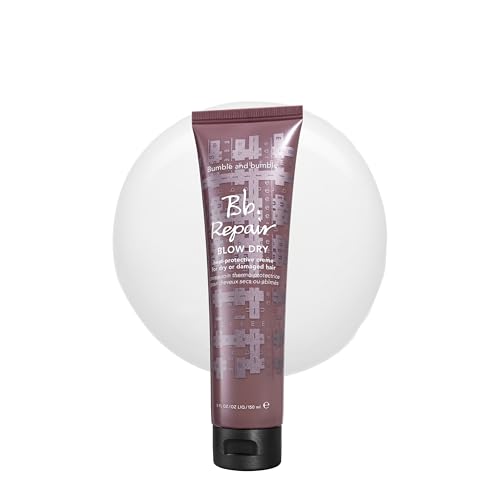
Bumble and bumble. Repair Blow Dry Heat Protective Styling Cream

Bumble and bumble. Straight Blow Dry Heat Protective Hair Styling Cream
A Deeper Look At The Lineup
This leave-in primer earns its spot at the top because it does three jobs at once, and most people with dry hair need exactly that. Argan and coconut oil sit at the front of the formula, so strands get slip and softness before any heat even shows up. The texture is genuinely lightweight, which is rare for a product this conditioning.
Anyone blow-drying on a regular schedule will notice the difference in how the brush glides. The primer also blocks UV rays, so color-treated hair stays richer between salon visits. Versus the Heat Shield mist in pick 2, this one is heavier on moisture and lighter on speed.
Where It Helps
- Heat protection up to 450°F handles flat irons and curling wands
- Argan and coconut oil blend replenishes moisture during styling
- UV filters shield color-treated hair from sun-fade
- Works as a daily leave-in for air-dried styles too
- Reduces frizz without leaving a heavy or greasy coating
Things To Consider
- Very fine hair may find the oil weight drags roots down
- A little goes a long way, so the bottle runs out faster than expected
Who It Suits Best
Color-treated or chemically processed hair that needs moisture plus thermal defense in a single step.
Where Another Pick Suits Better
The All-Style Blow Dry Heat Protective Styling Cream in pick 4 works better for fine, limp hair that needs volume instead of extra oil.
Speed is the headline here, and the Honey Protective Complex inside pulls double duty conditioning while it cuts drying time. A 4.2 fl oz bottle slips into a gym bag or carry-on, so mornings stay on schedule. The mist format means even application without saturating one patch.
Commuters who blow-dry five days a week tend to feel the value fastest. The formula is color-safe, so it plays well with salon work and box dye alike. Compared to the Invisible Oil primer above, this one trades moisture for efficiency, and the trade is real.
Positive Takeaways
- Reported to cut blow-dry time significantly per sensory testing
- Honey complex conditions to help prevent breakage during styling
- Color-safe formula works on dyed and highlighted hair
- Fine mist distributes evenly through mid-lengths and ends
Trade Offs
- Less conditioning than oil-based primers for very dry hair
- Smaller bottle may run out quickly for long or thick hair
Made For
Time-pressed routines where getting out the door fast matters more than deep conditioning.
Look Elsewhere When
The Hairdresser’s Invisible Oil Frizz-Reducing Hair Oil in pick 3 suits anyone whose priority is shine and deep nourishment over drying speed.
This oil leans on a six-oil blend, with grapeseed, coconut, and argan doing the heavy lifting for softness and gloss. UV filters sit alongside the oils, so sun exposure does not undo all the work the formula does. The texture absorbs quickly and leaves behind a tropical-floral scent that lingers lightly.
Curly and wavy textures tend to respond especially well, since the oils help define curl patterns while sealing the cuticle. Straight hair gets a mirror-like finish without the heavy feel of a traditional serum. Versus the Heat Shield mist in pick 2, this one is built for polish rather than pace.
Advantages To Know
- Multi-oil blend nourishes while it smooths
- UV filters protect against sun-driven dryness
- Quick-absorbing texture does not weigh hair down
- Adds visible shine to dull or color-treated strands
Worth Noting
- Oil-based formula can feel heavy on fine, straight hair if over-applied
- Fragrance may bother those sensitive to scented products
Best Suited To
Curly, coily, or wavy hair seeking frizz control with a glossy, healthy-looking finish.
Skip It When
The Straight Blow Dry Heat Protective Hair Styling Cream in pick 6 is a smarter match for anyone wanting a cream-based formula that fights humidity.
Fine hair has a hard time finding a protectant that does not flatten it, and this cream solves that specific problem. Oil-absorbing powders keep the roots from sliding into greasy territory, while the cream base adds the oomph and bounce that limp hair craves. It pulls triple duty as a heat shield, a styling aid, and a frizz tamer.
Wavy to straight textures see the most lift and movement. The 5 fl oz jar lasts well for medium-length hair. Compared to the Invisible Oil primer in pick 1, this one feels drier on the hands and lighter in the hair.
What It Does Well
- Oil-absorbing powders prevent root-flattening
- Adds bounce and visible shine to fine textures
- Extends the life of a blowout between washes
- Reduces frizz without weighing strands down
Honest Caveats
- Not formulated for thick, coarse, or tightly curly hair
- Cream format requires rubbing between palms to emulsify
Right Fit For
Fine to medium hair that goes limp easily and needs lift plus thermal protection in one product.
A Better Fit Elsewhere
The Repair Blow Dry Heat Protective Styling Cream in pick 5 serves medium-to-thick, damaged hair that needs richer conditioning.
Damaged hair needs more than a heat shield, and this cream is built for that exact situation. A repair technology helps seal split ends, while Rose of Jericho and Pale Lilac work together to bring dry, brittle strands back to life. The conditioning blend feels rich in the jar, so a small amount covers a lot of ground.
Medium-to-thick hair handles the weight best. Anyone with breakage from years of coloring or daily flat-ironing will notice smoother ends after a few uses. Compared to the All-Style cream in pick 4, this one is denser and more nourishing.
What Pays Off
- Repair technology seals split ends visibly over time
- Rose of Jericho helps revive dry, stressed strands
- Conditioning blend softens coarse or thick textures
- Shields against further heat-related breakage
Points To Note
- Rich texture can overwhelm fine or low-density hair
- 5 fl oz jar runs out faster with longer hair
Who Will Love This
Anyone with split ends, breakage, or chemically compromised hair wanting repair plus heat defense in one step.
Reach For A Different Pick When
The Heat Shield Blow Dry Accelerator Hair Mist in pick 2 is the lighter, faster option for hair that needs speed more than intensive repair.
Humidity is the enemy of a straight style, and this cream is engineered to fight that exact battle. A smoothing blend of lightweight silicones lays the cuticle flat and keeps flyaways from creeping back in. The non-greasy balm texture glides through hair without leaving buildup behind.
Medium-to-thick hair that lives in muggy climates tends to see the most dramatic improvement. The cream doubles as a blow-dry aid, helping round brushes pull strands taut. Compared to the Frizz-Reducing Oil in pick 3, this format gives sleeker, straighter results with less visible gloss.
Why It Works Well
- Silicone blend smooths frizz and flyaways
- Non-greasy formula keeps blow-dries soft, not crunchy
- Helps straighten strands during the drying process
- Shields against humidity and heat in one pass
Small Caveats
- Silicone-heavy formula may need clarifying shampoo for buildup
- Not designed to add volume or texture
Who Should Grab It
Anyone chasing a smooth, sleek blowout in humid weather without a flat, sticky finish.
Consider Something Else When
The All-Style Blow Dry Heat Protective Styling Cream in pick 4 is the better match for fine hair that needs lift instead of flattening.
What To Weigh Before Choosing A Heat Protectant
Match The Formula To Your Hair Type
Fine hair tends to drown under heavy oils, while thick, coarse hair drinks them up. Creams work well for wavy-to-straight textures, and oils or mists suit curlier patterns. Matching the format to the hair avoids the flat or greasy look that comes from mismatched products.
Decide What You Need Most
Heat protection, frizz control, color preservation, and styling hold are different jobs. A product can do all four, but each formula leans toward one or two. Picking based on the biggest frustration, whether that is speed, shine, or repair, leads to a more satisfying routine.
Check The Heat Threshold
Flat irons and curling wands run hotter than blow-dryers, and not every protectant handles extreme temperatures. For tools running above 400°F, a formula with a clear heat threshold gives more confidence. Lower-heat routines have more flexibility.
Consider How Often You Style
Daily stylers benefit from lightweight, fast-absorbing formulas that do not build up. Weekly users can afford richer creams and oils that sit longer in the hair. Frequency also affects how quickly a bottle disappears, so value plays into the real-world fit.
What Sets These Picks Apart From Each Other
The lineup breaks into two camps: leave-in primers and mists that focus on speed and lightweight coverage, and richer creams and oils for deeper conditioning. The Invisible Oil primer in pick 1 and the Frizz-Reducing Oil in pick 3 sit on the nourishing side, with the Heat Shield mist in pick 2 leaning toward efficiency. Creams in picks 4 through 6 split into volume, repair, and sleekness. The right pick depends on whether the priority is speed, moisture, repair, or smoothness, and a few of these can rotate seasonally as hair needs shift.
Common Buying Mistakes To Sidestep
Skipping The Ingredient Check
Natural-sounding marketing does not always mean a gentle formula. Some products labeled as heat protectants rely heavily on silicones, which can build up over time. Reading the ingredient list for oil blends, humectants, or conditioning agents helps match expectations to what the bottle actually delivers.
Choosing Format Over Function
A mist feels lighter, but it may not condition enough for dry hair. A cream feels richer, but it can flatten fine textures. Letting hair type drive the format choice, rather than the texture of the product in the bottle, prevents buyer’s remorse.
Ignoring Heat Tool Temperatures
Not all protectants handle every temperature. A 300°F curling wand needs less from a formula than a 450°F flat iron. Matching the protectant to the hottest tool used keeps strands safe across the whole routine.
Frequently Asked Questions
How Often Should Heat Protectant Be Applied?
Apply a heat protectant every time hot tools touch the hair, even for quick touch-ups. A light reapplication on dry hair before a touch-up pass helps reinforce the barrier. Skipping it on low-heat days is common, but consistent use builds long-term resilience.
Can Heat Protectant Replace Conditioner?
A heat protectant adds a layer during styling, but it does not replace regular conditioning. Most formulas focus on thermal defense and surface smoothing rather than deep moisturizing. Keeping a separate conditioner in the routine supports both jobs.
Are Natural Oil-Based Protectants As Effective As Silicone Ones?
Oil-based protectants coat strands and reduce friction, while silicone-based formulas seal the cuticle more tightly. Both approaches work, but oils tend to feel lighter and silicone formulas often last longer between washes. Choosing between them depends on hair type and styling habits.
Will Heat Protectant Make Hair Greasy?
Using too much product or applying it too close to the roots can leave a greasy look. Emulsifying the formula in the hands first and focusing on mid-lengths and ends keeps the application balanced. Fine hair benefits from a smaller amount per pass.
Can Heat Protectant Help With Frizz In Humid Weather?
Many protectants include anti-frizz agents and humidity barriers, especially creams and oils designed for sleek styles. The Straight Blow Dry cream in this lineup is built specifically for that job. Pairing a protectant with a smoothing serum or cream tends to give the strongest results in muggy conditions.
