

Skin that looks lit-from-within starts with the right serum layered into a routine. The dewy finish people chase on social feeds rarely comes from a single product: it usually takes humectants (ingredients that pull water into the skin), a healthy barrier, and a dose of antioxidants. This roundup sorts through eight serums built around that goal, from Korean PDRN ampoules to a few lightweight hydrators that earn a spot in any minimalist routine.
The Essentials At A Glance

CISL SEOUL Korean PDRN Serum

ESSENHERB Deep Core Hydra Ampoule
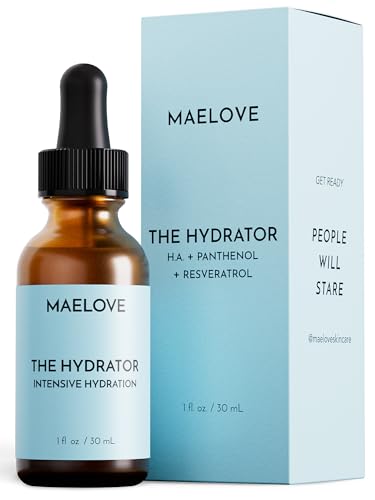
MAELOVE Hydrator Hyaluronic Acid B5 Serum

Dermafirm PDRN Collagen Ampoule

OKUOT PDRN Pink Serum Kit

MEDITHERAPY Squalane Skin Booster Moisturizer

MEDITHERAPY Retinal Skin Booster Serum

MEDITHERAPY Hyaluronic Acid Serum
Inside Each Recommended Option
CISL SEOUL positions this 30ml dropper bottle as a daily anti-aging serum for anyone chasing the “glass skin” look. The 5% PDRN (polydeoxyribonucleotide, a salmon DNA-derived ingredient often used in K-beauty to support skin renewal) pairs with exosome and Matrixyl 3000 (a peptide blend that targets the look of expression lines) on the ingredient list, which gives it a treatment-leaning feel rather than a simple hydrator. Anyone already running peptides in their routine will recognize that combo.
In a morning lineup, a few drops after toner and before moisturizer tend to behave well under sunscreen and makeup. The fragrance-free formula suits reactive skin, and the slim bottle stores easily on a small vanity or a bathroom shelf. You may find the serum a touch richer than a watery HA step, so oily skin types might want to go light on layers beneath it.
The Helpful Details
- 5% PDRN plus Matrixyl 3000 targets both texture and the look of fine lines in one step.
- Fragrance-free formula plays nicely with sensitive or reactive complexions.
- Dropper packaging makes it easy to ration product for a multi-week routine.
- Layers cleanly under sunscreen and light foundation without pilling.
Things To Consider
- 30ml size runs out faster for users who apply to neck and chest, not just face.
- Peptide-rich formulas can feel slightly tacky on humid days before fully absorbing.
Who It Suits Best
People in their 30s and up who want a treatment-leaning serum that addresses lines while still supporting a dewy base.
Consider Something Else When
The ESSENHERB Deep Core Hydra Ampoule makes more sense for shoppers who want a fully plant-based, vegan formula without the PDRN focus.
ESSENHERB’s Deep Core Hydra Ampoule leans on plant-based phyto mucin (a botanical alternative to snail mucin, prized for its soothing, moisture-sealing texture) instead of animal-derived alternatives. The formula also stacks ten molecular weights of hyaluronic acid, which is a hydration play aimed at multiple skin layers rather than just the surface. For anyone with a dull, tight-feeling face by mid-afternoon, that layered approach reads well on paper.
The 1.69 fl oz bottle slips easily into a crowded shelf, and the ampoule-style dropper keeps portions tidy. Oily or acne-prone skin types may want to patch-test first, since richer plant mucins sometimes sit a bit heavier than a straight HA serum. In practice, this pairs nicely with a light gel moisturizer on humid days.
Noteworthy Benefits
- 100% vegan formula with no animal-derived mucin or byproducts.
- Multi-weight hyaluronic acid aims to hydrate both surface and deeper layers.
- Phyto mucin offers a cushiony, comforting feel for tight or stripped skin.
Honest Caveats
- Thicker texture than a watery HA serum, which can feel heavy in warm weather.
- Some users with very oily skin report a slight tack on top before fully absorbing.
- Plant-based ingredient lists can shift between batches, so fragrance-sensitive shoppers should recheck labels.
Made For
Vegans and anyone with a compromised moisture barrier who wants a deeply cushioning, plant-led ampoule.
Look Elsewhere When
The MAELOVE Hydrator Hyaluronic Acid B5 Serum is a better match for shoppers who want a featherlight texture with no plant mucin in the mix.
MAELOVE’s Hydrator reads like a friendly entry point for anyone new to layering serums. The combination of hyaluronic acid, vitamin B5 (panthenol, a humectant that helps skin hold water and supports barrier recovery), and resveratrol (a polyphenol antioxidant often associated with grapes) gives the formula a simple, three-ingredient narrative rather than a crowded INCI list. The 1.0 fl oz glass dropper is a familiar size for the category.
On a no-makeup day, a few drops over a damp face tend to disappear quickly and leave a soft sheen rather than a shiny film. It’s the kind of serum that fits between toner and cream without drama, which makes it forgiving for beginners building their first routine. Dry-skin users in winter may want to layer an occlusive on top, since the formula stays light.
Good Reasons To Consider
- Straightforward ingredient list keeps the routine easy to read at a glance.
- Lightweight, non-greasy finish works well under makeup and sunscreen.
- Resveratrol adds an antioxidant layer to a hydration-first formula.
Small Caveats
- 1.0 fl oz runs out faster for users who apply twice daily on face and neck.
- Light texture may not feel rich enough as a solo treatment in cold, dry climates.
Right Fit For
First-time serum shoppers who want a clean, no-fuss formula that delivers a daily dewy base without overwhelming the routine.
A Better Fit Elsewhere
The MEDITHERAPY Hyaluronic Acid Serum is worth a look for anyone who wants a larger 5.07 fl oz bottle and a similarly watery finish.
Dermafirm’s pink ampoule blends 5% PDRN with 25% collagen water, which positions it closer to a treatment than a basic hydrator. The 1.69 fl oz size sits comfortably between a travel-friendly dropper and a full-size bottle, and the brand’s source materials reference a 7-day clinical trial on human subjects for the firming claim. The pale pink hue comes from the formulation rather than added dye, which is a small but appreciated detail.
Compared to the CISL SEOUL PDRN Serum that opened the list, this one leans harder into collagen-water territory and skips the Matrixyl peptide blend. Shoppers tracking elasticity, especially after a season of sun exposure, may find that angle appealing. You may want to pair it with a richer night cream since the ampoule itself stays light.
Strong Points
- 5% PDRN combined with 25% collagen water addresses both renewal and bounce.
- Mid-size 1.69 fl oz bottle bridges travel and full-size use cases.
- Lightweight ampoule texture absorbs quickly without leaving residue.
Points To Note
- No added peptides, so shoppers wanting a full multi-active stack may need to layer.
- Clinical-trial language is brand-stated rather than independently verified, so results will vary.
Best Suited To
Anyone focused on firmness and elasticity who wants a PDRN-forward ampoule without the peptide complexity of multi-ingredient formulas.
Not Your Match When
The CISL SEOUL Korean PDRN Serum makes more sense for those who want a peptide blend alongside the PDRN base.
OKUOT takes a different route by bundling a 1.01 fl oz serum with ten capsule boosters, which makes the box feel more like a small ritual than a single bottle. The 10,000ppm salmon DNA concentration is high relative to many PDRN serums, and niacinamide plus a 5-peptide complex round out the conditioning side. It lands somewhere between a treatment and a routine-builder, depending on how shoppers pace the capsules.
The packaging takes a bit more shelf real estate than a dropper bottle, so bathroom counters with limited space may want to think about storage. Sensitive skin types should patch-test the capsules, since peptide complexes occasionally cause reactivity in users unused to them. In a normal week, mixing the booster with the serum on alternating nights can stretch the kit out comfortably.
Useful Touches
- 10,000ppm salmon DNA concentration is on the higher end of the PDRN category.
- Capsule boosters let shoppers adjust intensity rather than commit to one fixed dose.
- Niacinamide and 5-peptide complex address tone alongside the renewal focus.
Trade Offs
- Multi-part kit takes up more storage space than a single dropper bottle.
- Higher active load means a patch test is wise for sensitive or reactive skin.
Who Should Grab It
Routine tinkerers and skincare hobbyists who enjoy layering capsule boosters and want a high-concentration PDRN base.
Skip It When
The Dermafirm PDRN Collagen Ampoule fits better for shoppers who prefer a single-bottle PDRN step without the booster format.
MEDITHERAPY’s Squalane Skin Booster sits in a different lane than the watery serums earlier in the list, since the 8% squalane base gives it a cream-meets-serum feel. Squalane is a lightweight lipid that mimics skin’s own sebum, which makes this formula appealing to anyone whose moisture barrier has taken a hit from over-exfoliation or cold weather. The 5.07 fl oz pump bottle is generous for a daily moisturizer, and it pairs well with the brand’s hyaluronic acid serum for a hydrating sandwich.
For shoppers with oily or acne-prone skin, the richer texture may feel like more than needed in summer. The non-greasy claim generally holds up under makeup, though very humid days can leave a faint sheen. Storing it next to a humidifier or in a steamy bathroom is fine; the pump keeps air out, which helps the formula stay stable.
Points In Its Favor
- 8% plant-derived squalane supports barrier repair without a heavy occlusive feel.
- Panthenol and hyaluronic acid add a hydration layer beneath the lipid base.
- 5.07 fl oz pump bottle lasts through a full multi-month routine.
Points To Keep In Mind
- Cream-serum hybrid texture may feel too rich for oily or acne-prone skin in warm weather.
- Larger bottle is overkill for shoppers wanting a small travel option.
Who It Suits Best
People with dry, sensitive, or over-exfoliated skin who want a barrier-supporting step that still wears well under makeup.
Another Choice May Suit
The MEDITHERAPY Hyaluronic Acid Serum is the better pick for those who want a watery hydration step rather than a cream texture.
Retinal (retinaldehyde) sits one step closer to retinoic acid than retinol, which is why the brand frames this as a “smart upgrade” for first-time retinal users. The 5.07 fl oz bottle is large for the category, and the ingredient list adds niacinamide and cica (centella asiatica, a soothing botanical extract) to balance what could otherwise be a drying formula. The dewy finish here comes more from supporting cell turnover than from surface hydration alone.
Anyone with a compromised moisture barrier should pair this with a richer cream, since retinal formulas can feel tight during the first weeks. Using it every other night to start is a common approach, especially for sensitive skin. The pump packaging keeps the active ingredient shielded from light and air between uses.
What Earns Its Place
- Retinaldehyde offers a faster-working alternative to standard retinol.
- Niacinamide and cica soothe skin that might otherwise react to retinal.
- 5.07 fl oz pump bottle provides long-term value for nightly users.
Worth Bearing In Mind
- Retinal can cause dryness or flaking during the adjustment period, so easing in matters.
- Not a fit during pregnancy or for anyone advised to avoid vitamin A derivatives.
Perfect Match For
Nighttime routine builders with dull or uneven tone who want a gentler retinal option paired with soothing ingredients.
Swap It Out When
The MEDITHERAPY Squalane Skin Booster Moisturizer suits shoppers who want a hydrating barrier step without the vitamin A activity.
The MEDITHERAPY Hyaluronic Acid Serum rounds out the roundup with a featherlight, water-weight formula designed to layer without drama. The 5.07 fl oz size mirrors the brand’s other boosters, so it can sit in a matching set on the shelf. The fast-absorbing texture is the kind that disappears before the next step, which is what most routines need from a hyaluronic acid serum.
Stacking it over a hydrating toner and under a ceramide cream is a typical way to use it, and the formula plays well with the brand’s retinal serum for nighttime routines. On its own, it may feel a touch light for very dry skin, so pairing it with the Squalane Skin Booster from the same brand covers both water and lipid layers. In warm months, the HA serum alone is often enough to maintain a comfortable feel.
Strengths Worth Knowing
- Watery texture absorbs in seconds, leaving a non-sticky finish.
- 5.07 fl oz size offers good value for twice-daily application.
- Layers cleanly under retinal, vitamin C, or heavier creams.
Possible Compromises
- Solo use may not feel rich enough for chronically dry or mature skin.
- Bottle opening can get a bit drippy if over-dispensed, so a slow pump helps.
Whose Shelf It Belongs On
Anyone building a glass-skin routine who wants a versatile, water-weight HA step to layer with other actives and moisturizers.
Where A Sibling Pick Shines
The MAELOVE Hydrator Hyaluronic Acid B5 Serum fits shoppers who want a smaller 1.0 fl oz bottle and an added antioxidant touch.
Reading the Label Before You Buy
A dewy finish is the visible side of a deeper skincare goal, and the path there depends on which layer of skin needs the most support. Hydration-focused routines do best with humectants like hyaluronic acid or glycerin, which pull water into the surface. Barrier-led routines need lipids like squalane or ceramides, which lock that water in place. Treatment-led routines stack peptides or PDRN, which target the look of firmness and texture.
Skin type and climate also shape the call. Oily or acne-prone skin usually tolerates watery serums better than rich ampoules, while dry or mature skin often wants a richer base. Hot, humid weather pulls more water to the surface, so lightweight layers feel comfortable; cold, dry air pulls water out of skin, which is when occlusive and lipid-rich steps earn their spot. Reading an ingredient list from highest to lowest concentration helps, since the first five entries usually do most of the work.
A quick scan for fragrance, essential oils, and known sensitizers matters for anyone with reactive skin, even in formulas marketed as gentle. Patch testing a new serum on the inner forearm or behind the ear for a few days cuts down on surprise reactions when it lands on the face. Texture also tells a story: thicker ampoules tend to seal moisture, while thinner serums play well in layered routines.
Navigating The Higher End of the Category
Premium-tier serums in the dewy-skin space often invest in clinical or trial-based claims, higher active concentrations, or larger bottle sizes. A product like the OKUOT PDRN Pink Serum Kit leans on a 10,000ppm salmon DNA concentration plus bundled boosters, which is a different value calculation than a single dropper bottle. The Dermafirm PDRN Collagen Ampoule references a 7-day human clinical trial, which is more rigorous than the anecdotal framing common in the category.
Paying up makes sense when the active ingredient concentration, the bottle size, or the supporting research actually matches the goal. A shopper who wants peptides alongside PDRN gets more from CISL SEOUL’s blend than a basic HA serum, even if both deliver some hydration. A large 5.07 fl oz pump bottle also changes the long-term math, since cost per ounce tends to drop on the bigger sizes.
Where Shoppers Slip Up
Mistakes Worth Dodging
Picking a serum by ingredient hype alone is a common trap, since not every active fits every skin type. PDRN and peptide formulas can feel heavier than expected on oily skin, while pure HA serums may under-deliver for chronically dry complexions. Checking texture and concentration before checkout saves the hassle of returns.
What The Higher Tier Buys
A higher price tag usually means a longer ingredient list, a larger bottle, or stronger trial-backed claims. Stepping up makes sense when the active concentration matches a specific concern, like firmness or deep hydration, rather than buying on packaging alone. The MEDITHERAPY 5.07 fl oz bottles cost more up front, but the per-ounce value tends to beat smaller dropper sizes over a multi-month routine.
Frequently Asked Questions
How often should a dewy-skin serum be used?
Most hydrating serums work well twice daily, while retinal or strong PDRN formulas often start at three nights a week. Easing in slowly helps the skin adjust without flaking or tightness.
Can these serums be layered together?
Yes, watery serums generally go on first, with ampoules and cream-serum hybrids on top. Sticking to two or three layers keeps the routine from pilling under sunscreen or makeup.
Which serum fits oily or acne-prone skin?
Lightweight, water-based formulas like the MAELOVE Hydrator or the MEDITHERAPY Hyaluronic Acid Serum tend to feel comfortable without adding excess oil. Richer ampoules with plant mucins can feel heavier in humid weather.
Is PDRN safe for sensitive skin?
PDRN serums are generally well tolerated, but a patch test is wise for anyone with a reactive barrier. Layering with a soothing moisturizer helps during the first few weeks.
Do these serums replace a moisturizer?
Most serums boost the routine rather than replace moisturizer, since water-based formulas need a lipid or occlusive layer to seal everything in. Pairing a serum with a barrier-supporting cream tends to give the most visible dewy result.
