

I remember fumbling through my first pack of strings, totally lost on what gauge meant or why one set felt like bending a crowbar while another felt like a rubber band. Picking bass strings for beginners shouldn’t feel that confusing, and the right set can turn early practice from frustrating to genuinely fun. I’ve gone through six solid options that work for new players across electric guitar and bass, so you can match the set to your instrument and playing style without the guesswork.
The Choices Worth Comparing

D’Addario NYXL1046 Electric Guitar Strings (10-46)
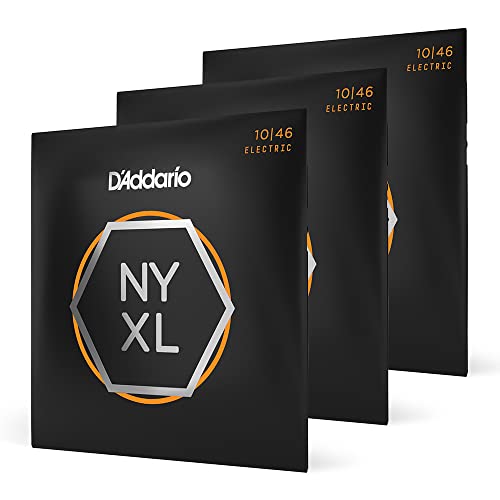
D’Addario NYXL1046-3P Electric Guitar Strings, 3-Pack

D’Addario NYXL0942 Super Light Electric Guitar Strings

Ernie Ball 2834 Super Slinky Bass Strings 2-Pack

Ernie Ball Regular Slinky Bass Strings, 50-105

D’Addario XS Coated Bass Strings, 45-100
Why These Options Stand Out
The D’Addario NYXL1046 set sits in that middle ground where most new electric guitar players feel comfortable. The 10-46 gauge (gauge refers to the thickness of the thinnest and thickest strings, measured in thousandths of an inch) is widely considered the “standard” tension, meaning the strings aren’t floppy enough to buzz badly but aren’t so stiff that finger calluses become a serious obstacle.
Compared to lighter starter sets, this gauge gives you a fuller tone that responds well to clean chords and basic rock riffs. NYXL strings use a high-carbon steel core, which helps them hold tune better during those early weeks when you’re constantly retuning after every practice session.
Where It Delivers
- Mid-range tension suits most beginner hand strengths and playing styles
- Tuning stability reduces frustration during frequent retuning sessions
- Compatible with nearly every standard electric guitar, no setup tweaks required
- Bright, clear tone that records well even through basic practice amps
Things To Consider
- You may find the high E string a touch stiff if you have very small hands or limited finger strength
- Single-pack only, so replacements mean buying another set rather than having spares on hand
Key Specs
Right Fit For
First-year electric guitar players who want one reliable set that handles chords, lead lines, and everything in between.
Skip It When
The D’Addario NYXL0942 Super Light Electric Guitar Strings is a better match for younger players or anyone who finds 10-gauge high strings tough on their fingertips.
Same exact string construction as my first pick, just bundled in a three-pack that makes sense once you’re committed to practicing regularly. Beginners tend to break strings more often, either from over-aggressive picking or from snags during string changes, so having backups on the shelf saves a trip to the store mid-week.
The 10-46 gauge stays consistent with the single-pack, so you’re not switching tensions between sets. For someone practicing an hour a day, three sets covers roughly three to four months of normal wear, depending on how sweaty your hands run and how often you wipe the strings down after playing.
A Few Strong Suits
- Three-pack format keeps spares handy for sudden string breaks during practice
- Identical specs to the single-pack version, so no learning curve when swapping sets
- Better per-set value than buying singles repeatedly over several months
Worth Noting
- Upfront cost is higher than a single set, which may feel steep for someone still deciding if guitar is a long-term hobby
Made For
Beginners who practice consistently and want a stockpile so a broken string never interrupts a lesson or a lesson day.
Look Elsewhere When
The D’Addario NYXL1046 Electric Guitar Strings (10-46) single-pack is the smarter buy for casual players who only practice once or twice a week.
The 09-42 gauge drops the thinnest string to 0.009 inches, making chord shapes easier to press down and bends less of a finger workout. For younger students, older beginners returning to guitar, or anyone with a light touch, super-light strings cut down on the hand fatigue that often makes people quit in the first month.
You give up a little fullness in the low end compared to the 10-46 sets, and the thinner strings can buzz slightly on guitars with action set high (action is the height of the strings above the fretboard). Most beginner-friendly guitars come with low factory action, so this rarely becomes a real issue, but it’s worth knowing.
Notable Gains
- Reduced finger pressure makes barre chords and stretches less painful for new players
- Bends and vibrato feel more responsive because the strings move under lighter tension
- Same NYXL high-carbon core, so tuning stability stays strong even at the lighter gauge
Trade Offs
- Thinner strings produce a slightly thinner tone, especially noticeable on lower tunings or chunky rhythm playing
- Worn super-light strings lose their bright character faster, so regular replacement matters more
- May buzz on guitars with high action that haven’t been professionally set up
Feature Snapshot
Best Suited To
Beginners with smaller hands, younger students, or anyone whose fingers fatigue quickly during longer practice sessions.
Not Your Match When
The D’Addario NYXL1046 Electric Guitar Strings (10-46) suits players who want a fuller, more traditional rock or blues tone right out of the gate.
Stepping over to actual bass strings, the Ernie Ball Super Slinky set is a long-time go-to for first-time bassists. The round-wound construction (round-wound means the outer wire is wrapped in a coiled spiral, which gives a brighter, more textured tone than flat-wound strings) produces a punchy, defined sound that cuts through a mix, which matters when you’re learning to lock in with a drummer or play along with recordings.
This 2-pack gives you a backup set without committing to a full bulk buy, and the lighter tension compared to standard bass gauges makes fretting easier on beginner hands. The nickel-plated steel wrap feels smooth under the fingers and responds well to both fingerstyle and pick playing.
Benefits That Matter
- Lighter tension reduces hand fatigue during long practice sessions for new bassists
- Bright, defined tone helps beginners hear their notes clearly when learning root-note patterns
- 2-pack format covers several months of regular play without restocking
- Round-wound texture produces the classic bass sound heard across rock, pop, and country
Points To Note
- Round-wound strings can produce finger noise (squeaks) when sliding between positions, which beginners often mistake for playing mistakes
- Tone may feel too bright for players aiming at vintage Motown or jazz bass sounds
At A Glance
Who It Suits Best
First-time bass players who want a bright, modern tone and don’t want heavier strings fighting their fingers during early lessons.
Consider Something Else When
The Ernie Ball Regular Slinky Bass Strings, 50-105 fits players who prefer a thicker, more traditional bass feel with stronger low-end response.
The Regular Slinky gauge (50-105) is where most bass players land after a few months of building finger strength. The thicker low strings give you that deep, growling tone that defines classic rock and punk bass lines, and the nickel-wound wrap produces a balanced character that works across genres.
Compared to the Super Slinky set above, this gauge asks more from your fretting hand, especially on the B and high E strings. For beginners who stick with it past the first month or two, the trade-off pays off in a fuller sound that translates better to recording and live performance.
Good Reasons To Consider
- 50-105 gauge produces a fuller low-end response for rock, punk, and metal styles
- Nickel-plated wrap balances brightness with warmth, avoiding the harsh top-end of pure steel
- Same proven Slinky construction that has been on stage with countless professional players
A Few Limitations
- Higher tension can cause hand fatigue during the first few weeks of practice
- Thicker strings may require a truss rod adjustment (the internal metal rod that controls neck curvature) on some beginner basses with factory setups
Key Product Details
Whose Shelf It Belongs On
Beginners who have played for a month or two and are ready to move up to a fuller, more traditional bass sound.
Reach For A Different Pick When
The Ernie Ball 2834 Super Slinky Bass Strings 2-Pack is easier on the hands for someone just unboxing their first bass this week.
The XS series adds an ultra-thin coating over the wrap wire, which protects against the sweat, oils, and grime that shorten string life. For beginners who practice daily and don’t always wipe their strings down, coated strings can last two to three times longer than uncoated sets, which adds up over the first year of playing.
The 45-100 gauge sits between the Super Slinky and Regular Slinky, offering a middle-ground tension that most beginners can handle without too much strain. The nickel-plated wrap keeps the tone balanced, so you’re not sacrificing sound quality for the extended lifespan.
Everyday Perks
- Coating extends string life significantly, reducing how often you need to buy replacements
- 45-100 tension provides a comfortable middle ground for developing hand strength
- Smooth coating reduces finger noise during slides and position shifts
- Maintains bright, balanced tone despite the protective outer layer
Potential Drawbacks
- Coated strings typically cost more upfront than uncoated equivalents
- The slick coating can feel unfamiliar at first, especially for players used to bare metal strings
Quick Facts
Perfect Match For
Beginners who practice often, sweat heavily during sessions, or simply don’t want to think about string changes for months at a time.
Where A Sibling Pick Shines
The Ernie Ball 2834 Super Slinky Bass Strings 2-Pack costs less per set for players willing to change strings more frequently in exchange for lower tension.
Picking The Right Strings For Your First Year
Gauge is the single biggest decision a new player faces, and it really comes down to hand strength and playing style. Lighter gauges (09-42 on guitar, 45-100 on bass) require less finger pressure, which matters when you’re building calluses. Heavier gauges (10-46, 50-105) produce a fuller tone and stay in tune better under aggressive picking, but they punish soft fingers in the first few weeks.
String material changes the feel and sound more than most beginners expect. Nickel-plated steel, which appears in most of the sets here, balances brightness with a smooth touch. Pure steel strings sound brighter and feel slightly rougher, while nickel-only wraps feel smoother and warm up the tone.
Coating is the most overlooked feature, especially for bass players. An untreated bass string can go dead in a few weeks of regular play because the lower frequencies vibrate the wrap wire more aggressively. Coated strings solve this, though they cost more per set.
Finally, think about how often you actually want to change strings. New players often stretch strings out of tune quickly, so having a backup pack on hand prevents an interrupted practice session. If you practice daily, plan on changing strings every two to three months for coated sets and every four to six weeks for uncoated ones.
Key Considerations Across These Picks
Pitfalls Shoppers Hit
The most common mistake is buying strings that don’t match the instrument’s scale length, which is the vibrating length of string between the nut and the bridge. A short-scale bass (around 30 inches) feels different under the fingers than a long-scale (34 inches), and string tension changes accordingly. Always check what your specific instrument needs before ordering.
Another trap is ignoring the string winding. Round-wound strings (used in most of the bass sets here) feel textured and bright. Flat-wound strings feel smooth and produce a mellower, thumpier tone, often associated with Motown or jazz. Beginners sometimes blame themselves for “bad tone” when they’re really just playing round-wounds through an amp set for slap-style playing.
What Separates Premium From Basic
Higher-tier strings like the D’Addario XS series invest in coating technology and core wire precision, which translates to longer life and more consistent tuning. The trade-off is price, and for a beginner still figuring out their sound, that extra cost may not pay off immediately. Coated strings make the most sense once you’ve been playing for a few months and can actually hear the difference when a fresh set goes on. For someone in their first month, a basic nickel-plated set teaches you what strings actually do, and you can upgrade once you have a reference point.
