

A blue black shade sits in a tricky space. It reads as deep black in low light, then flashes cool blue under sunlight, so the right formula has to deliver both depth and that subtle reflective shift. Picking the wrong box often means a flat black that looks dull by week three, or worse, an uneven blue cast on already-dark hair. This roundup focuses on permanent blue black options that handle the basics well: consistent coverage, manageable developer strength, and ingredients that don’t leave your ends feeling like straw. Each pick below comes with a clear profile of who it suits and where another option on the list might serve you better.
An Overview Of The Picks

Garnier Nutrisse Ultra Color BL21 Blue Black

Clairol Nice’n Easy 1BB Deepest Blue Black

Bigen #88 Blue Black Permanent Powder

Garnier Nutrisse Ultra Color BL11 Jet Blue Black
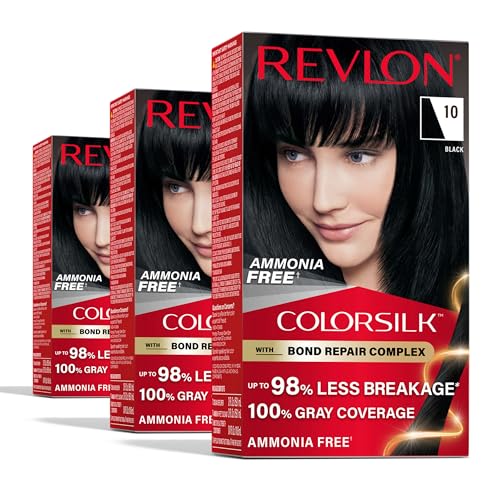
Revlon ColorSilk with Bond Repair 10 Black
More Details On Our Top Picks
The BL21 shade lands in a sweet spot for anyone with medium brown to black hair who wants that cool blue flash without bleaching first. The kit ships with a separate oil ampoule (a small sealed pod you snap open and pour in) that mixes into the color cream, which spreads noticeably smoother than most box dyes and tends to reduce patchiness around the crown.
On natural dark hair, the blue undertone shows up best after a day or two of washing, once the formula settles and the top layer of pigment oxidizes (meaning it fully reacts with air and finishes developing). You’ll get a near-black base in low light and a subtle blue sheen in direct sun, which is the look most people chasing this shade actually want.
A Few Highlights
- Reflective blue undertone shows up without bleaching on dark bases
- Oil-infused mix spreads evenly, lowering the risk of missed spots at the roots
- Designed for lasting color that holds up through multiple washes
- Cruelty-free formula suits shoppers who check for that label
- Kits include a after-color conditioner that helps with post-dye softness
Worth Noting
- On hair lighter than medium brown, the blue tone can read more obvious than “natural black with a sheen”
- Box color cream can feel slightly thinner than some competitors, so work in small sections
Who It Suits Best
Anyone with natural dark hair (medium brown through black) who wants a blue reflective shift without a separate bleaching step.
Look Elsewhere When
You want the deepest possible blue black with more visible cool tones, in which case the Garnier Nutrisse Ultra Color BL11 Jet Blue Black (#4) pushes the blue slightly further.
Where the first pick leans into a reflective blue flash, this one aims for a softer, more believable blue black. Clairol’s formula blends three tonal levels in one application, which means the color doesn’t look like a single flat block, it picks up natural variation as it grows. For first-time box-dye users, that forgiving finish is genuinely helpful.
The included oil-infused mix keeps the cream workable, and the box also ships a Revitashine treatment packet that doubles as a bonding (hair-strengthening) boost after you rinse. For anyone with grays showing through and a goal of full coverage that still looks dimensional, this hits a practical middle ground.
Where It Delivers
- Three-tone blend creates natural-looking highs and lows, not a flat block
- Full gray coverage in a single step
- Oil-infused base helps the color grab evenly, especially at the temples
- After-treatment packet supports hair strength and helps lock in tone
Points To Note
- Blue undertone is more subtle than the Garnier BL21, so don’t expect a strong blue flash
- Available in 44 shades, which can make choosing the right tone harder if you’re cross-shopping in-store
Made For
First-time box-dye users and anyone with noticeable grays who wants a believable, multi-tonal blue black without strong blue flash.
Consider Something Else When
You want a more visible blue reflective finish on dark hair, in which case the Garnier Nutrisse Ultra Color BL21 Blue Black (#1) will give you that flash more reliably.
The Bigen powder format is a real departure from the cream kits above. You mix the powder with water in a non-metallic bowl, stir to a paste, and apply with a brush. That extra step sounds like a hassle, but for anyone who colors every two to three weeks, the six-pack format and per-use cost make it a sensible long-game option.
There’s no ammonia (the harsh-smelling chemical that opens the hair cuticle in most permanent dyes) in the formula, so the working smell is noticeably gentler. You give up the convenience of a cream applicator, but you gain control over consistency and the ability to mix only what you need for a root touch-up.
Good Reasons To Consider
- Multi-pack format lowers the per-application cost for frequent users
- Ammonia-free mix is easier on sensitive noses and scalps
- Powder form lets you mix only what you need for a partial touch-up
- Effective gray coverage on resistant hair that flat black dyes sometimes miss
Trade Offs
- Mixing and brushing takes more time than squeeze-bottle kits, so less convenient for beginners
- Packaging isn’t always intuitive if you’ve only used cream dyes before, so read the enclosed leaflet
Right Fit For
Frequent self-colorers and anyone with resistant grays who prefers a powder mix over a cream kit.
Swap It Out When
You want a quicker squeeze-bottle application and a more dimensional finish, in which case the Clairol Nice’n Easy 1BB Deepest Blue Black (#2) is the easier at-home option.
If the BL21 in pick #1 reads as “black with a hint of blue,” the BL11 pushes the dial one notch further. Garnier designed this shade for natural hair sitting between light brown and black, and the blue undertone is more visible right out of the box, particularly on the ends where light hits first.
Like its sibling shade, it uses the same oil ampoule system, so the cream carries smoothly from root to tip. You may find the depth of the blue more visible indoors as well, which is worth knowing if you wanted a strictly “black at the office, blue in the sun” effect.
What It Does Well
- More pronounced blue undertone than the BL21, visible even in shaded indoor light
- Adapts well to a range of dark starting shades, from light brown through natural black
- Oil ampoule keeps the mix workable through the full application window
- Designed for long-lasting color across multiple wash cycles
Soft Spots
- Blue tone is more obvious, so it isn’t the right pick if you want a “natural black” only look
- On very dark virgin black hair, the blue may show more on the ends than the roots
Best Suited To
Dark-haired colorers who want the blue tone to be a noticeable part of the look, not just a sunny-day surprise.
Reach For A Different Pick When
You want a more subtle blue sheen and a closer-to-natural-black finish, in which case the Clairol Nice’n Easy 1BB Deepest Blue Black (#2) will feel more understated.
The 10 Black shade in Revlon’s ColorSilk line sits at the neutral black end of the spectrum rather than the blue black end, but the formula earns its place here for a different reason. The Bond Repair Complex is built around keratin fillers (tiny protein fragments that slot into weak spots along the hair shaft) and works alongside an ammonia-free base, which matters if your hair is already heat-damaged or color-weary.
The three-pack format means a single purchase covers several applications, and the after-color conditioner is formulated to keep working between washes. You trade the obvious blue flash for a softer result that leaves hair feeling notably smoother after rinsing, which is the trade-off this pick is really built around.
Benefits That Matter
- Ammonia-free formula, easier on hair that’s been lightened or heat-styled previously
- Bond Repair Complex supports hair structure during the coloring process
- Three-pack value for anyone who colors on a regular schedule
- Designed for full gray coverage across multiple hair types
Honest Caveats
- 10 Black reads as neutral black, so the blue undertone is minimal compared to the Garnier shades
- Keratin-based repair works best as ongoing care, not a one-time fix for badly damaged hair
Who Should Grab It
Anyone with previously processed or fragile hair who wants permanent color with a gentler base and doesn’t need a strong blue flash.
Not Your Match When
You specifically want visible blue tones and have healthy dark hair, in which case the Garnier Nutrisse Ultra Color BL11 Jet Blue Black (#4) will deliver a more obviously blue result.
What To Weigh Before Picking a Blue Black Formula
A few attributes matter more than the rest when sorting through blue black permanent options, and they’re worth understanding before you commit to a box.
Undertone Depth and Starting Hair Color
The blue flash in a “blue black” dye comes from the undertone, which is the cool pigment layered under the dominant black. On natural dark brown to black hair, you can usually see that blue sheen without pre-lightening. On lighter brown hair, the same formula will read more obviously blue, sometimes too obviously. The Garnier BL21 is calibrated for the middle of that range, while the BL11 leans further into the blue. The Clairol 1BB is closer to a natural black with a soft blue whisper, so the starting hair color matters a lot when matching the shade to your goal.
Developer Strength and Hair Health
Permanent dyes need a developer (usually hydrogen peroxide) to open the hair cuticle (the outer protective layer of each strand) and let pigment inside. Stronger developers lift more, but they also stress the hair more. If your ends are already dry or color-weary, an ammonia-free formula like the Revlon ColorSilk or the Bigen powder will feel noticeably less harsh. Stronger developers are reasonable for full coverage on healthy dark hair, less so on fragile strands.
Gray Coverage and Multi-Tonal Finish
Gray hair resists pigment differently than pigmented hair (the strands lack natural melanin, the pigment that gives hair its color, so the dye has nothing to blend with), and some formulas handle that better than others. The Clairol 1BB and the Revlon 10 Black are both designed for full gray coverage in a single step. The Clairol’s three-tone blend also helps grays blend in as your natural color grows back, instead of creating a hard line at the roots.
Format and Long-Term Cost
Cream kits are the easiest entry point, but powder formats like the Bigen cost less per application once you factor in frequent touch-ups. If you color every four to six weeks, a multi-pack powder or a three-pack cream can save real money over a year. If you color once and then let it grow out, a single cream kit is the lower-friction choice.
Key Considerations Across These Picks
Mistakes Worth Dodging
A common misstep is choosing a blue black shade based on the box color alone, since the printed swatch often looks more vivid than the result on dark hair. Another is skipping a strand test (a small hidden dab of dye applied to a tucked-away section to preview the result) before committing, especially if your hair has been previously colored. Finally, leaving permanent dye on longer than the box says won’t deepen the blue, it will just stress the hair, so set a timer.
When Paying More Pays Off
Higher-tier kits in this category usually add a separate bond or oil treatment, an extra ampoule, or an ammonia-free developer. Those upgrades matter most on hair that’s already been processed, highlighted, or heat-styled often. If your hair is healthy and you’re just chasing a blue black flash, a standard cream kit gets the job done. If your hair is fragile, the smoother after-feel of a bond-focused formula earns the extra spend.
Frequently Asked Questions
How long does blue black permanent hair dye usually last?
Most permanent blue black formulas hold their main tone for roughly six to eight weeks before noticeable fade at the roots, though the blue undertone can start to soften a bit earlier in hard-water households. Color-protecting shampoos extend that window.
Can I use blue black dye on previously bleached or lightened hair?
You can, but the result will read more obviously blue, and the dye may grab unevenly on porous (over-processed, raised-cuticle) sections. A strand test is the fastest way to preview the result on your specific hair.
Will a blue black shade cover grays fully?
The formulas on this list with explicit gray-coverage claims, like the Clairol 1BB and the Revlon 10 Black, are designed to do so. The Garnier Ultra Color shades also perform well, though results can depend on how resistant your grays are.
How is blue black different from regular black dye?
Regular black dye uses only neutral or warm pigments, which is why it can read flat. Blue black adds a cool blue undertone under the dominant black, so the color shifts subtly in changing light rather than looking like one solid block.
Is it better to apply blue black dye to clean or day-old hair?
Day-old hair is the usual recommendation. A small amount of natural oil on the scalp helps buffer the developer and reduces irritation, while freshly washed hair can feel more sensitive during processing.
Bottom Line
The right blue black for you depends mostly on your starting shade and how obvious you want the blue to be. Garnier Nutrisse Ultra Color BL21 is the most balanced pick for natural dark hair, Clairol Nice’n Easy 1BB wins on natural-looking gray coverage, and Revlon ColorSilk with Bond Repair is the gentlest option for already-stressed strands. Pick the one that matches your hair’s current condition, and the rest tends to fall into place.
