

Cracked, peeling lips have a way of sneaking up on you. Cold air, dry indoor heat, dehydration, or certain medications can all strip the skin on your mouth of its natural barrier, leaving behind a tight, flaky mess that no ordinary stick seems to touch. The right lip balm can turn a painful morning into a manageable one, sealing in moisture and giving damaged tissue room to heal. This roundup covers five options that range from gentle daily butters to medicated formulas designed for more stubborn cases.
The Leading Options At A Glance

Vitamasques Lip Butter Balm Sweet Mint
Aquaphor Lip Repair Ointment Tube

Dr. Dan’s Cortibalm Hydrocortisone Lip Balm

ChapStick Classic Medicated + SPF 15 Set
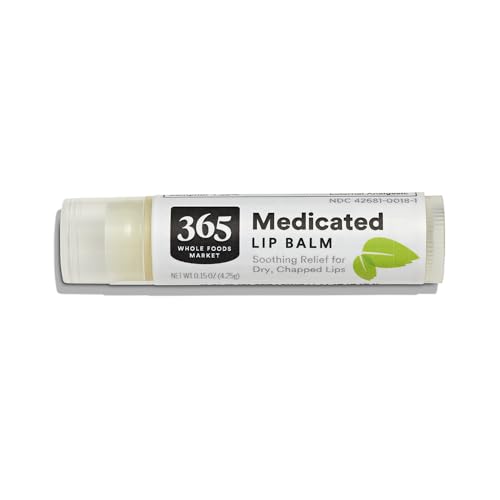
365 by Whole Foods Market Medicated Lip Balm
A Breakdown Of The Leading Choices
Korean skincare tends to lean into layered hydration, and this little 0.33 fl. oz. tin from Vitamasques borrows that playbook for the lips. The formula centers on a peptide treatment alongside plant butters, with the brand listing ceramides and multiple weights of hyaluronic acid (a moisture-binding ingredient that holds many times its weight in water) in the blend. Made in Korea and free from parabens, sulfates, phthalates, petrolatum, essential oils, and mineral oils, it lands in the clean-leaning corner of the category.
For commuters bouncing between heated offices and winter sidewalks, the buttery texture feels cushiony without leaving a waxy film on coffee cups. The light tint and cooling mint make it easy to wear through a workday, and you may find yourself reaching for it more out of enjoyment than obligation, which matters when consistency is the actual fix for chronic chapping.
The Case For It
- Peptide-forward formula supports the skin’s natural barrier while softening existing damage.
- Plant butters and hyaluronic acid deliver a cushioned, plumping feel without a heavy petrolatum layer.
- Clean ingredient list, vegan formula, no essential oils for those whose lips react to fragrance triggers.
- Light tint and mint finish keep it wearable under makeup or on bare-lip days.
- Compact tin slips easily into a jacket pocket or work bag for midday top-ups.
Trade Offs
- A butter balm in a tin requires fingertip application, which may feel less sanitary than a tube for shared use.
- For deeply cracked lips, the lighter texture may need to be layered over a richer sealant to truly lock in moisture overnight.
Quick Facts
Made For
Anyone who deals with recurring dryness rather than acute cracking and prefers a clean, vegan, fragrance-light formula that still feels substantial on the lips.
Look Elsewhere When
Dr. Dan’s Cortibalm is a smarter reach for inflammation so severe that plain hydrators cannot keep up.
Where the Vitamasques tin takes a layered, leave-on approach, Aquaphor leans into a single, dependable job: sealing what’s already there. The 0.35 fl. oz. squeezable tube with an angled tip is roughly 3.5 inches long, sized to live in a back pocket or a glove compartment. The texture is transparent and semi-thick, the kind of ointment that sits on top of the skin like a soft bandage rather than disappearing in seconds.
For people recovering from fever, medication-induced dryness, or windburn, that occlusive quality (a barrier that physically blocks moisture loss) is the entire point. Slather it on at bedtime and the morning version of your lips is often noticeably calmer, which is the metric that actually matters when standard sticks keep failing.
Notable Upsides
- Occlusive formula holds moisture in overnight when lips are at their driest.
- Angled-tip tube makes precise application possible without fingertip mess.
- Multi-use: works on nearby dry patches, cuticles, and chafed skin around the mouth.
Small Caveats
- Glossy finish can feel heavy under lipstick or in professional settings.
- Tube runs out faster than a stick-style balm, so heavy users go through it quickly.
Whose Shelf It Belongs On
Anyone with a history of split corners, cracked lower lips, or peeling that flares up in dry climates and needs a true sealant rather than a daily hydrator.
Consider Something Else When
The ChapStick set makes more sense for someone who wants to spread balm across multiple bags, rooms, and family members at once.
Cortibalm is the outlier on this list, and that is its entire appeal. It carries 1% hydrocortisone, a low-strength steroid that calms inflammation and quiets the itching-burn cycle that keeps people licking and picking at damaged lips. The brand describes it as dermatologist-developed for dryness, peeling, and soreness tied to weather, cold and flu, medications like Accutane, eczema-prone skin, allergies, mouth breathing, and sunburn.
Think of it as a short-course rescue balm rather than a forever tube. Run a course through a bad flare, then step back to a plain hydrator like the Vitamasques butter for daily maintenance. It is also worth noting that medicated products like this work best when you give them a few days without heavy lipstick or spicy food layered on top.
Positive Points
- 1% hydrocortisone targets inflammation, not just surface dryness, which plain balms cannot reach.
- Broadly useful across many common triggers: medication side effects, eczema, allergies, mouth breathing.
- Stick format keeps the medicated formula off your fingertips.
Points To Keep In Mind
- A medicated product, not an everyday staple; long-term daily use of steroid balms is a conversation for a clinician.
- Active ingredient can occasionally cause mild stinging on freshly cracked skin during the first day or two.
- Smaller stick size means the tube disappears quickly if applied multiple times daily.
Feature Snapshot
Right Fit For
People with persistent peeling, soreness, or inflammation that ordinary balms have failed to resolve, especially when medications or eczema are part of the picture.
Skip It When
The 365 by Whole Foods Market stick is a more appropriate daily option for lips that just need steady, gentle support without medication.
Sometimes the smartest buy is just a reliable, well-known stick spread across the places you actually live. This ChapStick set bundles three Classic Medicated tubes with one Moisture + SPF 15 tube, each at 0.15 oz. The medicated versions carry cooling camphor and menthol, which is what gives that familiar tingle most people associate with “this one is actually working.” The SPF tube adds 80 minutes of water-resistant sun protection, a quiet but real plus for anyone skiing, hiking, or just dealing with thin, sun-sensitive lip skin.
For a family where one tube keeps vanishing, or for a frequent flyer who wants a stick in every bag, the multi-pack logic beats buying singles. The honest read is that the medicated tubes are basic but consistent, and the SPF option makes this a sensible year-round bundle rather than a winter-only purchase.
What Earns Its Place
- Four-tube spread covers cars, desks, gym bags, and nightstands without restocking anxiety.
- Medicated sticks with camphor and menthol deliver a recognizable soothing sensation.
- SPF 15 variant handles outdoor days without needing a separate sunscreen stick.
Honest Caveats
- Classic formula lacks the richer butters and ceramides of Korean-style options like the Vitamasques tin.
- Menthol cooling can sting on freshly cracked skin if applied too generously during peak flare-ups.
Who Should Grab It
Households, students, and anyone who wants a recognizable, easy-to-find stick stashed in multiple locations without paying for premium ingredients.
Another Choice May Suit
Aquaphor Lip Repair fits better for one person whose lips are severely cracked and who would rather apply a thick sealant at night than rotate through several sticks.
The Whole Foods 365 house brand often shows up on this list for a simple reason: it handles the basics without frills or a premium markup. This 0.15 oz medicated stick leans on a straightforward soothing formula with natural-leaning ingredients, sized to slip into a pocket or a small purse. The portable format means it is the kind of tube you actually replace when it disappears, rather than mourning in a drawer.
It is the most no-fuss option here, and for a lot of shoppers, no-fuss is the entire point. If your lips respond well to a basic medicated stick and you would rather save the heavy lifting for a richer nighttime product like Aquaphor, this one earns its spot as the daytime workhorse. The trade-off is that you are not getting the active ingredients or barrier-repair depth of the picks above it.
Good Reasons To Consider
- Low cost makes it easy to keep multiple tubes in rotation.
- Medicated formula offers more active relief than a plain moisturizing stick.
- Standard 0.15 oz size fits anywhere and disappears at a manageable pace.
Worth Noting
- Source does not list specific active ingredients, so those with sensitivities will need to read the tube carefully.
- Lighter on the barrier-repair ingredients that define the Vitamasques and Dr. Dan’s formulas.
Best Suited To
Daily carriers who want a low-cost, easy-to-replace medicated stick for routine dryness, especially when paired with a richer night treatment.
Reach For A Different Pick When
Dr. Dan’s Cortibalm is the stronger choice for inflammation or peeling that has lingered past a week of basic care.
Matching Your Lips To The Right Formula
A good lip balm comes down to three things: how badly the skin is damaged, what triggered the damage, and how often you are willing to reapply. Start by sorting the problem. Mild tightness and flaking usually respond to barrier-supporting butters and humectants, ingredients that pull water into the skin like hyaluronic acid or glycerin, along with plant butters such as shea and cocoa. In that case, the Vitamasques tin earns its place in a daily routine. Moderate to severe cracking, split corners, or soreness that stings when you eat citrus tends to need a heavier sealant, which is where an ointment-style product like Aquaphor pulls ahead.
Next, look at the trigger. Cold air, indoor heating, and wind call for occlusion and consistent reapplication. Medication-induced dryness, eczema, or repeated lip-licking often involves inflammation, and a low-strength steroid balm like Dr. Dan’s Cortibalm is designed for exactly that situation. Sun exposure adds a wrinkle: a stick with SPF 15, like the one included in the ChapStick set, helps prevent the kind of UV-driven peeling that mimics ordinary chapping.
Finally, weigh your habits. A tube you forget on the bathroom counter is a tube that does nothing, so pick a format you will actually carry. Pocket-friendly sticks, multi-packs for cars and bags, and ointments that live on the nightstand each solve a different problem. A realistic routine often pairs a daytime stick with a richer overnight sealant, and adding a medicated option only when a flare breaks through.
Where Shoppers Go Wrong And When To Spend More
Common Shopping Slip Ups
The most common mistake is reaching for a flavored or plumping stick during a flare. Menthol, cinnamon, and peppermint can feel like they are working, but on already cracked skin they often make things worse by encouraging more licking. A second trap is treating a chronic issue with the same single balm for months without re-evaluating. Lip skin turns over quickly, but underlying causes like mouth breathing at night, Accutane use, or low humidity indoors will keep resetting the cycle.
What The Higher Tier Buys
Spending more on a lip balm usually buys two things: a denser mix of barrier-repair ingredients and a more thoughtful format. The premium tier, including peptide-driven formulas and medicated options, layers active ingredients under a richer base, which is genuinely useful when basic petrolatum and beeswax sticks no longer hold the line. The upgrade makes sense for stubborn, recurring cases rather than for everyday winter dryness that a standard stick handles fine.
Frequently Asked Questions
How often should I apply lip balm for extremely chapped lips?
Apply at least every two hours during the day and a thick layer at bedtime, since lips lose moisture faster overnight and the skin repairs itself during sleep.
Is medicated lip balm safe to use every day?
Medicated balms with hydrocortisone are intended for short-term use on inflamed lips, so a typical run is a few days to a week before stepping back to a plain hydrator.
Can chapped lips be a sign of a vitamin deficiency?
Persistent cracking at the corners of the mouth can sometimes relate to B vitamin or iron levels, so a stubborn case that ignores good balms is worth bringing up with a clinician.
Does SPF lip balm really matter in winter?
Yes, because UV rays reach the lips year-round, and a sunburned lip heals far more slowly than a sunburned cheek thanks to thinner skin and less natural oil.
What ingredients should I avoid on cracked lips?
Menthol, camphor, salicylic acid, and strong fragrances can sting or worsen peeling on damaged skin, so simpler formulas with fewer actives tend to befriend sensitive lips.
Closing Remarks
The right lip balm tends to be the one that matches the actual problem, not the one with the most flattering tube. Start with a daily hydrator for maintenance, keep a heavier sealant for nights, and reserve a medicated option for flares that refuse to settle. Your lips are a small surface, but they reflect everything from your sleep to your humidity, so a thoughtful routine pays off fast.
