

Fine lines rarely announce themselves politely. One morning the texture feels rougher, makeup sits differently, and the glow you took for granted needs help. At-home exfoliating acids are the practical answer for most people: they lift dead surface cells, smooth rough patches, and soften the look of wrinkles without a clinic appointment or a clinic invoice.
This roundup covers seven options across the full strength range, from daily pad formats to 30%-plus glycolic solutions. You’ll also find an acid neutralizer here, because stopping a peel safely matters just as much as starting one. Match the strength to your skin’s tolerance and your routine, not to the biggest number on the label.
An Overview Of The Picks

Dermalure Acid Neutralizer pH Balance 2oz
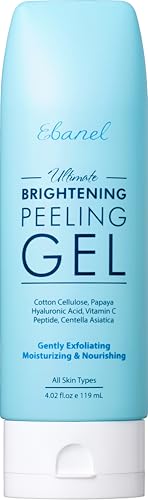
Ebanel Brightening Peeling Gel with Cellulose, Rice, Papaya

VOIBELLA Glycolic Acid Peel Resurfacing Exfoliant

Dr Dennis Gross Alpha Beta Ultra Gentle Daily Peel 5 Pack
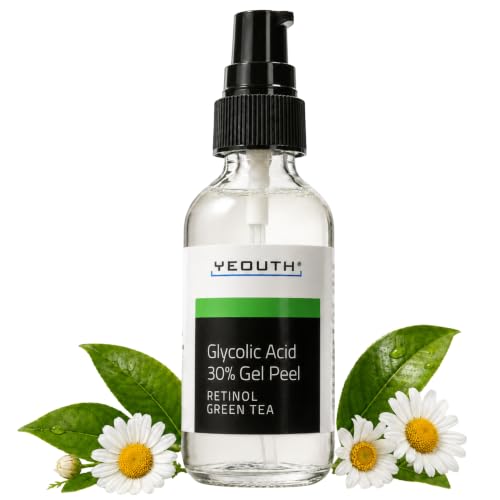
YEOUTH Glycolic Acid Face Peel 30% with Retinol, 2oz

Ebanel 30% AHA + 2% BHA Chemical Peel Gel
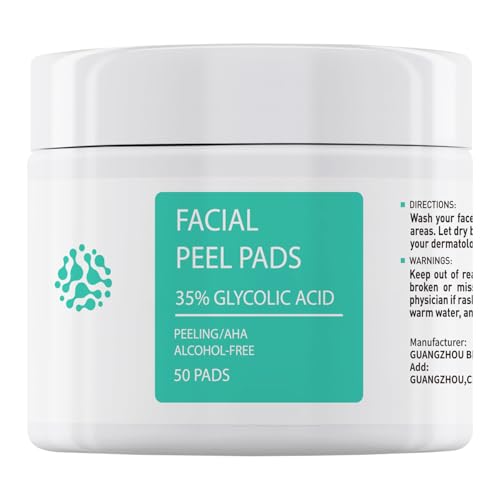
YAFUSIPE Glycolic Acid 35% Toner Pads, 50 Pads
Taking A Closer Look At The Options
Nobody plans for a peel that keeps burning past the point it should stop. This small bottle exists for exactly that moment. Dermalure has supplied physicians and skincare professionals since 2007, batching production weekly in North Hollywood, California.
The liquid works with glycolic, lactic, salicylic, Jessner solution, and TCA peels alike. Applied after your allotted time is up, it penetrates quickly to halt further acid activity and bring skin back toward its normal pH within roughly ten seconds. That speed matters most with stronger peels, where every extra minute of contact adds irritation risk.
Features That Help
- Compatible with every common acid peel type, so one bottle covers your whole rotation
- Rapid neutralization limits excess stinging once the timer ends
- Small-batch weekly manufacturing aims at consistent potency
- Compact 2oz size stores easily in a bathroom cabinet or travel kit
Things To Consider
- It’s a companion product only; you still need an actual peel alongside it
- Some users report the opening pours generously, so apply sparingly near the eyes
Key Specs
Who It Suits Best
Anyone running medium-to-strong home peels who wants a professional-grade safety step on hand before they need it.
Where Another Pick Suits Better
Sensitive-skin beginners doing gentle gels should start instead with the Ebanel Brightening Peeling Gel, which needs no neutralizer at all.
Not every wrinkle-fighting routine needs acid downtime. This gel takes the softest possible approach: massage it onto damp skin and plant-derived cotton cellulose rolls into tiny pills that sweep away dead cells, oil buildup, and dullness as you go.
Rice bran and papaya fruit extract do the brightening work while hyaluronic acid and cica keep things calm and hydrated. In practice this reads more like a satisfying weekly facial than a treatment with recovery time, which makes it a sensible first rung on the ladder before anything like the YEOUTH 30% peel. The honest caveat is that results build slowly rather than dramatically.
What Pays Off
- No stinging or visible flaking, so you can use it before events
- Hyaluronic acid and cica offset dryness during and after use
- Works on face and body wherever rough patches show up
Small Caveats
- Gentle by design, so deep-set lines will want something stronger eventually
- The pilling effect can look alarming the first time until you know what’s happening
Made For
Sensitive or peel-nervous skin types who want smoother texture without committing to a true acid treatment yet.
Another Choice May Suit
Shoppers chasing visible fine-line reduction will get more from the Dr Dennis Gross Alpha Beta Ultra Gentle Daily Peel’s two-step acid system.
Alpha hydroxy acids, or AHAs, are water-soluble exfoliants that loosen the glue holding dead cells to the surface. VOIBELLA stacks three of them: glycolic for penetration, lactic for gentler hydration-friendly exfoliation, and pyruvic acid in support. That trio targets dull tone, rough texture, dark spots, acne scars, clogged pores, and fine lines in one pass.
Compared with single-acid bottles like the YEOUTH option later in this list, the blended approach trades raw concentration for breadth, which suits mixed concerns. Pairing it with the Dermalure neutralizer from pick one gives you a complete, controllable session setup at a modest outlay.
Positive Takeaways
- Three AHAs address several aging signs simultaneously
- Lactic acid content softens the experience for moderately tolerant skin
- Liquid format lets you control application thickness per zone
Points To Note
- The brand doesn’t publish an exact percentage, which complicates pacing for cautious users
- Liquid peels demand careful timing; leaving it on too long commonly causes redness
- Sun sensitivity rises afterward, so daily SPF becomes non-negotiable
At A Glance
Right Fit For
Budget-conscious users with a few sessions of acid experience who want broad anti-aging coverage without premium pricing.
Swap It Out When
First-timers who want pre-measured doses should reach for the YAFUSIPE 35% pads instead, which remove all guesswork.
This is the structured option in the lineup. Step one is a pad blending three alpha beta acids that loosen and buff away dead cells; step two delivers a neutralizing, hydrating finish that calms redness and locks in balance. A dermatologist formulated the system, and that clinical thinking shows in how little drama it creates.
Because it’s built for daily use, radiance and pore refinement accumulate gradually rather than arriving in one aggressive session. The 5-pack trial size lets you judge the fit before buying larger counts. Against the VOIBELLA liquid, you’re paying more per treatment but gaining precision, consistency, and far less timing anxiety.
What Makes Sense
- Two-step design self-neutralizes, removing timer stress entirely
- Ultra-gentle formulation suits reactive skin better than liquid peels
- Pads deliver identical dosing every single night
- Hydrating second step leaves skin balanced, not stripped
Less Ideal Details
- Cost per treatment runs higher than jar-based gels and liquids
- Single-use pads create more waste than bottled formulas
Quick Facts
Who Will Love This
Routine-oriented people with sensitive or redness-prone skin who value consistency over intensity.
Look Elsewhere When
Experienced users wanting maximum strength per session will prefer the YEOUTH 30% glycolic peel’s higher concentration.
Thirty percent glycolic acid sits firmly in serious-treatment territory, well beyond daily-wear products. YEOUTH pairs that concentration with retinol, a vitamin A derivative that supports cell turnover and more even tone over time, plus green tea to soothe the skin’s appearance afterward. The stated targets are uneven tone, rough texture, fine lines, and dullness.
In real-world terms, expect a tingle and plan sessions days apart, never back-to-back. Owners commonly report visible smoothing within a few weeks of consistent, spaced use. Compared with the Ebanel AHA/BHA gel next door, this one leans harder on a single proven acid rather than a multi-acid spread, so patch-test first and keep the Dermalure neutralizer nearby.
Practical Advantages
- High 30% glycolic concentration delivers noticeable resurfacing
- Retinol extends benefits between peel sessions
- Green tea helps calm post-peel appearance
- 2oz bottle supports many months of spaced treatments
Trade Offs
- Too strong for unseasoned skin; work up gradually from milder acids
- Requires strict sun protection and careful timing discipline
- No neutralizer included despite the potency level
Whose Shelf It Belongs On
Intermediate-to-advanced users who’ve tolerated lower concentrations comfortably and want faster wrinkle and texture progress.
Not Your Match When
Newcomers should begin with the Ebanel Brightening Peeling Gel and graduate upward once their skin shows it can handle acids.
Salicylic acid, a beta hydroxy acid, is oil-soluble, meaning it travels into pores rather than working only on the surface. That’s the difference maker here. Ebanel combines 30% total AHA activity from glycolic, lactic, and mandelic acids with 2% salicylic, attacking both surface wrinkles and congestion underneath in a single gel.
The gel texture stays put during treatment, which beats runny liquids for controlled application on cheeks and forehead. Antioxidant and brightening ingredients round out the formula. Where the YEOUTH bottle goes deepest on one acid, this spreads its effort across surface and pore-level concerns, making it the more versatile pick for combination skin.
A Few Strong Suits
- Dual AHA plus BHA action handles lines and breakouts together
- Mandelic acid, the largest-molecule AHA, adds a gentler exfoliation layer
- Gel consistency minimizes drips near delicate areas
- Targets acne scarring alongside aging signs
Details To Watch
- Four active acids means a longer ingredient list for reactive skin to vet
- Expect mild tingling; first-time users often underestimate it
- Spacing sessions at least a week apart is widely advised to avoid over-exfoliation
Core Details
The Right Fit
Combination or breakout-prone skin dealing with both fine lines and clogged pores, held by someone comfortable with medium-strength acids.
Reach For A Different Pick When
Dry, non-congested skin focused purely on wrinkles gets better value from the simpler VOIBELLA triple-AHA liquid.
There’s a real convenience gap between pouring liquid acid and swiping a ready-soaked pad, and YAFUSIPE closes it. Each of the 50 pads carries a 35% glycolic solution with added salicylic acid, aimed at wrinkles, blemishes, uneven spots, and general resurfacing. Pre-measured saturation means no dripping, no over-application, no wasted product.
The brand positions the pads as suitable across oily, dry, and dehydrated skin types, with moisture-replenishing support built in. In practice, the wipe format suits busy mornings or travel kits, though 35% is potent enough that beginners should limit contact time initially. Compared with the Dr Dennis Gross pads, these trade the two-step polish for raw strength and volume per jar.
Notable Upsides
- 50 pre-soaked pads stretch across months of weekly sessions
- 35% glycolic offers clinic-leaning strength at home
- Salicylic addition helps with blemish-prone zones
- Zero mess, zero measuring, ideal for travel bags
Factors To Consider
- Jar packaging exposes remaining pads to air each time it opens
- High concentration can overwhelm sensitive skin without a slow ramp-up
The Numbers That Matter
Who Should Grab It
Low-fuss users with some acid experience who want maximum strength in the least messy format possible.
Consider Something Else When
Reactive skin types get a kinder daily path from the Dr Dennis Gross Alpha Beta Ultra Gentle system’s buffered two-step pads.
What Matters Most Before Choosing chemical peels for wrinkles
Match Strength To Experience
Acid percentages tell you how aggressive a session will be. Under about 10%, products suit daily or near-daily wear; 20% to 35% formulas belong in weekly treatments for skin that has already adjusted. Jumping straight to a high number is the fastest route to redness, peeling, and frustration.
Know Your Acid Types
Glycolic penetrates deepest for wrinkle work, lactic hydrates while it exfoliates, mandelic stays gentlest, and salicylic clears inside pores. Blended formulas cover multiple concerns at once but give up some control. Single-acid products let you isolate what your skin actually responds to.
Plan The Whole Session
A peel isn’t just the acid. Timing matters, neutralization matters for stronger solutions, and follow-up hydration decides how your skin looks the next day. Budget for a neutralizer like the Dermalure if you’re working above 20%, and keep sunscreen stocked year-round because freshly exfoliated skin burns easily.
Respect Your Calendar
Results come from spacing, not stacking. Weekly high-strength sessions or daily gentle ones both beat random bursts of enthusiasm followed by weeks off. Consistency, not intensity, is what smooths texture over a season.
Key Considerations Across These Picks
Traps First Timers Fall Into
The classic error is buying the highest percentage available and applying it like a toner. Start with pad formats or gels that limit dose, patch-test behind the jaw, and never combine a peel night with retinol or other actives. Skipping sunscreen afterward undoes most of the benefit too.
The Case For Spending Up
Higher-tier products buy buffering systems, dermatologist input, and predictable dosing. The Dr Dennis Gross two-step design, for instance, costs more per treatment but removes nearly all user error. Pay extra when your skin is reactive or your schedule leaves no room for recovery mistakes.
Frequently Asked Questions
How long until chemical peels reduce the appearance of wrinkles?
Surface smoothness often improves within one to two weeks of a properly spaced session. Deeper line softening typically builds over eight to twelve weeks of consistent use.
Can I use a 30% peel at home safely?
Yes, provided your skin has graduated through lower strengths first. Follow the manufacturer’s timing exactly and always have a neutralizer on hand.
Do I need a separate neutralizer for every peel?
Two-step pad systems include their own neutralizing stage, so no. Single-acid liquids above roughly 15% genuinely benefit from a dedicated product like the Dermalure.
Will peels make my skin more sun-sensitive?
Freshly exfoliated skin is more vulnerable to UV exposure for several days after treatment. Daily broad-spectrum sunscreen is essential throughout any peel routine.
How often should I alternate between different peel products?
Stick to one primary exfoliating product per week at higher strengths. Rotating formats is fine, but stacking multiple acids in one session invites irritation.
Closing Thoughts
Your best entry point depends on where your skin stands today. Nervous beginners should start with the Ebanel peeling gel or the Dr Dennis Gross pads, while experienced users chasing visible change will get it from the YEOUTH 30% or YAFUSIPE 35% options. Whatever you choose, add the Dermalure neutralizer to any cart containing a strong liquid acid. Slow, steady sessions with good sun protection will take you further than any single dramatic treatment ever could.
