

Very dry hair doesn’t need another lightweight rinse-off that vanishes by lunchtime. It needs a conditioner built to actually replenish what heat tools, hard water, and color treatments strip away. This roundup covers eight options across different budgets and formulas, from silicone-free daily conditioners to rich salon-style balms. Whether your strands feel like straw after bleaching or just run chronically parched in winter, one of these should fit your shower shelf and your routine.
Your Options, Compared
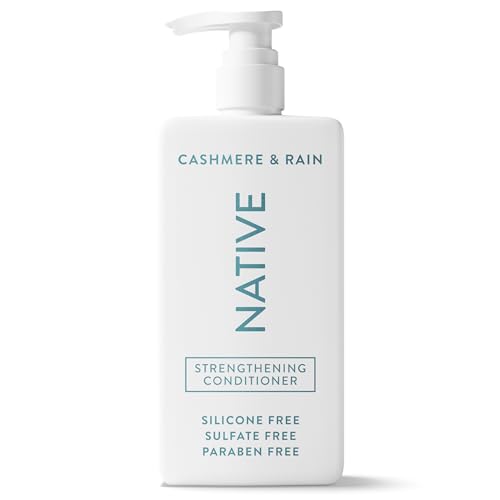
Native Strengthening Conditioner Cashmere & Rain 16.5 fl Oz

MONDAY Haircare MOISTURE Conditioner 798 mL

Nexxus Humectress Ultimate Moisture Conditioner 33.8 oz

Biolage Ultra Hydra Source Conditioner

Dove Intensive Repair Conditioner 28oz

Biolage Hydra Source Conditioning Balm
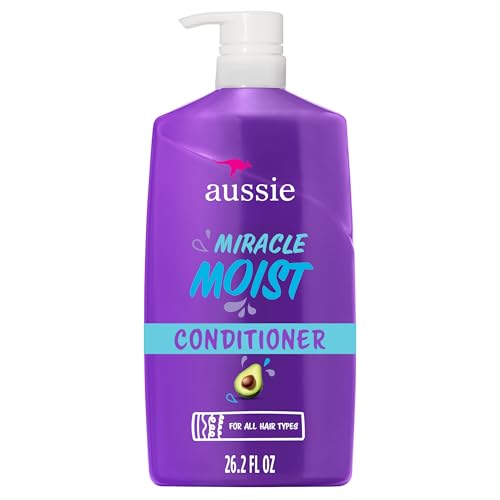
Aussie Miracle Moist Avocado & Jojoba Conditioner 26.2 fl oz

L’Oreal Paris Elvive Hyaluron Plump Hydrating Conditioner
The Details Behind The Selections
Dry hair often gets worse before it gets better because heavy conditioners coat strands in silicones that build up over weeks. Native takes the opposite route: plant oil-based conditioning agents, no sulfates, silicones, parabens, or dyes. The Cashmere & Rain scent keeps things light rather than perfumey.
This is the kind of bottle that suits a morning shower routine where you want softness without a weighed-down finish. In our view, it’s a sensible starting point for anyone whose dryness is mild to moderate rather than severe.
Benefits That Matter
- Strengthens strands to reduce breakage and visible frizz over time
- Silicone-free design means no gradual buildup weighing hair flat
- Vegan and cruelty-free formulation suits ingredient-conscious routines
- Light enough for frequent washing without residue
Things To Consider
- The 16.5 fl oz bottle runs smaller than several rivals here, so heavy users may repurchase sooner
- Severely damaged or chemically processed hair may want richer repair ingredients
Who Will Love This
A daily washer with mildly dry, frizz-prone hair who wants a clean-label conditioner that won’t flatten fine texture.
Where A Sibling Pick Shines
For deeper repair on processed hair, the Nexxus Humectress Ultimate Moisture Conditioner offers a heavier moisture load in a much larger bottle.
Where Native keeps things minimal, MONDAY leans into a classic hydrating trio: hyaluronic acid, coconut oil, and shea butter. Hyaluronic acid is a humectant, meaning it draws water toward the strand, while the oils seal that moisture in. The combination targets dryness and dullness together, which is exactly what color-treated or sun-exposed hair usually needs.
The 798 mL bottle is the practical draw here. Households sharing one shower, or anyone conditioning long hair daily, will appreciate how long it lasts compared with the Native bottle above.
Where It Delivers
- Three proven moisturizers address both dryness and lack of shine
- Large 798 mL format stretches further for families or long hair
- pH balanced and dermatologically tested for scalp comfort
- No parabens or sulfates in the formula
Small Caveats
- Coconut oil and shea butter can feel rich on fine hair, so use a lighter hand at the roots
- Pump bottles of this size can be awkward to store in cramped showers
Made For
Anyone with medium-to-thick dry or dull hair who wants salon-feel hydration without a boutique price tag.
Swap It Out When
Fine-haired shoppers worried about oil weight may prefer the Biolage Hydra Source Conditioning Balm later in this list.
Nexxus has been a salon staple for decades, and Humectress is its long-running answer to chronic dryness. The formula pairs elastin protein, which supports strand flexibility, with green caviar extract for slip and smoothness. Protein matters here: dry hair is often also weakened hair, and elasticity support helps strands bend instead of snap.
At 33.8 ounces, this is the workhorse bottle of the list. Daily conditioners, shared bathrooms, and thick manes all get real mileage from a jug this size.
What Pays Off
- Elastin protein helps hair retain natural movement instead of going stiff
- Designed to visibly rescue and repair dry hair with continued use
- Jumbo 33.8 oz size cuts down on repurchase frequency
- Leaves a silky finish that detangling brushes glide through
Points To Note
- Owners commonly report the pump on large bottles can clog near the end, so rinsing it occasionally helps
- Richer than some minimalists want for an every-wash routine
Key Specs
Right Fit For
People with persistently dry, medium-to-long hair who’d rather buy one big bottle every few months than small ones monthly.
Consider Something Else When
Ingredient-minimalists may find the Dove Intensive Repair Conditioner’s simpler drugstore approach more appealing.
Biolage sits in the professional salon tier, and Ultra Hydra Source is aimed squarely at hair that’s past mildly dry. Aloe leaf juice, cupuacu butter, and apricot kernel oil work together to envelop coarse strands and smooth the cuticle, which is where frizz actually starts. Cupuacu butter, a rich Amazonian emollient, gives this one its heavier moisturizing punch.
You may notice the difference most on blow-dry days: smoother cuticles mean less puffiness and easier styling. Compared with the Nexxus above, this leans botanical rather than protein-focused.
Good Reasons To Consider
- Intense moisture renewal targeted specifically at very dry hair
- Anti-frizz behavior helps styles hold their shape longer
- Butter-and-oil blend smooths coarse texture noticeably
- Salon-brand pedigree with widely reported consistent results
Worth Noting
- Richest formula here, so fine or low-density hair can look greasy fast
- Salon-tier pricing means it costs more per ounce than drugstore picks
Feature Snapshot
Who Should Grab It
Thick, coarse, or chemically treated hair that drinks up lighter conditioners and still feels rough afterward.
Another Choice May Suit
Fine-haired readers should scroll to the Biolage Hydra Source Conditioning Balm, which delivers similar brand quality without the weight.
Dry hair and breakage usually travel together, and Dove’s Intensive Repair line attacks both. Its Glutamic Amino Serum and Bio-Protein Care technology are designed to reinforce the strand surface with every wash, targeting visible damage from breakage. The honest read: no conditioner rebuilds hair permanently, but regular use of a protein-supporting formula genuinely reduces snapping during brushing.
The 28-ounce jug undercuts the salon brands on cost per ounce while staying competitive on volume.
Where It Helps
- Amino serum targets visible breakage with continued use
- Protein care approach strengthens rather than only softens
- Large 28 oz format keeps cost per wash low
- Works as part of a full repair system with matching shampoo or mask
Less Ideal Details
- Best results come from pairing with the matching shampoo, which adds to the total spend
- Some owners report the fragrance lingers longer than they’d like
Quick Facts
Whose Shelf It Belongs On
Anyone whose dry hair snaps during brushing or combing and wants affordable, steady reinforcement rather than a luxury treat.
Reach For A Different Pick When
Shoppers prioritizing a clean, short ingredient list will likely prefer the Native Strengthening Conditioner from earlier in this list.
Most deep conditioners punish fine hair with flatness, and that’s the exact problem this balm was engineered around. Its jelly-like texture conditions without the silicone coating that drags volume down, and micro-filtered aloe vera supplies the hydration. Silicone-free also matters for anyone alternating with clarifying shampoos or protective styles, since nothing accumulates on the strand.
Think of it as the lighter sibling of the Ultra Hydra Source reviewed earlier: same brand DNA, gentler touch.
Everyday Wins
- Jelly texture leaves fine hair with natural movement and bounce
- Micro-filtered aloe vera optimizes moisture balance gently
- Detangles well, cutting down brushing breakage on wet hair
- Silicone-free formula avoids buildup between washes
Details To Watch
- Coarse or severely parched hair may find it too light for winter months
- Newer listing, so long-term availability is worth keeping an eye on
Core Details
The Right Fit
Fine to medium hair that runs dry but collapses under rich creams, especially for people who wash frequently.
Not Your Match When
Thick, coarse textures needing serious smoothing will get more from the Biolage Ultra Hydra Source Conditioner above.
Aussie has quietly held a loyal following for years, and Miracle Moist explains why. Avocado and jojoba seed oils mimic the lipids dry hair loses, softening strands without a complicated ingredient story. The citrus scent gets frequent mentions from owners as a genuine mood-lifter in the shower, which sounds minor until you’re washing daily.
Against the Dove jug earlier, this trades protein repair for pure softening, so pick based on whether your hair feels brittle or merely rough.
Bright Spots
- Avocado and jojoba oils soften and hydrate thirsty strands
- Paraben-free formula at a wallet-friendly size
- Citrus fragrance earns consistent praise for freshness
- 26.2 fl oz bottle suits family bathrooms
Points To Keep In Mind
- No strengthening or repair technology, so brittle hair needs a protein partner product
- Oil-based softening can be too much for oily scalps
Feature Rundown
Who It Suits Best
Budget-minded households with normal-to-thick dry hair that mainly craves softness and a pleasant scent.
Look Elsewhere When
Breakage is your main complaint, the Dove Intensive Repair Conditioner’s amino-serum approach fits that problem better.
L’Oreal borrowed a page from skincare here: hyaluronic acid, the same water-binding molecule found in facial serums, delivered through a Hyaluronic Care Complex. The claim to know is 72 hours of hydration without weigh-down when used with the matching system, which translates to hair that stays bouncy between washes rather than collapsing by day two.
The 12.6 fl oz bottle is the smallest here, closer in scale to the Native option than the Nexxus jug.
The Helpful Details
- Hyaluronic acid complex replenishes moisture like a skincare serum
- Detangles instantly, cutting morning styling time
- Formulated to avoid weigh-down, keeping hair free-flowing
- Paraben-free composition
Some Limits To Know
- Full 72-hour hydration claims depend on using the complete Hyaluron Plump system, not the conditioner alone
- Smaller bottle means more frequent repurchasing for thick hair
At A Glance
Built With In Mind
Dehydrated hair that also goes limp easily, particularly for people who skip wash days and need hydration to hold.
Where Another Pick Suits Better
Severe dryness calls for the heavier Biolage Ultra Hydra Source Conditioner rather than this plumping-focused formula.
What Matters Most Before Choosing Conditioners For Very Dry Hair
Match The Formula To Your Damage Type
Dryness comes in flavors. Brittle, snapping hair responds to proteins like elastin or amino serums, while rough-but-intact hair wants emollients such as shea butter, cupuacu, or avocado oil. Buying a softening conditioner for structurally weak hair leaves the real problem untouched, so read the hero ingredients first.
Weight Versus Depth Is The Core Trade-Off
Rich balms deliver deeper moisture but flatten fine hair, and jelly-textured or silicone-free options preserve bounce but may not satisfy coarse strands. Be honest about your density. Fine hair does better with aloe-based or hyaluronic formulas, while thick hair can handle butters and oils without looking greasy.
Size And System Thinking
Big jugs lower cost per wash, but only if you’ll actually finish them before the formula degrades. Also note that several brands, including L’Oreal and Dove, publish their strongest results when paired with a matching shampoo or mask. Budget for the system, not just the bottle.
Ingredient Sensitivities
Sulfate-free and paraben-free labels matter for colored or keratin-treated hair, since harsh surfactants strip treatments faster. Fragrance-sensitive scalps should lean toward lighter-scented options like Native.
Key Considerations Across These Picks
Traps First Timers Fall Into
The most common mistake is buying for hair you wish you had instead of hair you have. A second trap is judging a conditioner after two washes; most repair formulas need three to four weeks of consistent use before the difference shows. Skipping the matching shampoo in a designed system quietly undermines your results too.
When Paying More Pays Off
Salon-tier products justify their price through concentrated actives and finer-tuned textures, which matters most for coarse, heavily processed hair. Drugstore options cover everyday dryness capably. Spend up when damage is severe; save when it’s seasonal.
Frequently Asked Questions
How often should very dry hair be conditioned?
Every wash, without exception. Dry hair loses moisture faster than it replaces it, so consistency beats occasional deep treatments.
Can a conditioner alone fix damaged hair?
No conditioner truly repairs broken structure. What they do is reinforce, smooth, and reduce further breakage, which visually reads as healthier hair over weeks.
Does silicone-free matter for dry hair?
It matters if you clarify often or have fine hair prone to buildup. Silicones add shine and slip but accumulate, dulling hair between washes.
Should I leave conditioner on longer for extra moisture?
Two to five minutes is enough for most rinse-out formulas. Leaving standard conditioner on far longer yields diminishing returns compared with a dedicated mask.
Can I use these on color-treated hair?
All eight options here are generally compatible with color-treated hair, though sulfate-free choices like Native are the safest bet for preserving dye vibrancy.
Closing Remarks
Dry hair rewards patience more than splurges. Start by identifying whether yours is brittle, rough, or dehydrated, then match the formula accordingly, whether that’s the protein support of Dove, the botanical richness of Biolage, or the featherlight hydration of MONDAY. Give any new bottle a month of consistent use before judging it. Your strands will tell you soon enough.
