

Cut crease work asks for a steady hand and a brush that stays narrow where you need control. The right shape helps you place shadow, smudge a liner edge, or sharpen a crease without turning the whole lid muddy. That matters whether you’re doing a quick weekday look or building a more dramatic evening shape.
Here you’ll find slim concealer tools, angled eyeliner brushes, and short shader styles that suit different levels of precision. Some are better for beginners who want easy control, while others suit anyone who likes a denser, more exact finish. The trade-off is simple, because narrower brushes usually give more definition but less forgiveness.
Quick Look At The Shortlist

e.l.f. Concealer Brush

Etercycle 5-Piece Eyeliner Brush Set

e.l.f. Small Smudge Brush

JASSINS Fine Angled Eyeliner Brush

EIGSHOW Eyeshadow Smudge Brush E806
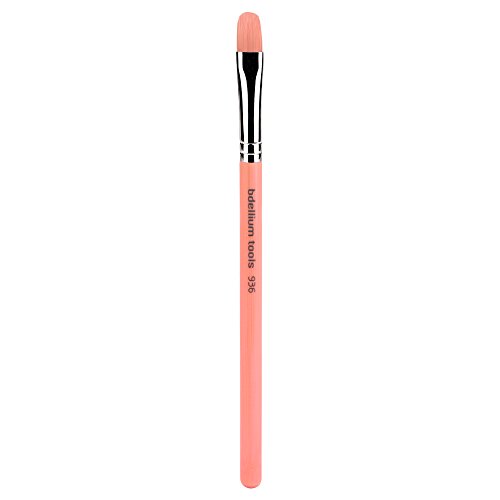
Bdellium Tools Pink Bambu Series 936 Concealer

JEZTDKLE UltraShort Eyeshadow Smudge Brush E303

Keshima Professional Eye Makeup Brush Set
More Details On Our Top Picks
A flat concealer brush like this one keeps the edge tidy around the cut crease, especially on a busy morning when you want placement, not fuss. Compared with the more pointed eyeliner tools later in the list, this shape gives you a broader, cleaner sweep for concealer or shadow base work. The honest read is that it suits people who like a controlled lid shape more than a diffused wash.
In a makeup bag, the slim profile is easy to tuck beside a powder puff or sponge, and the synthetic build usually means simpler cleanup after cream or liquid products. That makes it useful for commuters, gym-bag touch-ups, and anyone who wants one brush to do more than one job. The trade-off is less pinpoint detail than the angled or ultra-short picks.
What We Like
- Flat edge helps place product cleanly along the crease line.
- Synthetic fibers suit cream and liquid formulas, so cleanup stays simpler.
- Small, straightforward shape makes it easy to learn.
- Works beyond concealer, which helps stretch one tool across several eye looks.
Points To Note
- It’s not as narrow as the eyeliner brushes in this roundup.
- A flat head can feel a little broad for micro-detail work.
Feature Snapshot
Who It Suits Best
You’ll get the most from this brush if you want a simple, control-first tool for concealer placement and neat lid shaping.
A Better Fit Elsewhere
EIGSHOW Eyeshadow Smudge Brush E806 suits you better for deeper crease work and a shorter, more shadow-focused finish.
This five-brush set leans hard into precision, which matters when you like to switch between a sharp flick, a thin lash line, and a flatter gel application. Compared with the single-brush picks above, the range gives you more ways to fine-tune the edge of a cut crease without swapping to a larger eye brush. The catch is that sets demand a little more storage and a bit more upkeep.
For travel kits or anyone building a small eye-tool drawer from scratch, the mix of fine angled, ultra-thin slanted, and flat angle shapes covers a lot of ground. You may find it especially useful for routine wearers who want a dedicated brush for each step instead of one do-it-all tool. That said, not every shape gets daily use for every face.
Highlights
- Five distinct brush shapes give you more control over line thickness.
- Useful for gel liner, tight detailing, and sharper crease definition.
- Good match for travel pouches that need compact tools with variety.
- Lets you separate tasks, which keeps color placement cleaner.
Worth Noting
- Sets take more drawer or pouch space than a single brush.
- Some shapes may sit unused depending on your routine.
- More pieces mean more cleaning after a full makeup session.
Technical Sheet
Made For
You’ll appreciate this set if you like a dedicated brush for each detail task and want more than a single narrow tip.
Swap It Out When
e.l.f. Small Smudge Brush fits better for someone who wants one compact tool instead of a five-piece lineup.
Some eye tools try to do too much, but this small smudge brush stays focused on tight, careful work along the lash line and in the crease. Relative to the flat concealer brush, it gives you a softer edge with more smoke and less coverage. That balance makes sense for a quick cut crease cleanup or a subtle evening eye.
The synthetic head should be easy to rinse after cream or gel liner, and the compact shape stores neatly in a narrow cup or pouch. You may find it especially handy for hooded lids, where a large brush can feel clumsy. The trade-off is reach, because a tiny head covers less area and asks for more passes.
Bright Spots
- Small head reaches tight corners and the lash line with less fuss.
- Good for smudging liner into a softer crease finish.
- Synthetic fibers usually make post-use cleanup simpler.
- Works well in compact kits where space matters.
Softer Spots
- Small coverage means you’ll need extra strokes on larger lids.
- Not as versatile as the multi-piece set for mixed routines.
Details At A Glance
Built With In Mind
You’ll like this brush most for tight eye detail, especially where a small head gives you more control than coverage.
Where A Sibling Pick Shines
JASSINS Fine Angled Eyeliner Brush suits you better if your cut crease routine depends more on crisp liner than soft smudging.
An ultra-thin angled brush like this helps you trace a crisp line, then tuck product exactly where the lid needs it. Compared with the e.l.f. Small Smudge Brush, this one is more about structure and less about soft diffusion. That makes it useful for gel liner fans who want the cut crease edge to look deliberate rather than hazy.
Synthetic bristles usually handle creamier formulas well, and the slanted profile gives your hand a natural guide. In a vanity setup, that shape can feel easier to orient than a rounder smudge tip, especially for newer users learning control. The downside is simple, because narrow angled brushes can feel unforgiving on rushed mornings.
Standout Traits
- Thin slant helps keep liner placement controlled.
- Good fit for gel formulas and exact edges.
- Synthetic bristles suit easy post-makeup cleanup.
- Angle gives your hand a clear direction.
Room For Improvement
- It asks for a steadier hand than a wider brush.
- Less forgiving than a smudge-first tool for soft looks.
Core Details
Who Should Grab It
You’ll get the most from this brush when your eye look depends on a crisp line and controlled placement.
Another Choice May Suit
Bdellium Tools Pink Bambu Series 936 Concealer suits you better if you want softer blending rather than a razor-neat edge.
This short shader sits in a sweet spot for cut crease work, because it can press pigment into a crease without throwing color everywhere. Compared with the JASSINS angled brush, it’s better for a more compact, shaded finish than for a strict liner edge. The shape also makes sense for cat-eye shadows or a smoky outer corner.
For evening makeup or a more polished event look, the shorter head should feel easier to manage than a taller eye brush. You may find that the controlled footprint helps with layering, especially where the lid space is small. The trade-off is that this style leans toward shadow placement, so it’s less useful for broad blending.
Best Bits
- Short shader shape helps press color into the crease.
- Good for sharper smoky edges and cat-eye style work.
- Compact head suits smaller lid space.
- Useful when you want more control than a fluffy blender gives.
Small Caveats
- It’s more of a placement brush than a blending brush.
- Can feel narrow for wide wash application.
Spec Overview
The Right Fit
You’ll like this brush most for detailed shadow placement in the crease or outer corner.
Look Elsewhere When
e.l.f. Concealer Brush makes more sense if you want a flatter, wider tool for concealer-first lid shaping.
Soft synthetic fibers give this concealer brush a more polished feel than the simpler flat option from e.l.f., which helps when you’re blending around a cut crease instead of just placing product. The pink Bambu series styling adds a slightly more refined look on a vanity, though the real value sits in the brush’s control and finish. It’s a thoughtful choice for people who care about smoother edges.
In everyday use, a softer head often matters most when concealer needs to disappear into skin rather than sit on top of it. That makes this one especially useful for detail-oriented makeup routines, including tidy under-eye work and careful lid cleanup. The trade-off is that a softer brush can feel a little less firm for hard-edged liner tasks.
Reasons To Buy
- Soft fibers help blend concealer into a smoother finish.
- Good for cleanup around a cut crease edge.
- Feels more refined than basic flat concealer tools.
- Useful for lid work and under-eye touchups.
Areas To Watch
- Less rigid than angled liner brushes for sharp lines.
- Softer feel may take longer on dense cream products.
Feature Card
Who Will Love This
You’ll appreciate this brush if you want a softer, more polished feel for concealer blending around the eyes.
Where Shoppers Go Wrong
JASSINS Fine Angled Eyeliner Brush suits a sharper liner routine better, because its slant is built for stricter edge control.
The ultra-short head gives this brush a very tight working zone, which is useful when the crease sits close to the lash line or the lid space runs small. Compared with the EIGSHOW short shader, it feels even more specialized for close-in smudging and pinpoint placement. That makes it a smart option for detail-heavy eye looks rather than all-over shadow work.
In a travel pouch, the tiny profile takes very little room, so it’s easy to pair with one liner brush and stop there. You may find it especially handy for short, controlled passes where a longer brush would wobble. The honest drawback is that tiny tools can slow you down on larger lids.
Best Bits
- Ultra-short design helps with pinpoint eye placement.
- Great for close-in crease work and cat-eye shaping.
- Stores easily in a small makeup pouch.
- Gives you more control in tiny lid spaces.
Minor Gripes
- Limited coverage means more passes on bigger eye shapes.
- Less flexible than a fuller shader brush for broader blending.
Core Details
Whose Shelf It Belongs On
You’ll get the best match here if you work in tight eye space and want a very small brush head.
Reach For A Different Pick When
Etercycle 5-Piece Eyeliner Brush Set suits you better if you want several shapes instead of one ultra-compact tool.
This seven-piece eye set covers the whole routine, from eyeshadow and blending to smudging, angled crease work, pencil detail, angled liner, and bent liner. Compared with the single brushes in the earlier picks, it gives you a complete toolkit for people who want one coordinated setup. The upside is obvious for travel or home use, though the set takes more space than a single specialty brush.
For beginners building a starter kit, or for anyone who likes every step in one place, the variety removes a lot of guesswork. You may find the bent eyeliner and angled crease brushes especially useful when you want to shape the cut crease and finish the line without switching brands. The trade-off is that not every brush in the set will suit every routine equally well.
Positives
- Seven tools cover most eye makeup steps.
- Includes angled crease and bent liner shapes for detailed work.
- Useful starter set for people building a full kit.
- Coordinates several tasks without mixing multiple brands.
Small Caveats
- Uses more drawer and pouch space than a single brush.
- Some tools may get far more use than others.
- More pieces can mean a longer cleaning session after makeup.
At A Glance
Perfect Match For
You’ll like this set most if you want a full eye brush kit instead of assembling pieces one by one.
Skip It When
e.l.f. Small Smudge Brush is the tighter match for someone who only needs a small detail brush.
How To Choose The Right cut crease brushes
Start With Brush Shape, Not Hype
Brush shape decides how much control you get at the crease edge. Flat concealer brushes, angled eyeliner brushes, and short shader heads each behave differently, so the right choice depends on whether you want placement, lining, or soft smudging.
A flatter head places product with more certainty, while an ultra-thin slant helps trace a cleaner edge. Shorter heads work well in smaller lid spaces, though they usually cover less area per stroke.
Match The Brush To Your Routine
Your eye makeup habits matter more than a long feature list. Daily minimalist looks usually suit a simple single brush, while a full evening routine can make a multi-piece set more useful.
Shoppers who switch between concealer cleanup, liner, and shadow blending tend to benefit from more than one brush type. That’s where the Keshima set makes sense, while a dedicated brush like the e.l.f. Small Smudge Brush works better for focused routines.
Think About Handle Control And Hand Feel
A brush can look precise and still feel awkward in your hand, especially near the inner corner or outer wing. Thin, angled tools usually guide the hand more clearly, while softer concealer brushes feel gentler but less exact.
For hooded lids or smaller eye shapes, a compact head often gives you room to work without bumping the surrounding makeup. That little bit of clearance can matter more than a flashy finish.
Plan For Cleanup And Storage
Synthetic bristles are common in this category because they usually suit cream, gel, and concealer textures with less hassle during cleanup. More pieces also mean more washing and more storage, so a set fits a different kind of routine than a single brush.
Travel pouches, vanity cups, and drawer organizers all help, but compact tools still win for simple storage. The easy choice is often the one that won’t get buried after a week.
Things Worth Knowing First
Wrong Turns To Avoid
A common mistake is choosing a brush that looks precise but feels too wide for your lid shape. Another is buying a full set when you only use one or two eye techniques most days.
Focus on the motion you need most, then match the brush to that job. A short shader helps with pressed color, while a flat concealer brush helps with cleanup and shaping.
The Upgrade Payoff
Higher-tier brushes usually cost more because of firmer shape control, softer fiber feel, and more detailed construction. That matters most when you do eye makeup often and want the edge to land exactly where you place it.
An upgrade makes sense for precise routines, especially where blending quality and handle balance affect the final look. For casual use, a simpler brush often does the job without adding clutter.
Frequently Asked Questions
What makes cut crease brushes different from regular eye brushes?
They usually have narrower, flatter, or more angled heads for tighter placement. That shape helps you draw a cleaner crease edge instead of spreading color too broadly.
Can you use one brush for both liner and cut crease work?
Yes, but the results depend on the brush shape. A fine angled brush usually handles both better than a fluffy blending brush.
Are synthetic bristles a good choice for this category?
Synthetic fibers usually suit cream, gel, and concealer textures well. They also tend to be easier to clean after makeup use.
Do beginners need a full set?
Not necessarily. A single flat concealer brush or small smudge brush can be enough for learning the basics.
What size brush works best for small lids?
Compact brushes with short heads usually feel easier to manage in smaller eye space. They give you more control and less accidental spread.
Closing Thoughts
Cut crease brushes work best when the shape matches the job, not when the brush simply looks delicate. A flat concealer tool helps with clean placement, an angled liner brush sharpens the edge, and a short shader adds control where the lid space gets tight. That’s why the strongest pick for you depends on whether you need one precise tool or a wider kit. Choose the shape that fits how you already do your eyes, and the rest gets easier.
