

Low porosity hair has a tightly closed cuticle, which means moisture and product sit on top of the strand instead of absorbing into it. The result is a familiar frustration: heavy masks that coat, weigh down, and rinse off without changing anything. The eight deep conditioners below were selected with that problem in mind, favoring lighter hydrators, humectants like hyaluronic acid, and formulas that deliver slip without buildup. Whether you wash weekly or stretch between sessions, there’s a match here for your texture and routine.
The Picks In Brief

amika Hydro Rush Intense Moisture Mask

Mega Growth Anti-Breakage Deep Conditioner 15 oz.
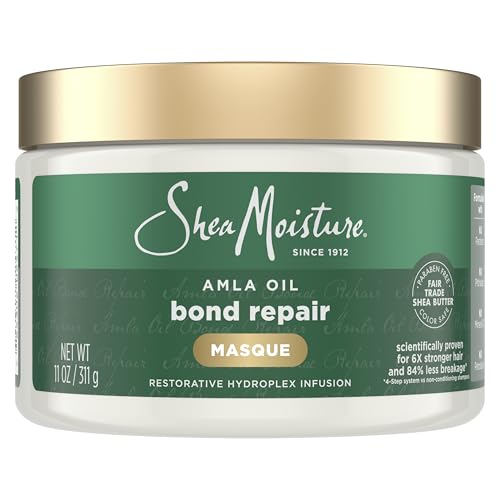
Shea Moisture Bond Repair Masque with Amla Oil 11oz

OUAI Thick Hair Mask (8 Fl Oz)
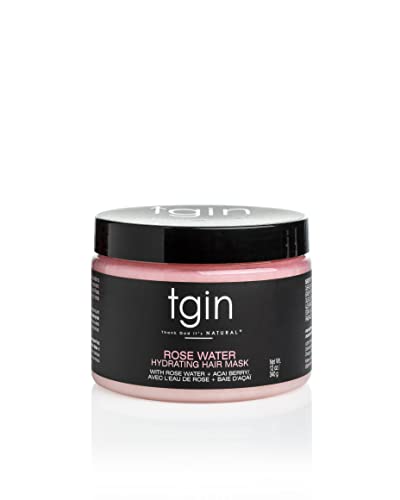
tgin Rose Water Hydrating Hair Mask

California Naturals Deep Repair Hair Mask 12 fl oz

PATTERN Treatment Hair Mask Rice Water Protein

PATTERN Intensive Conditioner for Curly Hair 3c-4c
The Details Behind The Selections
Hyaluronic acid is a humectant, meaning it pulls water toward itself rather than relying on heavy oils that low porosity strands tend to reject. That makes this amika mask a natural fit for hair where moisture usually just sits on the surface. In a weekly shower routine, you may find it rinses cleaner than butter-heavy alternatives.
Compared with the protein-forward Mega Growth pick later in this list, this one leans purely into hydration, so it suits hair that’s dry but structurally intact.
Practical Advantages
- Hyaluronic acid draws water in, which helps hydration actually reach the strand instead of coating it
- Owners commonly report easier detangling after use, cutting down breakage during comb-outs
- Rinses lighter than many butter-based masks, a real advantage for buildup-prone cuticles
- Suits color-treated and heat-styled hair in most routines
Things To Consider
- Very damaged or over-processed hair may want added protein alongside this moisture-focused formula
- Fragrance is noticeable to some users, worth checking if your scalp is scent-sensitive
Key Specs
Who It Suits Best
Dry, low porosity hair of any texture that needs real moisture without heavy oils or buildup.
A Better Fit Elsewhere
Strands weakened by bleach or relaxers will get more structural support from the Mega Growth Anti-Breakage Deep Conditioner.
This is the workhorse of the list: a large 15-ounce tub built around olive oil, shea, coconut, and strengthening proteins. Where the amika mask chases hydration, Mega Growth goes after structure, which matters when breakage is your main complaint rather than dryness alone. Longtime users of relaxed and heat-styled hair often keep a jar on rotation for exactly that reason.
The formula also skips sulfates, parabens, phthalates, formaldehyde, DEA, and drying alcohols, a clean label at a price point that rarely offers one.
Why It Works Well
- Olive, shea, and coconut oils soften while proteins reinforce weak spots along the strand
- Generous jar size stretches across months of weekly treatments
- Free of sulfates, parabens, phthalates, formaldehyde, DEA, and alcohol
- Owners frequently note restored softness and shine on fragile lengths
Small Caveats
- Protein content means overuse can leave some hair feeling stiff; alternate with a moisture-only mask
- Thicker consistency takes a little extra rinsing in fine or low density hair
Right Fit For
Anyone dealing with breakage from chemical processing, heat, or mechanical damage who wants an affordable strengthening staple.
Reach For A Different Pick When
Hair that feels brittle from too much protein will bounce back faster with the California Naturals Deep Repair Hair Mask instead.
Bond repair is the newer frontier in hair care: instead of coating the outside of the strand, these formulas work on the internal disulfide bonds broken by bleach, color, and heat. SheaMoisture approaches it with its Hydroplex Technology paired with an amino blend and amla oil, restoring protein from within rather than papering over damage. For low porosity hair recovering from coloring, that inside-out approach can matter more than another layer of surface slip.
It slots neatly between the pure hydration of the amika mask and the heavier protein load of Mega Growth.
The Value In It
- Hydroplex Technology targets broken internal bonds, addressing damage other masks only disguise
- Amino blend replenishes lost protein for measurably less breakage over time
- Amla oil adds softness and shine without a greasy finish
- Works well as a bridge product between moisture and strengthening routines
Points To Note
- Virgin, undamaged hair gains less from bond repair than chemically processed hair does
- A few owners report needing a follow-up conditioner for maximum detangling slip
Feature Snapshot
Whose Shelf It Belongs On
Color-treated, bleached, or heat-damaged hair that needs structural repair more than surface moisture.
Swap It Out When
Healthy virgin curls that simply need weekly hydration are better served by the tgin Rose Water Hydrating Hair Mask.
OUAI built this one specifically for thick, coarse hair, the texture most likely to feel under-moisturized no matter what goes on it. The brand positions it as delivering smoother, softer, stronger results from a single treatment, with ingredients aimed at split ends and future damage resistance. In practice, thick-haired users tend to appreciate that it doesn’t demand an hour under a shower cap to do its job.
It’s pricier per ounce than the Mega Growth jar, so the trade-off is salon-brand polish versus volume.
Everyday Wins
- Tailored to thick and coarse textures that thinner formulas fail to penetrate
- Brand reports smoother, softer, stronger hair after a single treatment
- Designed to improve resistance against future damage, useful for frequent heat styling
- Suitable across straight, wavy, curly, and coiled patterns despite the name
Worth Noting
- Eight ounces runs out quickly on very long or dense hair
- Fine or low-density hair may find the rich formula slightly heavy
Made For
People with thick, coarse, or high-density hair who want a premium single-step repair treatment.
Another Choice May Suit
Tighter coil patterns from 3c to 4c often get better definition from the PATTERN Intensive Conditioner further down this list.
tgin, short for Thank God It’s Natural, built its reputation on curl-friendly formulas, and this rose water mask is its frizz-fighting specialist. Rose water is a light, water-based hydrator rather than a heavy butter, which suits low porosity hair that rejects dense products. The stated goal is curl definition with moisture locked in from root to tip, keeping curls light rather than weighed down.
Against the OUAI mask above, this one trades richness for definition and a lighter finish.
Real-World Strengths
- Enhances natural curl pattern while keeping frizz controlled through the day
- Rose water base hydrates lightly, ideal for buildup-prone cuticles
- Locks in moisture so styles hold between wash days
- Leaves curls defined without heaviness, per widespread owner feedback
Less Ideal Details
- Severely damaged strands may want a bond-repair step like the SheaMoisture masque first
- Scent from rose water is present, though most users describe it as mild
Quick Facts
The Right Fit
Natural curl wearers who want a light weekly mask that defines patterns and tames frizz simultaneously.
Where Another Pick Shines
Coarser textures craving deeper nourishment will prefer the California Naturals Deep Repair Hair Mask’s shea and argan blend.
Not every mask needs a specialty angle, and this California Naturals option covers the broad middle ground well. Shea butter brings elasticity support, argan oil adds hydration and shine, and castor oil reinforces the strand, all in a creamy formula the brand describes as melting into dry, damaged hair. Color-safe, vegan, and free of sulfates and parabens, it checks the boxes most ingredient-conscious shoppers look for.
It’s the most universally applicable pick here, which cuts both ways depending on how specific your needs are.
Benefits That Matter
- Three-oil blend (argan, castor, shea) addresses softness, shine, and elasticity together
- Color-safe formulation protects dyed hair during repair treatments
- Vegan and sulfate- and paraben-free for cleaner-routine households
- Fresh rose garden scent makes wash day feel less clinical
Trade Offs To Consider
- Butter-based richness can linger on low porosity hair unless rinsed thoroughly with warm water
- No targeted protein or bond-repair component for badly compromised hair
Built With In Mind
Households sharing one bathroom shelf, since the formula works across nearly every hair type and texture.
Look Elsewhere When
Tight coilies seeking slip and elongation will get more from the PATTERN Treatment Hair Mask with rice water ferment.
Tracee Ellis Ross’s PATTERN line was designed around coils and tight textures, and this treatment mask shows it. Rice water ferment supplies gentle protein, hibiscus and moringa seed extract round out the botanical profile, and the brand emphasizes slip, meaning how easily fingers and combs glide through wet hair. Slip is the metric that matters most on wash day, because less tugging means less breakage before styling even starts.
Unlike the sibling Intensive Conditioner coming next, this version adds rice water protein to the mix, so it doubles as a strength treatment.
Where It Delivers
- Rice water ferment strengthens limp curls without the stiffness of heavy protein treatments
- Delivers notable slip and curl elongation, reducing breakage during detangling
- Hibiscus and moringa seed extract revive tired, undefined curl patterns
- Hydrates thoroughly while staying light enough not to drag curls down
Details To Watch
- Protein-sensitive hair should space out uses to avoid overload
- Looser wave patterns may find the formula richer than needed
Core Details
Who Will Love This
Anyone with 3a through 4c textures wanting a strengthening treatment that still delivers serious slip.
Consider Something Else When
Moisture-starved hair that resists all products belongs with the PATTERN Intensive Conditioner, made explicitly for low porosity strands.
Here’s the only entry on this list formulated explicitly for low porosity hair, which earns it the closing slot for good reason. PATTERN describes it as thick and creamy yet built for strands that struggle to let moisture seep in, protecting against breakage and dryness while softening deeply. Coilies with tight 3c to 4c patterns are its home turf, and it works both as a regular conditioner and an extended deep conditioning treatment.
Compared with the rice water mask above, this one drops the protein emphasis and commits fully to penetration and softness.
Noteworthy Benefits
- Explicitly engineered for low porosity hair, targeting the absorption problem directly
- Doubles as a leave-in-length deep treatment for extra penetration time
- Protects tight textures against breakage and chronic dryness
- Softens and hydrates without sacrificing curl integrity, per brand guidance
Some Limits To Know
- The thick cream consistency demands thorough rinsing, especially on shorter cuts
- Fine or loose-wave hair may find it heavier than necessary
The Numbers That Matter
Who Should Grab It
Coily and kinky textures whose hair repels typical conditioners and needs a purpose-built penetrating formula.
Not Your Match When
Color-damaged hair needing internal bond reconstruction gets better results from the Shea Moisture Bond Repair Masque.
What To Weigh Before You Choose
Ingredient Weight Matters Most
Low porosity cuticles resist heavy butters and waxes, so scan labels for humectants like hyaluronic acid and glycerin, plus lighter oils such as argan. Heavy shea and coconut blends can still work, but they usually need warm water and longer processing time to absorb properly. Heat helps: applying a mask with a warm towel or hooded dryer opens the cuticle enough for product to settle in.
Match The Formula To Your Damage Type
Dryness calls for moisture-first formulas, while breakage points to protein or bond repair. Using a protein mask on hair that doesn’t need it leads to stiffness, and using pure moisture on broken bonds leads to mushy strands. Rotate between the two categories across weeks for balanced results.
Think About Your Wash Schedule
A weekly washer can justify a premium small-batch jar, while someone stretching ten days between washes might prioritize larger sizes like the Mega Growth 15-ounce tub. Frequency determines value far more than sticker comparison does.
Texture narrows the field fast
Coarse and coily hair generally handles richer creams, whereas fine or loosely waved hair does better with watery, humectant-led masks. Choosing within your texture band prevents most disappointment.
Key Considerations Across These Picks
Traps First Timers Fall Into
The biggest mistake is buying by scent or packaging instead of ingredient weight, then wondering why hair feels coated rather than conditioned. Another common misstep is skipping the rinse-out timer; most masks need five to twenty minutes to do anything beyond surface smoothing. Overusing protein masks ranks close behind, since stiffness and snapping strands often trace back to that habit.
What Separates Premium From Basic
Higher-tier masks typically spend their budget on patented delivery systems, like SheaMoisture’s Hydroplex Technology, or on concentrated actives such as rice water ferment and amino blends. Those additions matter most for chemically treated or chronically dry hair. Basic jars handle maintenance fine, but repair work usually justifies the upgrade.
Frequently Asked Questions
What does low porosity hair actually mean?
Low porosity hair has a tightly sealed cuticle layer that resists letting water and product pass through. Products tend to sit on the surface, so lightweight, humectant-rich formulas absorb best.
How often should I use a deep conditioner?
Most people see good results with once-weekly use tied to their regular wash day. Heavily damaged or color-treated hair can tolerate twice weekly, alternating moisture and protein formulas.
Does heat really help masks absorb?
Gentle warmth opens the cuticle slightly, letting ingredients penetrate instead of sitting on top. A warm towel, steam, or a hooded dryer for ten to fifteen minutes makes a visible difference for low porosity hair.
Can I leave a deep conditioner in overnight?
Some formulas tolerate it, but thicker creams can cause buildup or scalp irritation when left too long. Follow the product’s stated timing first, and only extend it with a formula designed for extended wear.
How do I know if my hair needs protein or moisture?
Hair that stretches and stays stretched, or feels mushy when wet, usually wants protein. Hair that snaps dry and feels rough typically needs moisture, and alternating both keeps most textures balanced.
Wrap Up
Start by naming your actual problem: dryness, breakage, or stubborn product rejection. From there the choice gets easy, whether that’s the amika mask for pure hydration, Mega Growth for affordable strengthening, or the PATTERN Intensive Conditioner built specifically for low porosity coils. Whichever direction fits, consistent weekly use beats occasional marathon treatments every time.
