

At-home exfoliation has quietly grown into one of the more interesting corners of personal care, especially for anyone tired of monthly spa bills and curious about what those wands actually do. Diamond microdermabrasion machines use a tipped wand, either coated or crystal-dusted, to lift dull surface cells while a vacuum pulls the debris away. The result feels closer to a professional facial than any scrub in a tube, though the experience varies a lot from one device to the next.
This roundup covers seven picks: a few full machines, a couple of consumables, and two compact PMD devices that take a different approach. Anyone building a home routine, stocking a small studio, or simply replacing worn-out filters should find a useful starting point below.
The Essentials At A Glance

TopDirect Replacement 10 mm Diamond Microdermabrasion Cotton Filters (200 Pcs)

NeedCrystals Microdermabrasion Crystals 120 Grit (4 lb Pack)

Beauty Star 2 IN1 Diamond Microdermabrasion Machine

Yofuly 65-68cmHg Diamond Microdermabrasion Machine

TopDirect 3 in 1 Diamond Microdermabrasion Machine with Spray Gun

PMD Beauty Personal Microderm Elite Pro
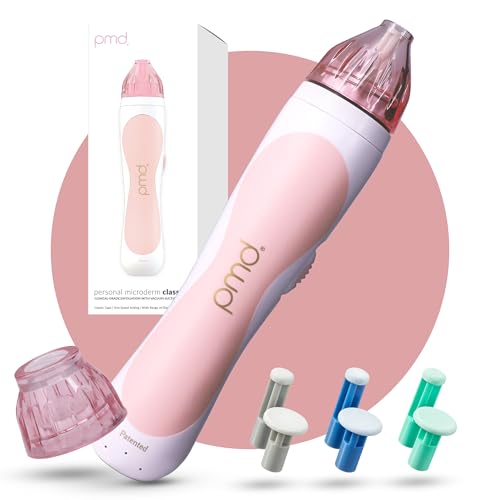
PMD Beauty Personal Microderm Classic
What Each Pick Brings To The Table
Filters tend to be the forgotten consumable in any microdermabrasion setup, which is also why they tend to run out at the worst possible time. The TopDirect cotton pack covers a long stretch of routine use, and the 10 mm sizing is one of the more common diameters found on mid-range home devices, so most people won’t need to measure before tossing a few into the existing holder.
For anyone who already owns a full-size diamond machine, these filters turn into a quiet long-term saving. New users might find them less exciting, but the value math improves dramatically once the device itself is paid off and only the cotton keeps needing replacement.
The Helpful Details
- 200-count pack covers months of weekly sessions for most routines
- Standard 10 mm sizing fits a wide range of common home machines
- Soft cotton material stays gentle on freshly exfoliated skin
- Bulk format trims down the per-session cost meaningfully
Worth Noting
- Does not include a device, so this only makes sense for existing owners
- A small number of wand models use non-standard diameters that won’t match
Best Suited To
Anyone already running a home microdermabrasion device who needs a steady supply of fresh filters at a manageable cost.
Consider Something Else When
Newcomers should skip straight to the Beauty Star or PMD Classic instead, since the cotton only matters once a machine is already on the bathroom shelf.
Crystal-based exfoliation is the older sibling of the diamond-tip method, and NeedCrystals leans into it with a 4 lb bulk pack aimed at heavier users. The 120 grit sits in the medium-fine range, which most skincare textbooks describe as a balanced choice for general resurfacing without the redness that finer grits sometimes cause on first passes.
Compared to the cotton filters above, this is a totally different use case. Studios, estheticians running their own suites, or households sharing one device across multiple faces will go through media fast, and the larger format makes more sense than refilling smaller jars every few weeks.
Everyday Advantages
- 4 lb total supply covers long stretches of multi-client routines
- 120 grit strikes a balance between effective resurfacing and comfort
- All-natural formulation appeals to ingredient-conscious buyers
- Bulk packaging reduces per-treatment cost for busy practices
Trade Offs
- Only works with crystal-style machines, not diamond-tip wands
- Loose crystals require careful cleanup after each session
- Overkill for anyone running a personal device once a week
Key Product Details
Right Fit For
Small studios, estheticians building a home suite, or households with multiple users who run crystal-style devices regularly.
Look Elsewhere When
Solo users with diamond-tip devices like the PMD Classic should pass on this one, since crystal media has no role in their routine.
The Beauty Star unit is a sensible first step into the category, pairing a diamond wand with a secondary function in a single tabletop body. Suction is rated at 65-68 cmHg, which lines up with the mid-tier home devices and is enough to feel a real pull on the skin without crossing into the more aggressive clinical range.
For someone who has been curious about home microdermabrasion but unsure whether to commit, the 2-in-1 framing removes the worst kind of buyer’s remorse. Compare that to the cotton pack, which is only useful for owners; this is the pick that creates owners.
Real-World Strengths
- Suction range of 65-68 cmHg delivers noticeable exfoliation
- Two-in-one design avoids the need for a second machine early on
- Compact footprint suits small vanities and apartment bathrooms
- Friendlier price than most three-in-one competitors
Honest Caveats
- Tip variety is smaller than the Yofuly and TopDirect options below
- Filter replacements still required, and they are sold separately
Feature Snapshot
Who Should Grab It
First-time buyers who want a real home device without jumping straight to the more expensive three-in-one alternatives.
Reach For A Different Pick When
Anyone planning to treat several body zones should move up to the Yofuly instead, since it ships with a wider tip variety for different areas.
Where the Beauty Star above offers a focused entry point, the Yofuly expands the experience with three diamond wands and nine interchangeable tips. That sort of tip range usually means a buyer can adjust intensity and surface area for cheeks, forehead, nose, and body without swapping machines. The same 65-68 cmHg suction range keeps the device aligned with the category norm.
This is the kind of spec sheet that reads well on paper and tends to suit people who already know which zones they want to treat. In most home bathrooms, it pulls double duty as both a face and light body tool, which is the main reason it earns a spot above the PMD devices for versatility.
Benefits That Matter
- Nine tips cover face, nose, and body areas in a single kit
- Three wand types give finer control over pressure and reach
- Detachable design makes sanitizing between sessions easier
- Standard suction range avoids the learning curve of higher-power units
Soft Spots
- More parts to keep track of than a single-tip device
- Larger storage footprint than the PMD handhelds
- Filters and replacement tips sold separately over time
Whose Shelf It Belongs On
Home users who want a fuller kit for face plus body treatments and don’t mind a slightly larger setup on the counter.
A Better Fit Elsewhere
Travelers and minimalists may prefer the cordless PMD Elite Pro, since the Yofuly’s full kit is harder to pack and store on the road.
TopDirect’s three-in-one design adds a spray gun to the standard diamond wand and vacuum setup, turning exfoliation into a fuller routine. The 65-68 cmHg suction sits at the high end of the home range, and the spray attachment lets users mist serums or toners directly after a pass, which is closer to what many spa facials actually do.
It is a noticeable step up from the Beauty Star above in scope, though it shares the same suction rating. Where the two diverge is really the third function: the spray gun turns a single-step tool into a more layered session.
Standout Benefits
- Three functions consolidate exfoliation, vacuum, and misting in one unit
- Spray gun enables serum application right after each pass
- Suction power sits at the upper end of home-rated machines
- Nine diamond tips offer solid coverage for different zones
Worth Bearing In Mind
- Larger and heavier than the two-in-one Beauty Star option
- Spray function requires a small learning curve for even misting
Made For
Home users who want a fuller routine and are happy to spend a little extra counter space to get the spray step included.
Not Your Match When
People with very small bathrooms should consider the Beauty Star, which keeps the same suction range in a more compact body.
The PMD Elite Pro is a completely different shape than everything above, trading the tabletop format for a cordless handheld wand. Aluminum oxide discs do the exfoliating, and the kit is designed to cover both face and body, which is a meaningful upgrade from face-only devices. For frequent flyers or anyone with a small bathroom, the cordless form factor tends to be the real selling point.
Compared to the Yofuly kit, the PMD is far easier to stash in a drawer or carry-on. The trade-off is that the consumables are proprietary, so replacements stay within the PMD ecosystem rather than third-party media.
Reasons It Performs
- Cordless design removes the outlet-hunt during sessions
- Face and body coverage in a single compact kit
- Aluminum oxide discs offer consistent, even exfoliation
- Travel-friendly form factor for routine maintenance on the road
Practical Considerations
- Proprietary discs cost more over time than the cotton filter approach
- Higher upfront investment than the corded tabletop options
Perfect Match For
Frequent travelers, small-space dwellers, and anyone who prefers handheld tools over countertop machines.
Swap It Out When
Shoppers who want maximum tip variety for a home spa should pick the Yofuly instead, since the PMD’s disc system is more standardized.
The PMD Classic is the corded counterpart to the Elite Pro above, keeping the same disc-based exfoliation in a simpler, more accessible package. It still handles face and body, and the streamlined body is one of the more approachable entry points into the brand for anyone wary of cordless battery management.
For shoppers torn between starting with a tabletop machine like the Beauty Star or a handheld tool, this is a sensible middle path. The corded design means no charging cycles to track, which tends to suit people who forget about charging until mid-session.
A Few Highlights
- Corded operation means no batteries to manage between sessions
- Face and body use covered in the same kit
- Simpler control scheme than the Elite Pro
- More approachable entry into the PMD product family
Less Ideal Details
- Cord limits reach during longer sessions
- Replacement discs are still proprietary to PMD
Who Will Love This
Beginners who want a brand-name handheld with straightforward controls and no charging to think about.
Where A Sibling Pick Shines
People who want to roam freely around the bathroom should consider the cordless PMD Elite Pro, since the Classic’s cord tethers the routine to one spot.
What To Weigh Before Choosing A Diamond Microdermabrasion Machine
Diamond Tips Versus Crystal Media
Diamond-tip machines use a wand coated with fine abrasive particles to lift dead skin, while crystal machines spray loose aluminum oxide or similar media across the face and vacuum it back up. Diamond tips tend to feel more controlled and create less loose debris, which makes them a common pick for home bathrooms. Crystal machines often cost less to manufacture and are widely used in professional settings, though cleanup is a bigger chore.
Suction Power And Skin Comfort
The 65-68 cmHg range is the most common home rating and is generally well tolerated on most skin types. Stronger suction can exfoliate faster, but it also raises the chance of redness on sensitive skin. Beginners should plan to start on the lower end of the range and work up only if the skin responds well.
Tip Variety And Replacement Strategy
Devices with multiple tips and wands cost more up front but cut down on the need for a second machine later. Cotton-based filters from brands like TopDirect can be swapped across many mid-range devices, while PMD’s disc system stays within its own ecosystem. Matching the consumable story to the device avoids surprise costs down the road.
Form Factor And Storage
Tabletop units like the Beauty Star and TopDirect are typically more powerful but take up shelf space. Handheld tools like the PMD Classic and Elite Pro trade some power for portability. Apartment dwellers, shared bathrooms, and frequent travelers tend to favor the handheld form factor.
Key Considerations Across These Picks
Pitfalls Shoppers Hit
A common slip is buying a device without checking the consumable supply chain, then discovering the filters or discs are expensive or hard to find. Another is overestimating how often a high-power device will be used: for monthly home sessions, a mid-tier machine usually does everything a premium unit does. Skipping the suction range check is the third, since anything well outside the 65-68 cmHg range needs a more careful skin tolerance plan.
When Paying More Pays Off
The jump from a basic 2-in-1 like the Beauty Star to a 3-in-1 like the TopDirect buys a spray step and more tip variety, which makes sense for users building a fuller routine. Moving from corded to cordless PMD buys portability, which matters most for frequent travelers and small-space storage. The right upgrade is the one tied to an actual use case rather than a spec on a page.
Frequently Asked Questions
How often should a diamond microdermabrasion machine be used at home?
Most home routines settle into once-a-week sessions, with sensitive skin leaning toward every ten days. Skincare experts often suggest easing in with monthly use before stepping up the cadence based on how the skin responds.
Do these machines work on body areas as well as the face?
Some kits, including the PMD Classic and Elite Pro, are designed for both face and body. The tabletop units tend to focus on the face, with tip sizes suitable for smaller zones rather than larger body surfaces.
Are replacement filters or discs expensive to maintain?
Cotton filters from brands like TopDirect are among the more affordable consumables, and bulk packs can stretch for months. Proprietary disc systems like PMD’s tend to cost more per replacement, so the long-term math matters when comparing machines.
Is diamond microdermabrasion safe for sensitive skin?
Diamond-tip devices at the standard 65-68 cmHg range are usually well tolerated, but the safest approach is a short test patch and lower suction first. Anyone with active breakouts, rosacea, or open wounds should hold off until the skin is calm.
What’s the difference between a 2-in-1 and a 3-in-1 machine?
A 2-in-1 typically combines the diamond wand with a vacuum, while a 3-in-1 adds a third function like a spray gun. The third function adds routine steps but also adds size, weight, and learning curve.
