

Rosacea-prone skin punishes harsh choices fast. The right facial oil or calming cream can take the edge off dryness and visible redness without triggering a flare, which is exactly what this list is built around. Every option here leans on gentle, barrier-friendly ingredients like rosehip seed extract, azelaic acid, propolis, or noni fruit, and none rely on heavy fragrance or aggressive actives. Whether your cheeks flush after a hot shower or you’re managing year-round sensitivity, there’s a fit below for your routine and your budget.
A Closer Look At The Lineup

KORA Organics Noni Glow Face Oil

LEMYKA Rosacea Redness Relief Cream
BodyJ4You Rosehip Seed Oil USDA Organic

PHATOIL Organic Rosehip Oil 4 oz

Hey Honey Relax Rosacea Relief Cream

Beauty Foundry Clarifying Tea Tree Oil 30ml
suquato 10% Azelaic Acid Serum 30ml

MMPANG Organic Face Oil with Vitamin E & Rosehip
The Picks, Examined More Closely
This certified organic formula centers on noni fruit, an ingredient the brand built its reputation on, and it’s designed to feel light rather than greasy on application. Sensitive skin often rejects heavy occlusives, so a weightless texture matters here more than on typical skin.
In practice, owners commonly report using it as the final step of an evening routine or alongside gua sha tools, where the oil gives fingers and stones enough slip to glide without tugging. That dual role makes it a two-in-one for anyone who already practices facial massage.
Strengths Worth Knowing
- Certified organic formulation suits cautious, reactive skin
- Lightweight finish means no heavy film under makeup
- Doubles as a glide agent for gua sha sculpting sessions
- Aims at radiance and smoothness rather than stripping actives
Things To Consider
- Oils in glass-style packaging need cool, dark storage to keep botanicals fresh longer
- You may find the glow-focused approach too subtle if blemishes are your main concern
Key Specs
Who It Suits Best
Anyone chasing a calm, luminous finish from a clean-label oil will get the most out of this one.
Where A Sibling Pick Shines
Shoppers wanting a pure single-ingredient option at a friendlier cost should look at the BodyJ4You Rosehip Seed Oil instead.
Not every rosacea-prone household wants an oil, and that’s where this lotion earns its spot. LEMYKA positions it as a natural healing cream for facial rash, eczema, psoriasis, and hives, formulated without steroids or parabens according to the brand’s own information.
The all-ages claim is the real differentiator here. One tube can serve a parent’s flushed cheeks and a child’s dry patches alike, which simplifies a crowded bathroom shelf considerably.
A Few Highlights
- Natural ingredient list avoids steroids and parabens entirely
- Works on face and body, so one product covers multiple trouble spots
- Gentle enough that the brand markets it for babies through adults
Small Caveats
- Cream textures can feel heavier than oils during humid summer months
- As an over-the-counter cosmetic product, it isn’t a substitute for dermatologist-prescribed treatment
Made For
Households juggling several sensitive-skin needs at once, from kids’ dry patches to adult facial flushing.
Swap It Out When
Adults with oily, breakout-prone skin may prefer the water-based Hey Honey Relax cream, which skips richer emollients altogether.
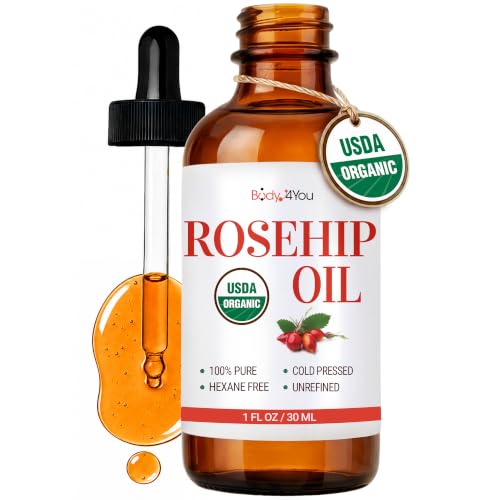
Single-ingredient products are the safest starting point for reactive skin, because there’s nothing hidden in the formula to blame when something goes wrong. This bottle contains exactly one thing: rosehip seed oil, cold pressed and undiluted, with no fillers or additives per the brand.
Cold pressing matters more than most marketing suggests. Pressing seeds without heat preserves delicate fatty acids that support tone and texture, and those compounds degrade quickly when exposed to high temperatures during extraction.
Noteworthy Benefits
- One recognizable ingredient removes guesswork from patch testing
- Cold-pressed extraction protects fragile fatty acids
- Undiluted formula stretches further since a few drops cover the whole face
- Bottled in the USA for freshness tracking
Points To Note
- Pure plant oils typically need refrigeration after opening to slow oxidation
- No added vitamins or extracts, so results depend entirely on what rosehip alone delivers
Quick Facts
Right Fit For
Minimalists who want to introduce one botanical at a time and watch how their skin responds.
Another Choice May Suit
Those wanting a pre-blended mix of several botanicals will find the MMPANG Organic Face Oil more convenient.
Where the BodyJ4You bottle keeps things compact, PHATOIL goes the other direction with a four-ounce pour. For anyone applying rosehip oil nightly, or sharing it across face, hair, and nails, that volume changes the math on cost per use.
The brand highlights naturally occurring vitamins A, C, and E plus omega-3 and omega-6 fatty acids, compounds whose structure resembles the lipids your own barrier produces. That similarity is why rosehip tends to absorb comfortably rather than sitting on top of the skin.
Real-World Strengths
- Four ounces supports months of twice-daily use
- USDA organic certification backs the sourcing claims
- Fatty acid profile mirrors skin’s own lipids for comfortable absorption
- Versatile enough for face, body, and hair ends
Honest Caveats
- Larger bottles oxidize faster once opened, so decanting into a smaller dropper helps
- Essential-fatty-acid oils carry a faint natural scent some people notice at first
Whose Shelf It Belongs On
Frequent users who go through small bottles quickly and want bulk value without sacrificing certification.
Reach For A Different Pick When
Occasional users trying rosehip for the first time may prefer the smaller BodyJ4You format to avoid waste.
Oily skin and rosacea frequently show up together, and heavy oils can make that combination miserable. Hey Honey sidesteps the problem with a water-based moisturizer that’s completely oil-free yet still built around calming botanicals, aloe, honey, and propolis, the resin bees use to seal their hives.
The brand describes the blend as 98% natural and fragrance-free, and it carries dermatologist testing, both meaningful signals for skin that flares easily. In warm climates especially, a gel-like cream often feels better than anything lipid-heavy.
The Value In It
- Oil-free, water-based base won’t weigh down oily zones
- Propolis and honey bring humectant and calming properties
- Fragrance-free formulation reduces a common trigger
- Dermatologist tested adds a layer of reassurance
Less Ideal Details
- Very dry skin may want to layer an oil such as the KORA Organics Noni Glow on top for extra sealing power
- Propolis is bee-derived, so it’s off the table for anyone avoiding bee products
Details At A Glance
Who Will Love This
People with combination or oily skin whose redness worsens under rich creams will feel most at home here.
Not Your Match When
Severely dehydrated skin usually gets more relief from the PHATOIL rosehip oil’s lipid-rich profile.
This pick sits slightly outside the classic rosacea lane, and that’s worth saying plainly. Tea tree oil has a long history in blemish care, where its clarifying character helps unclog pores and balance oil production, and Beauty Foundry frames this 30ml bottle squarely around acne and uneven tone.
For readers whose rosacea overlaps with regular breakouts, a targeted spot treatment can earn its place. The honest read is that tea tree is potent, so conservative use beats enthusiasm here.
Advantages To Know
- Targets pimples and clogged pores directly
- Antioxidant-rich profile supports overall complexion health
- Handy 30ml size lasts through many spot applications
Trade Offs To Consider
- Tea tree can sting or dry reactive skin, so dilution or sparing use is widely recommended by experienced users
- Not designed as an all-over daily moisturizer the way the other picks are
The Right Fit
Breakout-prone users who want a focused treatment for occasional blemishes rather than a daily hydrator.
Consider Something Else When
For everyday redness care without active ingredients, the LEMYKA relief cream is the gentler route.
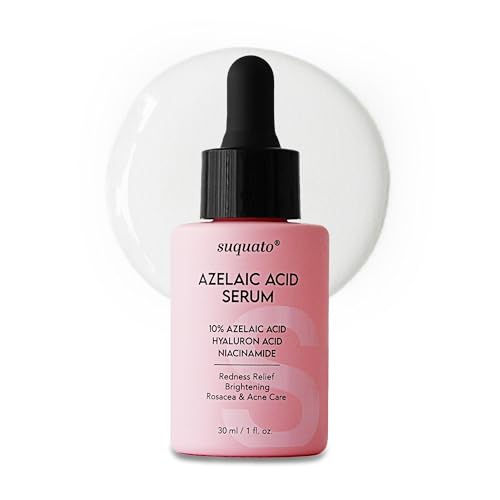
Azelaic acid is one of the most studied ingredients in redness-prone skincare, known for smoothing rough texture and evening tone without the irritation associated with stronger acids. Suquato pairs a 10% concentration with niacinamide, which helps manage shine, and hyaluronic acid, a humectant that pulls water into the skin.
That trio covers the three complaints rosacea-prone users raise most: visible bumps, blotchiness, and dehydration. Compared with the nourishing oils earlier in this list, this serum works through chemistry rather than lipids, which makes it a complement rather than a replacement.
What Earns Its Place
- 10% azelaic acid addresses texture and uneven tone head-on
- Niacinamide helps control midday shine
- Hyaluronic acid keeps hydration levels up while actives work
- Lightweight serum layers cleanly under moisturizer
What To Weigh
- First-time azelaic users sometimes report brief tingling during the adjustment weeks
- Introduce slowly, a few nights per week, before committing to daily use
Feature Snapshot
Who Should Grab It
Skincare-experienced users ready for a results-driven active will find this the most purposeful formula on the list.
Skip It When
Complete beginners are better served starting with the BodyJ4You single-ingredient oil before adding acids.
Blends trade purity for breadth, and this one casts a wide net: rosehip and vitamin E lead, backed by jojoba, frankincense, lavender, and pomegranate seed oils. Jojoba in particular mimics human sebum closely, which is why it rarely feels heavy even on combination skin.
The brand pitches it toward dull, tired-looking skin that needs brightness and lasting hydration. Against the single-note BodyJ4You bottle, you give up isolation but gain a fuller aromatic and nutrient profile in one step.
A Few Strong Suits
- Seven-botanical blend covers hydration, brightness, and smoothing together
- Jojoba base absorbs readily without greasy residue
- Vitamin E adds antioxidant support against environmental stress
- Organic positioning appeals to clean-routine shoppers
Practical Considerations
- Multiple botanicals mean more potential triggers, so patch test along the jaw first
- Lavender and frankincense lend a noticeable natural scent that not everyone enjoys
Core Details
Built With In Mind
Dull, dehydrated complexions that want a complete botanical treatment in a single evening step.
Look Elsewhere When
Highly reactive skin doing elimination testing will get cleaner answers from the BodyJ4You pure rosehip oil.
What Matters Most Before Choosing face oils for rosacea
Ingredient Count Beats Ingredient Hype
Fewer ingredients make flare-ups easier to diagnose. A single-ingredient rosehip oil tells you exactly what touched your skin, while a twelve-botanical blend leaves you guessing. Start simple, then add complexity only once your skin has shown it tolerates the basics.
Texture Should Match Your Skin Type
Oily, redness-prone skin generally prefers water-based creams or fast-absorbing oils like jojoba. Dry, tight skin benefits from lipid-rich options such as rosehip or vitamin E blends. Matching texture to your baseline skin type prevents the heaviness that can trap heat and worsen flushing.
Actives Deserve Patience
Azelaic acid and tea tree deliver visible change, but both demand a slow introduction. Begin with two or three applications weekly, watch for tingling or dryness, and scale up only when your skin settles. Rushing actives is the fastest way to undo progress.
Certification And Testing Signals
Organic certification, dermatologist testing, and fragrance-free labeling aren’t guarantees, but they narrow the field toward formulations designed with sensitive skin in mind. Treat them as filters, not promises.
Key Considerations Across These Picks
Traps First Timers Fall Into
The most common mistake is stacking several new products in the same week, then having no idea which one caused a reaction. Introduce one item at a time with a week between additions. Another frequent slip is skipping the patch test; apply a drop behind the ear or along the jaw for two days before full-face use.
When Paying More Pays Off
Higher-priced formulas typically buy certification, dermatologist involvement, and refined textures rather than stronger results. The upgrade makes sense once you know your triggers and want a polished daily driver. Until then, a well-chosen budget rosehip oil does the foundational work just fine.
Frequently Asked Questions
Can face oils actually help rosacea-prone skin?
Yes, certain oils rich in linoleic acid, like rosehip seed oil, support the skin barrier without clogging pores. Results vary by individual, so patch testing remains essential.
Is azelaic acid safe for sensitive, redness-prone skin?
It’s widely used for exactly this skin profile and is generally well tolerated. Mild tingling during the first weeks is common and usually fades.
Should I apply oil before or after moisturizer?
Most routines place oil last, sealing in the hydration layers beneath it. Water-based serums always go on before any oil step.
How long before I see results?
Barrier-supporting oils often improve comfort within one to two weeks. Tone and texture changes from actives typically take six to eight weeks of consistent use.
Can I use these products alongside prescription treatments?
Usually yes, but spacing them apart in your routine is wise. Check with your prescribing dermatologist before combining anything new with medication.
Closing Thoughts
Sensitive, redness-prone skin rewards patience over ambition. Start with one gentle product, whether that’s the pure BodyJ4You rosehip oil or the oil-free Hey Honey cream, and let your skin vote before adding anything else. The suquato azelaic serum and the KORA Organics glow oil reward those who build up gradually. Whichever direction fits your shelf, consistency will matter far more than the label on the bottle.
