

Tight, flaky cheeks after washing your face is a problem most people know too well. The wrong cleanser strips away what little moisture your barrier has left, leaving you reaching for cream within minutes. This roundup focuses on washes built to clean without that squeaky aftermath, whether you deal with winter flaking, retinoid dryness, or naturally parched skin. Each pick below was chosen for how it treats the moisture barrier first and makeup removal second.
A Fast Comparison Of The Options
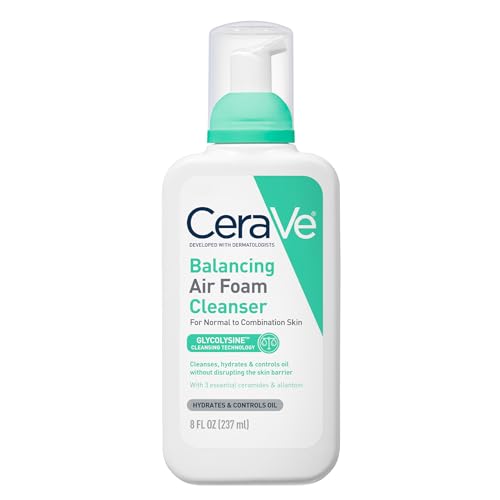
CeraVe Air Foam Hydrating Facial Cleanser 8oz

Cetaphil Nourishing Oil to Foam Cleanser Dry Skin 8oz

Amazon Basics Hydrating Facial Cleanser with Ceramides 12oz

Amazon Basics Daily Facial Cleanser Fragrance Free 16oz
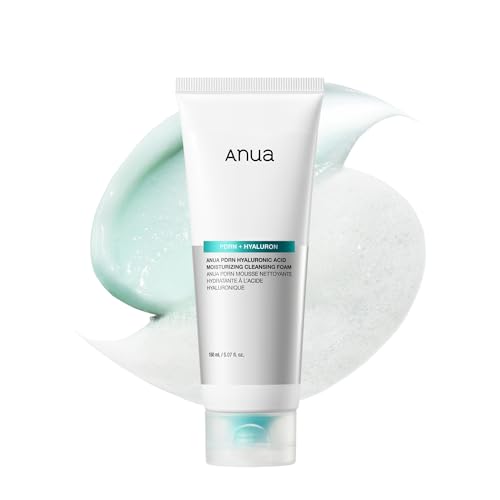
Anua PDRN Hyaluronic Acid Moisturizing Cleansing Foam

Avène Tolerance Daily Foaming Facial Cleanser

Aveeno Daily Foaming Gel Facial Cleanser 12oz
A Deeper Look At The Lineup
Foaming cleansers usually spell trouble for dryness, which makes this one an interesting outlier. CeraVe dispenses it as a pre-aerated, airy foam, so there’s no harsh lathering step dragging surfactants across a compromised barrier. The brand positions it squarely for combination skin, meaning oily zones get cleaned while drier patches stay comfortable.
In practice, that profile suits anyone whose T-zone shines by noon while their cheeks feel papery. You may find it less nourishing than the richer picks further down this list during deep-winter months.
A Few Highlights
- Pre-whipped foam means less rubbing and tugging at the skin surface
- Lifts impurities and light makeup without that stripped, squeaky feeling
- The 8oz pump bottle fits neatly on a crowded bathroom shelf
- Formulated around combination skin, so oily areas don’t go unaddressed
Small Caveats
- Dry-skin-focused users may want more emollient richness than a foam format typically delivers
- Pump dispensers can clog slightly near the end of the bottle, a commonly reported nitpick
Who Will Love This
Combination-skin folks who crave the freshness of a foam but dread post-wash tightness will find this the easiest daily compromise.
Where A Sibling Pick Shines
Anyone wanting deeper hydration should look at the Cetaphil Nourishing Oil to Foam Cleanser, whose oil base suits genuinely parched faces better.
Oil cleansing sounds counterintuitive for anything, but it’s one of the kindest ways to dissolve sunscreen and makeup. Cetaphil starts as a silky oil, then emulsifies into a soft foam once water hits it, giving you two cleansing stages in one bottle. Compared with the airy CeraVe foam above, this one leans noticeably richer, aimed at sensitive, normal-to-dry faces rather than combo types.
Nighttime is where it earns its shelf spot: heavy SPF and foundation slide off without a second pass or aggressive rubbing. The rinse leaves no greasy film behind, according to the formulation’s stated design.
Positive Takeaways
- Oil-to-foam transformation removes stubborn makeup without scrubbing
- Rinses residue-free, so no double cleanse is needed on low-makeup days
- Gentle enough for sensitive, normal-to-dry complexions as a nightly staple
Points To Note
- Oily T-zones might feel over-conditioned by midday after morning use
- Oil textures demand a thorough rinse; lazy rinsing can leave a slight slip
Feature Snapshot
Made For
Anyone wearing sunscreen or foundation daily who wants a single product that melts it all away while respecting a thirsty barrier.
Swap It Out When
Bare-faced minimalists who prefer zero oil textures will likely favor the Avène Tolerance foaming cleanser instead.
Ceramides are lipids your skin barrier uses like mortar between bricks, and replenishing them through cleansing is smart prevention. This Amazon Basics formula pairs them with hyaluronic acid, glycerin, sodium hyaluronate, and vitamin E, a humectant-heavy lineup you’d normally associate with pricier derm brands. At 12 fluid ounces, it also out-sizes most of the list.
It’s fragrance free and labeled non-comedogenic, meaning it shouldn’t clog pores, which matters for anyone layering heavier creams over dry skin. Application follows the classic routine: damp skin, circular massage, rinse.
A Strong Showing
- Ceramide content supports the barrier instead of eroding it
- Hyaluronic acid and glycerin draw in water while you wash
- Generous 12oz volume stretches a skincare budget considerably
- No added fragrance reduces irritation risk on reactive days
Less Ideal Details
- Makeup removal power is modest compared with the Cetaphil oil-to-foam option
Core Details
Whose Shelf It Belongs On
Cost-conscious shoppers building a simple ceramide-based routine around normal-to-dry skin get the most from this bottle.
Another Choice May Suit
Those wanting a K-beauty ingredient story will prefer the Anua PDRN foam covered later in this lineup.
Where the previous Basics entry chases hydration actives, this one keeps things deliberately plain. It’s a creamy, non-foaming wash with a non-alkaline formulation, meaning its pH stays close to skin’s natural acidity rather than tipping toward harsh soap territory. Sixteen ounces makes it the biggest bottle here, handy for shared bathrooms or couples.
Non-foaming textures feel unusual at first if you grew up on suds, but they’re widely regarded as among the gentlest formats for sensitized skin. There’s nothing flashy about it, and that’s the point.
Everyday Perks
- Creamy lather-free texture minimizes friction on fragile skin
- Non-alkaline pH respects the acid mantle, the skin’s natural protective layer
- 16oz jug covers months of twice-daily family use
Things To Consider
- No hydrating hero ingredients listed, unlike the ceramide version above
- Cream formulas can leave faint residue in hard-water bathrooms without a careful rinse
Right Fit For
Households sharing one cleanser, or anyone whose skin reacts to nearly everything and wants a boring, dependable baseline.
Reach For A Different Pick When
You want barrier-supporting actives in the wash itself; the Amazon Basics Hydrating Cleanser with ceramides fills that role better.
Korean skincare brought us some of the best low-pH cleansing science, and Anua’s entry leans fully into it. The headline ingredients are PDRN, a salmon-derived DNA fragment popularized for skin-repair claims, alongside hyaluronic acid, a molecule famous for holding many times its weight in water. The formula sits at a mildly acidic pH of 6, close enough to skin’s own chemistry that the barrier isn’t disturbed during washing.
The foam itself is described as rich and cushiony, which translates to fingers gliding rather than dragging. One honest note: at 5.07 fl oz, it’s the smallest bottle on this list.
Why It Works Well
- pH 6 mildly acidic formula supports the skin’s protective acid mantle
- Hyaluronic acid helps skin stay plump and dewy post-rinse
- Cushiony lather feels indulgent on tight, uncomfortable mornings
- Positioned specifically for dry and sensitive complexions
Details To Watch
- Smaller 5.07oz size runs out faster than the 12-16oz Basics options
- PDRN research is still developing, so temper expectations accordingly
Quick Facts
Built With In Mind
K-beauty devotees and anyone chasing a dewy, plump finish from their cleanser rather than mere cleanliness.
Not Your Match When
Big-bottle value seekers should stick with either Amazon Basics option, both of which cost far less per ounce.
French pharmacy skincare has a reputation for radical restraint, and Avène’s Tolerance line embodies it. The name says it plainly: this is engineered for skin that tolerates very little, the kind that flushes at new products or stings after a retinoid night. Detailed spec sheets are thin for this listing, so consider it a minimalist choice on faith of the brand’s dermatology heritage rather than a feature stack.
Against the ingredient-forward Anua foam, this one trades actives for predictability, which some reactive complexions badly need.
What Stands Out
- Tolerance-line pedigree aimed at hypersensitive, easily provoked skin
- Daily-use foaming format that stays light enough for routine mornings
- Backed by a French pharmacy brand with decades of sensitive-skin focus
Worth Bearing In Mind
- Manufacturer detail is sparse here, making ingredient-level comparison difficult before purchase
- Minimalist formulas sometimes remove makeup less thoroughly than oil-based rivals like the Cetaphil
Technical Reference
Who Should Grab It
Anyone whose skin has burned through three cleansers already this year and wants the calmest possible option.
Consider Something Else When
Hydration actives matter more than minimalism to you, in which case the Anua PDRN foam delivers far more substance per wash.
Aveeno built its reputation on colloidal oatmeal, and this foaming gel carries that legacy into a soap-free, fragrance-free wash enriched with oat and niacinamide, a vitamin B3 derivative known for supporting the barrier. The brand targets normal-to-oily or sensitive skin, so think of it as the option for people whose dryness shows up only in patches or in winter.
Unlike the richer Cetaphil oil, this one prioritizes removing excess oil while explicitly sparing the moisture barrier. Twelve ounces keeps running costs reasonable for a twice-daily habit.
Key Advantages
- Oat extract soothes skin prone to redness and reactivity
- Niacinamide supports barrier function over repeated use
- Soap-free and fragrance-free construction lowers irritation odds
- Clears excess oil without the stripped feeling classic gels cause
Potential Sticking Points
- Geared toward normal-to-oily skin, so severely parched faces may find it too clarifying
- Gel textures can sting freshly exfoliated or wind-chapped skin, something owners occasionally mention
Essential Details
The Right Fit
People with combination tendencies, oily zones plus seasonal dryness, who still want a soothing, sensitive-friendly formula.
Look Elsewhere When
Your dryness is constant rather than seasonal; the Cetaphil Oil to Foam Cleanser offers the richer experience chronically dry skin prefers.
What Matters Most Before Choosing A Facial Cleanser
Match The Format To Your Dryness Level
Cream and non-foaming cleansers suit constant, year-round dryness because they rely on emollients rather than sudsing agents. Foams and gels work fine for seasonal or patchy dryness, especially when buffered with oat, ceramides, or hyaluronic acid. Be honest about how tight your face actually feels ten minutes after washing; that sensation is your best guide.
Read The Ingredient Story, Not The Marketing
Ceramides rebuild the lipid mortar of your barrier, humectants like glycerin pull water in, and niacinamide calms reactivity over time. Fragrance is the most common avoidable irritant in face washes, so unscented options deserve priority on compromised skin. A shorter, plainer ingredient list often beats a flashy one for very dry complexions.
Think About pH And Friction
Skin sits naturally acidic, roughly pH 4.5 to 5.5, and alkaline soap-based washes disturb that balance. Mildly acidic formulas, like the Anua at pH 6, keep that disruption minimal. Just as important is how much you rub: pre-formed foams and oil cleansers reduce mechanical stress compared with working up a lather by hand.
Factor In Size And Cost Per Ounce
A 5oz premium bottle disappears quickly under twice-daily use, while 12 to 16 ounces can carry a routine for months. Balance the ingredient quality against how fast you’ll burn through it, and don’t pay specialty prices for a basic job your skin doesn’t demand.
Key Considerations Across These Picks
Traps First Timers Fall Into
The biggest mistake is choosing a cleanser for how well it lathers rather than how your skin feels afterward. Another common slip is pairing a stripping wash with an expensive serum, essentially undoing the treatment every morning. Skip anything heavily fragranced until your barrier has settled.
What Separates Premium From Basic
Higher-priced picks tend to add researched actives such as PDRN, carefully tuned pH, or pharmacy-grade minimalist formulations. Those extras matter most for reactive or persistently dehydrated skin. For straightforward dryness, a well-built budget cleanser with ceramides covers most of the same ground.
Frequently Asked Questions
Can a foaming cleanser work for very dry skin?
Yes, provided the formula is buffered with hydrators like hyaluronic acid or oat. Pre-formed foams also reduce the rubbing that traditional lathering requires.
Should I use the same cleanser morning and night?
Many people do, though drier skin often benefits from plain water or a cream cleanser in the morning. Save stronger cleansing for evenings when sunscreen and makeup need removing.
What does non-comedogenic mean?
It indicates a formula is designed not to clog pores. That matters for dry skin layered under heavy creams, which already risks congestion.
How long before I notice a difference?
Cleansing comfort usually improves within a few washes, since you’re no longer stripping the barrier. Visible flakiness can take a couple of weeks alongside a good moisturizer.
Is fragrance free really necessary?
For very dry or reactive skin, it’s strongly advisable, as fragrance is a leading trigger of irritation. Once your barrier recovers, scented products remain optional rather than essential.
Closing Thoughts
Dry skin doesn’t need a complicated wash, it needs a kind one. Start by matching the format to how deep your dryness runs, then prioritize ceramides, humectants, and fragrance-free formulas. The right cleanser should leave your face comfortable enough to skip the emergency moisturizer sprint. Whichever bottle earns the shelf spot, give it a fair few weeks before judging the results.
