

Cracked heels and rough patches are a daily annoyance for anyone on their feet, whether that means long shifts at work, barefoot summers, or just skin that dries out every winter. The right cream softens calluses, seals in moisture, and keeps heels from splitting again. This roundup covers eight options across sticks, jars, and specialty formulas so you can match one to your routine instead of guessing.
Your Options, Compared
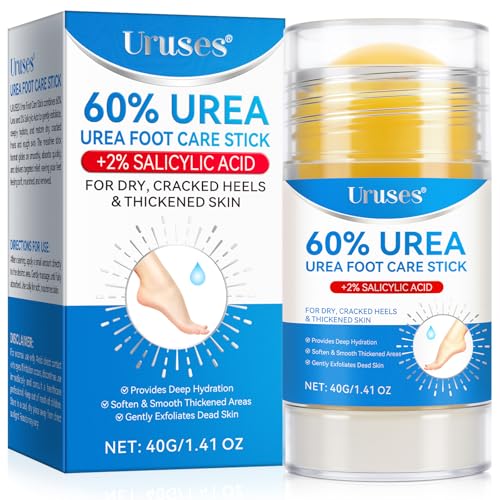
Uruses Urea Foot Care Stick 60% Urea

flasture Maximum Strength Urea Foot Cream Stick 1.4oz
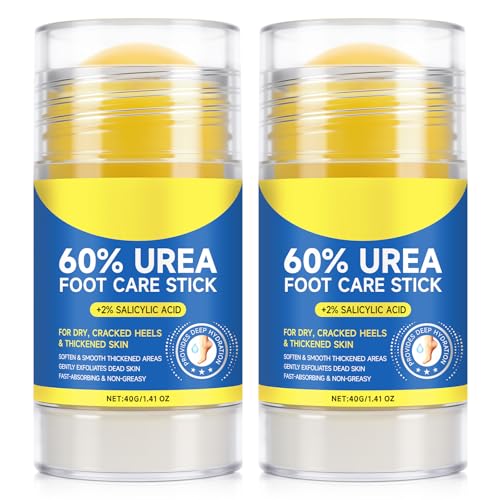
flasture Maximum Strength Urea Foot Cream Stick 2-Pack

URQT 42% Urea Foot & Hand Cream

PROJECT 701 Urea Foot Cream 40% 4.3 oz

HealthWise Diabetic Foot Cream 4 oz
YAFUSIPE 60% Urea Foot Callus Remover Stick
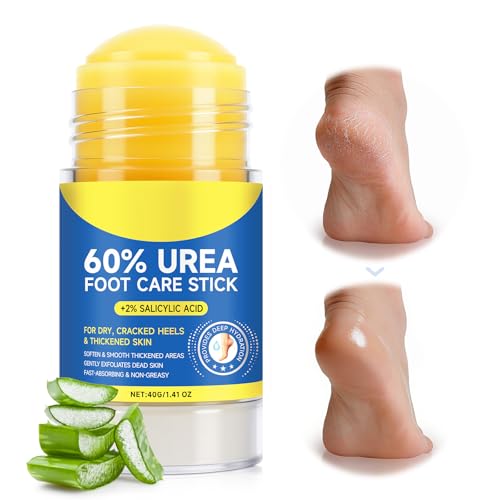
Generic 60% Urea Foot Cream Stick Non-Greasy
The Picks, Examined More Closely
Urea does two jobs at once: it draws water into the skin and gently breaks down the thickened protein that makes calluses feel like leather. At 60% concentration paired with 2% salicylic acid, this stick sits at the strong end of what over-the-counter foot care offers.
The twist-up format is the real draw here. You swipe it directly onto heels, knees, or knuckles without dipping fingers into a jar, which matters more than you’d think once you’re applying it nightly after a shower.
Practical Pluses
- High 60% urea content targets stubborn, built-up callus texture
- Salicylic acid helps shed dead surface cells so moisture reaches fresh skin
- Stick applicator keeps hands clean and works well for nightly routines
- Doubles as a balm for rough hands and knees
Things To Consider
- Strong concentrations can tingle on freshly cracked or broken skin, so ease in gradually
- A single stick goes quickly with daily full-foot use
Key Specs
Who It Suits Best
Routine-driven users with chronically rough heels who want a no-mess nightly treatment they’ll actually keep up with.
Where A Sibling Pick Shines
The flasture Maximum Strength Urea Foot Cream Stick 2-Pack suits households where two people share the same routine and want a spare on hand.
This is essentially the same chemistry as the Uruses stick above, 60% urea plus 2% salicylic acid, packaged in a compact 1.4-ounce tube. That size slides into a gym bag, carry-on, or desk drawer without a second thought, which is why it earns its badge.
For commuters or frequent flyers whose heels suffer in dry hotel air and closed shoes, having this within reach beats waiting until you’re home. One caveat worth weighing: at 1.4 ounces, heavy daily users will burn through it faster than a jar format.
Practical Advantages
- Maximum-strength urea blend tackles hardened heel skin
- Small footprint fits pockets, purses, and toiletry kits
- Works on hands and knees too, not just feet
Points To Note
- Single-stick pack means reordering sooner than multi-pack options
- Cap threads can collect residue; a quick wipe keeps it twisting smoothly
Built With In Mind
Travelers and gym-goers who want serious callus care packed into something smaller than a phone.
Swap It Out When
Homebodies applying nightly will get better longevity from the PROJECT 701 Urea Foot Cream 40% tub later in this list.
Same 60% urea and 2% salicylic acid formula as the single stick, just doubled up. For couples or roommates fighting the same winter-heel battle, two sticks mean no borrowing and no running out mid-treatment.
You could also split them by location: one in the bathroom, one in a travel kit. Consistency is what actually softens calluses, and having a backup removes the excuse to skip nights.
Standout Benefits
- Two-stick supply supports uninterrupted daily use
- Identical maximum-strength exfoliating and hydrating action
- Handy for keeping a spare at work or in a bag
Honest Caveats
- Overkill for a single light user; one stick may last a season
- Sticks should be capped tightly and stored away from heat to keep the balm firm
Feature Snapshot
Right Fit For
Shared households and committed daily users who know one stick won’t outlast their routine.
Consider Something Else When
Anyone wanting a richer, soak-in texture may prefer the URQT 42% Urea Foot & Hand Cream with its shea butter base.
Not everyone’s skin tolerates a 60% urea hit. This cream steps down to 42% while adding comfort ingredients: vitamin E, tea tree oil, aloe vera, and shea butter. The result feels less clinical and more like a proper moisturizer that happens to fight calluses.
In practice, that balance suits people whose heels are rough but not severely split, or anyone who found stronger sticks irritating. The trade-off is slower visible progress on very thick callus compared with the flasture sticks reviewed earlier.
The Case For It
- Shea butter and aloe vera cushion skin during repair
- Vitamin E adds antioxidant support for stressed skin
- Tea tree oil brings a fresh scent many enjoy
- Still strong enough at 42% urea for meaningful softening
Softer Spots
- Jar format means scooping with fingers, less hygienic than a stick
- Slower results on deeply hardened callus than 60% options
At A Glance
Who Will Love This
People with moderately dry skin who want one cream working for feet, hands, elbows, and knees alike.
Reach For A Different Pick When
Diabetic users needing a fragrance-free, purpose-built formula should look at the HealthWise Diabetic Foot Cream instead.
Where this tub pulls ahead of the sticks is its barrier-repair lineup. Alongside 40% urea and salicylic acid, you get ceramides (lipids that help rebuild the skin’s protective layer), hyaluronic acid for water retention, and peptides. That combination aims at healing, not just smoothing.
For heels that have actually cracked open, that distinction matters. The generous 4.3-ounce tub also supports liberal nighttime application under socks, the classic intensive-repair move. In our view, this is the pick for skin that needs rebuilding rather than light maintenance.
What It Does Well
- Ceramides and peptides support genuine barrier recovery
- Hyaluronic acid boosts hydration depth beyond surface softening
- Large tub encourages generous, sock-covered overnight use
- Tea tree oil keeps the scent clean rather than medicinal
Trade Offs To Consider
- Tub packaging requires finger application and diligent lid closing
- 40% urea is slightly milder than the 60% sticks on rock-hard callus
Core Details
Whose Shelf It Belongs On
Anyone dealing with deep cracks and rough, weathered heels who wants repair-level ingredients in volume.
Another Choice May Suit
For quick touch-ups between treatments, the YAFUSIPE 60% Urea Foot Callus Remover Stick travels lighter and applies cleaner.
Diabetic skin needs a different approach: no harsh acids, no fragrance, nothing that could aggravate sensitive feet. HealthWise builds its 4-ounce cream around hydration and protection instead of aggressive exfoliation, leaving out parabens, dyes, phthalates, and scent entirely.
The formula forms a temporary protective layer over chapped, cracked skin while sealing moisture underneath. Anyone managing diabetes should still loop in their doctor about foot care, but as a daily moisturizer designed for this exact situation, it fills a gap the urea-heavy picks can’t safely fill.
The Good Stuff
- Fragrance-free and free of parabens, dyes, and phthalates
- Creates a temporary shield over chapped areas
- Hydrates and locks moisture in to support skin recovery
- Formulated specifically for rough, dry diabetic skin
Small Limitations
- No exfoliating acids, so existing callus softens slowly
- Follow the included usage directions closely for best results
Quick Facts
Best Suited To
People managing diabetes, or anyone whose skin reacts badly to fragranced or acid-based foot products.
Look Elsewhere When
Thick, painless callus removal calls for the higher-strength Uruses Urea Foot Care Stick covered first.
By now the pattern is familiar: 60% urea, 2% salicylic acid, stick format. YAFUSIPE’s version leans into convenience, marketing itself as a fast-working callus softener you can apply without scrubbing or rinsing. Compared with the flasture sticks, the practical difference comes down to availability and price at any given moment rather than chemistry.
Owners commonly report the balm glides on smoothly and absorbs without the greasy film some jar creams leave behind. That makes it a reasonable midday touch-up option, not just an evening ritual product.
Where It Delivers
- Maximum-strength urea penetrates hardened heel skin
- No-scrub application replaces pumice grinding sessions
- Non-greasy finish works before putting socks or shoes on
- Doubles as a hand moisturizer for dry knuckles
Details To Watch
- Stick balms soften in hot cars or bathrooms; store somewhere cool
- Results depend on consistent daily use, not one-off applications
The Right Fit
Busy people who want a swipe-and-go treatment that fits between meetings or after the gym.
Skip It When
Shoppers wanting a two-stick backup supply will find better value in the flasture 2-Pack listed earlier.
The final entry rounds out the stick category with the same 60% urea and 2% salicylic acid core, emphasizing a lightweight, non-greasy feel and portability. The honest read is that it competes closely with the YAFUSIPE and flasture sticks; your choice here likely comes down to whichever listing offers the better current terms.
Its standout trait is wearability. Because it absorbs cleanly, you can apply it in the morning and slip into shoes without slipping around inside them, something thicker balms don’t always allow.
A Favorable Mix
- High-concentration urea softens thick, callused areas
- Non-greasy texture suits daytime use under footwear
- Portable stick design travels anywhere
What To Weigh
- Unbranded naming makes batch consistency harder to track over time
- Visible change takes several days of steady use, so patience helps
Feature Card
Who Should Grab It
Minimalists who want one pocketable stick handling heels, hands, and everything rough in between.
Not Your Match When
Deep-crack repair calls for the richer PROJECT 701 Urea Foot Cream with its ceramide and peptide support.
What Matters Most Before Choosing Feet Creams for Dry Skin
Match Strength To Skin Condition
Urea percentage is the dial that matters most. Around 10 to 25% mainly moisturizes, 30 to 45% softens moderate roughness, and 50% and above actively dissolves thick callus. Starting at maximum strength on tender or split skin often causes stinging, so step up gradually rather than jumping straight to 60%.
Format Shapes Your Habits
Sticks win on cleanliness and portability, jars win on volume and value per ounce. The best formula is worthless if the packaging annoys you into skipping applications, since consistency drives results far more than any single ingredient.
Read The Supporting Cast
Ceramides, hyaluronic acid, shea butter, and vitamin E separate basic softeners from genuine repair creams. Salicylic acid adds exfoliation for flaky buildup. Fragrance-free formulations matter enormously for sensitive or medically fragile skin.
Key Considerations Across These Picks
Traps First Timers Fall Into
The most common mistake is buying maximum strength immediately, then quitting when skin tingles or peels. Another is expecting overnight transformation; even strong urea formulas typically need a week or more of daily use. Skipping the ingredient list is a third trap, since fragrance-heavy products can irritate already compromised skin.
What The Higher Tier Buys
Pricier creams generally fund secondary actives: ceramides, peptides, and hyaluronic acid that rebuild skin structure rather than just coating it. Larger volumes also lower cost per application for nightly users. Paying up pays off when damage is severe; for mild seasonal dryness, a basic stick handles the job fine.
Frequently Asked Questions
How long do urea foot creams take to work?
Most people notice smoother texture within several days of daily use. Deeply cracked heels usually need two to four weeks of consistent application.
Can I use these creams on my hands?
Yes, every stick and cream in this list is marketed for hands and knees as well as feet. Rough knuckles and elbows respond the same way heels do.
Is 60% urea safe for everyday use?
It’s widely used daily, though newly cracked or broken skin may sting at first. Start every other day and increase frequency as your skin adjusts.
Should I apply foot cream before bed or in the morning?
Bedtime application under cotton socks gives ingredients hours of undisturbed contact. Morning use works best with non-greasy stick formats that absorb quickly.
Do I still need a pumice stone?
A gentle pumice session on softened skin speeds things along, but it isn’t required. Chemical exfoliation from urea and salicylic acid handles much of the work alone.
Closing Thoughts
Dry, cracked heels respond to patience more than anything else. Pick the format you’ll actually use daily, start at a strength your skin tolerates, and give it a few weeks before judging results. Diabetic readers should check with a doctor first, and everyone else should let consistency do the heavy lifting. Your heels will thank you by spring.
