

Dry, cracked heels rarely get attention until sandals come out or the skin actually splits. Anyone who walks a lot, stands for work, or just lives somewhere dry knows how fast rough feet go from cosmetic to painful. The good news: the right foot cream or balm makes a real, visible difference in a few weeks. The picks below cover exfoliating urea sticks, soothing tea tree creams, and lightweight moisturizers, so you can match a formula to your skin, not the other way around.
The Lineup, Simplified
Uruses Urea Cream 60% Foot Care Stick

Viking Revolution Tea Tree Foot Cream 8 oz

Natural Escapes Peppermint Foot Cream 4 oz

flasture 60% Urea Cream Stick 1.4oz
flasture 60% Urea Cream Stick 1.4oz (2-Pack)
More Details On Our Top Picks
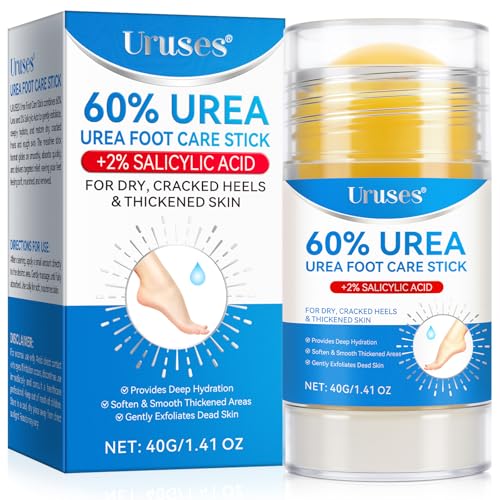
The Uruses stick lives at the heavy-duty end of the foot-care spectrum. Its 60% urea concentration (urea is a keratolytic, meaning it softens and breaks down thickened skin) is paired with 2% salicylic acid, a beta-hydroxy acid known for loosening dead cells and callus buildup. Together they do two jobs at once: hydrate deep into the stratum corneum and dissolve the rough outer layer that traps moisture out.
For anyone whose heels crack open every winter, the stick format is the underrated part. No jar, no greasy fingers, no wasted product. Twist up, glide across the heel, and slip socks on. The trade-off is potency; sensitive skin or thin calluses may find the formula more aggressive than needed. Patch-test the inner ankle first.
Real-World Strengths
- 60% urea paired with salicylic acid softens thickened heels in days, not weeks
- Stick format keeps hands clean and is travel-friendly for gym or overnight trips
- Multi-area use: heels, knees, elbows, and rough hands all benefit from the same formula
- Twist-up design avoids the bacterial buildup a shared jar can develop
Points To Keep In Mind
- The high-strength formula can sting on freshly cracked or bleeding skin
- Overuse may leave the heel overly soft, so daily application isn’t always required
- Owners commonly report a faint medicinal scent from the active ingredients
Key Specs
Built With In Mind
People with thick calluses, cracked heels, or rough knees who want fast, targeted exfoliation and don’t mind a strong active formula.
Reach For A Different Pick When
Choose the Natural Escapes Peppermint Foot Cream instead if your skin is sensitive or you want a gentler daily option without salicylic acid.
Viking Revolution takes a different approach than the Uruses stick. This is a traditional jar cream, with tea tree oil, aloe vera, and a minty scent doing the soothing work. Tea tree oil has mild antibacterial properties, and the formula is built for daily maintenance rather than aggressive callus removal. The 8 oz size is generous, which makes sense for a cream you actually use every night.
Compared to the heavy-duty urea stick above, this one trades raw exfoliating power for comfort. The minty aroma turns your post-shower routine into something resembling a spa step. The catch: tea tree can be a mild irritant for people with reactive skin, and jar packaging means dipping fingers in, so hygiene matters over time.
Real Benefits
- Generous 8 oz jar lasts several months with nightly use
- Tea tree and aloe combination helps soothe itchy, irritated skin
- Minty scent doubles as a relaxing end-of-day ritual
- No urea, so it layers well over other foot products without over-exfoliating
Trade Offs
- Jar format means hand contact every use, which can introduce bacteria over time
- Thick calluses may need a separate exfoliating product for visible reduction
- Tea tree oil is a known sensitizer for a small percentage of users
Made For
Anyone wanting a daily, no-fuss cream for general dryness and minor irritation who enjoys aromatherapy-style scents.
Consider Something Else When
Pick the Uruses 60% Urea Stick if your main concern is thick calluses rather than general daily dryness.
Natural Escapes slots into the middle of this list for a reason. It uses 5% vegan lactic acid, an alpha-hydroxy acid that gently dissolves the bonds holding dead cells together, paired with aloe vera juice as the primary ingredient instead of water. That base gives the cream a hydrating feel rather than a clinical one. Organic olive oil, coconut oil, glycerin, and vitamin E round out the formula.
It’s the gentlest exfoliant in this lineup, so don’t expect overnight callus miracles. The trade-off is comfort: no stinging, no medicinal smell, no greasy residue on socks. In most bathrooms the 4 oz size lasts a couple of months of nightly use. The 8 oz option exists too if you find a match.
Strong Points
- Aloe-first base hydrates while lactic acid gently exfoliates
- Plant-derived oils absorb cleanly, leaving socks and sheets stain-free
- Peppermint scent refreshes tired feet without synthetic fragrance overload
- Formula layers well under foot masks or overnight socks
Honest Caveats
- 5% lactic acid works slower than 60% urea, so thick calluses need patience
- Smaller 4 oz jar runs out faster for households with multiple users
- Natural ingredient list means a shorter shelf life once opened
Feature Snapshot
Who It Suits Best
People with sensitive skin, mild dryness, or anyone new to foot exfoliation who wants a plant-based formula.
A Better Fit Elsewhere
Skip ahead to the flasture 60% Urea Stick (2-pack) if you need heavier callus treatment at a lower per-stick cost.
The flasture stick shares the same active profile as the Uruses option: 60% urea, 2% salicylic acid, twist-up stick format. The difference is size and positioning. This is a 1.4 oz single stick, small enough to live in a gym bag, a desk drawer, or a carry-on. The 1.4 oz format is also the right scale for testing whether high-strength urea suits your skin before committing to more.
You get the same fast callus-softening effect, just in a smaller, single-stick package. Depending on how aggressively you apply, the stick can run out in a few weeks of daily use, so heavy users may find the 2-pack (next on this list) more practical.
Everyday Perks
- Travel-friendly 1.4 oz size fits in a toiletry bag or purse
- No-mess stick application keeps hands clean on the go
- Multi-area use: heels, knees, elbows, and hands all respond to the formula
Where It May Fall Short
- 1.4 oz runs out quickly for users applying nightly to both feet
- High urea concentration can sting on freshly cracked or broken skin
- Single stick means no backup when the first runs out
Best Suited To
Travelers, gym-goers, and people new to urea sticks who want a small test size before scaling up.
Skip It When
Choose the Viking Revolution Tea Tree Foot Cream if you want a daily gentle cream without the strong active-ingredient sting.
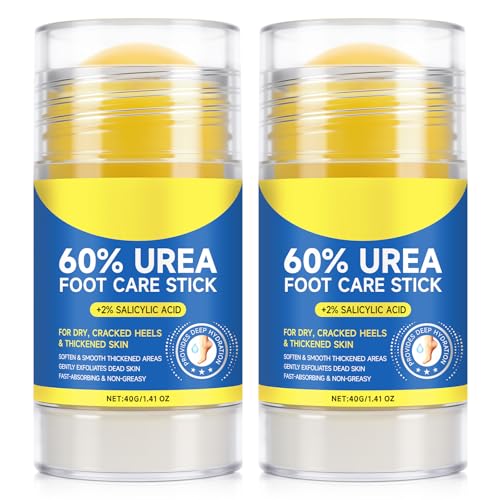
The 2-pack version of the flasture stick is identical in formula to the single stick above. What changes is the math. Two sticks give you a longer runway before reordering, plus a backup to keep at home while the other lives in a bag. For anyone committed to daily urea treatment, this is the practical format.
Use the same way as the single stick: glide over clean heels before bed, follow with cotton socks, and let the urea work overnight. The 2-pack layout suits couples or households where multiple people treat their feet at once, and the per-stick cost is typically lower than buying singles twice.
Standout Benefits
- Two sticks reduce per-unit cost for heavy long-term users
- Backup stick allows one at home and one in a travel kit
- Same high-strength 60% urea and 2% salicylic acid formula as the single pack
Potential Compromises
- Stick format requires twisting up and down, which can be fiddly with slippery hands
- Strong formula still carries the same sensitivity risk as the single stick
- Larger upfront purchase than a single jar cream
Quick Facts
Whose Shelf It Belongs On
Long-term users, couples, or anyone who has already tested a urea stick and knows the formula works for their skin.
Look Elsewhere When
Pick the Natural Escapes Peppermint Foot Cream if you’d rather skip salicylic acid and use a gentler aloe-based formula daily.
What To Weigh Before Picking a Foot Cream
Match the Formula to Your Skin, Not the Other Way Around
The first decision is strength. Anything above 40% urea is a serious callus softener built for thickened, stubborn skin. A formula in the 5–10% range is a daily moisturizer with mild exfoliation. The honest read is: most people don’t need maximum strength, and overusing it can leave the heel too soft or irritated. Start lower, escalate only if your skin needs more.
Read the Base, Not Just the Actives
Urea and salicylic acid get the headlines, but the base determines how the cream feels. Aloe vera, glycerin, and natural oils add hydration while the actives exfoliate. A cream that only contains keratolytics (sloughing agents) will leave skin dry after the softening effect fades. Look for a hydrating base layered with the active ingredient.
Think About Format and Routine
A jar cream is fine for a bedside routine. A stick is better for travel, shared bathrooms, or anyone who dislikes touching their feet. Tubes are rare in this category but exist. Match the format to where and when you’ll actually use it; the best cream is the one you apply consistently.
Watch for Sensitizers and Scent
Tea tree oil, peppermint, and heavy fragrance can all be irritants for sensitive skin. The minty, spa-style scents feel luxurious but cause contact dermatitis in a small percentage of users. Patch-test any new formula on the inner ankle for 24 hours before committing.
Key Considerations Across These Picks
Common Shopping Slip Ups
The biggest mistake is buying maximum-strength urea when your feet only need daily moisture. Aggressive formulas feel productive in week one, then leave heels over-soft or peeling by week three. Another slip is ignoring scent and skin history. Tea tree and peppermint feel harmless, but they’re common sensitizers. The third pitfall is buying a small jar for a household of two: 4 oz vanishes fast when two people apply nightly.
Why Top Tier Costs More
Higher-tier formulas earn their price through higher active concentrations, cleaner ingredient bases, and stick-format engineering that controls dosage. The Uruses and flasture sticks at 60% urea are more expensive per ounce than a standard cream, but you’re paying for delivery format and potency. For occasional users, a mid-tier cream like Natural Escapes is plenty. For real callus work, the premium buys results a basic moisturizer cannot match.
Frequently Asked Questions
How often should foot cream be applied?
Most foot creams work best with nightly application, right after a shower when the skin is still slightly damp. For high-strength urea sticks, every other night is often enough.
Are urea creams safe for sensitive skin?
Urea at 5–10% is generally tolerated well. Above 40%, the concentration can sting or irritate reactive skin. Always patch-test a new formula on the inner ankle first.
Can foot cream be used on hands and other areas?
Yes. Urea and salicylic acid both work on thickened skin anywhere, including hands, knees, and elbows. The formulas in this list are multi-use by design.
Do these creams help with cracked heels specifically?
The high-strength urea sticks target cracked heels by softening the thickened skin that splits. Pair them with cotton socks overnight for the best result.
How long until results show up?
Daily moisturizers typically soften skin in one to two weeks. High-strength urea sticks often show visible callus reduction within a few days of consistent use.
The Takeaway
The right foot cream depends on what your heels actually need: daily moisture, callus reduction, or something gentle enough for sensitive skin. Pick a format that fits your routine, match the strength to your skin, and stay consistent. Your feet will thank you by next sandal season.
