

Cracked heels are more than a cosmetic nuisance. They snag on socks, catch on sheets, and make every step on a hard floor feel rougher than it should. The right cream changes that within a couple of weeks of steady use, and this list covers eight options built around proven actives like urea and salicylic acid, plus one gentler everyday balm. Whether you want maximum strength or something mild enough for nightly maintenance, there’s a fit here.
A Snapshot Of The Selections

ZyraGloz Urea Cream Stick 60% + Salicylic Acid
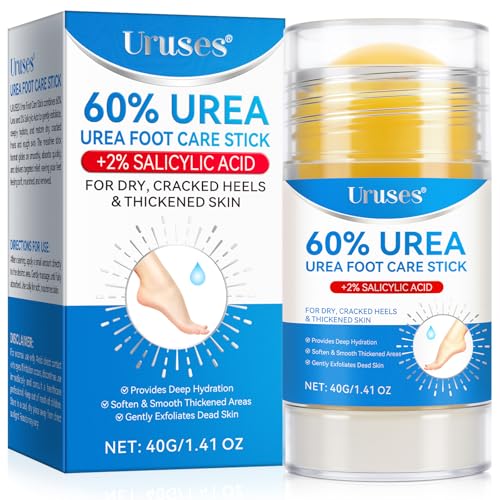
Uruses Urea Cream 60% Foot Care Stick
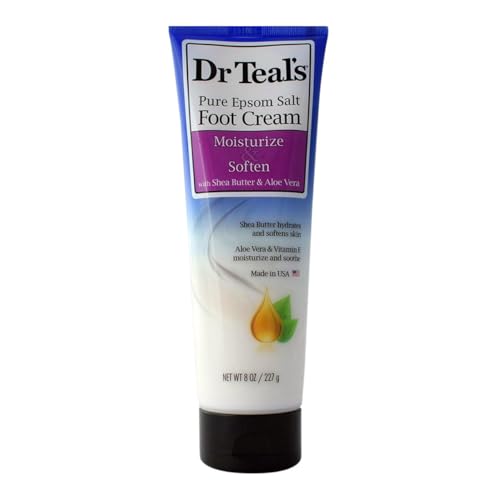
Dr Teal’s Pure Epsom Salt Foot Cream 8 oz

VREKEF Urea Cream 40% with 2% Salicylic Acid, 5.29 oz

flasture 60% Urea Cream Stick, 1.4oz

PROJECT 701 Urea Cream 40% for Feet, 4.3 oz
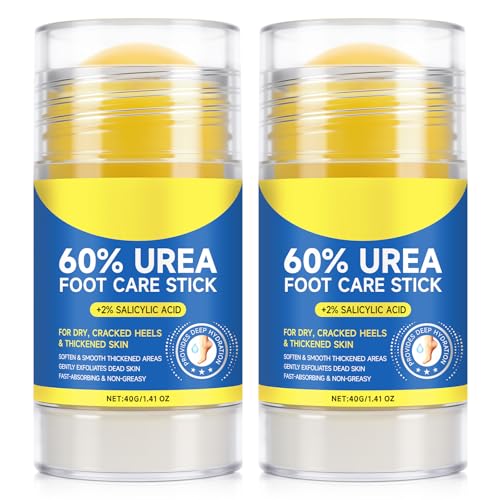
QJCWXIAOX 60% Urea Foot Care Stick, 2 Pack
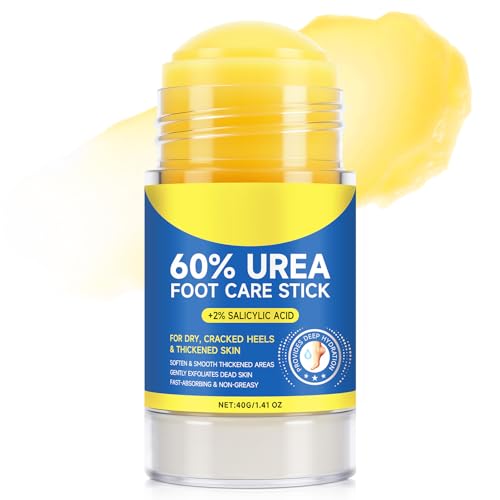
FANSHI Urea Cream Stick 60% Maximum Strength
Inside Each Recommended Option
This stick pairs the highest urea concentration in the roundup, 60 percent, with 2 percent salicylic acid. Urea is a humectant that pulls water into thick skin while gently breaking down hardened keratin, and salicylic acid loosens dead surface cells so the moisture can actually get in. Together they target the deep cracks that lighter lotions tend to sit on top of.
The twist-up format means no dipping fingers into a jar, which matters when you’re applying at your bedside or after a shower. People who stand all day, from nurses to retail workers, are the clearest beneficiaries here.
Strong Points
- 60% urea concentration softens calluses that standard 10 to 20 percent creams often can’t touch.
- Salicylic acid exfoliates dead buildup so socks stop catching on rough heel edges.
- Stick applicator keeps hands clean and makes nightly application a ten-second habit.
- Works beyond feet on knees, elbows, and hands with thickened skin.
Things To Consider
- High-strength formulas can tingle on freshly cracked or broken skin, so ease in gradually.
- A stick holds less product than a tub, meaning more frequent repurchase for two-foot daily use.
Who It Suits Best
Anyone with stubborn, deeply cracked heels who wants clinical-level strength without a messy jar routine.
Where A Sibling Pick Shines
The VREKEF 40% cream suits sensitive skin better, since its lower urea level trades some power for gentler daily wear.
Where the ZyraGloz stick leads on raw strength, the Uruses version competes on convenience. It carries the same 60/2 urea-to-salicylic-acid ratio but emphasizes fast absorption, so you can apply it in the morning without waiting around before slipping into shoes. That single detail decides whether a foot cream becomes a habit or gets abandoned on the nightstand.
Frequent travelers and gym-goers get the most from this one. A solid stick won’t leak in a carry-on, and there’s nothing to squeeze or spill mid-trip.
Reasons It Performs
- Quick-absorbing texture means no greasy residue between toes or on sock fabric.
- Dual actives handle both keratin softening and dead-skin shedding in one pass.
- Solid format survives luggage, gym bags, and hot car gloveboxes without leaking.
Small Caveats
- Stick coverage across two full feet takes a few more swipes than a cream you scoop generously.
- Keep the cap snug; exposed balm surfaces can dry out over months of bathroom storage.
The Right Fit
Commuters and travelers who need serious strength in a format that fits a jacket pocket.
Swap It Out When
Homebodies applying nightly will stretch their budget further with the QJCWXIAOX two-pack instead.
Not every foot needs an acid peel. This 8-ounce jar from Dr Teal’s skips urea entirely and leans on shea butter, aloe vera, and vitamin E, ingredients chosen for comfort rather than exfoliation. Shea butter seals moisture into dry skin, aloe calms irritation, and vitamin E supports the skin barrier over time.
In practice, this is the pick for maintenance rather than repair. Feet already softened by a stronger cream stay comfortable here, and the large jar lasts months of nightly use. The honest read is that severely cracked heels will need one of the urea picks first.
Real-World Strengths
- Shea butter delivers lasting cushioning for skin that feels tight by evening.
- Aloe and vitamin E suit sensitive skin that reacts to salicylic acid.
- An 8-ounce tub outlasts every stick on this list by a wide margin.
- Light scent profile works for people sensitive to heavily perfumed creams.
Points To Note
- No exfoliating actives, so existing calluses won’t thin much on this alone.
- Jar packaging requires clean hands or a small spatula to keep the contents fresh.
Made For
People with mildly dry feet who want a soothing nightly ritual rather than aggressive treatment.
Another Choice May Suit
For visible cracking, the PROJECT 701 cream adds ceramides and exfoliation that this balm deliberately leaves out.
Forty percent urea sits in a useful middle zone: strong enough to soften real calluses, mild enough that many people tolerate daily application without stinging. VREKEF rounds the formula out with glycerin, aloe vera, and sucrose, humectants that hold water against the skin while the actives do their work.
The 5.29-ounce tub is the largest container in this roundup, which changes the math considerably. Two people sharing a bathroom, or one person treating feet, knees, and hands together, won’t run dry in a month the way a 1.4-ounce stick would.
Everyday Advantages
- 40% urea balances strength with day-to-day tolerance for most skin types.
- Glycerin and aloe keep treated areas hydrated instead of tight after application.
- Tub format allows generous coverage on heels, soles, and rough knuckles alike.
What To Weigh
- Finger-dip jars introduce hygiene concerns compared with the touchless sticks earlier in this list.
- Thicker cream textures can feel heavy under socks until fully absorbed.
Right Fit For
Households wanting one effective tub that several people can share without constant repurchasing.
Look Elsewhere When
Maximum-strength seekers with severe heel fissures should step up to the ZyraGloz 60% stick instead.
The flasture stick brings the same 60 percent urea and 2 percent salicylic acid pairing as the top pick, just in a smaller 1.4-ounce body. Its selling point is placement: this is the stick that lives in a purse, a desk drawer, or a car console so reapplication happens wherever your day takes you. Consistency beats intensity with cracked heels, and portable formats make consistency realistic.
Compared with the Uruses stick reviewed above, the trade-off is straightforward. You give up some capacity per dollar for easier carrying, which suits office workers and commuters far better than home-based nightly routines.
Bright Spots
- Full 60% strength in a body small enough for a coat pocket.
- Midday touch-ups keep heels supple between morning and evening applications.
- Exfoliation happens without gritty scrubs that can aggravate sore skin.
Honest Caveats
- At 1.4 ounces, heavy users may finish a stick within weeks of twice-daily use.
- Twist mechanisms on slim sticks can jam if the balm softens in warm pockets.
Who Will Love This
Desk workers and errand-runners who want clinical strength available at any hour of the day.
Consider Something Else When
Nightly-at-home users get better value per ounce from the VREKEF 40% tub.
This is the most layered formula in the lineup. Alongside 40 percent urea and 2 percent salicylic acid, PROJECT 701 adds ceramides, hyaluronic acid, peptides, and tea tree oil. Ceramides are lipids that help rebuild the skin’s protective barrier, hyaluronic acid binds water, and peptides support skin structure. Tea tree oil brings a fresh scent and is a common inclusion in foot products.
You may find this the smarter long-term choice once the initial cracking has settled, since barrier support helps prevent the dryness cycle from restarting. It occupies a middle ground between the plain VREKEF tub and the single-purpose sticks.
Positive Points
- Ceramides and peptides address barrier health, not just surface softness.
- Hyaluronic acid keeps hydration locked in through dry winter air.
- Tea tree oil gives feet a clean, fresh finish after application.
- 40% urea remains tolerable for regular use on moderately rough skin.
Less Ideal Details
- Tea tree oil carries a distinct scent that isn’t everyone’s preference.
- Multi-ingredient formulas cost more per ounce than simpler creams doing similar work.
Key Specs
Whose Shelf It Belongs On
Skin-care-minded users who read ingredient lists and want repair plus prevention in one jar.
Not Your Match When
Minimalists chasing pure high-dose urea will prefer the flasture stick’s simpler formula.
Two sticks solve the portability problem elegantly: one stays home on the nightstand, the other rides along in a bag. Each carries the familiar 60 percent urea and 2 percent salicylic acid combination, applied in a light, non-greasy layer that absorbs quickly enough for daytime use. The brand positions the formula as suitable for sensitive skin, though individual reactions always vary.
Because the same stick handles feet, elbows, knees, and hands, couples or families can split the pair without anyone losing access. Compared with buying two single sticks separately, the bundled format usually works out friendlier per unit.
Practical Pluses
- Two-stick bundle covers home and away, or splits between two people.
- Non-greasy finish means no slippery footsteps on tile after applying.
- One formula serves heels, knuckles, knees, and elbows without switching products.
Trade Offs To Consider
- Both sticks share the same shelf life, so very occasional users may not finish them.
- Stick tips touching shared skin surfaces argue for assigning one stick per person.
Who Should Grab It
Whole-body rough-skin sufferers, or couples who each want their own stick at full strength.
Reach For A Different Pick When
Solo users focused only on heels will find the FANSHI single stick simpler and less redundant.
FANSHI closes the list with another 60 percent urea stick fortified by 2 percent salicylic acid, pitched directly against the standard 10 to 20 percent creams found on most drugstore shelves. The pitch holds up: higher concentrations genuinely penetrate thicker heel skin where milder lotions mostly evaporate.
The solid stick design is the practical hook here. Application is touchless, controlled, and quick enough to sustain as a nightly habit, which is what actually determines results over weeks. For most first-time urea users, this is an easy entry point into the category.
Useful Strengths
- Concentration well above typical drugstore foot creams targets hardened patches directly.
- Touchless stick keeps the routine clean, especially right before bed.
- Salicylic acid clears flaky layers so new skin shows through smoother.
Details To Watch
- Single-stick purchase means reordering sooner than the QJCWXIAOX two-pack allows.
- Store upright in cool rooms; heat can soften the balm and waste product.
Product Snapshot
Who It Suits Best
First-time urea users who want maximum strength in the simplest possible format.
Skip It When
Anyone needing a soothing, fragrance-light maintenance balm fits the Dr Teal’s jar better.
What Matters Most Before Choosing Foot Softening Creams
Match Strength To Your Skin’s Condition
Urea percentage is the number to watch. Standard drugstore creams run 10 to 20 percent, which maintains already-soft skin but rarely moves established calluses. Forty percent handles moderate roughness for most people, while 60 percent formulations exist for heels that crack deeply every winter. Starting too strong can sting compromised skin, so match the dose to the damage.
Sticks Versus Tubs
Format shapes habit more than marketing admits. Sticks are touchless, portable, and tidy, which encourages the twice-daily consistency cracked heels demand. Tubs deliver more product per dollar and allow generous coverage, but they require clean hands and a stable spot in your routine. Frequent travelers lean stick; household sharers lean tub.
Supporting Ingredients Do Real Work
Salicylic acid at 2 percent accelerates the shedding of dead cells, making urea noticeably faster. Ceramides, glycerin, aloe, and hyaluronic acid then determine how comfortable skin feels between applications. Sensitive skin types should scan for those soothers before committing to a high-strength active.
Key Considerations Across These Picks
Traps First Timers Fall Into
The commonest error is buying 60 percent urea for mildly dry feet, then quitting when it tingles. Start at 40 percent and step up only if needed. Another slip is expecting overnight change; keratin takes weeks to soften, so judge any cream after a full month of consistent use, not three days.
Why Top Tier Costs More
Higher-concentration formulas and multi-active blends cost more to formulate, and that premium buys faster results plus barrier-supporting extras like ceramides and peptides. Paying up makes sense for chronic, seasonal cracking. Mild dryness rarely justifies it.
Frequently Asked Questions
How long does a foot softening cream take to work?
Most people notice smoother texture within one to two weeks of daily use. Deeply cracked heels typically need three to four weeks of consistent application.
Can I use 60% urea cream on my hands and elbows?
Yes, these sticks and creams are formulated for thickened skin anywhere on the body. Apply sparingly at first to gauge how your skin responds.
Is salicylic acid necessary in a foot cream?
It isn’t required, but it speeds results by dissolving dead surface cells. Without it, urea alone still softens skin, just more slowly.
Should I apply foot cream in the morning or at night?
Night wins for most routines since skin repairs itself during sleep. Morning application works well with fast-absorbing sticks that won’t slide in socks.
Do I still need a pumice stone alongside these creams?
A gentle pumice pass on damp skin can speed things along, but it’s optional. Over-scrubbing irritates cracked areas, so let the cream do most of the work.
Wrap Up
Softening stubborn heels comes down to matching strength to your skin and sticking with the routine long enough for keratin to loosen. The sticks on this list reward busy schedules, the tubs reward patient nightly rituals, and the Dr Teal’s balm keeps comfortable feet comfortable. Choose based on how rough your feet actually are today, give any pick a fair month, and adjust from there.
