

Fine hair takes color fast and fades fast, and the wrong formula can leave strands looking flat or feeling stripped. You’re weighing permanent dye against semi-permanent glosses, trying to keep volume intact while still covering grays or refreshing dull ends. The five picks below are sorted for thin, fine textures, balancing gentle chemistry, deposit-only options, and a volume-boosting conditioner that keeps everything looking full between sessions.
The Essentials At A Glance

Clairol Professional Beautiful Collection Semi-Permanent Hair Color
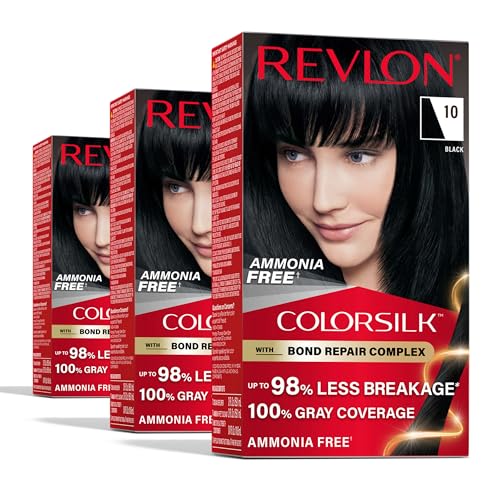
Revlon ColorSilk with Bond Repair 10 Black 3pk

Garnier Nutrisse Ultra Color B4 Golden Mahogany Brown

Wella COLORCHARM Demi Permanent Gloss

Pantene Sheer Volume Conditioner 25.1 fl oz
Meet The Standout Selections
Fine hair doesn’t need much persuasion to grab pigment, which is exactly why a deposit-only formula like this one works so well. Clairol’s Beautiful Collection is a semi-permanent option, meaning it lays color on top of the cuticle (the hair’s outer protective layer) without lifting your natural shade first. That makes it a low-commitment way to test a new tone, refresh faded ends, or add a soft tint between permanent sessions.
The formula runs straight from the bottle onto damp hair and processes at room temperature, so there’s no need for extra heat or sectioning clips. If you’re nervous about over-processing thin strands, the gentler approach feels easier to live with day to day.
Features That Help
- Deposit-only chemistry keeps natural pigment intact, which matters when fine hair is easily over-processed.
- No ammonia or peroxide, so the strand’s protein structure stays stronger through the service.
- Gluten-free and vegan-friendly, a sensible match for sensitive scalps.
- 25-minute room-temperature processing skips the fuss of foils or hood dryers.
- Tends to add visible shine on limp strands, which reads as more volume in person.
Things To Consider
- Won’t lift dark hair or cover resistant grays, so the shade shift stays subtle.
- Color fades after several weeks, meaning regular top-ups if you want consistency.
- Lacks a dedicated bond-building complex like the Revlon formula below.
Key Specs
Who It Suits Best
First-time color users and anyone wanting a low-commitment tone shift that won’t stress fine, thin strands.
Where Another Pick Suits Better
For full gray coverage on stubborn silver strands, the Revlon ColorSilk with Bond Repair 10 Black 3pk is the stronger match.
Where the Clairol gloss above plays it subtle, Revlon’s ColorSilk goes the other direction: full coverage with a built-in repair step. The Bond Repair Complex and vegan keratin fillers (plant-based proteins that patch weak spots in the hair shaft) work alongside the color to help rebuild broken bonds during the dye process. For fine hair that’s been bleached, heat-styled, or just brushed one too many times, that repair angle is a real differentiator.
The 10 Black shade runs deep and saturated, and the 3-pack format keeps a backup on hand for root touch-ups. Compared to most drugstore permanent dyes, the ammonia-free formula feels noticeably less harsh on the scalp during processing, which matters when you’re applying every four to six weeks.
A Favorable Mix
- Bond Repair Complex helps reinforce weak strands while color sets, so fine hair feels stronger after rinsing.
- Ammonia-free chemistry keeps the processing scent manageable in small bathrooms.
- 3-pack format stretches value across multiple touch-ups, useful for visible root regrowth.
- Vegan keratin fillers add a smoother feel on hair that normally tangles after coloring.
Trade Offs
- Permanent dye still lifts the cuticle, so strands with existing damage need extra conditioning care.
- The 10 Black runs very dark, which can read flat on thinner textures without a gloss layer.
- 3-pack size creates storage clutter for anyone tight on shelf space.
Made For
Shoppers with significant grays who want reliable coverage plus a bond-strengthening step in one box.
Look Elsewhere When
Anyone wanting a gentler, no-lift option should reach for the Wella COLORCHARM Demi Permanent Gloss instead.
Going darker on already-dark hair is where most permanent dyes fizzle out, but Garnier’s Nutrisse Ultra Color line is built specifically for that challenge. The B4 Golden Mahogany Brown delivers a warm, dimensional shift on naturally black or dark brown bases, layering mahogany red and golden reflect without bleaching first. The 2-count box gives you a backup session, which matters because the shade is formulated to hold its richness over many weeks.
Where this stands apart from the rest of the list is the included oil ampoule. You snap it, pour it into the bottle, and the mix of avocado, olive, coconut, argan, and shea oils adds slip and conditioning during processing. Fine hair that’s color-shy tends to drink that moisture up rather than feeling stripped afterward.
Noteworthy Benefits
- Engineered for dark bases, so the visible lift and tone come through without pre-bleaching.
- Snap-and-pour oil ampoule hydrates strands mid-process, useful for dry, fine textures.
- Reflective pigments add dimensional shine that helps thin hair read thicker.
Worth Noting
- 2-count box is more than a casual user needs if you’re only refreshing one shade.
- Permanent formula still requires full commitment once applied.
Key Specs
Best Suited To
Dark-haired shoppers wanting a noticeable warm shift without the damage of pre-lightening.
Not Your Match When
Anyone wanting a subtle, no-commitment refresh should consider the Wella COLORCHARM Demi Permanent Gloss.
Demi-permanent sits in the middle ground between deposit-only glosses and full permanent dye. It uses a low-volume developer (a gentle activating agent that opens the cuticle just enough for color to enter without lifting your base) to push pigment partway into the hair, so it tones, refreshes, and shifts slightly without the long-term commitment of a permanent formula. Wella’s COLORCHARM is a salon-favorite option that translates well to at-home use when you already know the shade family you want.
At 2 fluid ounces, the tube is sized for short to medium hair, so fine, thin strands get full coverage without half a bottle going to waste. It’s a smart pick for toning brassy ends, reviving salon color, or testing a slightly warmer or cooler direction before committing.
Standout Benefits
- Demi-permanent chemistry tones without lifting, so natural color stays mostly intact.
- Compact 2 fl oz size fits shorter, fine hair without leftover product going stale.
- Gloss finish adds visible shine, which reads as fuller on thin textures.
Honest Caveats
- Limited shade lineup means you may need to mix tones for a custom result.
- Won’t cover significant gray on its own, so it’s better as a refresher than a main color.
- At-home application takes some practice to avoid uneven saturation on very fine hair.
Who Should Grab It
Anyone wanting a between-session gloss to keep existing color bright and shiny.
Consider Something Else When
Shoppers needing full gray coverage from the start will get more from the Revlon ColorSilk 10 Black 3pk.
Color lasts longer when the hair underneath stays hydrated, and Pantene’s Sheer Volume is built for exactly that pairing. It’s a lightweight conditioner (meaning it won’t weigh strands down the way richer creams do) that targets fine, thin, color-treated hair. Pro-Vitamin B5 and antioxidants work into the strand to help with moisture retention, and the paraben-free formula keeps the ingredient list simple.
The 25.1 fluid ounce bottle is a real value for daily users. If you’re rotating any of the dye picks above, pairing them with this conditioner keeps strands from drying out and helps preserve the color payoff between full sessions. It also doubles as a gentle detangler on hair that’s gone through a permanent process.
Where It Delivers
- Lightweight formula won’t flatten fine hair the way richer conditioners often do.
- Pro-Vitamin B5 and antioxidants help maintain color-treated strands between sessions.
- Large 25.1 fl oz size stretches across many washes for daily users.
- Paraben-free formula keeps the routine simple for sensitive scalps.
Softer Spots
- Lightweight feel may not be moisturizing enough for very dry or coarse hair types.
- Designed to complement, not replace, your color treatment, so it can’t tone or refresh shade on its own.
The Right Fit
Anyone coloring fine hair regularly who wants a daily conditioner that won’t drag volume down.
Swap It Out When
Shoppers looking for actual color payoff should pair this with the Garnier Nutrisse Ultra Color B4 Golden Mahogany Brown.
What To Weigh Before Choosing Your Color
Fine hair and color have a complicated relationship. The same thin cuticle that grabs pigment fast also loses it fast, so the formula you pick shapes how often you’ll need touch-ups and how much wear your strands take along the way.
Permanent versus semi-permanent matters more than the shade name on the box. Permanent formulas lift the cuticle and replace pigment deep inside the shaft, which gives long-lasting coverage but also leaves fine hair more vulnerable if over-processed. Semi-permanent options sit on the surface and fade gradually over a few weeks, and demi-permanent splits the difference with a gentle developer. For most fine hair, starting gentler and working up is a sensible path.
Ingredient lists are worth scanning. Ammonia and peroxide aren’t deal-breakers, but formulas built without them tend to feel less stripping. Bond-repair complexes, keratin fillers, and oil blends help offset the chemical work happening during processing.
Real-world use scenarios matter. If you color every four to six weeks, the bond-repair angle pays off. If you only need a tone refresh between cuts, a demi-permanent gloss is enough. And whatever formula you choose, a lightweight, color-safe conditioner keeps the result looking full longer.
Key Considerations Across These Picks
Common Shopping Slip Ups
The biggest miss in this category is reaching for a permanent formula when a demi-permanent gloss would do. Fine hair that doesn’t need full coverage still gets the full chemical load, and the extra lift shows up as faster fade and rougher texture. The other frequent trap is skipping a dedicated color-safe conditioner. Standard conditioners often carry heavier silicones that coat fine strands, drag volume down, and dull pigment fast.
Where The Extra Money Goes
Higher-tier kits tend to bundle bond-repair chemistry, larger oil treatments, and multi-application counts. That extra spend buys fewer processing sessions, which means less cumulative damage on fine hair over a year. It also pays for richer pigment loads, so each box goes further on thin, sparse strands. The upgrade is worth it if you color often or fight stubborn grays. For occasional tone refreshes, a demi-permanent tube or semi-permanent bottle covers the need at lower cost.
Frequently Asked Questions
How often should fine hair be colored? Most stylists recommend every four to six weeks for root coverage and every six to eight for gloss refreshes. Fine hair holds pigment but loses it faster than thick hair, so shorter intervals are common.
Is permanent or semi-permanent better for thin hair? Semi-permanent is gentler since it doesn’t lift the cuticle, while permanent gives longer-lasting coverage. For thin hair that processes quickly, starting with semi-permanent helps gauge how strands respond before committing.
Do I need a special conditioner after coloring? Yes, a color-safe, lightweight conditioner helps maintain pigment and keeps fine hair from drying out. Heavier formulas can drag volume down and dull tone faster.
Can I cover gray hair with a demi-permanent formula? Demi-permanent handles blended or sparse gray well, but resistant or dense gray coverage usually needs a permanent formula with a bond-repair step.
What ingredients should fine hair avoid in dye? Heavy sulfates, strong alcohols, and high-ammonia formulas tend to strip fine strands faster. Bond-repair complexes and oil-based buffers help offset chemical processing.
Closing Remarks
Fine hair responds quickly to color, which is both the advantage and the trap. Starting with a gentle formula, watching how strands hold pigment over a few weeks, and pairing the result with a lightweight conditioner is the most reliable path. Match the formula to your coverage need, not just the shade name, and your hair will keep its volume while the color stays even.
