

A receding hairline changes how you think about a haircut. A short back-and-sides with a clean temple fade can pull the eye forward and create the look of a stronger front. Buzz cuts, textured crops, and well-blended necklines all share one trait: they put the haircut’s geometry to work, drawing attention to shape rather than density. The five picks below cover the tools that make those styles easier to land at home, from razor combs for texturizing to fiber sprays that disguise sparse temples between cuts.
The Main Contenders

Hair Illusion Black Real Hair Fibers for Thinning Hair (18g)

Facón Razor Comb for Hair Cutting (12 Blades)
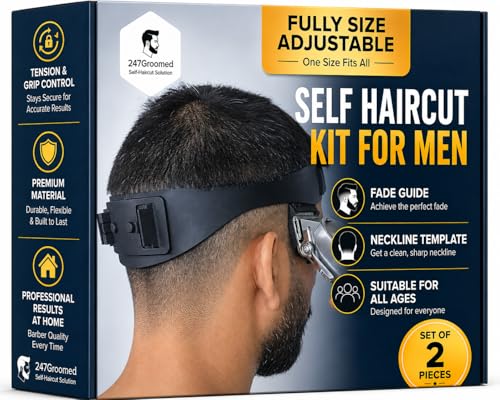
247 Groomed Self Haircut Kit (2-Piece)

Hair Illusion Spray Applicator Removable Flat Tip

Qwivo Enhancement Card for Barbers
Taking A Closer Look At The Options
Hair Illusion sits in a slightly different lane from the cutting tools on this list. Instead of clippers or combs, you get an 18-gram jar of keratin-based fibers (keratin is the same protein your hair is built from) that bond to existing strands through static charge, thickening the look of sparse areas around the temples and crown.
For a receding hairline, that means the front can read as denser in minutes, which pairs naturally with the short cropped or faded styles the other picks help you maintain. The fibers are marketed for both men and women, and they shake on rather than spray, which gives a soft, layered build-up on the hairline.
Notable Upsides
- Real-hair texture keeps the finish from looking powdery or chalky in daylight.
- Shaker application makes it easy to concentrate density along the temple points.
- Pairs well with a matte pomade or fiber cream for a textured crop that masks thinning at the front.
- Suitable for men and women who want subtle volume without committing to a styling routine change.
Things To Consider
- Static-bond fibers need a holding spray to stay put through wind, sweat, or hat wear.
- Application can feel slow on a fully slicked side where there’s almost no hair to cling to.
Right Fit For
Anyone with mild-to-moderate thinning at the temples who already keeps their hair short and wants a quick visual boost before a meeting or event.
Skip It When
You want a true cut rather than coverage. The 247 Groomed Self Haircut Kit is the better pick for shaping the actual hairline at home.
The Facón Razor Comb is a styling tool rather than a clipper. A double-edge blade sits inside a guard comb, so you can lift, slide, and slice to thin out bulk or add soft texture to a crop.
For a receding hairline, the value is control: a razor comb lets you soften the transition between longer top hair and a faded temple, which keeps the eye from landing hard on the bare area. It also handles split ends without taking length off, so the front stays thick-looking.
Standout Benefits
- Twelve replacement blades mean months of regular use before you need to restock.
- Dual-edge design supports both straight shaping and softer texturizing on a fringe.
- Compact size stores easily next to a clipper set, which makes it useful for weekly upkeep.
Worth Noting
- A razor comb takes practice; first-timers often cut too aggressively near the temple.
- Not a substitute for clippers when you want a clean skin fade or a defined neckline.
Feature Snapshot
Best Suited To
Men who already keep a textured crop or fringe and want a barber-style finish without a weekly chair visit.
Look Elsewhere When
You mainly need help with straight lines. The Qwivo Enhancement Card for Barbers gives cleaner edge-ups at the temple.
Cutting your own hair when the front is receding is mostly a neckline and temple problem. The 247 Groomed kit leans into that, with a two-piece setup: one guide for a clean neckline and another for shaping fades at the sides.
For someone maintaining a short back-and-sides between barber visits, those guides take the wobble out of self-trimming. The neckline tool stays put while you clip, so the line behind the ears reads even in the mirror.
Useful Highlights
- Stable neckline template reduces the guesswork behind the ears and across the nape.
- Fade guide helps keep the side taper consistent from temple to crown.
- Two-piece kit stores flat in a drawer, which suits small bathrooms and shared vanities.
Points To Note
- Works best on already short hair; longer tops still need a separate clipper approach.
- You supply the clippers, since the kit focuses on guides rather than cutting hardware.
Who Should Grab It
Self-cutters who want straighter necklines and cleaner side fades without booking a barber every two weeks.
Consider Something Else When
You want a full styling toolset. The Facón Razor Comb handles texturizing the fringe, which this kit doesn’t address.
The Hair Illusion Spray Applicator pairs with the brand’s fiber jar, but the applicator itself is a separate buy. Its job is precision: the flat tip directs fibers right at the front hairline, while removing the tip switches the nozzle to a round spray for broader coverage.
Compared to the shaker jar, this lets you build a sharper edge along the temple without scattering fibers onto the forehead. For a tight fade or a buzz cut where the hairline is the focal point, that control matters.
Where It Helps
- Flat-tip mode targets a receding temple without dusting the surrounding skin.
- Removable tip turns one applicator into two tools, depending on the area you’re filling.
- Reduces wasted fibers from over-shaking, which can stretch out a jar.
Trade Offs
- Does not include fibers, so it’s an add-on for existing Hair Illusion owners.
- Sprayer takes a few tries to calibrate for a clean, even line.
Whose Shelf It Belongs On
Anyone already using Hair Illusion fibers who wants a more deliberate application along the front hairline.
Reach For A Different Pick When
You haven’t started with fibers yet. The 18-gram Hair Illusion jar is the better entry point before buying the applicator.
The Qwivo Enhancement Card is a small, flat shield used during edge-ups. It blocks enhancement spray or fiber fallout from drifting onto areas you don’t want to treat, while the printed contour lines help you trace a straight or curved hairline.
For a receding front, that’s useful because the temple shape often has to be slightly rebuilt. The card gives you a reference edge, so the result looks intentional rather than guessed.
Where It Excels
- Combines straight and curved contour lines for a range of hairline shapes.
- Acts as a shield against overspray, which keeps the temple area clean during finishing.
- Rinses clean under running water, so buildup doesn’t transfer between sessions.
Less Ideal Details
- Works best alongside clippers and trimmers, since the card is a guide rather than a cutter.
- Smaller hands may find the card a touch wide for very narrow temple points.
Feature Snapshot
Who It Suits Best
Home groomers and barbers who edge up hairlines regularly and want a steadier hand along the temples.
Swap It Out When
You need full self-cut coverage. The 247 Groomed Self Haircut Kit handles the wider neckline and fade work this card doesn’t address.
What Actually Matters When Picking Tools For A Receding Hairline
Match The Tool To The Style You Already Wear
Short crops, buzz cuts, and skin fades all read well with a receding front, but each demands a different home setup. Razor combs serve a textured fringe, while fade guides help maintain a tight back-and-sides. Pick the tool that supports the cut you actually book at the barbershop, not the one you think you should learn.
Prioritize Hairline Control Over Bulk Cutting
Once the front starts moving back, the edge becomes the focal point. A neckline guide, a flat-tip fiber applicator, and an enhancement card all target the same zone: where the hair meets skin. Bulk clippers without that precision layer tend to leave fuzzy, uneven temple lines that draw attention to thinning.
Think About Maintenance Between Cuts
Most people with a receding hairline cut every two to three weeks, not weekly. Tools that store flat, rinse clean, or ship with replacement parts (like the Facón’s twelve blades) hold up to that rhythm. Anything that needs daily cleaning or special solvents usually ends up in a drawer.
Pair Coverage And Cutting For Best Results
Coverage fibers and cutting tools aren’t rivals. Shaking keratin fibers along the temple before a big event, then maintaining the shape with clippers and a guide the rest of the month, gives you a layered routine. The Hair Illusion jar and the 247 Groomed kit are built to live in the same bathroom.
Key Considerations Across These Picks
Pitfalls Shoppers Hit
Buying a clipper set when the real problem is the hairline. A full clipper kit handles length but won’t sharpen the temple edge. Look for a tool aimed at the front, whether that’s a guide, an applicator, or an enhancement card, before adding more cutting hardware. Also, skipping replacement blades or applicator tips leads to dull cuts and uneven coverage over time.
When Paying More Pays Off
Spending up on the Hair Illusion applicator or the Qwivo card earns you finer control along the front, which is the zone that matters most with a receding hairline. A basic shaker jar is enough for casual coverage, but the precision nozzle and edge shield justify their cost for anyone who styles the hairline more than once a week.
Frequently Asked Questions
Can a buzz cut actually help a receding hairline look better?
A short, even buzz cut removes the contrast between thinning temples and denser sides, so the front reads as a deliberate shape rather than a problem area. The catch is that scalp show-through becomes more visible, so pairing the cut with a fiber product or scalp-friendly sunscreen often helps.
How often should the temple and neckline be touched up at home?
Most people with a receding front refresh the temple and neckline every seven to ten days to keep the line crisp. Weekly upkeep with a guide tool usually beats waiting for a full cut, since the line grows out fast and small regrowth is what makes a hairline look unfinished.
Do razor combs damage thinning hair?
A razor comb cuts rather than pulls, so it doesn’t yank strands out at the root. Used gently on the top and fringe, it can soften bulk without thinning the area further. The risk comes from pressing too hard near the temple, where the hair is already sparse and more vulnerable.
Are hair fiber products safe for daily use?
Keratin-based fibers sit on top of the hair and wash out with shampoo, so daily use is generally low-impact on the scalp. A light hold spray locks them in, and most routines involve a quick rinse at the end of the day to keep the scalp clean.
What’s the easiest style to maintain with a receding hairline?
A short textured crop with a clean temple fade tends to be the lowest-effort option, since the fringe can be styled forward and the sides need only a weekly clipper pass. It’s also the style most forgiving of small mistakes during a self-cut.
Closing Remarks
The right tools make a receding hairline easier to manage, not something to hide. Start with the cut that suits your face shape, then add coverage or precision tools as needed. For most people, a fade guide and a fiber applicator cover the two big jobs: keeping the shape clean and the front looking full. Pick what fits your routine, and the rest falls into place.
