

Extremely dry hair doesn’t just look dull, it snaps, frizzes, and tangles the moment a brush touches it. The fix usually isn’t one miracle bottle but a small routine: a weekly mask, a leave-in that guards against daily friction, and an oil that seals everything in. This roundup covers eight options built for parched, overprocessed strands, from budget tubs to K-beauty treatments. Each entry breaks down what it does well, where it falls short, and who should reach for it first.
The Essentials At A Glance
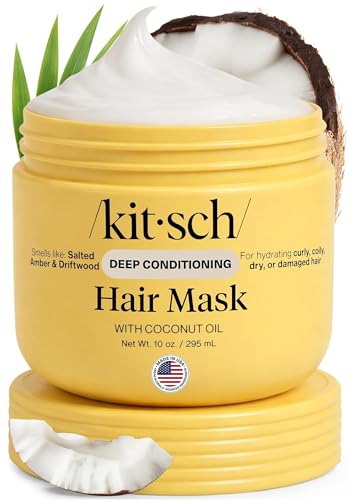
Kitsch Coconut Oil Hair Mask 10 oz

Arvazallia Hydrating Argan Oil Mask

Karseell Collagen Hair Mask 16.90 oz
MAREE Argan Keratin Biotin Hair Serum

Palmer’s Amino Bonding Hair Masque 2.1oz

Marc Anthony Grow Long Leave-In Spray
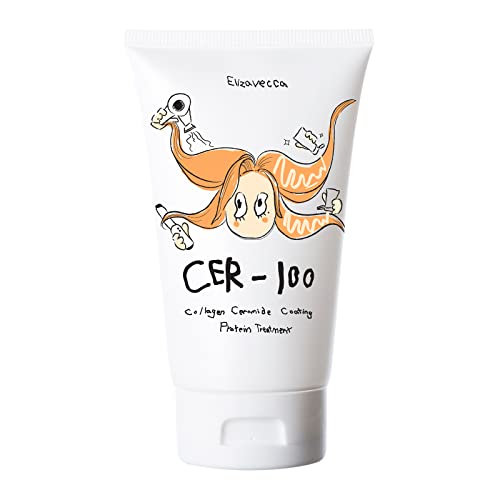
Elizavecca CER-100 Collagen Protein Treatment

Elizavecca CER-100 Hair Essence Oil 100ml
Why These Options Stand Out
A coconut-oil mask is about as straightforward as repair gets, and this 10-ounce jar keeps the routine simple. Slather it on mid-lengths and ends after shampooing, let it sit while you finish your shower, rinse, done. That low-effort rhythm suits anyone whose hair turns to straw after a week of blow drying.
The 10-ounce size lands between trial and bulk, so most people get a couple of months of weekly use per jar. Compared with the larger Karseell tub later in this list, it’s the more manageable commitment for a first deep-conditioner.
Useful Highlights
- Coconut oil base delivers the heavy moisture dry ends crave without a complicated ingredient story.
- Works as a once-a-week reset, which means one product can anchor your whole hydration routine.
- Mid-size jar keeps cost per treatment reasonable while still lasting through many washes.
- Simple rinse-out format means no leave-in residue weighing fine sections down.
Things To Consider
- Coconut-heavy formulas can feel too rich for fine or low-porosity hair, so start with a small amount.
- Jar packaging means you’ll scoop with wet fingers; keep water out of the tub to preserve texture.
Who It Suits Best
Anyone with thick, coarse, or heat-styled hair wanting a no-fuss weekly moisture ritual.
Reach For A Different Pick When
Fine-haired shoppers will likely prefer the lighter Marc Anthony Grow Long spray instead of a rich rinse-out mask.
This is the long-running argan-oil workhorse of the category, and its appeal comes down to compatibility. Sulfate-free and paraben-free formulas matter here because harsh sulfates strip moisture right back out of hair you’re trying to rehydrate. Permed, natural, curly, and color-treated heads are all listed as fair game.
Argan oil brings vitamin E and fatty acids to the cuticle, which is stylist-speak for smoother, shinier strands that bend instead of snap. Owners commonly report softer texture after the first few uses, though results depend heavily on how damaged your starting point is.
The Good Stuff
- Sulfate-free formula won’t undo the moisture you just added during washing.
- Argan oil nourishes with vitamins and nutrients that support elasticity and shine.
- Safe across permed, natural, and curly textures, so households can share one tub.
- Deep-conditioning action targets overprocessed hair specifically, not just general dryness.
Worth Noting
- As a rinse-out mask it needs five-plus minutes of dwell time, which adds minutes to shower routines.
- Some users find the scent noticeable; sensitive noses may want to check before committing.
At A Glance
Made For
Shoppers with chemically treated or color-processed hair who want a gentle, widely compatible deep conditioner at a sensible spend.
Where Another Pick Shines
Anyone chasing bond-repair technology rather than oil-based conditioning should look at Palmer’s Amino Bonding Masque instead.
Where the Arvazallia tub covers the basics, Karseell stacks the deck: collagen plus coconut oil, argan oil, avocado oil, and shea butter all appear on the label. That blend reads like a salon backbar in a home-use jar, aimed squarely at dry, frizzy, chemically processed lengths.
The 16.90-ounce size is the real differentiator. Weekly maskers who go through smaller jars in two months can stretch this one considerably longer, which changes the value math entirely. One caution worth flagging: the brand itself notes fine hair should proceed carefully, since rich oils can flatten delicate strands.
Strengths Worth Knowing
- Five conditioning agents (collagen, coconut, argan, avocado, shea) cover moisture, slip, and softness in one pass.
- Large tub supports twice-weekly use without constant repurchasing.
- Labeled safe for color-treated and chemically processed hair.
- Designed for lengths and ends, applied away from the scalp, which helps roots stay lifted.
Potential Sticking Points
- Fine hair needs a light hand; over-application commonly leaves limp results.
- Big tubs demand shelf space and clean, dry scooping habits to keep the formula fresh.
Feature Snapshot
Right Fit For
Thick, frizz-prone, or heavily colored hair that drinks masks quickly and rewards generous application.
Swap It Out When
Fine or easily weighed-down hair will do better with the Kitsch Coconut Oil Mask used sparingly, or a leave-in like the MAREE serum.
Masks repair on wash day; serums protect every other day. This MAREE oil sits in the styling aisle, blending argan oil with keratin (the protein hair is literally made of) and biotin, a B vitamin often included in strengthening formulas. A few drops through damp or dry ends tame frizz and add gloss without a second rinse.
Curly and wavy textures tend to get the most out of oils like this, since frizz control is mostly about sealing the cuticle against humidity. You may find the finish slightly richer than a true lightweight serum depending on how much you apply, so start with less than feels necessary.
Noteworthy Benefits
- Argan oil base smooths flyaways and adds shine within seconds of application.
- Keratin and biotin support strands feeling stronger and more resilient over time.
- Leave-in format means protection lasts between washes, unlike rinse-out masks.
- Doubles as a finishing gloss on styled hair, useful before events or photos.
Small Caveats
- Oils near the scalp can look greasy; concentrate on mid-lengths and ends only.
- Very fine hair may need just one drop to avoid heaviness.
Who Will Love This
People with curly, frizz-prone, or humidity-reactive hair who want daily polish between weekly mask sessions.
Another Choice May Suit
Those focused on scalp care alongside length care may prefer the Elizavecca CER-100 Essence Oil, which addresses roots directly.
Bond builders are the newer branch of hair repair: instead of coating strands, they target the internal disulfide bonds broken by bleach and heat. Palmer’s version pairs that bonding approach (arginine, biotin, collagen) with familiar moisturizers like coconut oil and vitamin E, so you get structure support and surface softness together.
The 2.1-ounce size is the honest trade-off here. It’s genuinely portable, gym-bag and carry-on friendly, but heavy users will empty it fast. Think of it as a concentrated booster or a travel companion rather than your mainstay tub.
Benefits That Matter
- Bonding technology with arginine, biotin, and collagen targets damage beneath the surface.
- Coconut oil and vitamin E seal in hydration and calm frizz on top.
- Tiny footprint fits carry-ons and gym kits without a second thought.
- Highly concentrated formula means a little product goes a long way per session.
Points To Note
- Small volume makes it costly as a sole weekly mask for long, thick hair.
- Bond builders work best alongside a moisture product, not instead of one.
Quick Facts
Whose Shelf It Belongs On
Bleached or frequently heat-styled hair that wants targeted bond repair in short bursts, especially travelers.
Look Elsewhere When
Volume-focused mask users should grab the Karseell Collagen Mask, whose 16.90-ounce tub handles regular sessions far better.
Dry hair breaks fastest at the comb, and this spray exists to stop exactly that. Mist it onto damp strands and the detangling slip lets a wide-tooth comb glide through knots that would otherwise snap off. The 8.45-ounce bottle lives happily on a bathroom ledge or in a gym duffel.
The formula leans on biotin, caffeine, and ginseng in an anti-breakage blend marketed toward growing hair longer. Honest framing: no spray makes hair grow faster, but reducing breakage does help length you grow actually survive. As a daily guard between wash days, it earns its spot.
Features That Help
- Spray-on detangling cuts breakage from brushing wet, vulnerable hair.
- Biotin, caffeine, and ginseng form a strengthening blend aimed at longer-looking hair.
- Leave-in conditioning hydrates throughout the day without rinsing.
- Lightweight mist suits fine hair that masks tend to weigh down.
Less Ideal Details
- Hydration depth can’t match a rinse-out mask; pair it with one for severely parched hair.
- Spray coverage on very thick hair takes several pumps per section.
Core Details
Who Should Grab It
Rushed mornings, fine-to-medium hair, and anyone whose knots cause visible snapping during detangling.
Not Your Match When
Deep weekly repair calls for the Elizavecca CER-100 protein treatment, which rebuilds rather than protects.
This little Korean bottle became a cult item for one reason: speed. Ceramide-3 (a lipid that helps seal the hair’s outer layer) and collagen get five minutes to work, then rinse out. Heat-styled and sun-exposed hair is the stated target, and the 100ml size suits treatments spaced a week or two apart.
Protein treatments come with a real caveat, though. Overdoing them leaves hair stiff and brittle, the opposite of the goal. Balance is the whole game here, alternating with a moisture mask like the Arvazallia argan tub keeps both sides of the equation fed.
What Earns Its Place
- Five-minute processing fits into any shower, no scheduling required.
- Ceramide-3 and collagen address damage from intense heat and sun exposure.
- Compact 100ml bottle stores easily and travels well.
- Suits all hair textures, per the brand’s own guidance.
Honest Caveats
- Protein overload is a commonly reported issue when used too often; alternate with moisture masks.
- Small volume runs out faster than tub-format masks for long hair.
Product At A Glance
The Right Fit
Frequent flat-iron or blow-dry users needing a fast structural reset between moisture sessions.
Where A Sibling Pick Shines
Dryness without heat damage points toward the Kitsch Coconut Oil Mask, which hydrates without adding protein load.
The rinse-out CER-100 treatment has a leave-in sibling, and this essence oil extends the same ceramide-and-collagen system into daily territory. What separates it from the MAREE serum earlier in the list is scope: the brand describes a root-care-plus-hair-care approach, so application can extend closer to the scalp than typical oils allow.
Vitamin E rounds out the formula, and the 100ml dropper-style bottle dispenses small amounts cleanly. In humid summers or dry winter air alike, a few drops on damp hair each morning keeps ends from reverting to straw between wash days. All hair types are listed as compatible.
Practical Pluses
- Leave-in format delivers continuous conditioning between washes.
- Root-and-length dual approach covers scalp area most oils avoid.
- Vitamin E content supports a healthy-looking shine.
- Same CER-100 system as the rinse-out treatment, so the two layer coherently.
Details To Watch
- Even scalp-friendly oils need restraint at the roots to avoid buildup over weeks.
- Results build gradually; expect softness gains over repeated use rather than overnight change.
Essential Details
Built With In Mind
Daily-routine people who want one lightweight oil handling ends, mid-lengths, and root freshness in a single step.
Consider Something Else When
Weekly intensive repair remains the goal, in which case the Elizavecca CER-100 rinse-out treatment delivers more concentrated action.
Choosing Wisely For Parched Strands
Match The Format To Your Week
Rinse-out masks deliver the deepest hit but demand ten extra shower minutes. Leave-in sprays and oils trade intensity for convenience, protecting hair daily instead of rescuing it weekly. Commuters and parents juggling mornings usually stick with leave-ins and save masks for weekends.
Read The Ingredient Story
Oils like argan and coconut bring lipids that smooth the cuticle, while proteins such as keratin and collagen reinforce structure. Very dry hair usually needs both, sequenced rather than mixed. Protein-heavy products used alone can stiffen strands, so balance matters more than potency.
Respect Your Texture
Fine hair flattens under rich butters and heavy oils, so lightweight sprays and sparing doses win there. Thick, coarse, or tightly curled hair absorbs far more product before feeling greasy. Porosity, how readily hair absorbs moisture, explains why identical routines land differently on two people.
Size And Habit Math
A 2-ounce masque suits travel and experimentation; a 17-ounce tub suits committed weekly maskers. Buying the wrong size either wastes money or forces constant repurchasing. Estimate your usage honestly before choosing between formats.
Key Considerations Across These Picks
Traps First Timers Fall Into
The classic error is stacking three protein products at once and wondering why hair feels crunchy. Another common misstep: applying mask to soaking-wet hair, which dilutes it before absorption starts. Towel-damp strands take conditioners better. Skipping the ends, where dryness actually lives, wastes most of the product.
When Paying More Pays Off
Higher-tier formulas typically concentrate actives, add bond-building technology, or source multiple complementary oils. That complexity shows up in results for bleached or repeatedly heat-styled hair. Undamaged hair rarely notices the difference, so match spend to actual damage level rather than label prestige.
Frequently Asked Questions
How often should extremely dry hair use a mask?
Once weekly is the standard starting point for most textures. Heavily processed hair often tolerates two sessions, watched closely for heaviness.
Can I use a hair oil and a leave-in spray together?
Yes, layered lightest to heaviest works best. Apply the spray first, then seal with a few drops of oil on the ends.
Why does my hair feel worse after protein treatments?
That stiffness signals protein overload from too-frequent use. Alternate with a moisture-focused mask to restore flexibility.
Are sulfate-free formulas really necessary for dry hair?
Sulfates strip oils aggressively, undoing conditioning work. Gentle cleansers help dry hair hold onto whatever moisture it gains.
Should masks be applied to the scalp?
Most masks target lengths and ends, where damage concentrates. Scalp application mainly risks greasiness without benefit.
Closing Remarks
Dry hair responds to consistency, not heroics. Pick one mask that matches your texture, add a leave-in for daily defense, and give the routine six to eight weeks before judging results. Start with the option that fits your calendar first, your wishlist second. Small habits, kept up, beat occasional grand gestures every time.
