

Split ends usually show up at the worst time, after heat styling, color sessions, long commutes, or a week of rough brushing. This roundup focuses on hair products split ends shoppers can actually use at home, from lightweight serums to richer leave-ins and bond-building treatments.
You’ll see options for fine hair, color-treated lengths, dry ends, and more damaged hair that needs a calmer routine. The right match depends on how much slip, softness, and heat support your hair needs, and how much weight you’re willing to put up with.
Quick Look At The Shortlist

Pantene Miracle Rescue Regenerative Hair Oil 2.0 FL Oz

Dove Damage Therapy Intensive Repair Serum + Oil Hair Spray 3.9 oz

amika the closer instant split-end seal cream

Kenra Triple Repair Split End Mending Serum

Pureology Strength Cure Dream Healer Hair Serum For Damaged Hair
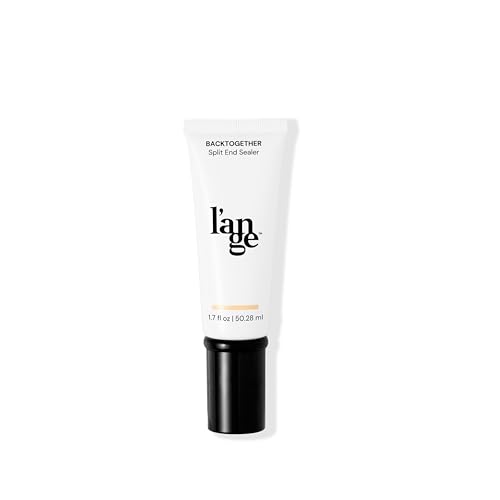
L’ANGE HAIR Backtogether Split End Sealer 1.7 oz

REVLON ColorSilk After Color Shielding Hair Serum 4 fl oz

Oribe Hair Alchemy Bond Building Leave-In Treatment 3.4oz

Split End Mender Hair Serum 70ml
More Details On Our Top Picks
Pantene takes a more treatment-first angle here, with a silicone-free oil that aims to feel nourishing without the heavy coat some oils leave behind. That matters most for dry, rough lengths that need softness but still need movement.
You also get a vitamin-rich formula built for visible damage, so it fits wash-day routines and midweek touchups alike. The trade-off is simple: a lighter oil can suit fine to medium hair well, while very coarse strands may want something richer layered on top.
Strong Points
- Silicone-free formula keeps buildup lower than many gloss-style oils.
- Works well for adding softness to parched ends.
- The lighter finish suits daily use without making lengths feel coated.
- Useful for commuters and heat-styling routines that leave hair rough by evening.
Things To Consider
- Very dry, thick hair may want a denser cream layered with it.
- Oil textures can still be easy to overapply, so start small.
- Glass or plastic packaging details are not provided here, so storage preferences are hard to judge from the listing alone.
Feature Snapshot
Who It Suits Best
You’ll like this most when your hair needs everyday softness and you prefer a lighter oil over a rich mask.
A Better Fit Elsewhere
Dove Damage Therapy Intensive Repair Serum + Oil Hair Spray suits you better when you want faster application on damp or dry hair with less hand work.
This spray leans into convenience, because a bi-phase formula mixes oil and serum in one bottle for a quicker routine. Shake, mist, and move on, which suits busy mornings or anyone who dislikes spreading product through their hands.
The claimed one-minute care angle and targeted mid-lengths-to-ends application make it easy to picture on color-treated hair that needs shine without a heavy finish. The honest read is that ultra-light sprays can feel less rich than creams, but that lighter touch is exactly why many people reach for them.
What We Like
- Bi-phase format gives you serum comfort with spray-on ease.
- Works on damp or dry hair, which helps between washes.
- Light misting fits fine hair that gets weighed down quickly.
- Useful for softening frizz around ends after heat styling.
Worth Noting
- You need to shake it well each time so the two phases blend.
- The spray approach may feel less precise than a cream for very damaged tips.
- Large nozzle style can matter for storage and use in a crowded vanity drawer.
Core Details
Who It Suits Best
You’ll get the most from this choice when you want split-end care that slips into a fast morning routine.
A Better Fit Elsewhere
Pureology Strength Cure Dream Healer Hair Serum fits better for you when damaged hair also needs heat support and a richer leave-in feel.
amika takes the cream route, and that makes sense for split ends that need targeted smoothing instead of a misted finish. A cream usually gives you more control through the last few inches, which can help on textured, thick, or frizz-prone hair.
Compared with the lighter Dove spray, this style feels more hands-on and a bit more deliberate, which some people prefer for evening routines. The trade-off is that creams can ask for a lighter touch near the roots, especially on finer hair that hates extra weight.
Highlights
- Cream texture helps you place product right on stressed ends.
- Good for smoothing the look of rough, uneven tips.
- Feels more controlled than a spray in dense or curly hair.
- Useful after blow-drying, since the last section of hair usually needs the most help.
Small Caveats
- Cream formulas need careful dosing so they don’t feel heavy.
- Fine hair may prefer a lighter serum from this list.
- Without detailed source specs here, maintenance notes stay limited to normal cream-product habits like keeping the cap clean.
Details At A Glance
Who Will Love This
You’ll appreciate this most when you want a cream you can smooth only onto the driest lengths.
A Better Fit Elsewhere
Dove Damage Therapy Intensive Repair Serum + Oil Hair Spray works better for you when quicker application matters more than extra control.
Kenra’s serum name tells you the focus right away, this is built around mending split ends rather than acting like a general styling gloss. That makes it a neat fit for people who already know where the problem sits and want a product aimed straight at those weaker tips.
In day-to-day use, that focused approach usually appeals to anyone who likes a simple finishing step after brushing or heat styling. The catch is that very narrow, targeted products can feel a little less all-purpose than a richer leave-in such as Pureology’s serum.
Reasons To Buy
- Clear split-end focus keeps the routine straightforward.
- Easy to place on the last few inches of hair.
- Good fit for people who want a dedicated serum instead of a multitasker.
- Pairs well with low-maintenance morning styling.
Room For Improvement
- Details are sparse in the source data, so texture and finish take a step back from certainty.
- Dedicated serums can be less versatile than leave-ins for very dry hair.
Quick Facts
Right Fit For
You’ll want this when your routine needs a focused serum for the ends and not a heavier leave-in.
Another Choice May Suit
L’ANGE HAIR Backtogether Split End Sealer fits better for you when a lighter leave-in conditioner feel matters more than a pure mending serum.
Pureology moves deeper into repair-minded territory, with a leave-in serum aimed at damaged hair that also handles heat up to 450°F. That heat-protectant role matters for anyone who blow-dries, straightens, or curls often and wants one step that does more than just add shine.
The formula is also presented as vegan, sulfate-free, paraben-free, and free of mineral oils, which narrows the feel toward a cleaner, lighter style of care. The trade-off is that premium leave-ins can feel more like a committed routine than a casual touchup, especially compared with the simpler Kenra serum or Dove spray.
Upsides
- Combines split-end care with heat defense in one step.
- Designed for damaged hair that needs extra support after styling.
- Lightweight feel suits people who dislike greasy residue.
- Works well for color-treated lengths that need softness and elasticity.
- The full routine angle pairs neatly with matching shampoo, conditioner, and mask use.
Areas To Watch
- Best results depend on consistent use, not a one-off application.
- Very fine hair may need a careful hand with any strengthening serum.
- The listing points to system use, so solo use may feel less complete than the full lineup.
Technical Sheet
Best Suited To
You’ll get the most from this serum when heat styling is part of your week and damaged hair needs a more structured repair step.
Look Elsewhere When
Dove Damage Therapy Intensive Repair Serum + Oil Hair Spray suits you better when you want a quicker, lighter routine with less emphasis on a full care system.
This one is built for people who want a smaller bottle and a leave-in feel rather than a heavy treatment cream. The 1.7 oz size makes it easy to tuck into a gym bag or carry-on, and that’s handy for trips where your ends dry out fast.
Because the source data focuses on it as a leave-in conditioner for breakage repair and frizz control, you can think of it as a softening step with practical travel appeal. Compared with the more feature-heavy Pureology serum, it looks simpler and easier to keep around for everyday touchups.
Best Bits
- Small bottle makes sense for travel and tight bathroom storage.
- Leave-in format suits hair that likes a lighter conditioning touch.
- Frizz control and breakage care make it useful in humid or dry air.
- Easy to slot into a minimal routine after washing.
Honest Caveats
- A compact size means you may refill or replace it sooner than larger bottles.
- Smaller packaging can matter more for value-minded shoppers who use serum daily.
Feature Card
Whose Shelf It Belongs On
You’ll appreciate this most when you need a compact leave-in that can travel with you and handle the ends.
Where A Sibling Pick Shines
Pantene Miracle Rescue Regenerative Hair Oil fits better for you when you want a lighter oil format with a little more product volume.
REVLON aims this serum at color-treated hair, which makes the positioning easy to understand for anyone whose lengths feel drier after coloring. The “shielding” angle also suggests it’s meant to be a post-color step that helps smooth frizz and support the look of repaired ends.
That makes it a sensible middle-ground option, broader than a pure split-end mender but more focused than a simple shine oil. One thing worth considering is that color-care products often fit best as part of a steady routine, not as a one-day rescue.
Bright Spots
- Built with color-treated hair in mind, which narrows the fit in a helpful way.
- Serum format makes it easy to smooth through mid-lengths and ends.
- Works well as a finishing step after salon color or at-home dye sessions.
- The 4 fl oz size gives you more cushion for regular use.
Points To Note
- Color-focused formulas may feel more specific than people with untouched hair need.
- Larger bottles take up more shelf room than the compact L’ANGE option.
Spec Overview
The Right Fit
You’ll like this best when your hair is color-treated and you want a serum that feels tailored to that routine.
Skip It When
Pantene Miracle Rescue Regenerative Hair Oil suits you better when you want a simpler oil with a lighter treatment feel.
Oribe steps up the repair conversation by focusing on bond building, which means the treatment is aimed at the internal structure of hair, not just the surface feel. Bonds are the links that help hair stay together, so a bond-building leave-in matters most when strands feel fragile, processed, or prone to snapping.
The formula also leans on amino acids and time-release delivery, so it’s built to feed hair gradually rather than all at once. That approach feels more technical than Pantene or Dove, and the trade-off is a more premium routine that makes the most sense for hair that truly needs stronger support.
Standout Traits
- Targets internal strength, not only the outer feel of hair.
- Time-release approach suits people who prefer gradual conditioning support.
- Good match for weak, fragile, or chemically processed hair.
- Amino acids help frame it as a strengthening leave-in.
- The 3.4 oz size is balanced for routine use without feeling oversized.
Minor Gripes
- The bond-building angle may be more than casual split-end care needs.
- Premium positioning usually asks for a more committed routine.
- People who want a quick spray may prefer Dove instead.
Feature Rundown
Built With In Mind
You’ll get the most from this if your hair feels weak, fragile, or chemically stressed and you want a stronger repair step.
Reach For A Different Pick When
Kenra Triple Repair Split End Mending Serum suits you better when you want a simpler, more focused serum without the bond-building emphasis.
This serum keeps the pitch straightforward, which can be refreshing in a category full of layered treatment claims. The 70ml size and lightweight, non-greasy positioning make it feel like a simple maintenance product for frizz-prone ends and dry lengths.
It sits closer to the practical end of the range than Oribe or Pureology, so it’s easy to picture for everyday upkeep rather than a more elaborate repair ritual. The honest trade-off is that a basic, no-frills formula often appeals most to people who want function first and fewer bells and whistles.
Best Bits
- Lightweight feel suits hair that gets weighed down fast.
- Non-greasy finish helps it work as a daily touchup.
- Compact 70ml size is easy to store or pack.
- Simple split-end focus makes the routine feel direct.
Areas To Watch
- Source details are thin, so material and formula nuance are limited here.
- Basic presentation may feel less feature-rich than premium leave-ins.
Core Details
Who Should Grab It
You’ll like this most when you want a plainspoken leave-in serum for routine split-end care and light frizz control.
Swap It Out When
Oribe Hair Alchemy Bond Building Leave-In Treatment fits better for you when you want a more advanced strengthening step for fragile hair.
How To Choose The Right hair products split ends
Match The Format To Your Routine
Serums, oils, creams, and sprays each solve the same problem in a different way. A spray like Dove suits quick morning styling, while a cream like amika gives you more control on ends that need direct placement.
Leave-in treatments stay in the hair after washing, so they work well for people who want ongoing softness instead of a rinse-out step. Oils like Pantene often suit dry lengths that need slip, while richer repair formulas lean toward hair that has been heat-styled or color-treated often.
Look Closely At Hair Texture And Damage Level
Fine hair usually does better with lighter formulas and small amounts, because heavy products can flatten the finish fast. Thick, coarse, or curly hair often benefits from creams or more substantial serums that can reach the driest ends.
Damage level matters just as much. Split ends that mainly look rough may only need a smoothing finish, while fragile or processed hair may call for bond-building support like Oribe or a repair serum with heat help like Pureology.
Think About Heat, Color, And Frizz
Hair that sees a flat iron or blow-dryer often needs more than shine, because heat can make ends feel brittle over time. A product with stated heat support matters most in that routine, and Pureology is the clearest example in this group.
Color-treated hair also changes the equation, since post-color dryness can make split ends more visible. REVLON’s color-focused serum makes sense there, while Dove stays broad enough for people who want frizz control without narrowing the routine too much.
Pay Attention To Finish And Maintenance
Non-greasy formulas are helpful for daily wear, especially in office settings or humid climates where heavy product tends to show. Smaller bottles suit travel and occasional use, while larger sizes make more sense for a steady at-home routine.
There’s also a practical side to upkeep. Sprays need a quick shake, creams need careful dosing, and oils often reward a lighter hand than first-time users expect.
Things Worth Knowing First
Common Shopping Slip Ups
One common mistake is choosing by the word “repair” alone without checking the texture. A rich oil, a leave-in conditioner, and a spray all behave differently on your ends, so the finish matters as much as the promise.
Another misstep is overbuying strength when your hair mainly needs smoothing. Fragile, heat-stressed hair may want a bond builder, but everyday frizz usually responds better to a lighter serum or oil.
Why Top Tier Costs More
Higher-tier options often layer in more specialized ingredients, more focused delivery systems, or support for heat styling and bond care. That’s why products like Oribe and Pureology sit above simpler finishers in both intent and routine complexity.
You pay for narrower targeting, a more deliberate feel, and in some cases a more complete care system. That upgrade makes sense when your hair is processed, brittle, or regularly exposed to hot tools, but it’s not necessary for every head of hair.
Frequently Asked Questions
What kind of product helps split ends most?
Leave-in serums and treatments usually fit best because they stay on the hair and soften rough ends. Oils and creams can help too, depending on whether you want light slip or a richer finish.
Do sprays work as well as creams?
Sprays work faster and feel lighter, which helps in daily routines. Creams usually give you more control on the damaged ends and can feel better on thicker hair.
Can you use these products on color-treated hair?
Yes, several options in this list suit color-treated hair, including Dove and REVLON. A color-friendly formula helps you keep the routine simpler after dyeing.
What matters most for fine hair?
Lightweight texture matters most, because heavy products can flatten fine strands fast. A spray or a small amount of serum usually fits better than a dense cream.
Do stronger formulas help heat-styled hair more?
They often do, especially when the product also includes heat support. Hair that sees a blow-dryer or iron regularly tends to benefit from a more focused leave-in rather than a basic shine product.
Closing Thoughts
You’ve got a solid range here, from quick sprays to richer repair serums and bond-building leave-ins, so the best match depends on how your hair behaves day to day. For a lighter routine, Dove or Pantene make sense. For more involved damage, Pureology and Oribe move closer to serious repair support. Choose the texture you’ll actually use consistently, and your split ends will have a better chance of staying out of the spotlight.
