

Stubborn dark spots rarely fade from one ingredient alone. Vitamin C serums tackle the pigment side of the equation by interrupting melanin production at the source, and layering them under sunscreen tends to give the most consistent results over weeks of daily use. The five formulas below represent different angles on that goal, from lightweight everyday drops to concentrated capsules built for short, focused routines.
The Choices Worth Comparing

Good Molecules Vitamin C Serum with Oryzanol 1 fl oz
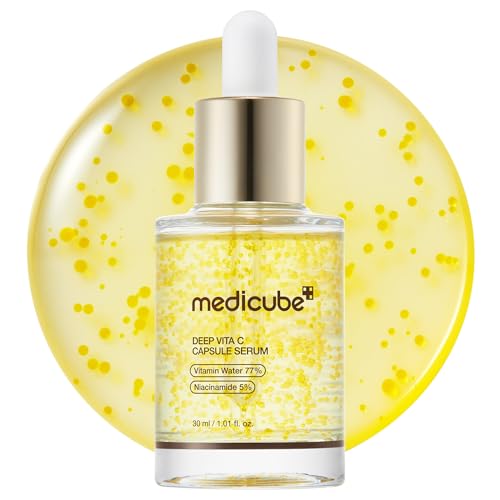
medicube Deep Vitamin C Capsule Serum 1.01 fl oz

VALITIC Vitamin C Serum for Face, Dark Spots 1 fl oz

Neutrogena Collagen Bank 15% Vitamin C Face Serum 0.5 fl oz
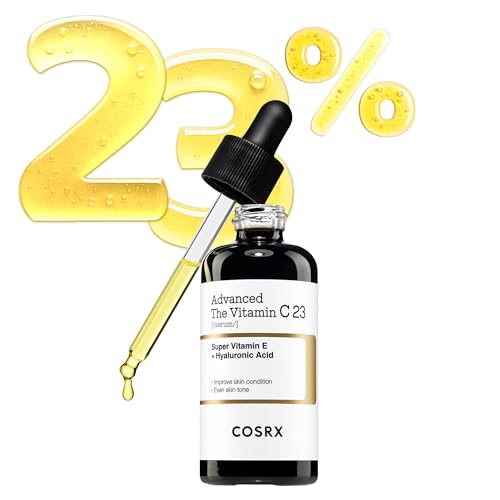
COSRX 23% Pure Vitamin C Serum with Vitamin E, Glutathione 0.7 oz
More On The Choices That Made The List
The Good Molecules entry takes a measured approach, pairing ascorbic acid (the active form of vitamin C known for direct pigment interference) with kojic acid ester and oryzanol, a rice-bran extract that adds a second layer of brightening. The texture reads as a thin, water-light fluid that disappears into damp skin within a few seconds, which makes it a sensible introduction for anyone easing into acids for the first time.
You get a 1 fl oz dropper bottle, and a few drops cover the full face. The formula layers cleanly under moisturizer and sunscreen, so a basic morning routine stays simple. For shoppers who want brightening support without committing to a high-percentage serum right away, this one lands in a comfortable middle ground.
Strengths Worth Knowing
- Two brightening pathways in one bottle, so you do not have to chase separate serums
- Lightweight finish that does not pill under makeup or sunscreen
- Dropper format keeps dosage consistent and limits waste
- Gentle enough to slot into a routine that already includes a mild exfoliant
Things To Consider
- The clear bottle means the formula can oxidize over time, so storing it in a dark, cool spot tends to extend shelf life
- Not the right match for users who want a high-strength single-acid treatment
Who It Suits Best
First-time vitamin C users with mild unevenness, oily or combination skin, and routines built around a gentle daily moisturizer and sunscreen.
Where Another Pick Suits Better
Shoppers wanting a more clinical-strength option should look at the Neutrogena Collagen Bank 15% formula, which carries a higher L-ascorbic acid concentration aimed at firmer, more stubborn pigment.
Where the Good Molecules formula spreads brightening across two ingredient families, medicube concentrates on purity. The brand cites 99% high-purity vitamin C housed inside liposome capsules, a delivery system that encases the active in tiny lipid shells so it releases gradually on contact with skin. In practice, that means less sting on application and a more even spread of the dose across the face.
The 1.01 fl oz format comes in a pump-style bottle, which helps limit air exposure and oxidation between uses. You get a serum that feels like a soft gel-cream, and it absorbs without leaving a film. For routines that target a few specific dark patches rather than full-face tone, the encapsulated approach keeps each application predictable.
What It Does Well
- Liposome delivery slows oxidation, so each pump stays fresh longer than open-dropper formulas
- Concentrated purity suits spot-focused routines on cheeks, jawline, or temples
- Non-tacky finish that works under a morning moisturizer without balling up
Worth Noting
- The encapsulated format can feel thicker than a watery serum, which may not appeal to oily skin in humid weather
- Pump mechanisms can clog if the product sits unused for weeks, so a quick test press before each use helps
Made For
Shoppers dealing with specific dark patches who prefer a measured, capsule-style approach over a sweeping full-face application.
Look Elsewhere When
If a fully transparent, featherlight fluid sounds more appealing, the Good Molecules serum or the VALITIC dropper option will feel closer to what you expect from a traditional vitamin C step.
VALITIC leans into a botanical angle by combining vitamin C with turmeric and a Japanese-inspired complex, the latter typically a blend of brightening plant extracts and humectants. That mix gives the serum a faint yellow tint, which fades as the product sinks in. The texture is genuinely light, so it behaves well in a fast-paced morning lineup.
For shoppers who wear foundation or tinted sunscreen, the non-greasy finish is the real selling point. The 1 fl oz dropper bottle costs less than many clinical-strength options, and the formula layers over hyaluronic acid or niacinamide without separating. The honest read is that this is a workhorse pick for daily brightening, not a heavy-duty pigment eraser.
Positive Points
- Turmeric adds a calming counterweight to the vitamin C, which can help reactive skin types
- Absorbs in under a minute, so morning routines stay on schedule
- Plays nicely under tinted moisturizer, foundation, and silicone-based primers
Trade Offs
- Turmeric can transfer a yellow cast on white pillowcases if applied too liberally at night
- The botanical blend smells faintly herbal, which may not appeal to fragrance-sensitive users
- Lower active concentration compared to single-purpose clinical serums
Right Fit For
Busy morning routines, combination skin, and anyone who wants brightening support in a single budget-friendly step before makeup.
Skip It When
Users with deeply set post-acne marks may want to step up to the COSRX 23% formula for a stronger, more direct ascorbic acid dose.
Neutrogena aims at pigment and firmness in one bottle by combining 15% pure vitamin C, a micro-peptide complex, and 2% PHA, which is a polyhydroxy acid that exfoliates more gently than glycolic. The small 0.5 fl oz size reflects how concentrated the formula is, and the dropper keeps the dose exact. This is the clinical-leaning pick in the lineup, suited to routines that already include retinol or other actives.
You can expect a slightly thicker fluid that still absorbs cleanly. Because PHA works at the surface, the serum can support smoother texture alongside the deeper pigment work that vitamin C handles. For shoppers with mature skin, sun spots, or post-inflammatory marks, the combination reads as a multi-angle approach rather than a single-trick brightener.
The Good Stuff
- 15% L-ascorbic acid sits in a clinical range that addresses both pigment and dullness
- Micro-peptide technology supports firmness, so tone and texture improve in parallel
- PHA offers a milder exfoliating step that fits sensitive or reactive skin better than AHAs
- Allergy-tested and non-comedogenic, which matters for acne-prone skin types
Honest Caveats
- The 0.5 fl oz bottle runs out faster than the larger options, so plan to reorder within a couple of months
- Higher L-ascorbic acid percentages can tingle on freshly exfoliated skin, so spacing it from acids helps
Who Should Grab It
Shoppers with mature or sun-damaged skin who want pigment correction and firmness support in a single dermatologist-oriented step.
Reach For A Different Pick When
Beginners who have not used vitamin C before will likely find the Good Molecules formula a friendlier entry point before graduating to this strength.
COSRX takes the strongest position in this roundup with a 23% ascorbic acid concentration, supported by vitamin E and glutathione. Vitamin E stabilizes the vitamin C and adds lipid-soluble antioxidant coverage, while glutathione is a peptide antioxidant that helps neutralize free radicals generated by UV exposure. The brand reformulated the base to drop the strong scent that older versions carried, which is a meaningful upgrade for anyone sensitive to fragrance.
You get a 0.7 oz bottle with a small dropper, and only a few drops are needed per application. The texture stays light and non-sticky, so it layers under a hydrating serum or moisturizer without pilling. The high percentage does mean the formula is best introduced slowly, perhaps every other morning at first, before moving to daily use.
What Makes Sense
- 23% pure vitamin C addresses deeper pigment and post-acne marks at a higher clinical strength
- Added vitamin E and glutathione round out the antioxidant network for broader free-radical defense
- Reformulated base skips the strong odor of earlier versions, which is a real comfort win
Points To Keep In Mind
- High-percentage ascorbic acid can tingle on sensitive or freshly exfoliated skin, so spacing applications helps
- The smaller 0.7 oz size means the bottle runs out quickly with daily use
Who Will Love This
Experienced vitamin C users with stubborn post-inflammatory hyperpigmentation, and routines that already include sunscreen and a hydrating base.
Swap It Out When
Reactive or first-time users will be better served by the Neutrogena Collagen Bank 15% option, which pairs L-ascorbic acid with a gentler PHA exfoliant.
What To Weigh Before Picking A Vitamin C Serum
The first detail to scan is the form of vitamin C. Ascorbic acid is the most studied and the most potent, but it oxidizes quickly and can sting sensitive skin. Derivatives like ascorbyl glucoside or magnesium ascorbyl phosphate trade some strength for stability and gentleness, which suits beginners or anyone with reactive skin.
Concentration matters, though higher is not always better. A 10 to 15% range handles most daily brightening goals, while anything above 20% earns its place in routines that already tolerate acids. Packaging plays into stability too. Airless pumps, opaque bottles, and dark glass all slow oxidation, which keeps the formula effective longer.
A supporting ingredient list tells you what kind of brightening you are getting. Vitamin E and ferulic acid stabilize ascorbic acid and broaden antioxidant coverage. Niacinamide supports the skin barrier and reinforces pigment work. Botanical extracts like turmeric or licorice root add gentle, cumulative brightening on top of the main active.
Texture and finish decide whether the serum fits your daily routine. A thin, water-light fluid absorbs quickly under sunscreen and makeup, while a gel-cream capsule format feels closer to a treatment step. Match the texture to your skin type and the time of day you plan to use it.
Key Considerations Across These Picks
Pitfalls Shoppers Hit
The most common mistake is starting at a high concentration right away. Sensitive or unacclimated skin often responds with redness or peeling, which sends people back to square one. Begin with a lower percentage or alternate-day use, then build up.
Another trap is ignoring packaging. A clear bottle on a sunny bathroom shelf breaks down vitamin C fast, and oxidized serum turns yellow or brown. Choose opaque or airless containers, and replace the product if the color shifts noticeably. Layering vitamin C with strong acids like glycolic at the same time can over-exfoliate, so spacing these steps across morning and evening routines tends to work better.
Where The Extra Money Goes
Premium vitamin C serums usually invest in three places: higher-purity ascorbic acid, smarter stabilization (liposomes, airless pumps, opaque glass), and supportive ingredients like peptides or stabilized derivatives. Those choices extend shelf life, reduce irritation, and broaden the antioxidant profile, which matters for shoppers with mature or sun-damaged skin.
For milder routines, a budget-friendly option with a lower concentration still delivers daily brightening support. The upgrade earns its keep when you need clinical strength, longer stability, or a formula that pairs cleanly with other actives in a multi-step routine.
Frequently Asked Questions
How long does vitamin C take to fade dark spots?
Most users see early brightening shifts in four to six weeks, with more visible pigment changes over two to three months of consistent daily use. Pairing the serum with broad-spectrum sunscreen tends to support faster results, since UV exposure works against the brightening process.
Can vitamin C be used with retinol?
Yes, though many routines split them across morning and evening to reduce the chance of irritation. Vitamin C in the AM under sunscreen and retinol at night is a common pairing that lets each active work without competing for absorption.
Does the percentage of vitamin C really matter?
Higher concentrations do penetrate more deeply, but anything above 20% offers diminishing returns for most skin types. A well-formulated 10 to 15% serum often outperforms a poorly stabilized 23% formula that has already oxidized in the bottle.
Should vitamin C serums be refrigerated?
Cool, dark storage helps extend shelf life, especially for clear bottles or higher-percentage formulas. Refrigeration is optional but useful in warm climates, since heat and light are the main drivers of oxidation.
Will vitamin C cause breakouts?
Most well-formulated serums are non-comedogenic, meaning they are designed not to clog pores. If breakouts appear, the cause is more often the supporting ingredients or layering order than the vitamin C itself, so adjusting the rest of the routine usually resolves the issue.
Final Verdict
Hyperpigmentation responds to patience, sunscreen, and the right active at the right strength. Beginners tend to do well starting with the Good Molecules formula, while experienced users chasing stubborn marks will find the COSRX 23% option the most direct path. The medicube and VALITIC choices offer useful middle-ground options, and the Neutrogena formula adds firmness support for shoppers with mature skin. Pick the one that matches your tolerance level and routine, then give it the weeks it needs to show real change.
