

Liquid detergent dominates most laundry rooms, but laundry bar soaps have quietly stuck around for a reason. They cost less per load, take up less shelf space, and handle tough stains with a directness that bottles rarely match. The trick is knowing which bar fits your routine, your wardrobe, and your water.
The five picks below cover the main reasons people still reach for a bar: gentle everyday washing, heavy-duty stain fighting, whitening workhorses, and budget options for tight spaces. Each one earns its spot for a different kind of household.
The Main Contenders
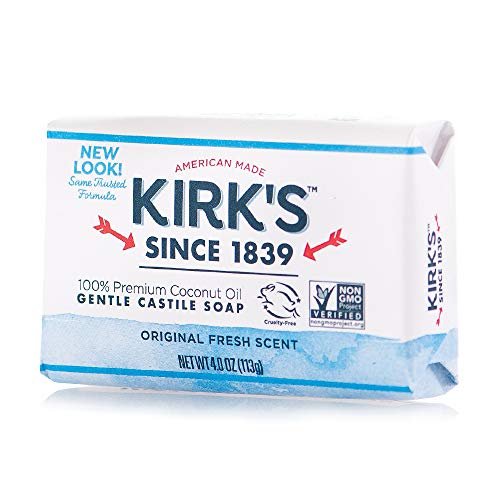
Kirk’s Natural Original Castile Soap, 4 Ounce

Fels Naptha Laundry Soap Bar, 5 oz, 2-Pack

Fels Naptha Laundry Bar and Stain Remover, 5 oz, 3-Pack

Zote White Laundry Bar Soap, 14.1 oz, 3-Pack
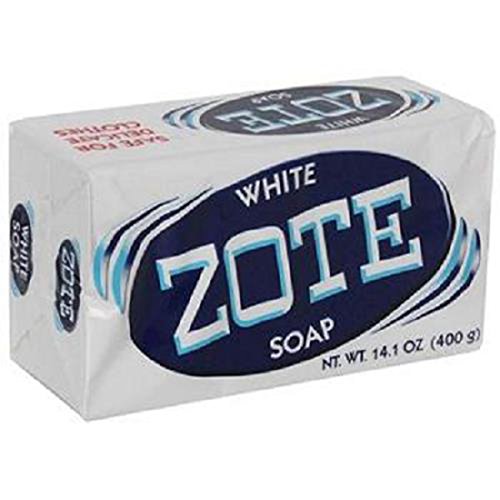
Product Of Zote White Bar Soap, 1 Ounce
Why These Options Stand Out
Kirk’s sits at the gentle end of the laundry bar world, and that placement is deliberate. The formula relies on coconut oil rather than harsher detergents, which gives the bar a softer feel against fabrics and against skin. For anyone who has ever set off a rash with a bargain-bin soap, that difference matters more than any label claim.
The 4-ounce bar is small enough to keep in a travel bag, and it doubles as a body soap for people who prefer one product doing two jobs. You’ll notice it lathers less aggressively than the stain-focused bars later in this list, which is part of the trade-off: gentleness usually costs you raw scrubbing power. Castile soap, by the way, is a plant-oil-based soap that skips synthetic detergents altogether, and that definition matters for shoppers with reactive skin.
What Works In Its Favor
- Coconut-oil base is friendly to reactive skin and baby clothes
- Compact 4-ounce size fits easily in a drawer or carry-on
- Pulls double duty as a hand soap or body bar, so it earns its space on small countertops
Things To Consider
- Lacks the heavy stain-removal punch of the Fels Naptha picks reviewed below
- Owners commonly report the bar softening quickly if left sitting in pooled water, so a draining dish helps it last
Who It Suits Best
Households with sensitive skin, baby wardrobes, or anyone who wants one bar that handles light hand-washing duties without irritation.
Where Another Pick Suits Better
For grease-stained work shirts and ring-around-the-collar, the Fels Naptha Laundry Bar and Stain Remover, 5 oz, 3-Pack brings noticeably more scrubbing muscle.
Fels Naptha has been the laundry-room standard for generations, and the 2-pack keeps that tradition tidy. Where Kirk’s aims for softness, this bar aims for stain removal: oily patches, sweat marks, and the grimy rings that build up at shirt collars and cuffs. You wet the fabric, rub the bar directly on the spot, then toss the garment in your regular wash.
The 5-ounce size lands in a useful middle ground. A single bar lasts through many pre-treat sessions, and the two-pack means you keep a spare tucked in the laundry area instead of running out mid-stain. If your weekly wash tends to include mechanic’s pants, kid play-clothes, or gardening shirts, this is the kind of bar that earns its reputation fast.
Where It Helps
- Targets grease, body soil, and set-in marks with direct bar-to-fabric contact
- Compact 5 oz size is easy to grip while you work a stain
- Two bars per pack means a backup is already in the cabinet
Worth Noting
- Scent is strong and old-fashioned, which some households enjoy and others find overpowering
- Owners often mention the bar drying out if left uncovered, so wrapping it between uses keeps it usable longer
Feature Snapshot
Right Fit For
Home laundry routines that deal with weekly grease, sweat, or collar stains on a mix of work and casual clothes.
Skip It When
If you want a milder bar for a baby’s wardrobe or your own sensitive skin, Kirk’s Natural Original Castile Soap, 4 Ounce is the gentler choice on this list.
The 3-pack version of Fels Naptha isn’t a different formula, it’s simply a larger supply. For households that pre-treat on a near-daily basis, that difference matters. Three bars on a shelf means you stop thinking about running out, and a single bar going mushy in a soap dish becomes a minor inconvenience instead of a problem.
The same bar does the same work as the 2-pack reviewed above: it works into collars, cuffs, and oily patches on cottons and work fabrics. Where this option pulls ahead is purely in convenience. You may find that having a bar in the laundry room, a bar in the garage, and a backup in the closet removes the friction that usually comes with bar soap.
The Case For It
- Three bars reduce the mental load of running out mid-stain
- Same dependable stain-fighting formula as the smaller Fels Naptha pack
- Spare bars can live in the garage, mudroom, or wherever messes happen
Trade Offs
- Heavier upfront packaging, so storage planning matters in small apartments
- Strong scent, like the 2-pack, may bother scent-sensitive households
Made For
Bigger households, home-based workers, and anyone who treats stains often enough that one bar feels like a thin margin.
A Better Fit Elsewhere
Travelers and minimal-pantry shoppers get more useful mileage from the single-bar Zote White Bar Soap entry on this list.
Zote shifts the conversation from spot treatment to whole-load washing. The white variant is built around brightening whites and light-colored fabrics, and the 14.1-ounce bar is the size of a paperback novel. Three of them at once means a long stretch of laundry without reordering, which suits busy families and shared housing.
The bar is mild enough to be considered for delicates, and the light fresh scent is far quieter than the Fels Naptha options. It’s also a popular choice for hand-washing school uniforms, gym clothes, and any fabric that ends up in a bucket or basin rather than a machine. Where Kirk’s and Fels Naptha specialize, this one aims for daily washing across a wider range of garments.
Where It Delivers
- Large 14.1 oz bar covers many loads between replacements
- Built to brighten whites and light fabrics without harsh perfumes
- Considered safe for delicate clothes, which broadens what you can wash by hand
Honest Caveats
- Big bars are awkward to grip at first, so a soap dish or grater helps with portion control
- Stronger stain removal, like ring-around-the-collar, may still call for a pre-treat bar such as Fels Naptha
Best Suited To
Families running frequent loads of whites, uniforms, and lightly soiled everyday wear who want one bar to cover most hand-wash jobs.
Look Elsewhere When
For fragrance-free or skin-quiet options, Kirk’s Natural Original Castile Soap, 4 Ounce is the calmer pick on this list.
The 1-ounce Zote sample strips the bar down to its simplest form. It’s a useful way to try a fragrance, a size, and a brand before committing to a 14-ounce brick, and it slips easily into a travel kit, gym bag, or RV cabinet. For tiny households, a single bar of this weight can last a surprisingly long time, since one ounce goes a long way on small hand-wash jobs.
There’s a practical honesty here that bigger packs can’t offer. You learn whether the scent, the lather, and the feel work for your skin and your wardrobe, and you do it without overbuying. For college students, frequent flyers, and anyone furnishing a guest bathroom or guest powder room, this is the kind of low-risk entry point that bar soap is built for.
Good Reasons To Consider
- Small 1 oz size is travel-ready and TSA-friendly
- Same white-brightening formula as the larger Zote bars
- Low-cost way to test the brand before buying in bulk
Points To Keep In Mind
- One ounce is gone quickly for households running full loads of hand-wash laundry
Who Should Grab It
Travelers, dorm dwellers, and anyone wanting a low-commitment introduction to bar-style laundry washing.
Reach For A Different Pick When
For long-term everyday use, the 14.1-ounce Zote White Laundry Bar Soap, 14.1 oz, 3-Pack stretches your dollar much further on the same formula.
What Matters Most When Buying Laundry Bar Soaps
Bar soap is simpler than liquid detergent, but the differences between brands still shape the experience. A short look at the attributes that matter will keep the decision grounded.
Know Your Main Job
Start by naming the actual problem. Pre-treating set-in grease points toward a Fels Naptha-style stain bar. Whitening school whites or gym uniforms leans toward a Zote white bar. Sensitive skin and baby clothes call for a coconut-oil castile formula. The label and the brand matter less than what the bar is actually built to do.
Read The Scent And Skin Profile Honestly
Laundry bar soaps lean on fragrance more than liquid detergents do, partly because the formula is concentrated. If your skin flares easily, or you share a wash with a baby, the scent load is a real factor. Unscented and lightly scented bars exist, and they’re worth the search when skin is reactive.
Match The Bar Size To Your Routine
A 1-ounce travel bar disappears in a busy household, and a 14-ounce brick is overkill for one person in a studio apartment. Bigger bars cost less per ounce, but only when you actually use them. Storage humidity matters too: bars kept in a damp soap dish soften fast, while bars kept dry in a covered dish can last for months.
Plan For Storage And Drying
A small detail, but an important one. Bar soaps need air circulation between uses, and a draining dish or soap saver is the difference between a bar that lasts and a bar that turns to mush in a week. Anyone in a humid climate or a small laundry closet will feel that difference quickly.
Key Considerations Across These Picks
Pitfalls Shoppers Hit
A common misstep is buying a stain-removal bar expecting it to wash full loads of everyday clothes. Stain bars like Fels Naptha are designed for direct spot work, not as a replacement for a general laundry bar. The opposite mistake is buying a brightening bar for a once-a-week oil stain on a work shirt and wondering why the stain survives the wash. Matching the bar to the job is half the result.
When Paying More Pays Off
A larger pack of any of these bars usually brings a lower cost per ounce, which adds up over a year. The trade-off is storage space and the risk of bars going unused in a damp closet. For households that wash frequently and have a dry spot to stash a few bars, the bigger pack almost always wins on value.
Frequently Asked Questions
How Do You Use A Laundry Bar Soap?
Wet the fabric and rub the bar directly on the stained area, then let it sit for a few minutes before tossing the garment into your regular wash. For general hand-washing, grate a small amount into warm water and dissolve it before adding clothes.
Can Bar Soap Replace Liquid Detergent In A Washing Machine?
For high-efficiency front-loaders, grated bar soap can leave residue and clog lines, so a liquid detergent is usually the safer match. Top-loaders tolerate grated bar soap better, but you may find more suds and rinse cycles needed.
Are Laundry Bar Soaps Safe For Delicates?
A castile bar or a white Zote-style bar is generally gentle enough for delicates, though a quick spot test on a hidden seam is wise. Fels Naptha is more aggressive and is usually kept for sturdy cottons and work fabrics.
Do Laundry Bars Work In Hard Water?
Hard water reduces lather in any soap, including bars. Adding a bit more bar, or pairing it with a water-softening rinse, restores cleaning power. You may find whites look dingier over time without that adjustment.
How Long Does A Laundry Bar Last?
A 5-ounce Fels Naptha bar typically lasts through many pre-treat sessions, often several months of weekly use. A 14-ounce Zote bar in regular hand-wash rotation usually runs through a similar window. Storage humidity and how often the bar is exposed to water are the biggest variables.
Final Verdict
The honest read is simple: Fels Naptha wins for stain work, Zote wins for everyday hand-washing and whitening, and Kirk’s wins for sensitive skin. Match the bar to the job your laundry room actually has, store it where it can dry, and the rest of the decision takes care of itself.
