

Winter air strips moisture from lips faster than most people expect, and a coat of the wrong balm can leave you reapplying every twenty minutes. This roundup covers eight options built for exactly that problem, from medicated ointments for cracked skin to SPF sticks for sunny ski days. Whether you’re shoveling the driveway at dawn or flying somewhere dry, there’s a fit here for your routine and your budget.
The Choices Worth Comparing
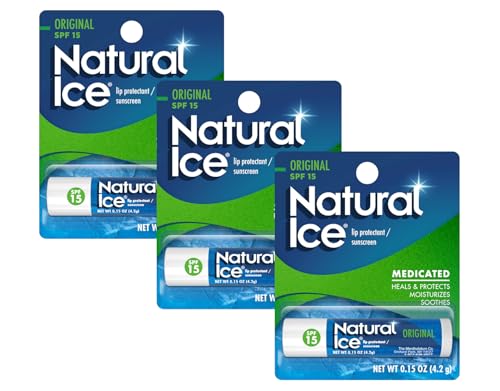
Mentholatum Natural Ice Lip Balm SPF 15 Pack of 3

Nécessaire The Lip Balm with Niacinamide + Shea Butter

Dermatone SPF 23 Skin Protectant Balm, Blue

Carmex Classic, Weather Guard & Daily Care Variety Pack

Winky Lux Lip Libations Nourishing Treatment, Paloma

Aquaphor Lip Repair Stick Pack of 2

Blistex Medicated Lip Ointment 24 Hr Moisture 3 Pack

Blistex Medicated Lip Balm SPF 15, 3 Count
Inside Each Recommended Option
Cold snaps rarely arrive alone. Wind and low winter sun tag along, and lips take the hit first. This Mentholatum trio pairs an SPF 15 shield with a smooth-on hydrating base, so one tube handles the school run and the weekend sledding trip alike.
Three tubes matter more than they sound like they would. One lives in the car, one in a coat pocket, one upstairs, and nobody fights over whose balm went missing. For households that burn through sticks fast, the multi-pack format solves its own problem.
Useful Strengths
- SPF 15 shields lips during bright, reflective snow days when UV exposure sneaks up on you.
- The smooth-on formula spreads thin without tugging, which matters on already-chapped skin.
- A three-pack means you can stage tubes where your family actually loses them.
- Positioned for cold weather use across ages, so one purchase covers the household.
Things To Consider
- SPF balms need reapplying after eating or wiping, more often than plain moisturizing sticks.
- Some users prefer richer overnight formulas for severe cracking, since this leans toward daytime defense.
Who It Suits Best
Families juggling school runs, sports, and weekend outdoor time who want one affordable balm everyone shares.
Swap It Out When
For deeply damaged lips needing medication rather than prevention, the Blistex Medicated Lip Ointment later in this list fits better.
Most balms sit on top of dry lips. This one treats them like facial skin, layering niacinamide, ceramides, hyaluronic acid, omega fatty acids, and centella asiatica extract into a shea butter base. Ceramides are lipids your skin barrier uses to hold moisture in, and winter depletes them faster than anything else on your face.
In practice, that translates to fewer desperate reapplications through a workday. Compared with the drugstore staples earlier on this list, the texture reads richer and the finish feels more like a treatment than a wax. You’re paying skincare prices for skincare chemistry, and the honest read is that chronic flakers get the most back.
Useful Touches
- Niacinamide smooths and softens lip texture over weeks of consistent use.
- Hyaluronic acid draws water into the lip surface instead of merely sealing it.
- Ceramides reinforce the barrier that harsh wind strips away.
- Omega 6/9 fatty acids add emollient depth you feel immediately on application.
- The shea butter base gives a luxe glide without a waxy drag.
Worth Noting
- No SPF appears in this formula, so pair it with a sun stick on bright snow days.
At A Glance
Whose Shelf It Belongs On
Anyone already using serums and actives who wants their lip care to match the rest of their routine.
A Better Fit Elsewhere
Budget-focused shoppers applying balm five times a day will find better value in the Aquaphor Lip Repair Stick two-pack.
Ski patrollers and winter runners have kept Dermatone in jacket pockets for years, and the reason shows up in the spec sheet. Broad spectrum SPF 23 guards against both UVA and UVB rays, and the tin doubles as a face protectant for cheeks and nose where windburn hits hardest.
Lanolin, tea tree oil, and vitamin E handle the moisturizing side, giving this balm a slightly medicinal character compared with the cosmetic finish of the Nécessaire option above. At half an ounce, the tin outlasts a standard stick by a wide margin. One caveat worth weighing: tins demand clean fingers, which some people find fussy mid-trail.
Everyday Perks
- Broad spectrum UVA/UVB coverage suits high-altitude and reflective-snow conditions.
- Doubles on cheeks and nose, replacing two products in a small kit.
- Lanolin and vitamin E deliver lasting cushion on wind-scoured skin.
Small Caveats
- Finger application from a tin can feel less hygienic than a twist-up stick.
- The tea tree scent divides opinion depending on your sensitivity to fragrance.
Built With In Mind
Backcountry skiers, winter hikers, and anyone logging long hours outside between December and March.
Reach For A Different Pick When
Desk-bound commuters who want a quick one-handed swipe will find the Carmex variety pack’s sticks more convenient.
Seven pieces covering three distinct jobs make this the pragmatist’s pick. Classic brings cocoa butter with camphor and menthol for that cooling, tingling relief on cracked lips. Weather Guard and Daily Care both carry sunscreen, splitting duties between stormy days and ordinary ones.
Where the single-formula packs earlier in this list commit you to one texture, this bag lets different family members claim different favorites. Stash sticks in glove boxes and bags, keep a tube at home. The trade-off shows up in shelf life: seven open balms age faster than one, so rotate through them within a season or two.
What Earns Its Place
- Three formulas mean a match for prevention, relief, and daily maintenance in one buy.
- Menthol and camphor deliver immediate cooling comfort on raw, chapped skin.
- Cocoa butter keeps the Classic formula gliding smoothly instead of dragging.
- Sunscreen in two of the three lines extends usefulness into spring.
- Stick-and-tube mix suits pockets, purses, and medicine cabinets equally.
Points To Note
- Seven simultaneous openings invite dried-out edges if a few go unused for months.
- The menthol tingle isn’t for everyone, particularly on severely split lips.
Feature Rundown
The Right Fit
Shared households and anyone who misplaces balms constantly and wants spares everywhere.
Where A Sibling Pick Shines
Minimalists who prefer one dedicated tube will appreciate the focused Winky Lux treatment instead.
Ten percent squalane puts this Winky Lux treatment in different territory than a pocket stick. Squalane mimics the skin’s own oils, so it sinks in rather than sitting as a film, and here it’s backed by hyaluronic acid, ceramide NP, vitamins B5 and E, and shea butter. Think overnight mask energy in a portable format.
The Paloma flavor leans grapefruit-citrus, which owners tend to describe as a treat rather than a chore. Applied thick before bed, it does its best work while you sleep, and morning peeling becomes noticeably rarer over a week or two. It costs more per ounce than everything else here, though, so heavy daytime re-appliers should look down the list.
Where It Delivers
- 10% squalane replenishes lip moisture at a concentration closer to a serum than a balm.
- Ceramide NP supports the same barrier repair pathway as pricier facial products.
- Vitamins B5 and E add conditioning that shows up in smoother texture over time.
- The citrus-forward Paloma flavor makes nightly use something to anticipate.
Less Ideal Details
- Per-ounce cost runs high against the multipacks elsewhere in this lineup.
- As a treatment-first formula, it may feel too rich under lipstick for daytime wear.
Quick Facts
Who Will Love This
Nighttime-routine devotees fighting recurring flakes who want lip care that feels like self-care.
Skip It When
All-day outdoor workers need rugged SPF coverage, which points straight to the Dermatone tin.
Aquaphor occupies rare ground: dermatologists recommend the brand widely, and the price stays firmly in drugstore range. Each 0.17 oz stick combines shea butter, jojoba oil, and nourishing vitamins in a formula built to relieve dryness rather than perfume it. There’s no sting, no tingle, nothing to react to.
That gentleness is the whole argument. Sensitive skin, post-procedure lips, kids who hate menthol, anyone burned out by tingling formulas finds relief here. Against the Carmex variety pack, you give up variety and SPF but gain a formula almost nobody reacts badly to. Two sticks per pack keeps one in service while the other waits.
A Few Strong Suits
- Shea butter and jojoba oil soothe cracked lips without any cooling agents that can irritate.
- Clinically shown to relieve dryness, per the brand’s own positioning.
- The two-stick pack halves the odds of a balm-less commute.
Practical Considerations
- No sunscreen here, so summer and snow-glare days need a separate SPF product.
- The balm-free-of-fragrance approach means no flavor, which some find bland.
Essential Details
Made For
Sensitive-skinned daily users, parents of finicky kids, and anyone recovering from over-tingly medicated balms.
Consider Something Else When
Severe sore-lip pain calls for actual medication, making the Blistex ointment the stronger choice.
This is the rescue product, not the daily driver. Four medications deliver temporary relief from the pain and itching of lip sores and blisters, and the ointment format penetrates deeper than a waxy stick ever could. An advanced moisture system aims to keep lips hydrated around the clock once applied.
Where the Aquaphor stick above soothes gently, this one actively medicates, and that difference decides who buys which. Cold sore sufferers and people whose lips crack to the point of bleeding report this category earning its keep. The squeeze tube takes a little getting used to after years of twist-up sticks, and dosing takes a light hand.
A Strong Showing
- Four medications target pain and itching that plain balms simply cover up.
- Ointment penetration reaches damaged tissue better than wax-based formats.
- Designed to elevate lip moisture over a full day between applications.
- Three tubes stretch a rescue supply across a whole winter.
Factors To Consider
- Squeeze-tube application needs fingers or careful squeezing, unlike a swipe-up stick.
- Over-application wastes product fast given the small tube size.
- Medicated formulas aren’t intended as an all-day cosmetic balm substitute.
Right Fit For
Anyone battling painful splits, blisters, or recurring cold sores through the driest months of the year.
Another Choice May Suit
Routine prevention without active sores is handled more pleasantly by the Mentholatum Natural Ice three-pack.
Closing the list is the workhorse: medicated relief, SPF 15, and a glide-on stick that covers fully in one pass. The formula seals moisture in to head off the dry-crack-reapply cycle, and the easy-glide texture avoids dragging across tender skin. Three 0.15 oz sticks round out a season of desk-drawer duty.
It overlaps with the Mentholatum opener in mission, but Blistex leans medicated where that pick leans family-friendly simplicity. Commuters who apply twice a day and forget about it are the natural audience here. Worth knowing: like any SPF balm, it fades with coffee cups and lunch, so midday touch-ups keep the protection honest.
Advantages To Know
- SPF 15 blocks the sun exposure that worsens wind-chapped lips on bright days.
- Easy-glide coverage means one swipe protects without repeated passes.
- Moisture-sealing action helps prevent the reappearance of dryness between uses.
The Fine Print
- SPF wears off with meals and drinks, so realistic protection depends on reapplication habits.
Product Snapshot
Perfect Match For
Office commuters and drivers who want set-and-forget morning protection in a familiar stick format.
Not Your Match When
Overnight repair seekers get far more from the Winky Lux squalane treatment’s richer profile.
What Matters Most Before Choosing
Occlusion Versus Treatment
Waxy balms seal moisture in but do little to repair skin underneath, while medicated and active-ingredient formulas actually address damage. Severe cracking calls for the second kind; everyday prevention works fine with the first. Matching the tool to the job prevents a drawer full of products that all do the same thing.
Sunscreen In Winter
Snow reflects UV upward, and high-altitude winter sun burns lips just as readily as beach sun. An SPF 15 or higher balm earns its place from December through ski season. Reapplication after eating matters more than the initial number on the label.
Format And Habit
Sticks suit one-handed swipes in the car, tins suit targeted face coverage, and squeeze tubes suit precise dosing of ointments. The honest question is where your hands already are during the day. A format that fights your routine ends up unused, whatever the ingredient list promises.
Ingredient Sensitivities
Menthol, camphor, and tea tree oil feel soothing to many and irritating to a few. Fragrance-free options like Aquaphor sidestep the issue entirely for sensitive skin. Reading past the front label saves a wasted purchase.
Key Considerations Across These Picks
Traps First Timers Fall Into
Grabbing a flavored balm because it smells nice is the classic error; strong flavoring often encourages licking, which dries lips further. Another slip is buying one tube and losing it within a week. Multipacks exist precisely because these things vanish.
What Separates Premium From Basic
Higher-priced treatments load in actives like squalane, ceramides, and niacinamide at concentrations borrowed from facial skincare. That chemistry pays off for chronic dryness and overnight repair. For straightforward daily prevention, a basic SPF stick performs nearly as well at a fraction of the spend.
Frequently Asked Questions
Why do lips chap worse in winter than summer?
Cold outdoor air holds almost no humidity, and heated indoor air dries further. Lips lack oil glands, so they lose moisture faster than surrounding skin.
Do SPF lip balms really matter in winter?
Yes, especially on snow, which reflects ultraviolet light back at your face. Altitude amplifies the effect for skiers and hikers.
How often should a lip balm be reapplied?
After every meal, drink, or wipe, and roughly every couple of hours otherwise. Medicated ointments used for active sores follow their own package directions.
Can lip balm make chapping worse?
Occasionally, through licking flavored balms or reacting to fragrances and menthol. Switching to a bland, unflavored formula usually resolves it.
What’s the difference between a balm and an ointment?
Balms are wax-based and sit on the surface as a seal. Ointments penetrate deeper and typically carry medication, making them better for active damage.
Closing Thoughts
The right choice comes down to matching the formula to your actual winter. Prevention-minded households do well with the Mentholatum or Carmex multipacks, sensitive skin gravitates to Aquaphor, and genuinely damaged lips need the Blistex ointment. Pick the one that fits your day, keep a spare where you’ll actually find it, and let consistency do the rest.
