

A day outside without lip SPF leaves you with tight, stinging, peeling lips that make every sip of water uncomfortable. The right balm does two jobs at once: it shields against further UV damage and restores moisture to skin that’s already angry. This shortlist covers both sides of the problem, from mineral sunscreens to overnight repair treatments, so you can match a pick to how badly your lips are burned and how much time you spend outdoors.
An Overview Of The Picks

BLUE LIZARD Mineral SPF 15 Lip Balm 3-Pack
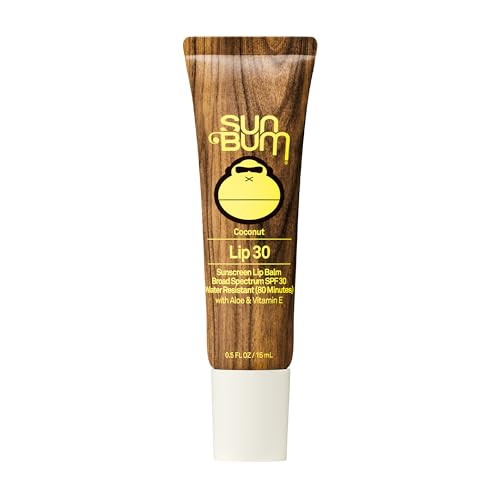
Sun Bum SPF 30 Coconut Sunscreen Lip Balm (Clear)

Nécessaire The Lip Balm Hyaluronic Acid + Niacinamide

REMEDY All-In-One Hydrating Lip Treatment

Dermatone Original Medicated Lip Balm SPF30 3-Pack

Y-Not Natural Emu Oil Lip Balm SPF50+ 15g

BALM OF GILEAD Manuka Defense Healing Lip Balm 4-Pack

Sadoer 98% Aloe Vera Lip Balm
More On The Choices That Made The List
Mineral sunscreen fans will appreciate this one: the active is zinc oxide, which sits on the surface rather than absorbing into skin. That matters on already-inflamed lips, where chemical filters can sting on contact. Three slim 0.13 oz tubes mean one lives in your bag, one in the car, one at home.
The formula leans on eight natural oils plus Australian Kakadu plum, a fruit naturally rich in vitamin C. Owners commonly describe the coconut flavor as mild rather than candy-sweet, which suits people who reapply often.
Useful Highlights
- Zinc oxide provides broad spectrum UVA/UVB coverage without the sting chemical filters can cause on raw lips
- Eight natural oils keep lips comfortable through repeated reapplications
- Vegan formula with Kakadu plum adds antioxidant support while lips recover
- Three-tube pack spreads easily across bags, desks, and glove compartments
Small Caveats
- SPF 15 is modest; on long beach or hiking days you’ll want to reapply more often than a higher-SPF stick
- At 0.13 oz per tube, heavy users may finish a tube within a single season
Key Specs
Who Will Love This
Fair-skinned travelers and anyone with sensitive, reactive lips who prefers mineral sunscreens over chemical ones.
A Better Fit Elsewhere
Long days on the water call for the Y-Not Natural Emu Oil Lip Balm, whose SPF50+ rating and water resistance outlast this stick by a wide margin.
Where the Blue Lizard sticks prioritize gentle minerals, Sun Bum doubles the SPF number and keeps things simple: one clear 0.5 oz stick, coconut flavor, no fuss. The larger format is the quiet advantage here. A half-ounce tube lasts noticeably longer than the 0.13 oz competition, even with daily reapplication.
The glide gets frequent praise in owner feedback, going on smoothly without tugging across chapped skin. For most commutes, dog walks, and weekend errands, this is the stick that quietly lives in your pocket all summer.
Everyday Perks
- SPF 30 gives roughly double the burn threshold of an SPF 15 stick during midday exposure
- Clear application leaves no white cast, so it works under lipstick or gloss
- The generous 0.5 oz size stretches across a full season of regular use
- Smooth glide means less friction on cracked, sunburned skin during application
Points To Note
- Coconut flavor divides opinion; some owners find it sweet after hours of wear
- It’s a protectant first, so severely peeling lips still need a dedicated repair product alongside it
Made For
Anyone who wants one dependable SPF stick for daily wear, from school runs to lunchtime walks.
Consider Something Else When
Overnight healing matters more than daytime coverage, and the REMEDY treatment later in this list handles that job better.
This is skincare logic applied to lips, and it shows in the ingredient deck. Hyaluronic acid draws water into the skin, niacinamide (a form of vitamin B3) softens rough texture, and ceramides help rebuild the moisture barrier that sun exposure strips away. A shea butter base carries the whole thing.
There’s no SPF here, so think of it as the recovery half of a two-step routine: sunscreen by day, this at night. In our view that division of labor is exactly what badly burned lips need, since occlusive repair works best while you sleep.
Useful Strengths
- Barrier complex of niacinamide, ceramides, and omegas supports genuine repair rather than just sealing surface moisture
- Hyaluronic acid hydrates deeply, easing the tight feeling that follows a day in strong sun
- Centella asiatica extract rounds out the formula, a botanical long used to calm stressed skin
- Luxe shea base feels substantial without turning greasy under a pillowcase
Things To Consider
- No sun protection whatsoever, so pairing with an SPF stick like the Sun Bum above is non-negotiable
- Premium pricing puts it above drugstore balms; value-focused shoppers may balk
Feature Snapshot
Right Fit For
Skincare-literate users recovering from significant sun exposure who already own a daytime SPF lip product.
Swap It Out When
Budget matters more than ingredient pedigree, in which case the Sadoer aloe balm at the end of this list covers basic hydration for far less.
Developed by a board-certified dermatologist, this treatment takes a clinical angle: a 15% blend of skin-identical lipids, meaning fats that mirror the composition of your own skin barrier. Peptides round out the formula. Compared with Nécessaire’s balm, this one positions itself as three products in one, working as an overnight mask, a sealing ointment, and a daytime balm.
The brand states the formula is clinically tested, which carries more weight than marketing adjectives. For lips that have moved past “dry” into cracking and peeling, this is the escalation step.
The Upside
- 15% skin-identical lipid blend replenishes what severe dryness strips away
- Triple-duty design replaces a separate mask, balm, and ointment in one tube
- Dermatologist-created formula brings clinical credibility to a crowded category
- Locks in moisture for extended periods, useful overnight when healing peaks
Honest Caveats
- No SPF, so it can’t stand alone as sun protection during recovery days outdoors
- Treatment textures tend to feel heavier than cosmetic balms; some users reserve it strictly for nighttime
- As a specialty product, expect a higher cost per ounce than mainstream sticks
The Details
Whose Shelf It Belongs On
People with chronically cracked, wind-burned, or post-sunburn lips who want a serious repair step rather than another flavored stick.
Reach For A Different Pick When
Your priority is preventing the burn rather than fixing it, and the Dermatone medicated stick with SPF 30 below handles prevention more directly.
Dermatone has long been a fixture in ski towns, and the reason shows in the ingredient list: cocoa butter, aloe, sunflower seed oil, vitamin E, and tea tree oil, all wrapped around SPF 30. That combination soothes existing damage while blocking new exposure, which is precisely the brief for sunburned lips.
The medicated label refers to its targeted, restorative feel rather than any drug classification. Owners report the balm stays put through cold, wind, and long trail days better than thinner cosmetic sticks. Three 0.15 oz sticks per pack keep the price per unit friendly.
Strengths Worth Knowing
- SPF 30 matches the Sun Bum stick while adding aloe and tea tree oil for a soothing edge
- Cocoa butter and vitamin E feed damaged skin during reapplication cycles
- Long-wearing texture survives wind and cold, a known strength of the brand among winter athletes
- Three-stick pack suits households where every jacket pocket needs one
Worth Bearing In Mind
- The medicated, slightly medicinal scent isn’t for everyone; flavor-neutral seekers may prefer Sun Bum’s coconut
- Tea tree oil can irritate highly sensitive skin, so patch-test on first use
Best Suited To
Hikers, skiers, and cyclists who need a hardworking SPF balm that survives sweat, wind, and glove-pocket storage.
Not Your Match When
You want maximum SPF headroom for open-water days, where the Y-Not Natural stick’s SPF50+ rating earns its place instead.
The headline numbers set this apart from everything earlier on the list: SPF50+, the highest rating here, plus four-hour water resistance. Swimmers, surfers, and sailors know that ordinary lip balms wash off within minutes of a splash, so a stated water-resistance window changes the math entirely.
Emu oil serves as the moisturizing backbone, fortified with vitamin E, amino acids, and omega fatty acids 3, 6, and 9. At 15 grams, the stick is also chunkier than typical 0.15 oz offerings, lasting considerably longer between repurchases.
The Helpful Details
- SPF50+ offers the strongest UV shield of any pick here, suited to intense midday sun
- Four-hour water resistance keeps coverage intact through swimming and heavy sweating
- Emu oil base absorbs readily and carries omega-rich nourishment to parched tissue
- Oversized 15g stick delivers far more applications than standard tubes
Softer Spots
- Emu oil makes this unsuitable for vegan shoppers, unlike the Blue Lizard mineral sticks
- High-SPF formulas can feel slightly waxy; some owners note a thicker film on the lips
Quick Facts
The Right Fit
Open-water swimmers, anglers, and beach vacationers who lose ordinary balms to every wave.
Another Choice May Suit
Everyday city wear rarely demands SPF50+, and the lighter Sun Bum coconut stick feels more pleasant for routine use.
Manuka honey from New Zealand anchors this formula, joined by tea tree and a cooling peppermint finish. The sensation on freshly burned lips is immediate: a light chill that takes the edge off the sting. Grass-fed tallow forms the base, rich in vitamins A, D, E, and K according to the maker.
Four 0.15 oz tubes come per pack, making this the largest multi-pack here aside from the Blue Lizard trio. There’s no SPF, so like the Nécessaire and REMEDY picks, it belongs to the repair side of your routine rather than the prevention side.
Strong Points
- Peppermint delivers a genuinely cooling effect that eases the sting of fresh sunburn
- Manuka and tea tree bring well-known botanical conditioning to cracked skin
- Tallow base supplies fat-soluble vitamins that support skin’s natural renewal
- Four-tube pack covers multiple rooms, bags, or gift-giving occasions
Trade Offs To Consider
- No sun protection, so daytime outdoor use requires layering over or under an SPF stick
- Tallow-based formulas soften in hot cars and warm pockets, so storage location matters in summer
Core Details
Perfect Match For
Anyone whose lips suffer most in winter wind and dry indoor heat but want a natural-leaning ingredient list.
Look Elsewhere When
Vegan preferences rule out tallow, and the plant-oil-based Blue Lizard sticks align better with those values.
Aloe vera makes up 98% of this tiny 0.09 oz balm, and that single fact defines it. Aloe is the classic after-sun ingredient, valued for its light, watery hydration and cooling touch. The listing notes dermatologist testing and a non-greasy finish, which tracks with aloe’s thin texture compared with wax-heavy sticks.
The honest read: this is a soother, not a shield. With no SPF listed, it pairs best with one of the sunscreen sticks above, applied underneath for moisture and over-the-top protection handled elsewhere. As an entry point or a desk-drawer staple, though, few options are simpler.
Why It Works Well
- 98% aloe content delivers lightweight, fast-absorbing hydration without heaviness
- Cooling feel takes the edge off tight, overheated lips after sun exposure
- Compact 0.09 oz size slips unnoticed into the smallest pocket or pouch
A Few Limitations
- No SPF whatsoever, so it cannot prevent further burning on its own
- The small tin runs out quickly with frequent use; keeping a spare on hand is common practice among owners
Who Should Grab It
Students and minimalists seeking an inexpensive, gentle soother to keep at a desk or bedside during recovery weeks.
Where A Sibling Pick Shines
Shoppers wanting real barrier repair alongside hydration will get more mileage from the Nécessaire balm reviewed earlier.
What Matters Most Before Choosing Lip Balms for Sunburned Lips
Match SPF To Your Exposure
SPF numbers translate directly into time: SPF 15 filters roughly 93% of UVB rays, SPF 30 about 97%, and SPF 50 around 98%. Commuters and errand-runners manage comfortably with SPF 15 to 30, while beachgoers, skiers, and anglers should reach for 50-plus with water resistance. Whatever the rating, reapplication every two hours remains the real variable.
Separate Protection From Repair
The biggest mistake shoppers make is expecting one tube to do both jobs. Sunscreen sticks prevent damage; treatments built on ceramides, hyaluronic acid, or skin-identical lipids rebuild what’s already compromised. A two-product routine, SPF by day and a repair balm overnight, outperforms any single compromise formula.
Read The Base, Not Just The Actives
Ingredients like shea butter, cocoa butter, emu oil, and aloe determine how the balm feels and how long moisture holds. Sensitive skin often prefers mineral zinc formulas, since chemical filters can sting on broken skin. Vegan shoppers should scan for animal-derived bases such as tallow or emu oil before committing.
Consider Format And Carry
Stick size ranges from 0.09 oz tins to 15g jumbo tubes, and that difference shapes whether a balm survives a full season. Multi-packs lower the cost per unit and let you stash backups where you actually lose them: cars, jackets, gym bags.
Key Considerations Across These Picks
Traps First Timers Fall Into
Chasing flavor over function is the classic error; a pleasant taste encourages licking, which dries lips faster. Skipping SPF entirely is the second, leaving burned lips exposed to repeat damage. Check the active ingredients before assuming any balm protects.
What Separates Premium From Basic
Higher-tier options invest in clinically studied ingredients such as peptides, ceramides, and dermatologist-designed lipid blends. That engineering costs more per ounce but targets actual repair. Basic sticks handle daily maintenance well, so pay up only when damage is persistent or severe.
Frequently Asked Questions
Can a lip balm heal sunburned lips?
No balm heals burns outright; your skin does the repairing. Balms with ceramides, aloe, or shea butter support that process by restoring moisture and reducing further irritation.
How often should I reapply SPF lip balm?
Every two hours during active sun exposure, and immediately after eating, drinking, or swimming. Water-resistant formulas extend coverage but don’t remove the need for refreshes.
Is higher SPF always better for lips?
Higher SPF adds marginal filtering gains, roughly 97% versus 98% between SPF 30 and 50. Consistent reapplication matters far more than chasing the biggest number.
Should I use aloe on peeling lips?
Yes, aloe’s lightweight hydration suits peeling skin well. Pair it with an occlusive balm afterward to lock that moisture in place.
Can I wear lipstick over these balms?
Clear SPF sticks like the Sun Bum work fine under color. Thicker treatment balms are better reserved for bare-lip or overnight use.
Closing Thoughts
Sunburned lips respond fastest to a split routine: a solid SPF stick during daylight hours and a nutrient-dense repair balm overnight. Any two complementary picks from this list cover both halves without overspending. Start with the scenario that matches your week, give the pair a few consistent days, and your lips will thank you by the weekend.
