

A morning moisturizer that also shields against UV saves a step and, honestly, saves skin. The catch is that many combined formulas feel heavy under makeup or sting reactive complexions, so the wrong choice gets abandoned within a week. This roundup sorts seven well-regarded options by skin type, texture preference, and budget so your shelf ends up with one you actually reach for daily.
The Choices Worth Comparing

Neutrogena Ultra Gentle Daily Facial Moisturizer 3.4 oz

Kiehl’s Ultra Facial Cream SPF 30 with Squalane

La Roche-Posay Toleriane Double Repair Matte Moisturizer

Kiehl’s Ultra Facial Moisturizer SPF 30

Agenyx Daily Facial Lotion SPF 50 1.7 fl oz
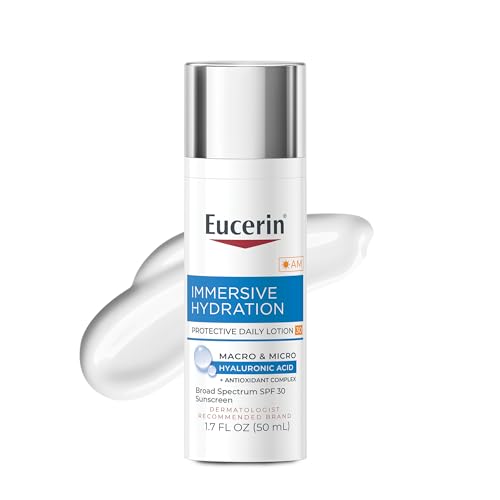
Eucerin Immersive Hydration Face Lotion SPF 30

Cetaphil Daily Oil-Free Facial Moisturizer SPF 35
The Strengths Of Each Pick
Reactive skin tends to reject anything perfumed or heavily actived, and that’s exactly who this Neutrogena tube targets. The fragrance-free base pairs broad spectrum SPF 30 with a barrier-supporting claim aimed at normal to sensitive faces. A 3.4-fluid-ounce bottle also outlasts most 1.7-ounce competitors, which matters when you’re reapplying every morning.
In a shared bathroom where someone’s retinol routine sits next to a teenager’s acne wash, this is the low-drama option everyone can share. Acne-prone users commonly report it layers fine under treatment products without pilling.
Everyday Advantages
- Fragrance-free formulation lowers the odds of stinging on flushed or post-exfoliation skin.
- Broad spectrum SPF 30 covers both UVA aging rays and UVB burn rays in one step.
- The generous bottle size stretches to roughly three months of twice-daily use for most people.
- Positioned for sensitive, reactive, and acne-prone skin types alike, so households can consolidate.
Small Caveats
- SPF 30 sits at the lower end of this list’s range, so long outdoor days call for a dedicated sunscreen on top.
- Owners of very dry skin sometimes add a richer cream at night since this leans lightweight.
Who It Suits Best
Anyone with easily irritated or breakout-prone skin who wants a no-frills daily hydrator that won’t fight their other products.
Where A Sibling Pick Shines
For oilier complexions that hate any residue, the La Roche-Posay Toleriane Double Repair Matte delivers a matte finish this one doesn’t attempt.
Where the Neutrogena plays it safe, this Kiehl’s cream spends its formula budget on endurance. Squalane, a lightweight oil that mimics skin’s own lipids, anchors a blend built around round-the-clock hydration claims alongside broad spectrum SPF 30. The brand also folds in Fountain Plant extract, an ingredient positioned to support the moisture barrier rather than just sit on top of it.
Commuters walking through dry winter air, then into overheated offices, are the profile this was made for. You may find the richer texture takes an extra minute to settle before makeup, though most owners describe it as non-greasy once absorbed.
Benefits That Matter
- 24-hour hydration positioning means fewer midday tight-skin moments during long workdays.
- Squalane replenishes lipids without the heaviness of traditional oils.
- Suitable for all skin types per the brand, which simplifies gifting or shared use.
- Broad spectrum SPF 30 handles daily incidental exposure like driving and errands.
Things To Consider
- Premium pricing puts it above drugstore alternatives, so replacement cost adds up over a year.
- The cream consistency may feel too substantial in humid summer climates for oily skin.
At A Glance
Made For
People with normal-to-dry skin who want one indulgent jar that handles hydration and sun defense through long indoor-outdoor days.
Swap It Out When
Budget-conscious shoppers with similar hydration needs will get solid mileage from the Agenyx SPF 50 lotion instead.
Shine control is the whole point here. La Roche-Posay built this Toleriane variant around 48-hour matte hydration, pairing a lightweight lotion body with SPF 30 and leaving oxybenzone, a common chemical sunscreen filter some skins dislike, entirely out of the mix. For anyone whose forehead gleams by 10 a.m., that combination reads like a targeted fix rather than a compromise.
It slots naturally after the Kiehl’s cream in this list: same broad spectrum coverage, opposite texture philosophy. Office workers under fluorescent lights all day tend to appreciate the finish most.
Notable Upsides
- Matte, non-greasy finish keeps midday shine down without stripping moisture.
- Oxybenzone-free sunscreen filter list suits those avoiding that specific ingredient.
- 48-hour hydration claim supports skipping evening moisturizer on lazy nights.
- Lightweight body layers cleanly under foundation or tinted sunscreen.
Points To Note
- The matte effect can read as flat or slightly tight on already-dry cheeks, so combination skin should spot-check first.
- As with any SPF product, consistent generous application is required for the labeled protection level to hold.
Feature Snapshot
Right Fit For
Oily and combination skin types who want hydration, sun defense, and a shine-free surface in a single morning step.
Not Your Match When
Very dry or mature skin usually gets more comfort from the Eucerin Immersive Hydration lotion’s hyaluronic approach.
This is the lighter sibling of the Kiehl’s Ultra Facial Cream covered earlier, and the distinction shows up in absorption speed. The brand describes it as readily absorbing while defending against the UVA and UVB rays tied to early visible aging. Where the squalane version commits to 24-hour richness, this one aims for soft, smooth skin with less residual feel.
Minimalists running a two-step morning routine, cleanser then this, are the natural audience. The brand advises applying it liberally about 15 minutes before sun exposure, standard practice worth keeping in mind on rushed mornings.
Noteworthy Benefits
- Fast absorption means no waiting period before makeup or sunscreen layering.
- UVA/UVB defense targets the wavelengths linked to premature visible aging.
- Lighter than the squalane Ultra Facial Cream, better suited to milder climates.
Worth Noting
- Without the squalane boost, very parched winter skin may still want a night cream alongside it.
- Application timing matters: the 15-minute pre-exposure window requires slightly earlier mornings.
Whose Shelf It Belongs On
Normal-skin minimalists who prefer a quick-absorbing premium lotion over a heavier cream format.
Reach For A Different Pick When
Drier skin types wanting longer-lasting moisture should step up to the Kiehl’s Ultra Facial Cream with squalane from pick two.
On paper, this Agenyx lotion carries the strongest sun protection number in the lineup at SPF 50, broad spectrum. The ingredient stack reads like a dermatologist’s shopping list: hyaluronic acid for water retention, niacinamide for tone and barrier support, ceramides to reinforce the skin’s outer layer. All of it ships in an oil-free, fast-absorbing format aimed at normal to oily faces.
Gym-goers and outdoor walkers get obvious value here, since higher SPF headroom helps offset real-world under-application. The honest caveat is brand recognition; Agenyx lacks the track record of Cetaphil or La Roche-Posay, so results depend more on the formula than a familiar name.
The Value In It
- SPF 50 broad spectrum offers the highest listed UV defense of any pick here.
- Niacinamide and ceramides support the barrier, useful alongside actives like retinol.
- Oil-free, non-greasy body suits normal-to-oily skin without clogging feel.
- Quick absorption fits pre-workout or pre-commute timing.
A Few Limitations
- The 1.7-ounce bottle runs out faster than the 3.4-ounce Neutrogena at equal daily use.
- Lesser-known brand, so long-term consistency batch to batch is harder to gauge from reputation alone.
Quick Facts
Who Should Grab It
Value-minded shoppers with normal-to-oily skin who prioritize maximum listed SPF over brand heritage.
Look Elsewhere When
Sensitive-skin users who want a proven gentle formula will likely trust the Cetaphil SPF 35 more.
Eucerin approaches hydration engineering-style here, combining macro hyaluronic acid molecules with micro versions roughly 40 times smaller. The idea is layered moisture: larger molecules work near the surface while smaller ones penetrate further, supporting all-day smoothing and a visible improvement in fine lines over time. Broad spectrum SPF 30 rounds out the daily-wear package in a 1.7-ounce bottle.
Anyone noticing crepey texture around the eyes or mouth, but not ready for serums, may find this a gentle entry point. Free-radical defense features in the formula story as well, adding an antioxidant angle beyond plain hydration.
Positive Points
- Dual-molecular-weight hyaluronic acid hydrates at multiple skin depths.
- Targets the appearance of fine lines and wrinkles with continued use.
- Antioxidant-oriented free radical defense complements the SPF.
- Lightweight lotion texture works year-round for most skin types.
Details To Watch
- Visible line-smoothing claims rest on consistent long-term use, not overnight change.
- The smaller bottle means more frequent repurchasing than the Neutrogena or Cetaphil options.
The Details
The Right Fit
Adults in their thirties and beyond chasing plumper-looking skin who prefer one hydrating SPF step over a multi-product routine.
Another Choice May Suit
Shoppers focused purely on shine control will do better with the La Roche-Posay Toleriane Matte from pick three.
Cetaphil closes the list as the steady hand: fragrance-free, oil-free, and formulated for sensitive and combination skin, with edelweiss flower extract added to nourish the skin barrier. Its SPF 35 lands neatly between the SPF 30 majority and the Agenyx SPF 50, and the three-in-one framing, hydrate, nourish, protect, matches how most people actually use it.
Dermatologist-recommended-brand familiarity counts for something when your skin has burned you before, figuratively speaking. The 3-fluid-ounce tube also hits a practical middle ground on size.
A Few Highlights
- Fragrance-free and non-comedogenic positioning suits breakout-prone, easily irritated skin.
- Edelweiss extract supports barrier repair alongside basic hydration.
- SPF 35 offers slightly more headroom than the SPF 30 picks without the weight some high-SPF formulas carry.
- Fast-absorbing enough to wear under makeup without waiting around.
Practical Considerations
- Combination skin owners occasionally report needing a richer cream on dry cheek zones during winter.
- Tube packaging requires squeezing toward the end, unlike pump dispensers, which some find fiddly.
Core Features
Built With In Mind
Sensitive, combination skin types who want a pharmacy-trusted name and a middle-of-the-road SPF they can wear daily without thought.
Consider Something Else When
Acne-prone shoppers wanting maximum sun protection per dollar should compare the Agenyx SPF 50 lotion from pick five.
What Actually Matters Before You Choose
Match The Formula To Your Skin Type
Oily skin thrives on matte, oil-free lotions like the La Roche-Posay, while dry skin rewards richer creams with squalane or ceramides. Combination skin often needs the lightest option plus a targeted night cream. Buying against your skin type is the fastest route to a half-used bottle.
Read The SPF Number Honestly
SPF 30 blocks marginally less UVB than SPF 50, but real-world protection depends far more on application amount and reapplication habits. A generously applied SPF 30 beats a skimpy SPF 50 every time. Higher numbers simply buy forgiveness for thin application.
Check The Filter List And Fragrance Status
Oxybenzone-free formulas suit people who react to certain chemical filters, and fragrance-free labeling matters enormously for reactive or rosacea-prone faces. Sensitive skin should start with Cetaphil or Neutrogena before experimenting elsewhere. Ingredient order tells you concentration, roughly.
Weigh Bottle Size Against Routine Cost
A 3.4-ounce tube lasts roughly twice as long as a 1.7-ounce one at identical daily use. Premium jars justify themselves through texture and longevity of hydration, but only if you’ll actually finish them. Calculate cost per month, not per bottle.
Key Considerations Across These Picks
Traps First Timers Fall Into
The most common mistake is choosing texture over skin type, buying a rich cream because it feels luxurious and then blaming it for breakouts. Another frequent slip is applying too little product; most people use a quarter of the amount sunscreen testing assumes. Start with a coin-sized dose for the face and adjust from there.
The Upgrade Payoff
Higher-tier creams like Kiehl’s charge more for refined textures, longer hydration claims, and better-behaved finishes under makeup. That premium pays off for daily commuters and makeup wearers who notice pilling or tightness. Basic drugstore formulas handle weekends and low-stakes days just fine.
Frequently Asked Questions
Can a moisturizer with SPF replace standalone sunscreen?
For everyday indoor and short outdoor exposure, yes, provided you apply enough of it. Extended sun, beach days, or heavy sweating still call for a dedicated sunscreen reapplied throughout the day.
Do I still need a separate eye cream?
Most facial SPF moisturizers are safe around the orbital area unless the label says otherwise. Delicate under-eye skin that needs extra care can still benefit from a targeted product.
How much product should I apply each morning?
Roughly a nickel-sized dollop for the face and neck is the commonly cited benchmark. Most people under-apply, which quietly reduces the stated protection level.
Will these clog pores or cause breakouts?
The oil-free options here, including Cetaphil and Agenyx, are designed with breakout-prone skin in mind. Any new product can trigger a reaction in individual cases, so patch-test along the jawline first.
Should I use SPF moisturizer indoors or in winter?
UVA rays penetrate windows and stay consistent year-round, so daily use remains sensible. Cloudy winter mornings still deliver meaningful cumulative exposure.
Bottom Line
Your skin type should drive this decision more than brand loyalty does. Sensitive and acne-prone faces have strong allies in the Neutrogena and Cetaphil, oily skin gets genuine relief from the La Roche-Posay matte finish, and dry or maturing skin benefits most from the Kiehl’s squalane cream or the Eucerin hyaluronic system. Whichever direction you lean, the best moisturizer is ultimately the one comfortable enough that you never skip it.
